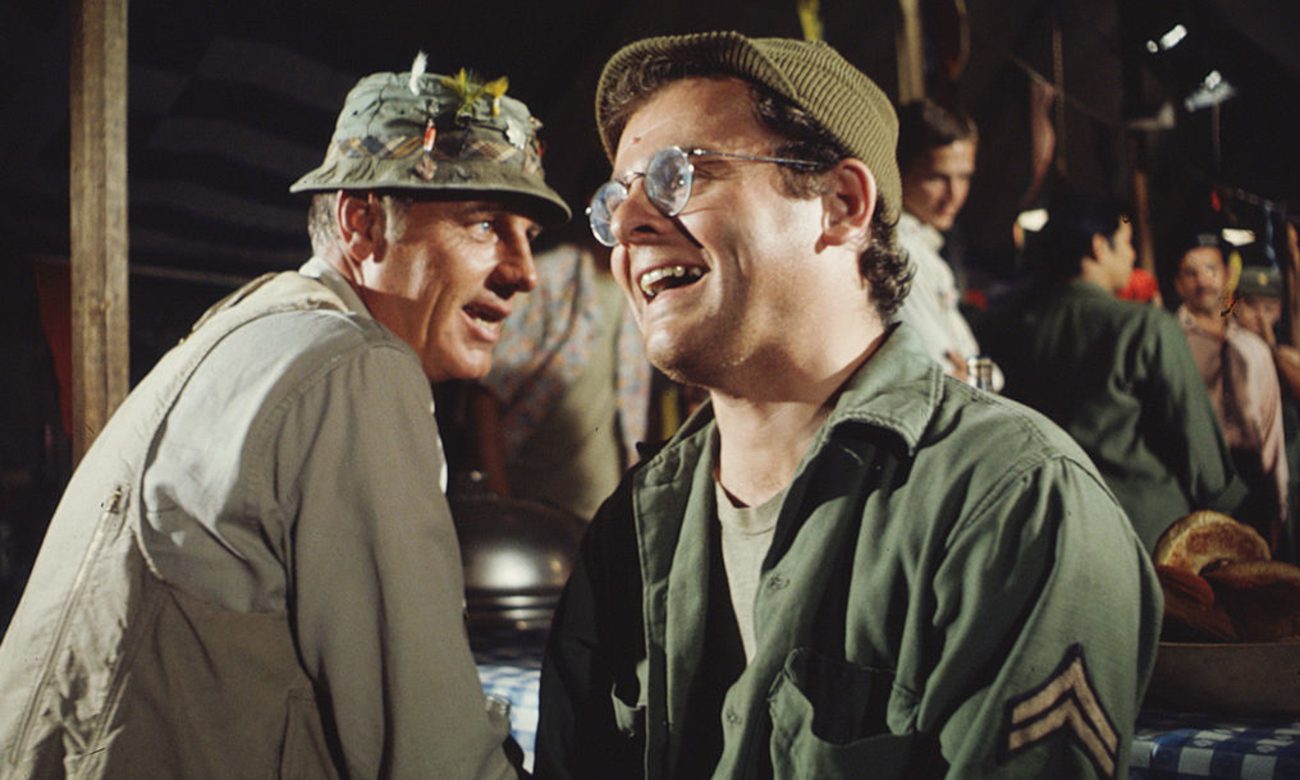
As the decades roll by, the iconic television series MASH* remains one of the most celebrated and culturally significant achievements in American broadcasting history. Chronicling the lives and trials of the 4077th Mobile Army Surgical Hospital during the Korean War, the show balanced sharp anti-war satire with profound emotional depth across its historic eleven-season run from 1972 to 1983. While the fictional camp has long since packed up its tents, a small, remarkable group of the actors who brought those unforgettable characters to life are still alive today, preserving the legacy of a television masterpiece that changed the landscape of modern comedy and drama.
The Cultural Footprint of MAS*H and Its Surviving Stars
Understanding the enduring fascination with the surviving cast members of MASH* requires looking back at how the show captured the collective consciousness of millions. Running for 251 episodes, the series finale—titled "Goodbye, Farewell and Amen"—shattered viewing records in February 1983, drawing an astonishing 105.9 million viewers, a record for a scripted television broadcast that stood for decades. The show was more than just a sitcom; it was a reflection of changing social attitudes toward war, authority, and institutional bureaucracy, wrapped in the fast-paced, witty banter of overworked military surgeons and support staff.
Today, the actors who populated the muddy compound in South Korea have taken on a new historical role as living conduits to a golden era of television production. As time claims more members of the original ensemble, tracking who is still with us offers television historians, classic TV enthusiasts, and casual viewers alike an opportunity to appreciate their broader contributions to entertainment. From guest stars who went on to massive superstardom to core regular cast members who anchored the series through its emotional evolutions, these individuals represent a vital bridge to a bygone era of network television.
Core Cast Members Still Living
The ensemble cast of MASH* went through several significant casting changes over its eleven-year lifespan, evolving from a quirky workplace comedy into a sophisticated dramatic anthology with comedic elements. While foundational pillars of the cast like Wayne Rogers (Captain Trapper John McIntyre), McLean Stevenson (Colonel Henry Blake), Harry Morgan (Colonel Sherman T. Potter), David Ogden Stiers (Major Charles Emerson Winchester III), and William Christopher (Father Francis Mulcahy) have passed away, a few key figures from the main ensemble remain active in memory and life.
Loretta Swit as Major Margaret "Hot Lips" Houlihan
Loretta Swit remains one of the most recognizable and enduring faces from the MASH* canvas. Portraying Major Margaret Houlihan, Swit took a character initially defined as a rigid, by-the-book military disciplinarian and transformed her into one of the most nuanced, empathetic, and multi-dimensional professional women on 1970s television. Over the course of the series, "Hot Lips" shed her icy exterior, revealing deep vulnerabilities, fierce loyalty to her nurses, and top-tier surgical competence under extreme pressure. Swit was one of only two actors—alongside Alan Alda—to stay with the series for its entire eleven-year run. Beyond MASH*, Swit built a robust theatrical and television career, earning two Emmy Awards for her work on the show and dedicating significant energy to animal rights advocacy and painting.
Jamie Farr as Corporal / Sergeant Maxwell Klinger
Few characters underwent a more radical evolution on MASH* than Corporal Maxwell Klinger, played brilliantly by Jamie Farr. Initially introduced as a one-off gag character trying to secure a Section 8 psychiatric discharge from the army by wearing elaborate women's clothing, Klinger evolved into a beloved, resourceful, and deeply human fixture of the 4077th. Farr’s impeccable comedic timing and physical comedy kept audiences laughing, but as the seasons progressed, writers gave Klinger genuine depth, eventually promoting him to company clerk and sergeant following the departure of Radar O'Reilly. Farr utilized his Toledo, Ohio roots and real-life military service background to ground the character's desperate longing for home. After MASH*, Farr maintained a prolific career in television guest spots, stage productions, and game shows, solidifying his status as a master of classic American farce.
Notable Recurring Actors and Guest Stars
While the main bunkhouse inhabitants drove the narrative, the world of MASH* was richly populated by recurring nurses, camp personnel, and visiting military brass who helped create an immersive environment. Many talented performers passed through the soundstages in Malibu, California, leaving indelible impressions despite limited screen time.
Alan Alda’s Vital Role in the Ensemble Context
Though Alan Alda, who portrayed the sardonic, brilliant chief surgeon Captain Benjamin Franklin "Hawkeye" Pierce, is frequently the focal point of any historical retrospective on the show, his post-series career as an author, science communicator, and Parkinson's advocate keeps him firmly in the public eye. While examining the living cast, it is essential to contextualize how Alda’s creative vision as a writer and director shaped the show’s later seasons, shifting the tone toward poignant anti-war commentary.
Other Notable Surviving Personalities
The expansive roster of guest actors and recurring players also includes figures who made single-episode or multi-episode appearances before launching into major Hollywood careers. While prominent guest stars from the early decades—such as Ron Howard, Patrick Swayze, Laurence Fishburne, and Teri Garr—have passed away, the supporting fabric of the show relied heavily on professional character actors whose contributions are celebrated by dedicated fandom archives.
Summary of Major MAS*H Cast Status
| Actor Name | Character Name | Role Type | Status |
|---|---|---|---|
| Alan Alda | Capt. Benjamin Franklin "Hawkeye" Pierce | Main Cast (Seasons 1–11) | Living |
| Loretta Swit | Maj. Margaret "Hot Lips" Houlihan | Main Cast (Seasons 1–11) | Living |
| Jamie Farr | Cpl./Sgt. Maxwell Klinger | Main/Recurring Cast (Seasons 1–11) | Living |
| Wayne Rogers | Capt. Trapper John McIntyre | Main Cast (Seasons 1–3) | Deceased |
| McLean Stevenson | Lt. Col. Henry Blake | Main Cast (Seasons 1–3) | Deceased |
| Harry Morgan | Col. Sherman T. Potter | Main Cast (Seasons 4–11) | Deceased |
| Wayne Rogers | Capt. Trapper John McIntyre | Main Cast (Seasons 1–3) | Deceased |
Behind the Scenes: The Real Legacy of the 4077th
The longevity of the actors associated with MASH* speaks volumes about the collaborative, family-like atmosphere fostered on set during the 1970s and early 1980s. Unlike many television productions plagued by behind-the-scenes friction, the cast of MASH* frequently noted the genuine camaraderie that developed during their grueling shooting schedules. Recreating a muddy, sweltering Korean combat zone on a dry California ranch required intense physical endurance, which bonded the performers together.
Furthermore, the actors were deeply involved in shaping the intellectual property. Many cast members, particularly Alan Alda, contributed heavily to writing and directing scripts, ensuring that the characters evolved organically alongside changing social mores. The show tackled sensitive topics—including post-traumatic stress disorder (then called combat fatigue), racial integration, civilian casualties, and the psychological toll of triage—with a seriousness that was unprecedented for a half-hour television format. The surviving actors remain the primary witnesses to this television revolution, often sharing anecdotes in retrospective documentaries about how they managed to find humor amidst the bleakest narrative settings.
Frequently Asked Questions
Are any of the original main cast members of MAS*H still alive?
Yes. Key core cast members including Alan Alda, Loretta Swit, and Jamie Farr are still alive. They were integral parts of the series throughout its entire eleven-season broadcast, with Swit and Alda appearing in all 251 episodes.
Who was the creator of the television show MAS*H?
The television series was developed by Larry Gelbart, who adapted it from the 1968 novel MASH: A Novel About Three Army Doctors by Richard Hooker (the pen name of H. Richard Hornberger) and the 1970 feature film directed by Robert Altman. Gelbart infused the scripts with rapid-fire dialogue and satirical commentary that defined the show's early years.
Where was MAS*H filmed?
Contrary to popular belief, the series was not filmed in Korea or even on a traditional soundstage for its outdoor scenes. The iconic camp set was located at Malibu Creek State Park in California, where the rugged terrain and nearby hills provided a convincing stand-in for the Korean countryside, though interior hospital and swamp scenes were shot on soundstages in Century City and Studio City.
How many episodes of MAS*H were produced?
The series produced a total of 251 episodes across 11 seasons, airing from September 17, 1972, to February 28, 1983. This remarkable run outlasted the actual duration of the Korean War by a significant margin, running nearly four times longer than the real-world conflict.
What was the highest-rated episode of MAS*H?
The series finale, titled "Goodbye, Farewell and Amen," is the highest-rated episode. Directed by Alan Alda, the 2.5-hour television movie drew an estimated 105.9 million viewers in the United States, cementing its place in television history as one of the most-watched single broadcasts of all time.
Conclusion and Next Actions
For those looking to deepen their appreciation of MASH* and its surviving stars, exploring official retrospective books, cast interview archives, and the digitally remastered box sets provides invaluable historical context. Watching the series with an eye toward the specific character arcs of Margaret Houlihan or Maxwell Klinger reveals the sophisticated writing that allowed these performers to redefine television acting. As these veteran artists continue to be celebrated by generations of new fans, their work on MASH* remains an eternal benchmark for dramatic comedy.