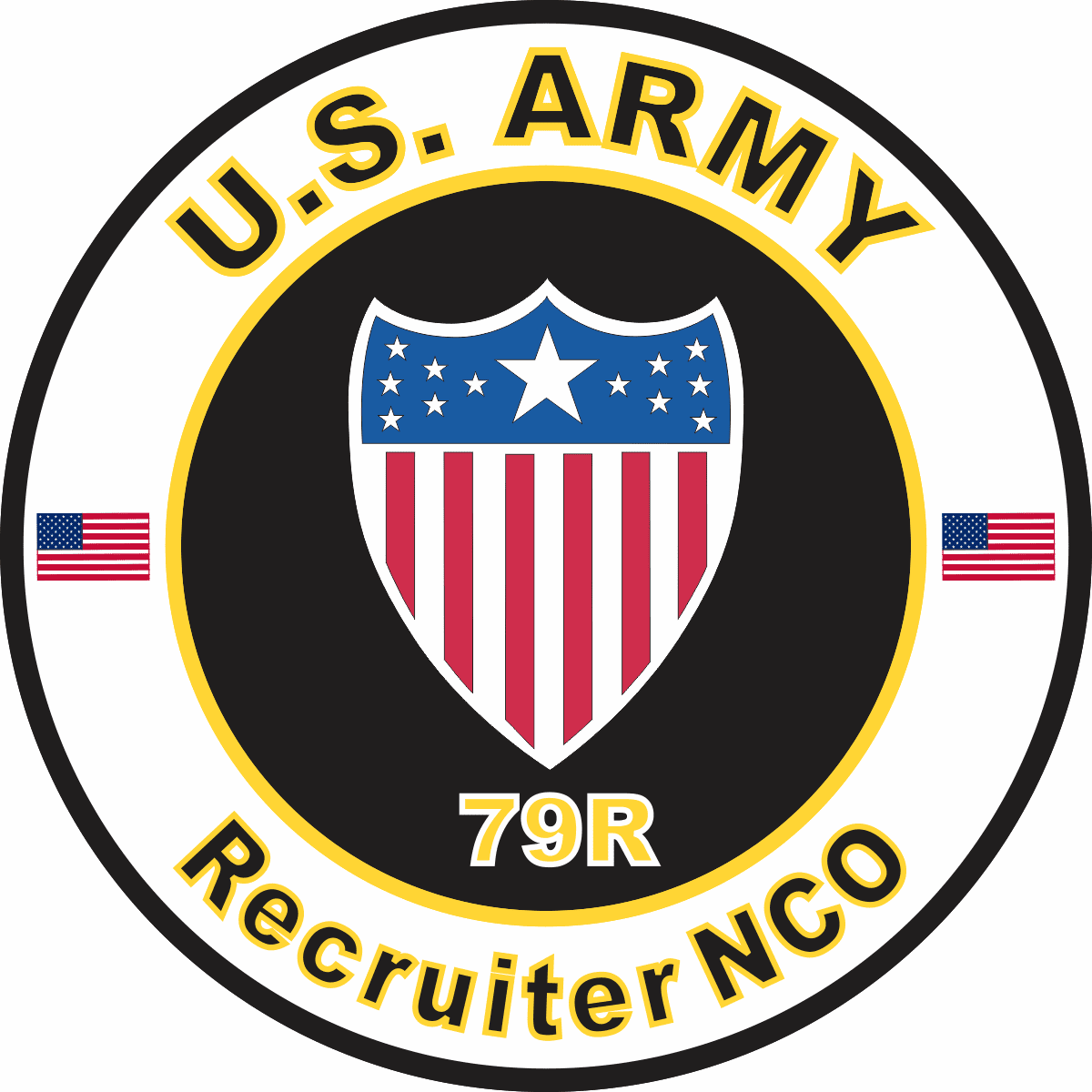
The Army 79R Military Occupational Specialty (MOS) designates a permanent Recruiter, a non-entry-level role responsible for sourcing, vetting, and enlisting the next generation of Soldiers. Unlike "detailed" recruiters who serve a temporary three-year tour, 79Rs are career professionals who manage the Army’s talent acquisition infrastructure, from initial community outreach to the final oath of enlistment at a Military Entrance Processing Station (MEPS).
Understanding the 79R MOS: The Backbone of Army Strength
As of 2026, the 79R MOS remains one of the most critical components of the United States Army Recruiting Command (USAREC). While every Soldier is technically a recruiter for the brand, the 79R is a specialized professional whose entire career is dedicated to maintaining the force’s end-strength. This MOS is unique because it is not available to new recruits; it is a "conversion MOS" that Soldiers transition into after proving themselves in other occupational fields and successfully completing a tour as a recruiter.
The role of a 79R is essentially a blend of sales, marketing, counseling, and administrative law. They must understand the hundreds of MOS options available to applicants, the nuances of educational benefits, and the complex medical and moral waivers that dictate eligibility. In an era where the labor market is increasingly competitive, the 79R’s ability to articulate the value of military service is vital to national security.
The Transition: From Detailed Recruiter to 79R
The journey to becoming a 79R almost always begins with a special duty assignment. Most Soldiers are either "DA Selected" (Department of the Army selected) or volunteer to serve as a 79R00 (Detailed Recruiter) for a period of 36 months. During this initial tour, the Soldier retains their original MOS but works full-time in a recruiting station.
To convert to a permanent 79R, a Soldier typically must meet several criteria:
- Performance: They must demonstrate a consistent ability to meet or exceed recruiting goals (mission) while maintaining high ethical standards.
- Time in Grade: Usually, the Soldier must be at the rank of Sergeant (E-5) through Sergeant First Class (E-7).
- Application: The Soldier must submit a formal request for reclassification to the Human Resources Command (HRC).
- Evaluation: A board or selection committee reviews their "production" (the number of recruits they've successfully enlisted) and their leadership potential within USAREC.
Choosing to become a 79R is a significant career decision. It means leaving one's original branch (such as Infantry, Logistics, or Signal) to spend the remainder of an Army career in the recruiting environment.
Primary Responsibilities of an Army Recruiter
The daily life of a 79R is vastly different from that of a Soldier in a traditional tactical unit. Their responsibilities are divided into several core functional areas that require high levels of autonomy and self-discipline.
Prospecting and Lead Generation
A 79R must build their own "sales funnel." This involves "area canvassing"—visiting high schools, colleges, and community events to build rapport with the public. In 2026, this also includes heavy emphasis on digital prospecting via social media and local networking apps. Recruiters spend hours each day on "telephone prospecting," calling lists of potential leads to gauge interest in military service.
Interviewing and Counseling
Once a lead shows interest, the 79R conducts a formal Army Interview. This is not just a sales pitch; it is a diagnostic tool. The recruiter must determine the applicant’s motivations, career goals, and potential barriers to enlistment (such as medical history or legal issues). The 79R then matches the applicant's skills and interests with the needs of the Army, explaining the Army's various benefits and career paths.
Administrative Processing and MEPS
Perhaps the most technical aspect of the 79R MOS is the paperwork. Recruiters must build a "packet" for every applicant, which includes birth certificates, educational transcripts, and medical records. They coordinate the applicant’s trip to the Military Entrance Processing Station (MEPS), where the individual takes the ASVAB (Armed Services Vocational Aptitude Battery) and undergoes a physical examination. The 79R acts as a project manager, ensuring all legal requirements are met for the enlistment contract to be valid.
Management of the Future Soldier Program
The job does not end when a contract is signed. Most recruits enter the Delayed Entry Program (DEP). The 79R is responsible for these "Future Soldiers," meeting with them regularly to ensure they remain physically fit, stay out of trouble, and are prepared for the rigors of Basic Combat Training (BCT). This phase is critical for reducing "DEP loss"—the percentage of recruits who change their mind before shipping to training.
Qualifications and Prerequisites
Not every Soldier is suited for the 79R MOS. The Army maintains strict standards for those who represent its brand to the civilian public.
- Rank and Experience: Typically, applicants must be at least a Sergeant (SGT) with a minimum of four years of service. They must also have a proven track record of leadership in their primary MOS.
- Physical Standards: Recruiters must meet the Army’s height and weight standards (AR 600-9) and maintain a professional military appearance. They must be able to pass the Army Combat Fitness Test (ACFT).
- Moral and Legal Record: Because recruiters work closely with young adults and have access to sensitive personal information, they must have a clean disciplinary record. No record of court-martial, no civilian felony convictions, and no history of domestic violence (Lautenberg Amendment compliance) are mandatory.
- Education: A high school diploma is the minimum, but many successful 79Rs possess or are pursuing college degrees, which aids in their ability to communicate with educational professionals and college-bound prospects.
- Security Clearance: Most recruiting positions require the ability to obtain and maintain a Secret security clearance.
The Army Recruiter Course (ARC)
Every prospective 79R must attend the Army Recruiter Course at the Recruiting and Retention College (RRC), located at Fort Knox, Kentucky. This intensive six-week course is designed to transform a tactical Soldier into a professional talent acquirer.
The curriculum covers:
- Communication Skills: Techniques for public speaking and one-on-one sales psychology.
- Eligibility Regulations: Deep dives into Army Regulation 601-210, which governs enlistment criteria.
- Technology Systems: Training on the specialized software used to track leads and process enlistment packets.
- Ethics: A heavy focus on the "Recruiter Code of Conduct" to prevent enlistment malpractice (such as coaching applicants to hide medical issues).
Career Progression and Opportunities
One of the primary advantages of the 79R MOS is a clear and structured career path within USAREC. Unlike some MOSs where promotion can feel stagnant, 79Rs have a defined ladder based on both production and leadership.
| Position | Typical Rank | Primary Focus |
|---|---|---|
| Field Recruiter | SGT - SSG | Direct prospecting, interviewing, and enlisting applicants. |
| Station Commander | SSG - SFC | Managing a local recruiting office, training junior recruiters, and community relations. |
| First Sergeant | MSG / 1SG | Overseeing multiple stations within a company and managing administrative/logistical support. |
| Operations NCO | SFC - SGM | Planning and analyzing recruiting trends at the Battalion or Brigade level. |
| Sergeant Major | SGM | Senior enlisted advisor to a Recruiting Battalion or Brigade Commander. |
The Master Recruiter Badge
Experienced 79Rs can earn the Master Recruiter Badge. This is not easily attained; it requires a specific period of successful recruiting, passing a rigorous competency board, and demonstrating mastery over all facets of the recruiting mission. It is a symbol of professional excellence within the command.
Challenges and Work-Life Balance
The 79R MOS is widely regarded as one of the most stressful in the Army. The pressure to meet "the mission" (monthly enlistment quotas) is constant. Recruiters often work long hours, including evenings and weekends, to accommodate the schedules of high school students and working professionals.
Furthermore, 79Rs often live in "detached" environments. Instead of living on a military installation surrounded by other Soldiers, they may live in civilian communities far from any base. This requires a high degree of personal discipline and resilience, as they lack the immediate support structure of a traditional barracks or motor pool environment.
Special Duty Assignment Pay (SDAP) and Benefits
To compensate for the high stress and specialized nature of the job, 79Rs receive Special Duty Assignment Pay (SDAP). As of 2026, this monthly stipend is a significant addition to the basic pay and housing allowances (BAH). Additionally, recruiters are often provided with government-leased vehicles for official use and have access to unique networking opportunities with local government and business leaders, which can be invaluable for post-military careers in sales or corporate recruiting.
Comparison: Detailed Recruiter vs. Permanent 79R
It is important to distinguish between a Soldier temporarily assigned to recruiting and a career 79R.
| Feature | Detailed Recruiter (79R00) | Permanent Recruiter (79R) |
|---|---|---|
| Duration | 3-year special duty tour. | Remainder of military career. |
| Primary MOS | Remains in original MOS (e.g., 11B). | MOS changes to 79R permanently. |
| Promotion | Competes for promotion in original branch. | Competes for promotion within USAREC. |
| Training | Basic Army Recruiter Course. | Advanced NCOES specifically for recruiting. |
| Leadership | Rarely manages a station. | Often moves into Station Commander roles. |
Frequently Asked Questions (FAQ)
Can I join the Army as a 79R?
No. The 79R MOS is a conversion MOS. You must first join the Army in a different specialty, reach the rank of Sergeant, and usually complete a successful tour as a detailed recruiter before you can apply to become a permanent 79R.
Does being a 79R help with civilian jobs?
Yes, significantly. The skills learned as a 79R—sales, marketing, high-volume recruiting, and administrative management—transfer directly to civilian roles in Corporate Recruiting, Human Resources, and Business Development. Many former 79Rs find lucrative careers as "Headhunters" or Talent Acquisition Managers for Fortune 500 companies.
What happens if I don't meet my recruiting mission?
While the Army understands that market conditions vary, consistent failure to meet missions can lead to a "Relief for Cause" or being returned to one's original MOS (if still a detailed recruiter). For permanent 79Rs, performance is reflected in NCO Evaluation Reports (NCOERs), which directly impact promotion.
Do 79Rs get to choose where they live?
Recruiters can submit a "wish list" of locations, but assignments are ultimately based on the "Needs of the Army." However, because recruiting stations exist in almost every major city in the U.S., 79Rs often have a wider variety of geographic options than Soldiers in tactical units limited to large installations like Fort Liberty or Fort Cavazos.
Is the 79R MOS available in the National Guard?
The National Guard has a similar role known as a "Production Recruiter and Retention NCO" (usually MOS 79T). While the duties are very similar, the 79T focuses on both enlisting new members and keeping current members from leaving the Guard.
Final Recommendation
If you are a Soldier who excels in communication, enjoys autonomy, and possesses the resilience to handle a high-pressure sales environment, the 79R MOS offers a rewarding and stable career path. It provides a unique opportunity to shape the future of the Army by selecting the individuals who will lead it in the decades to come. However, potential candidates should carefully consider the impact of "mission pressure" and the potential for long hours before committing to the conversion.
For those interested in the transition, the first step is to speak with your local Career Counselor and express interest in a detailed recruiting tour. Success during those first 36 months is the only true way to determine if the life of a permanent recruiter is the right fit for your military career.