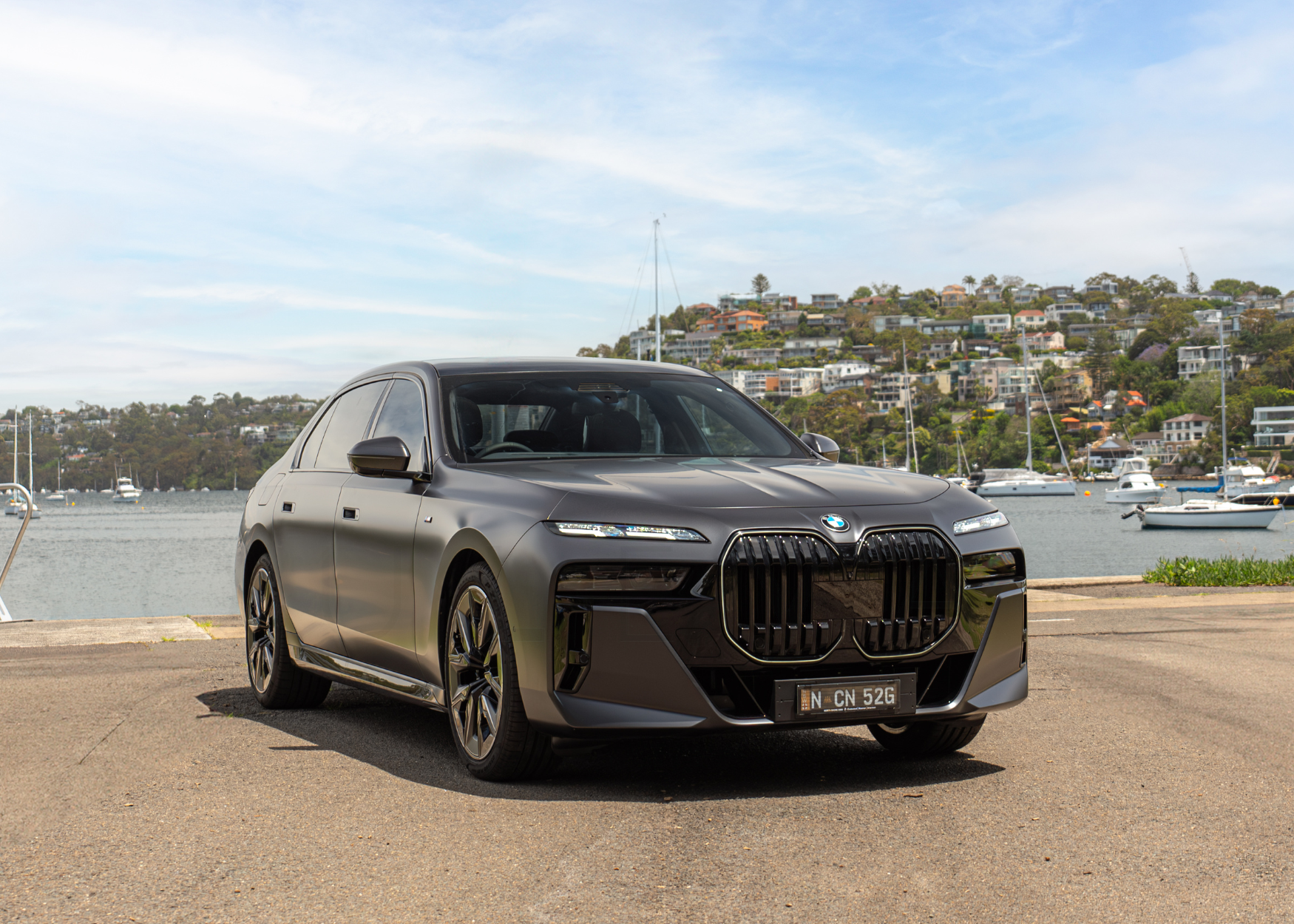
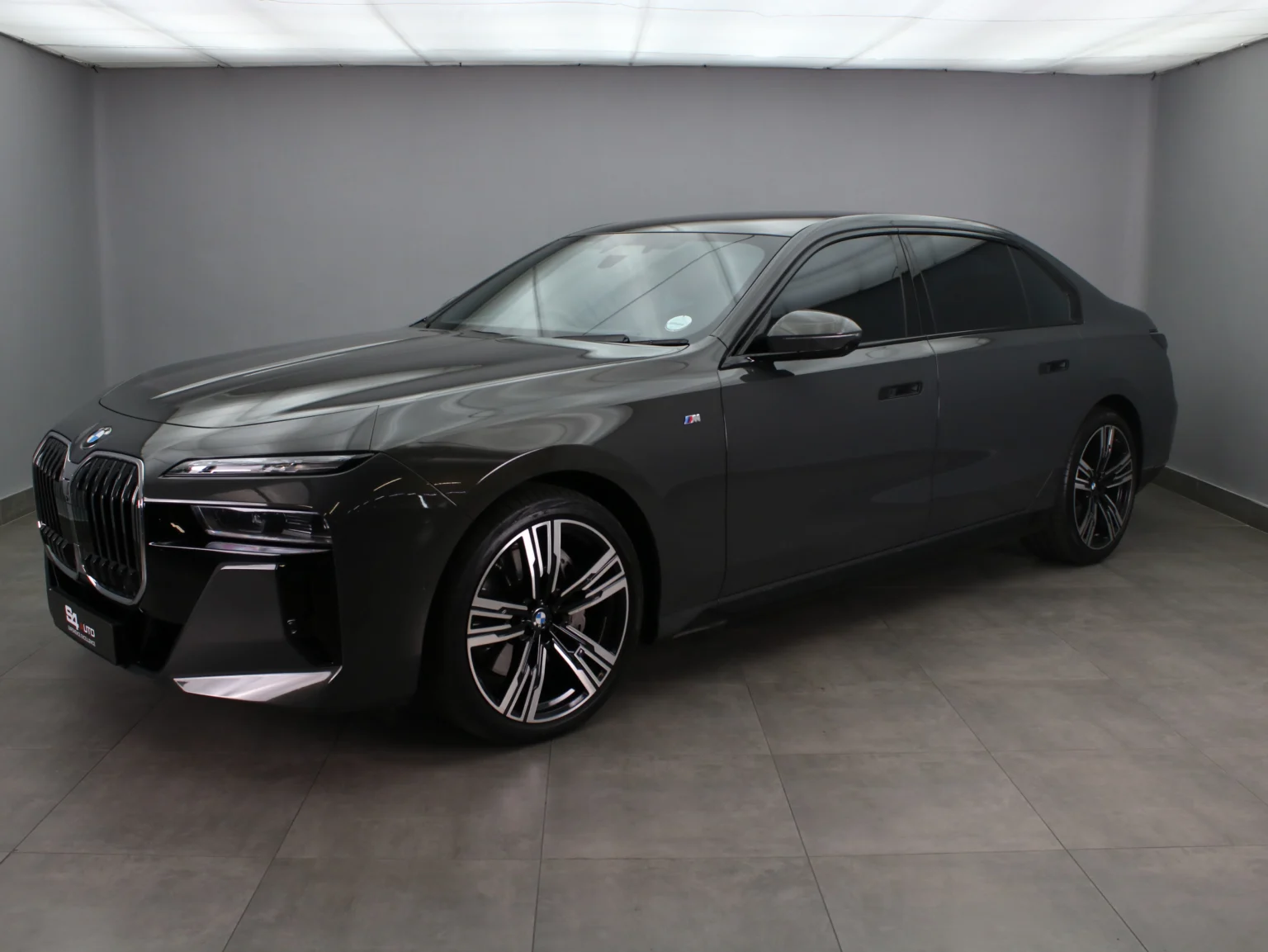
The 2026 BMW 740i is powered by a sophisticated 3.0-liter BMW TwinPower Turbo inline 6-cylinder engine integrated with a 48V mild-hybrid system. This powertrain generates 375 horsepower and 398 lb-ft of torque, enabling the full-size luxury sedan to accelerate from 0 to 60 mph in approximately 5.2 seconds. It balances executive-level refinement with the athletic driving dynamics characteristic of the BMW brand.
The Engineering Behind the 740i Powerplant
At the core of the BMW 740i's performance is the latest iteration of the B58 engine family. This 3.0-liter inline-6 is widely regarded as one of the most versatile and reliable engines in the modern automotive landscape. In the 2026 model year, this engine utilizes a twin-scroll turbocharger, which effectively splits the exhaust pulses into two separate paths to reduce lag and improve throttle response across the entire RPM range.
The integration of 48V mild-hybrid technology is a critical component of the 740i's power specification. Unlike full hybrids, this system uses an electric motor integrated into the eight-speed Steptronic transmission. This motor acts as a starter-generator, providing an "eBoost" function that adds up to 12 horsepower and 147 lb-ft of torque in specific driving situations, such as initial acceleration from a standstill. This technology ensures that the transition of the Auto Start-Stop function is nearly imperceptible while optimizing fuel efficiency during coasting.
Furthermore, the 740i employs BMW’s proprietary Valvetronic fully variable valve timing and Double-VANOS variable camshaft control. These systems work in tandem to optimize the air-fuel mixture, ensuring that the engine breathes efficiently whether the driver is cruising on the highway or demanding maximum power for an overtaking maneuver. The result is a power delivery that feels linear and robust, avoiding the "peaky" sensation often found in smaller turbocharged engines.
Performance Metrics and Real-World Dynamics
While the raw figure of 375 horsepower is impressive for a luxury sedan of this magnitude, the way the 740i translates that power to the pavement defines its character. The 740i typically utilizes a rear-wheel-drive (RWD) configuration, which preserves the traditional steering feel and weight distribution favored by driving enthusiasts. However, in many regions, the xDrive all-inclusive intelligent all-wheel-drive system is available, which enhances traction in adverse weather conditions without significantly compromising the vehicle's agility.
The 0-60 mph sprint of 5.2 seconds puts the 740i in a competitive position within the luxury segment. To achieve these numbers, BMW utilizes a highly optimized launch control system and an eight-speed Steptronic Sport transmission. This gearbox is programmed to deliver rapid, crisp shifts when the vehicle is in "Sport" mode, while remaining buttery smooth in "Comfort" or "Efficient" modes.
Top speed for the BMW 740i is electronically limited. When equipped with all-season tires, the limit is generally set at 130 mph. However, for models equipped with the M Sport package and high-performance summer tires, this limit is often raised to 155 mph. These performance benchmarks are supported by an advanced aerodynamic design, featuring active kidney grille shutters that close to reduce drag when cooling requirements are low.
Chassis Technology and Handling Precision
Performance in a BMW 7 Series is not limited to straight-line speed; it encompasses the vehicle's ability to maintain composure during cornering and high-speed stability. The 740i comes standard with a two-axle air suspension system featuring electronically controlled dampers. This system automatically adjusts the ride height based on the vehicle's speed and load. For instance, at higher speeds, the car lowers itself to improve aerodynamics and lower the center of gravity.
For those seeking enhanced maneuverability, the Integral Active Steering (rear-wheel steering) is a vital specification. At low speeds, the rear wheels turn in the opposite direction to the front wheels, effectively shortening the wheelbase and making the 5.4-meter-long sedan easier to park or navigate through tight city streets. At higher speeds, the rear wheels turn in the same direction as the front wheels, enhancing stability during lane changes.
The braking system of the 740i is designed to handle the thermal loads of a heavy luxury vehicle. Large ventilated discs are standard, often paired with fixed-caliper brakes at the front. The brake-by-wire technology provides a consistent pedal feel, regardless of whether the regenerative braking from the 48V system or the friction brakes are doing the majority of the work.
2026 BMW 740i Technical Specifications Table
The following table summarizes the primary power and performance specifications for the 2026 BMW 740i.
| Specification | Details |
|---|---|
| Engine Type | 3.0L BMW TwinPower Turbo Inline 6-Cylinder |
| Hybrid System | 48V Mild-Hybrid with Integrated Starter-Generator |
| Horsepower | 375 hp @ 5,200 – 6,250 rpm |
| Torque | 398 lb-ft @ 1,850 – 5,000 rpm |
| Transmission | 8-Speed Steptronic Sport Automatic |
| 0-60 mph (approx.) | 5.2 Seconds |
| Top Speed | 130 / 155 mph (Electronically Limited) |
| Drive Type | Rear-Wheel Drive (RWD) / Available xDrive |
| Curb Weight | Approx. 4,700 - 4,850 lbs |
| Fuel Economy (Est.) | 25 City / 31 Highway / 27 Combined MPG |
Efficiency and Environmental Impact
The 740i serves as the efficiency leader for the internal combustion 7 Series lineup. By utilizing the 48V mild-hybrid system, BMW has managed to achieve fuel economy figures that were previously reserved for much smaller vehicles. The system allows the engine to be turned off while decelerating or when stopped, using the stored energy in the 48V battery to power the vehicle's electrical systems, including the climate control and infotainment.
This focus on efficiency does not detract from the "Power of Choice" philosophy BMW maintains. While the i7 offers a fully electric experience, the 740i provides a long-range, high-performance alternative for those who frequently travel long distances or reside in areas with developing charging infrastructures. The 3.0L engine meets the latest stringent emission standards, such as Euro 6e and the EPA Tier 3 requirements, ensuring it remains viable in a changing regulatory landscape.
Historical Context: Evolution of 740i Power
To understand the 2026 740i, one must look at how the model has evolved. In previous generations (such as the E38), the "40i" designation signified a 4.0-liter V8 engine producing roughly 282 horsepower. As BMW transitioned toward turbocharging and higher efficiency, the V8 was replaced by the highly tuned inline-6 we see today.
The current G70 generation, which includes the 2026 model, represents a significant jump in power compared to the previous G11 generation's early 740i models, which produced 320 horsepower. The current 375-horsepower output is actually closer to the V8 outputs of just a decade ago, proving that engine displacement is no longer the sole arbiter of luxury performance. This increase in power has been matched by an increase in vehicle size and technology, necessitating the move to the 48V system to maintain the expected levels of responsiveness.
Practical Considerations for Owners
When considering the performance of a BMW 740i, maintenance and operation are essential factors. The high-precision injection system and turbocharger require high-quality synthetic oil and premium unleaded fuel (91 octane or higher) to maintain peak performance and longevity. Using lower-grade fuel can result in reduced horsepower and potential long-term engine knock issues.
Owners should also be aware of the tire specifications. The performance figures cited—especially top speed and lateral grip—are highly dependent on the rubber. The 740i typically comes with run-flat tires, which provide a safety margin in the event of a puncture but can have different wear characteristics compared to traditional tires. Regular alignment checks are recommended, especially for models equipped with the complex Integral Active Steering system, to ensure the vehicle continues to track straight and true.
Frequently Asked Questions
Is the BMW 740i considered a fast car?
Yes, for a full-size executive sedan, the 740i is quite fast. Its 0-60 mph time of 5.2 seconds allows it to outperform many dedicated sports cars from previous decades. While it is not as quick as the V8-powered 760i or the electric i7 M70, it offers more than enough power for confident highway merging and high-speed cruising.
How does the 48V hybrid system affect driving?
The 48V system is designed to be unobtrusive. Its primary benefits are smoother engine restarts during stop-and-go traffic and a brief torque boost when you accelerate from a stop. You do not need to "charge" the system; it recovers energy through regenerative braking during deceleration.
Does the BMW 740i require premium gasoline?
Yes, BMW recommends premium unleaded fuel for the 740i. The high compression ratio and turbocharging of the 3.0L engine are optimized for higher octane levels. Using regular 87-octane fuel can lead to reduced engine performance, lower fuel economy, and potential damage over time.
What is the difference between the 740i and the 760i xDrive?
The primary difference is the engine. The 740i uses a 3.0L inline-6 (375 hp), whereas the 760i xDrive features a 4.4L V8 (536 hp). The 760i is significantly faster (0-60 in about 4.1 seconds) and comes standard with all-wheel drive, but it is also more expensive and less fuel-efficient than the 740i.
How reliable is the B58 engine in the 740i?
The B58 engine is widely considered one of BMW's most reliable modern engines. It has won numerous "Ward's 10 Best Engines" awards and is used across a wide range of BMW and Toyota (Supra) products. Proper maintenance, including regular oil changes and cooling system inspections, is key to its longevity.
Final Recommendation
The 2026 BMW 740i remains the "sweet spot" in the 7 Series lineup for those who prioritize a balance of power, efficiency, and traditional BMW driving dynamics. While the V8 and electric versions offer more raw speed, the 740i provides a more than adequate 375 horsepower that feels refined and effortless in daily use.
If you are a prospective buyer, the next action should be to test drive both the RWD and xDrive versions to determine if the all-wheel-drive traction is necessary for your climate, as the RWD model offers a slightly purer steering feel. Additionally, ensure you opt for the M Sport Professional Package if you desire the higher 155 mph speed limiter and upgraded braking components.