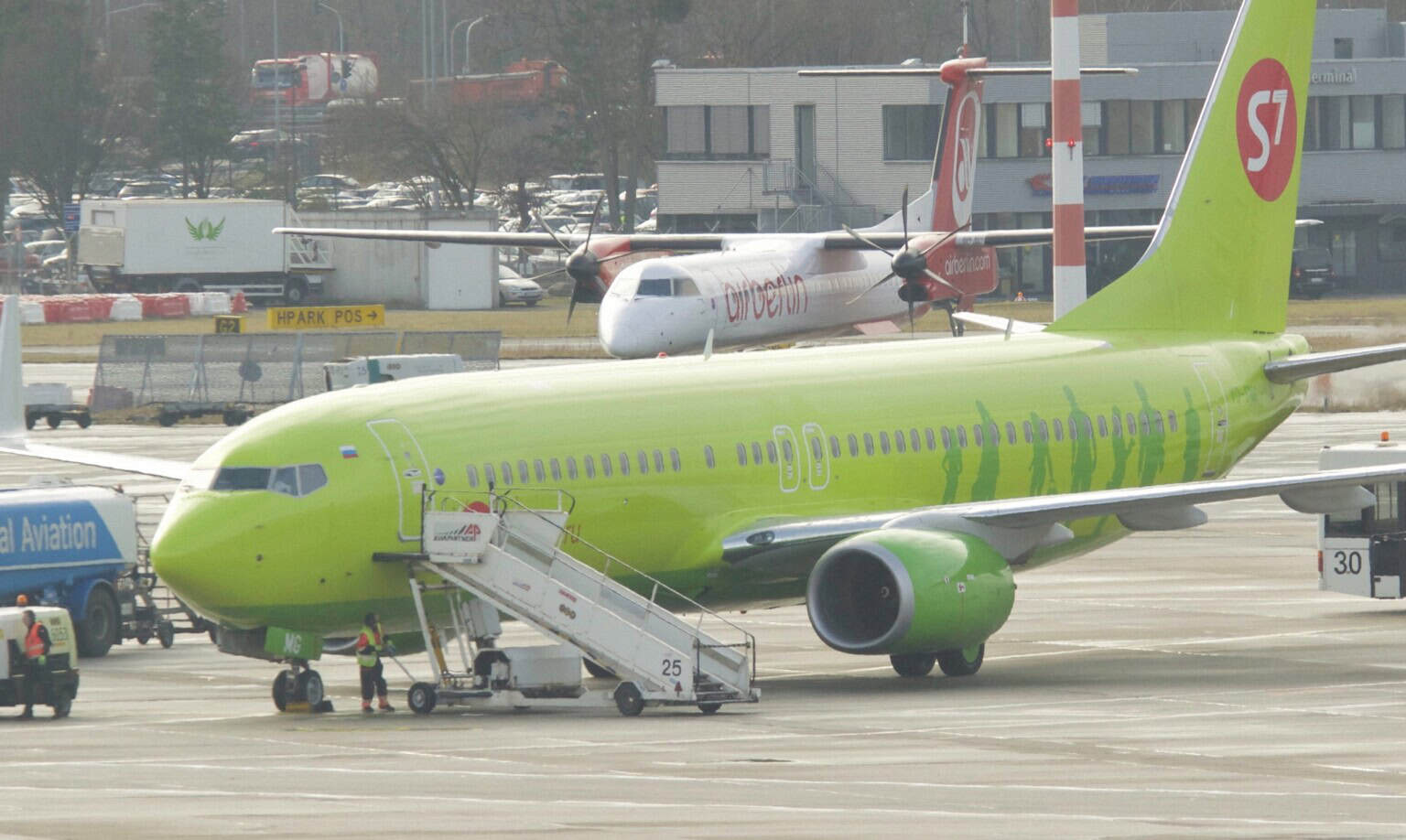
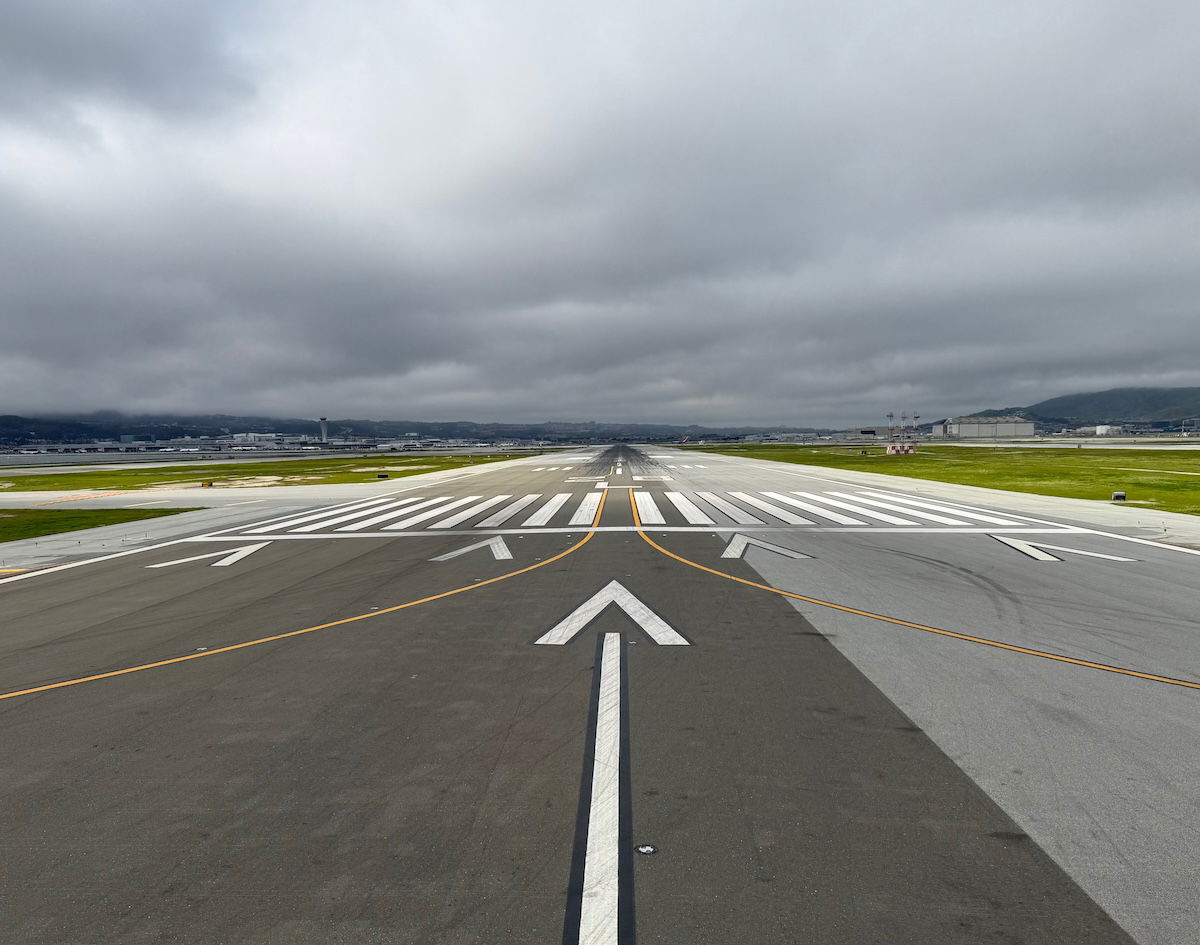
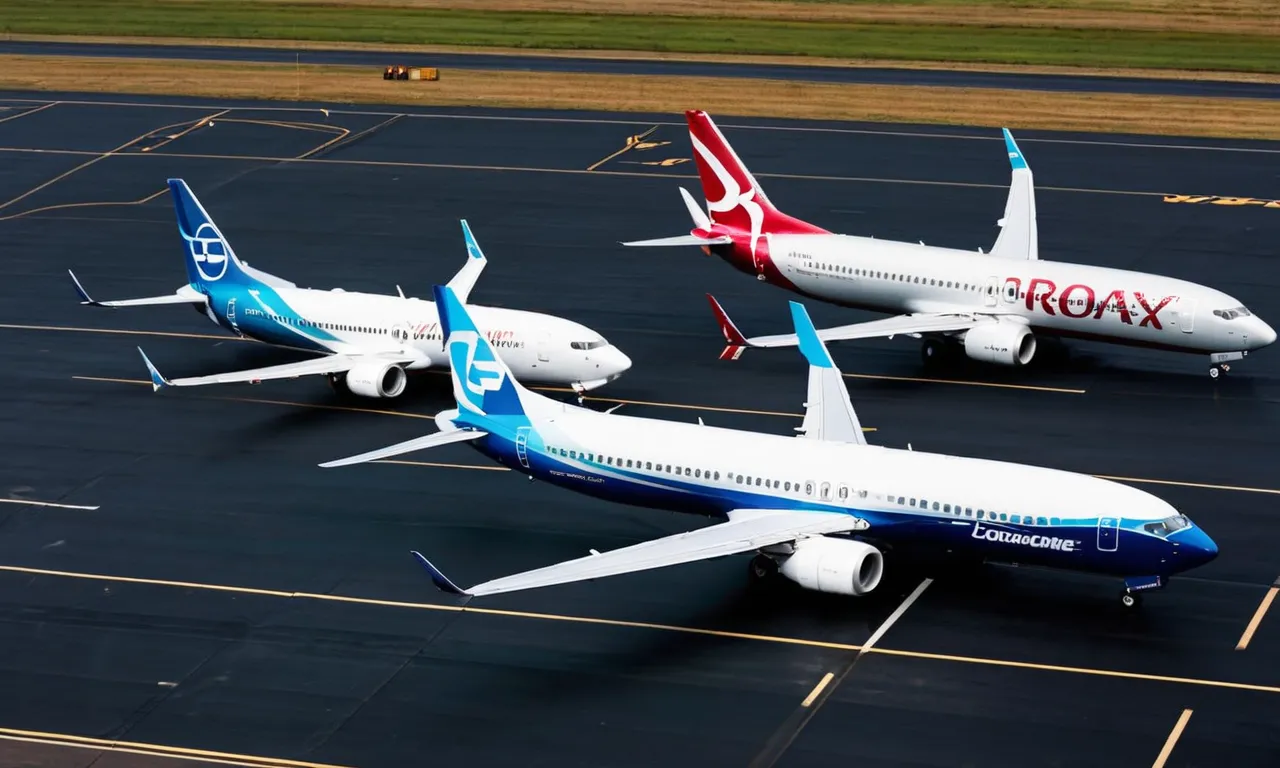
The Boeing 737 generally requires a runway length between 5,000 and 9,000 feet (1,524 to 2,743 meters) for safe operations. The exact distance depends on the specific variant, aircraft weight, air temperature, and airport elevation. While shorter runways are accessible for lighter loads, heavy long-haul flights demand significantly more pavement to ensure safety.
Understanding the Core Variables of 737 Performance
When discussing the runway requirements for a Boeing 737, it is impossible to provide a single, static number. Aviation performance is a dynamic calculation that changes with every flight. In 2026, even with advanced flight management computers and satellite-based navigation, the fundamental physics of lift, thrust, and drag remain the primary governors of how much asphalt a 737 needs.
Aircraft Weight: The Primary Factor
The weight of the aircraft is the most significant variable. This is divided into several categories:
- Operating Empty Weight (OEW): The weight of the plane, crew, and fluids, but no fuel or passengers.
- Zero Fuel Weight (ZFW): The OEW plus the payload (passengers and cargo).
- Maximum Takeoff Weight (MTOW): The absolute maximum weight at which the aircraft is certified to begin its takeoff roll.
A 737-800 departing on a short 45-minute hop with 50 passengers requires significantly less runway than the same aircraft fully loaded for a five-hour transcontinental flight. As weight increases, the wings require a higher airspeed to generate sufficient lift. To reach that higher airspeed, the aircraft must accelerate over a longer distance.
Density Altitude: "Hot and High" Challenges
The "thickness" of the air dictates engine efficiency and wing lift. High temperatures and high airport elevations both result in "thin" air, or high density altitude.
- Elevation: Airports like Denver (KDEN) or Mexico City (MMMX) have much thinner air than sea-level airports like London Heathrow (EGLL).
- Temperature: On a hot summer day, air molecules spread out. This reduces the mass of air entering the jet engines, lowering thrust, and reduces the number of molecules flowing over the wing, lowering lift.
Consequently, a 737 operating in a "hot and high" environment may require 2,000 to 3,000 feet of additional runway compared to its sea-level, cool-weather performance.
Runway Surface and Slope
The physical state of the runway matters immensely. A wet or contaminated runway (ice, slush, or standing water) significantly increases the distance required for both takeoff (in the event of an aborted start) and landing. Furthermore, an uphill slope during takeoff will slow acceleration, requiring more distance, while a downhill slope on landing can increase the rollout distance.
Takeoff Performance: The Balanced Field Length Concept
In commercial aviation, runway requirements are often dictated by the Balanced Field Length (BFL). This is a safety concept used to determine the minimum runway length where, in the event of an engine failure at a critical speed, the pilot has enough room to either stop the aircraft safely or continue the takeoff on the remaining engine and clear an obstacle (the "screen height").
The Importance of V-Speeds
To calculate the BFL, pilots and dispatchers use "V-speeds":
- V1 (Decision Speed): The "point of no return." Below this speed, if a failure occurs, the pilot must abort. Above this speed, the pilot must continue the takeoff, as there is insufficient runway remaining to stop.
- Vr (Rotate Speed): The speed at which the pilot pulls back on the yoke to lift the nose wheel.
- V2 (Takeoff Safety Speed): The minimum speed the aircraft must maintain while climbing with one engine inoperative to ensure adequate climb gradient and obstacle clearance.
If the runway is too short to allow for a "balanced" outcome—meaning there isn't enough room to stop if an engine fails just before V1—the aircraft's weight must be reduced until the requirements are met.
Accelerate-Stop Distance Available (ASDA)
The ASDA is the length of the runway plus any "stopway" (an area beyond the runway capable of supporting the aircraft without causing structural damage). For a 737, the ASDA must be sufficient to accelerate to V1 and then come to a complete stop using maximum braking and spoilers. Note that in most certifications, thrust reversers are not counted toward the required stopping distance for dry runways, providing an extra margin of safety.
Landing Requirements: Stopping the Iron Bird
Landing a 737 is a complex physics problem involving the dissipation of kinetic energy. The Landing Distance Available (LDA) is the length of the runway declared by the airport authorities to be suitable for the ground run of an airplane landing.
Approach Speeds and Flap Settings
The 737 typically uses Flaps 30 or Flaps 40 for landing. A Flaps 40 setting allows for a slower approach speed (Vref), which in turn reduces the energy that must be dissipated on the ground. This is often used on shorter runways. However, higher flap settings create more drag and require more engine power during the approach, which can be a consideration for fuel or noise abatement.
Stopping Mechanisms
Three primary systems work together to stop a 737:
- Wheel Brakes and Autobrakes: These provide the majority of the stopping force. Modern 737s are equipped with carbon brakes and sophisticated anti-skid systems.
- Ground Spoilers: Upon touchdown, panels on top of the wings deploy. These "dump" the lift, putting the full weight of the aircraft onto the wheels to make the brakes more effective.
- Thrust Reversers: These redirect engine exhaust forward. While most effective at high speeds, they help preserve the life of the wheel brakes and provide extra stopping power on slippery runways.
The FAA and EASA require that a commercial aircraft be able to land and stop within 60% of the effective runway length for a dry runway. This "60% rule" ensures a massive safety buffer for pilot error, wind gusts, or mechanical degradation.
Variant-Specific Requirements
The 737 family has evolved over 60 years, and each generation—Original, Classic, Next Generation (NG), and MAX—has different performance characteristics. The 737-700 and MAX 7 are known for excellent short-field performance, while the stretched 737-900ER and MAX 10 require more space.
| 737 Variant | Typical Takeoff Distance (SL, ISA, MTOW) | Typical Landing Distance (SL, MLW) | Best Use Case |
|---|---|---|---|
| 737-700 | ~6,700 ft (2,042 m) | ~4,500 ft (1,372 m) | Short runways / High elevation |
| 737-800 | ~7,600 ft (2,316 m) | ~5,000 ft (1,524 m) | Standard Hub-to-Hub |
| 737-900ER | ~9,100 ft (2,774 m) | ~5,500 ft (1,676 m) | High-capacity trunk routes |
| 737 MAX 8 | ~8,200 ft (2,500 m) | ~5,100 ft (1,554 m) | Modern efficiency / Long range |
| 737 MAX 10 | ~9,500 ft (2,896 m) | ~5,800 ft (1,768 m) | Maximum capacity / Longest runways |
Note: These figures are approximations for standard day conditions (Sea Level, 15°C). Actual operational requirements are calculated per flight based on real-time data.
The "Short Field Performance" (SFP) Package
In the mid-2000s, Boeing developed a "Short Field Performance" (SFP) kit, originally for GOL Airlines in Brazil, which operates out of the famously short Santos Dumont Airport (SDU). This airport has a runway length of only about 4,340 feet (1,323 m).
The SFP package includes:
- Sealed Slats: Reducing the gap between the slats and the wing during takeoff to increase lift.
- Two-Position Tail Skid: Allowing for a higher rotation angle without a tail strike.
- Increased Spoiler Deflection: Providing better aerodynamic braking on touchdown.
- Faster Gear Retraction: Reducing drag more quickly after takeoff.
This package became standard or an option on the Next Generation (-800) and is integrated into the design philosophy of the MAX family, allowing these large jets to serve secondary airports that were previously restricted to smaller regional aircraft.
External Limitations: Pavement Strength (ACN/PCN)
A runway might be 10,000 feet long, but that doesn't mean a 737 can land there. The Pavement Classification Number (PCN) indicates the strength of the runway. Every aircraft has an Aircraft Classification Number (ACN) based on its weight and landing gear configuration.
If the ACN of the 737 (at its current weight) exceeds the PCN of the runway, the aircraft is too heavy for the pavement and could cause structural damage to the runway or taxiways. In 2026, airport authorities use digital monitoring to ensure that heavy 737 MAX 10 operations do not degrade the tarmac of older, regional airports.
Temperature and Altitude: The "Hot and High" Challenge
To illustrate the impact of environment, consider an airport like La Paz, Bolivia (SLLP), which sits at over 13,000 feet. At this altitude, even a 737-700 with an SFP package cannot take off at maximum weight. The engines simply cannot produce enough thrust in the thin air to reach takeoff speed before the runway ends.
In such cases, airlines must "payload-restrict" the flight. This means leaving seats empty or reducing the amount of cargo to lower the aircraft's weight until the calculated takeoff distance fits within the available runway. This is why some flights from high-altitude cities require a refueling stop; they cannot take off with enough fuel to reach a distant destination because the weight would make the takeoff roll too long.
Operational Standards in 2026
As of 2026, the aviation industry has moved toward Dynamic Runway Performance Monitoring. Instead of relying solely on static charts, cockpit tablets (Electronic Flight Bags) are integrated with aircraft sensors to provide real-time updates. If a runway is reported as "slippery" by a previous arrival, the 737’s performance computer automatically updates the required landing distance and adjusts the autobrake settings for the pilots.
Furthermore, the Federal Aviation Administration (FAA) and EASA continue to mandate strict safety margins. For example, the "Runway Safety Area" (RSA) is a defined surface surrounding the runway prepared for those rare instances when an aircraft undershoots, overshoots, or veers off the runway. The presence of a standard RSA is a prerequisite for 737 certification at many commercial airports.
FAQ: 737 Runway Requirements
Can a 737 land on a 4,000-foot runway?
While a 737 can physically land on 4,000 feet under perfect conditions (very light weight, dry runway, sea level), it is not standard for commercial operations. Most regulators require a safety margin that makes 5,000 feet the practical minimum for a 737-700, and even more for larger variants.
Does the 737 MAX require more runway than the 737 NG?
Generally, the 737 MAX 8 and MAX 9 have similar or slightly better takeoff performance than the NG counterparts due to more efficient engines and improved aerodynamics. However, the MAX 10, being the largest 737 ever built, typically requires longer runways than previous generations to accommodate its higher MTOW and higher V-speeds.
How does wind affect runway requirements?
A headwind is a pilot’s best friend. It provides "free" airspeed, allowing the wings to generate lift at a lower ground speed, thus shortening the takeoff and landing roll. Conversely, a tailwind increases the ground speed needed for lift, significantly lengthening the required runway. Most airlines limit 737 operations if the tailwind exceeds 10 or 15 knots.
Why is wet runway performance so much different?
On a wet runway, the friction between the tires and the pavement is reduced. More importantly, the risk of hydroplaning increases. To compensate, the required landing distance is multiplied by a factor (usually 1.15) to ensure the aircraft can stop safely even with reduced braking effectiveness.
What is the "Screen Height"?
The screen height is an imaginary vertical obstacle at the end of the takeoff distance. For a dry runway, the 737 must be at least 35 feet above the ground by the end of the calculated takeoff distance. This ensures that even if an engine fails at V1, the plane can still clear the airport fence and nearby obstacles.
Practical Recommendation for Flight Planning and Evaluation
When evaluating whether a specific airport can handle Boeing 737 operations, always look beyond the simple runway length. Begin by checking the declared distances (TORA, TODA, ASDA, and LDA) in the Airport Diagram or AIP (Aeronautical Information Publication).
Compare these distances against the aircraft’s Performance Manual for the expected temperature and elevation. If the runway is shorter than 6,000 feet, pay close attention to the aircraft's weight and the availability of a Short Field Performance package. For airport planners, ensuring a PCN (Pavement Classification Number) of at least 50 is typically necessary for sustainable 737-800 or MAX operations without premature pavement wear.