Organizing a living or workspace efficiently requires a systematic approach that balances physical storage capacity with daily accessibility. By categorizing belongings, utilizing vertical planes, and implementing consistent maintenance routines, you can reclaim lost floor area, reduce visual clutter, and create a functional environment that supports both productivity and personal well-being.
Assessing Your Needs Before Starting
Before purchasing storage containers or rearranging furniture, you must first conduct a thorough audit of your space and the items within it. Efficient organization is not merely about hiding items; it is about establishing a logical flow that reflects how you interact with your environment.
Begin by identifying the "zones" of your room. A workspace, for instance, requires a primary zone for active tasks, a secondary zone for reference materials, and a tertiary zone for long-term storage. Mapping these out prevents the common mistake of storing frequently used items in inaccessible areas. As you evaluate your inventory, categorize items into three groups: daily essentials, occasional tools, and seasonal or archival belongings. This audit provides the necessary data to determine how much storage hardware you actually require, preventing the acquisition of unnecessary furniture that can further crowd a limited space.
1. Implement Vertical Storage Solutions
When floor space is limited, the most effective strategy is to transition your organizational system from the ground to the walls. Vertical storage maximizes the square footage of any room by utilizing the under-exploited area above eye level.
Install modular shelving units that extend toward the ceiling. By drawing the eye upward, you create an illusion of increased height while effectively housing books, decorative items, or rarely used equipment. Consider wall-mounted tracks or pegboards for workshops or kitchens, which allow for a highly customizable layout. Ensure that heavier items are stored at or below waist level for safety, while lighter or less-frequently accessed items occupy the higher reaches of your wall space. When anchoring shelving to drywall, always locate wall studs to ensure the structural integrity of your installation.
2. Optimize Internal Storage with Drawer Dividers
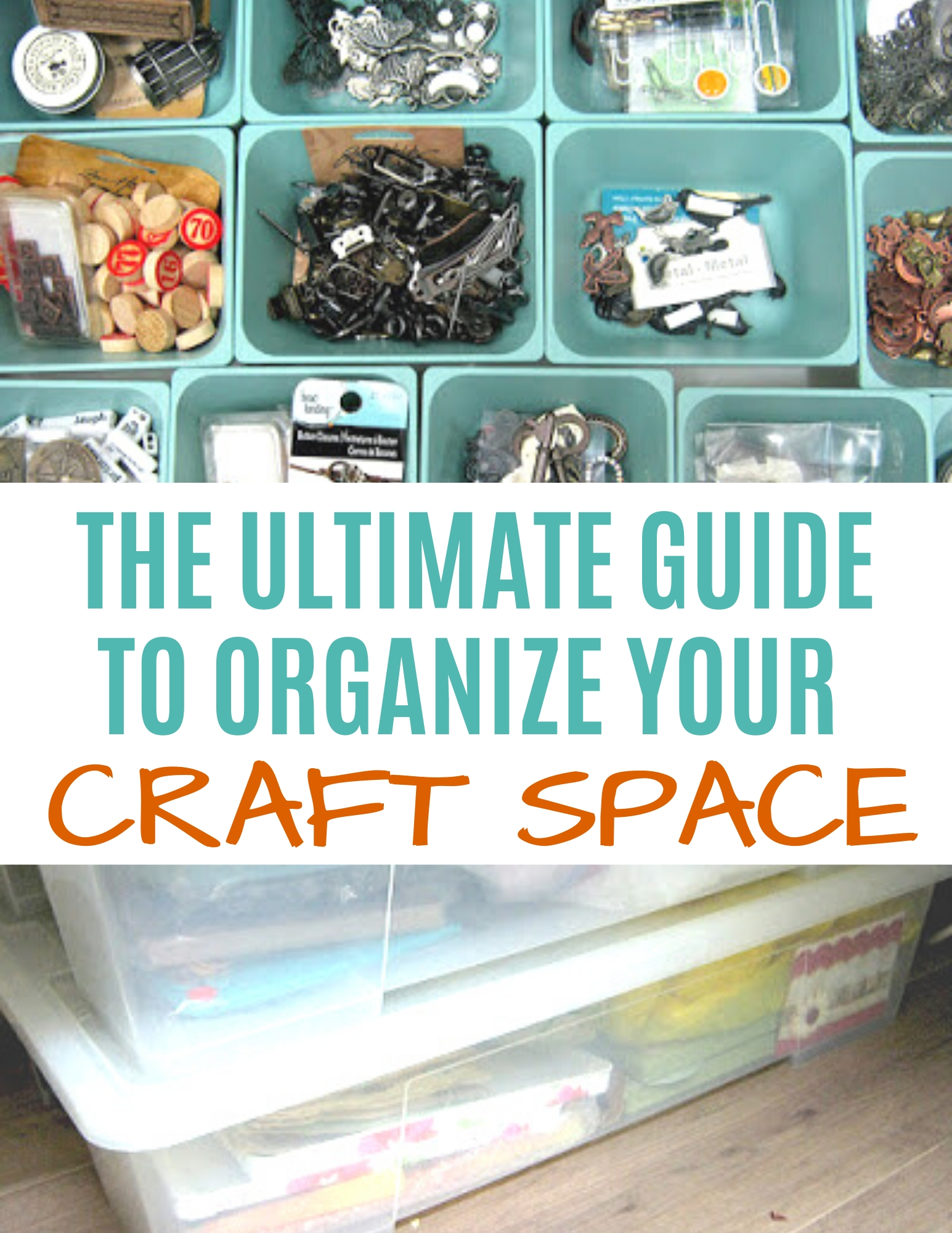
A common pitfall in home organization is the "junk drawer" phenomenon, where items are tossed into containers without structure, leading to wasted space and frustration. Drawer dividers act as a rigid organizational framework, forcing an order upon small, loose items.
Dividers allow you to assign a specific, permanent home to every object. This method creates a visual hierarchy: when you open a drawer, the clear separation of items allows for immediate identification. For deeper drawers, consider tiered or stackable trays. These provide multiple levels of storage, doubling the utility of a single drawer depth. When selecting dividers, measure the interior dimensions of your drawers precisely, accounting for the mechanical slides or hinges that might impede a flush fit.
3. Standardize Storage Containers
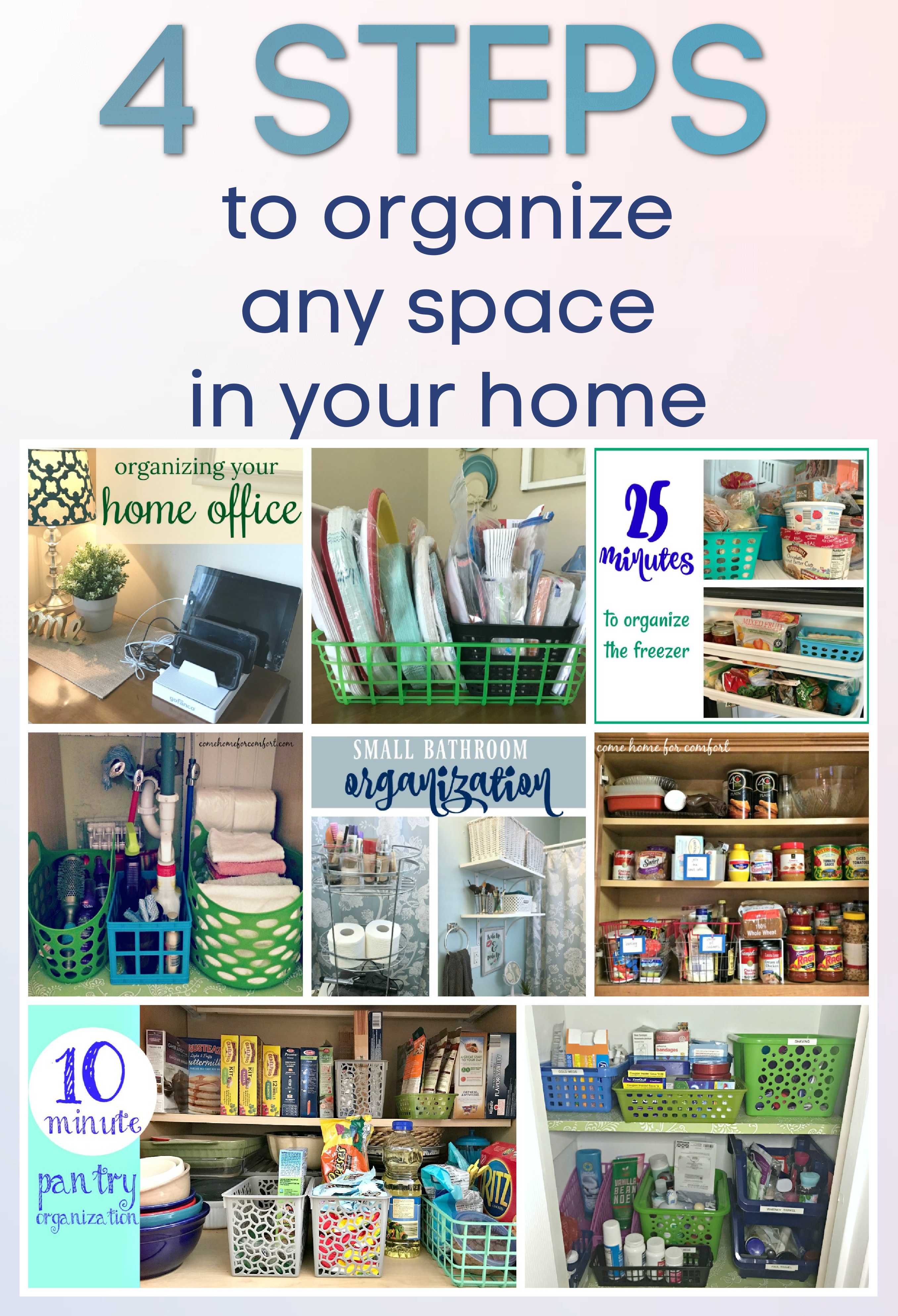
Visual noise often stems from mismatched packaging, various shapes, and clashing colors. Standardizing your storage containers—using clear bins for visibility or uniform baskets for aesthetic consistency—is a core tenet of efficient space management.
Clear plastic bins are ideal for closets or garages where identifying contents quickly is vital. Uniform woven or fabric bins are better suited for living areas where aesthetic cohesion is prioritized. The key is to select containers that fit the physical dimensions of your shelves perfectly. If you have a shelf that is 12 inches deep, a 14-inch bin will force the shelf to look messy and disorganized. By creating a uniform look, you reduce the brain’s processing load, making the room feel larger and more serene.
4. Master the Art of Subtraction
Organization is 50 percent acquisition of storage tools and 50 percent reduction of excess inventory. Even the most advanced storage system cannot compensate for a lack of space if you are retaining items that no longer serve a purpose.
Adopt a periodic review cycle for your possessions. For items used less than once a year, evaluate if they are truly necessary. This process is particularly critical in small apartments or homes where every cubic foot of storage has a high opportunity cost. When evaluating an item for removal, ask whether it serves a functional requirement or provides significant emotional value. If the answer is neither, the item is occupying space that could be used for something that actually contributes to your daily efficiency.
5. Utilize Hidden and Multi-Functional Furniture
In 2026, the market for furniture designed for high-density living has matured significantly, offering pieces that serve dual roles. Selecting furniture with internal storage capacity is a powerful way to organize a space without needing additional shelving units.
Look for beds with built-in drawers underneath the frame, ottomans that double as trunks, or desks that feature fold-away compartments. These items function as "hidden" storage. By keeping blankets, linens, or documents inside your furniture, you keep the room’s surfaces clear. This is essential for maintaining a sense of openness in smaller footprints. When choosing these pieces, verify that the storage mechanism is easy to operate; if accessing the storage is overly complicated, you will eventually cease to use it, and the space will become a graveyard for forgotten items.
6. Define "Landing Strips" for Daily Items
Clutter often accumulates because items have no designated "home" when they are not in active use. Create a "landing strip" in high-traffic areas, such as the entryway or near the primary desk, to capture the items that enter and leave your home daily.
A landing strip typically consists of a small tray for keys, a hook for bags, and a dedicated surface for mail or incoming documents. By creating a physical anchor for these items, you prevent the migration of clutter to kitchen counters, dining tables, or bedroom floors. The goal is to make the act of putting an item away easier than the act of leaving it out. If your landing strip is poorly positioned or difficult to access, you will naturally bypass it.
7. Establish a Consistent Maintenance Routine
Organization is not a static event; it is a dynamic process. Without maintenance, even a perfectly organized room will revert to its original state within weeks. Establish a "reset" routine that takes place at the end of each day.
This reset should take no longer than five to ten minutes. It involves returning loose items to their designated containers, clearing the landing strip, and checking that the organizational systems you put in place remain functional. If you find that a specific container is constantly overflowing or that a drawer is consistently messy, it is an indicator that your system requires adjustment. Treat these moments of re-organization as troubleshooting sessions rather than failures.
Organizational Strategy Comparison Table
| Strategy | Best For | Requirement | Impact on Space |
|---|---|---|---|
| Vertical Shelving | Small footprint | Wall access/Studs | High (reclaims floor) |
| Drawer Dividers | Desktop/Kitchen | Exact measurements | Medium (improves speed) |
| Standardized Bins | Closets/Basement | Storage hardware | High (visual order) |
| Multi-functional Furniture | Shared living areas | Initial investment | High (dual purpose) |
Frequently Asked Questions
How do I decide what to keep and what to discard?
Focus on utility and frequency. If you have not used an item in over a year and it does not hold significant sentimental or historical value, it is likely a candidate for removal. If an item is replaceable for a low cost, you may be better off discarding it and re-acquiring it only if the need arises.
Are clear bins always better than opaque ones?
Clear bins are superior for storage areas like pantries or garages where rapid visual identification saves time. Opaque bins are better for living areas where you want to conceal the contents to maintain a cleaner aesthetic. Use clear bins for inventory management and opaque bins for visual harmony.
How can I organize a small closet without a renovation?
Use vertical door-hanging organizers for shoes or accessories and install additional tension rods to create secondary hanging tiers. Replace bulky plastic hangers with slim, non-slip velvet hangers to gain up to 30 percent more horizontal closet space without building custom shelving.
What is the best way to handle paper clutter?
The best approach is to stop paper from accumulating by digitizing documents immediately. If you must keep physical paper, create a "pending" file for active items and a "filing" cabinet for long-term records. Never allow mail to sit on surfaces; sort it directly over a recycling bin the moment it enters your home.
How often should I audit my organizational systems?
Perform a light audit of your systems during seasonal transitions—roughly every three to four months. Use these times to rotate seasonal items into storage and ensure that the placement of your daily-use items still aligns with your current lifestyle or work habits.
What should I do if my living space is too small for furniture?
If furniture is not an option, leverage wall-mounted systems that attach directly to structural supports. Utilize the backs of doors and the space above door frames for shelving. The goal is to occupy volume that is currently empty, such as the space above desks or near ceilings, rather than the footprint occupied by your feet.
Recommendation for Immediate Action
Start by identifying your most cluttered area—usually a drawer, a desktop, or an entryway surface. Dedicate one hour this weekend to empty that specific space entirely. Categorize the items, discard trash, and install a simple, low-cost divider or tray system before returning only the items that truly belong in that location. Moving from the smallest, most annoying area first provides the momentum needed to tackle larger organizational projects.