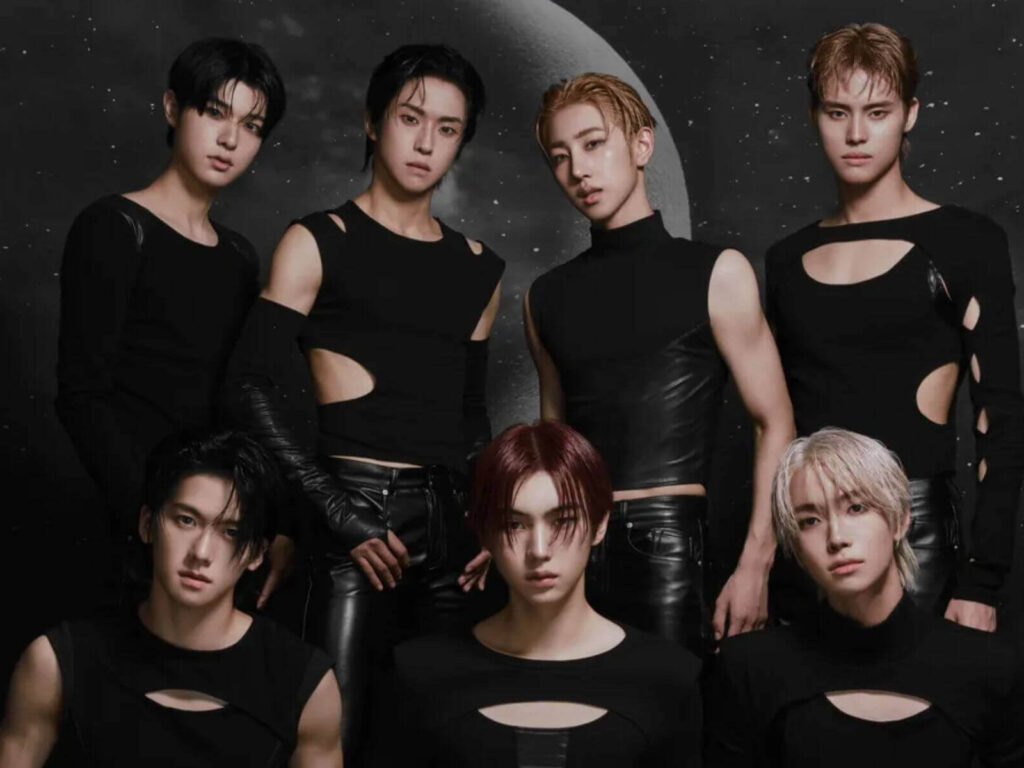
The Myers-Briggs Type Indicator (MBTI) profiles of NCT 127 members reveal seven distinct personality types across the group, ranging from analytical Analysts to empathetic Diplomats, illustrating how diverse cognitive preferences influence their dynamic team synergy, musical coordination, and distinct interpersonal dynamics.
Introduction to MBTI in K-Pop: The Framework of NCT 127
The Myers-Briggs Type Indicator has become a prominent cultural shorthand in the South Korean entertainment industry, providing fans and idols alike with a structured vocabulary to discuss behavior, communication styles, and working preferences. Within SM Entertainment's multi-national neo-culture technology group NCT, and specifically its fixed Seoul-based unit NCT 127, understanding these psychological profiles offers fascinating context into how different individuals navigate the demanding environment of global pop stardom.
An MBTI profile categorizes individuals across four binary dichotomies: Extraversion (E) versus Introversion (I), Sensing (S) versus Intuition (N), Thinking (T) versus Feeling (F), and Judging (J) versus Perceiving (P). When combined, these form 16 distinct personality types. Despite the group's massive scale and revolving collaborative unit structures, the active members of NCT 127 collectively span seven unique MBTI classifications. This distribution creates a rich ecosystem of cognitive approaches, balancing structured organization with creative spontaneity, quiet introspection with high-energy social engagement, and logical problem-solving with deeply empathetic emotional support.
Analyzing these seven types requires looking beyond superficial variety to examine how cognitive functions manifest during variety show appearances, behind-the-scenes recording sessions, and intense choreographic rehearsals. By exploring these profiles, observers can better appreciate the invisible mechanics that keep a complex, multi-member powerhouse operating smoothly under pressure.
Understanding the Cognitive Dichotomies Within the Group
Before examining the specific types represented in NCT 127, it is helpful to understand the underlying distributions of cognitive preferences that characterize the lineup. The group features a notable blend of extroverted performers who thrive on external stimulation and introverted members who process thoughts internally before sharing them with the public.
In terms of information gathering, the members lean into both Sensing and Intuition. Sensing-dominant members typically focus on concrete details, physical coordination, and immediate realities—traits crucial for learning complex, synchronized choreography down to the millisecond. Conversely, Intuitive-dominant members frequently look at broader conceptual frameworks, envisioning artistic concepts, lyrical interpretations, and future directions for their music.
Decision-making functions within the group showcase an interesting tension between Thinking and Feeling preferences. While logic-driven members help streamline group decisions, scheduling, and technical execution, feeling-driven members prioritize interpersonal harmony, emotional validation, and collective morale. Finally, the interplay between Judging and Perceiving preferences dictates how members manage structure versus flexibility, influencing everything from living arrangements in their dorms to how they adapt to sudden schedule changes during international world tours.
The 7 MBTI Types Represented in NCT 127
To map out the psychological landscape of NCT 127 accurately, it is necessary to examine each of the seven MBTI types present among the members, noting how these classifications influence their public personas and collaborative work.
| Member Name | MBTI Type | Primary Cognitive Style | Key Behavioral Characteristics |
|---|---|---|---|
| Johnny | ENFP | Campaigner | Enthusiastic, imaginative, highly sociable, and spontaneous. |
| Taeyong | ENFP / INFJ* | Mediator / Campaigner | Deeply empathetic, visionary, perfectionistic, and reflective. |
| Yuta | INFP | Mediator | Idealistic, deeply creative, loyal, and quietly expressive. |
| Doyoung | ISFJ | Defender | Reliable, observant, protective, and detail-oriented. |
| Jaehyun | ESFP | Entertainer | Spontaneous, energetic, warm, and highly adaptable. |
| Jungwoo | INFJ | Advocate | Insightful, principled, quiet yet playful, and deeply intuitive. |
| Mark | INFJ | Advocate | Driven, introspective, conscientious, and conceptual. |
| Haechan | ENFP | Campaigner | Witty, expressive, free-spirited, and emotionally perceptive. |
*Note: MBTI classifications in K-pop are dynamic and occasionally updated by members themselves through official self-assessments or variety content. Taeyong, for instance, has noted shifts in his self-reported indicators over time, reflecting personal growth and changing situational demands.
1. ENFP (The Campaigner): Johnny, Haechan, and Taeyong
The ENFP type is characterized by boundless enthusiasm, creative energy, and a natural ability to connect with diverse groups of people. In NCT 127, members like Johnny and Haechan embody the classic traits of this profile. Johnny utilizes his ENFP traits to act as a natural host and social anchor, easing tensions during interviews and international promotional events with effortless wit. Haechan leverages his intuitive and perceiving nature to read room dynamics instantly, maintaining high comedic energy and morale among his peers.
2. INFJ (The Advocate / Mediator): Jungwoo, Mark, and Taeyong
Represented by Jungwoo, Mark, and frequently noted by Taeyong, the INFJ profile brings a unique blend of idealism, quiet determination, and profound empathy to the group. INFJs are known for holding themselves to rigorous internal standards. Mark, who juggles responsibilities across multiple NCT units alongside NCT 127, exhibits the tireless work ethic and conceptual focus typical of this type. Jungwoo balances a gentle, nurturing demeanor with sudden bursts of playful intuition, while Taeyong channels his INFJ depth into conceptualizing choreography, visual storytelling, and caring for younger members as a dedicated leader.
3. INFP (The Mediator): Yuta
Yuta’s alignment with the INFP personality type manifests in his deep appreciation for artistry, quiet introspection, and fierce loyalty to his inner circle. INFPs are guided by a strong core of personal values and a rich internal emotional landscape. Within NCT 127, Yuta often exhibits a calm, grounded presence, preferring genuine, profound connections over superficial interactions. His creative expression on stage and in interviews reflects an imaginative spirit that values authenticity above all else.
4. ISFJ (The Defender): Doyoung
As an ISFJ, Doyoung serves as a cornerstone of practical reliability and emotional stability within the group. ISFJs are known for their observant nature, meticulous attention to detail, and protective instincts toward their loved ones. Doyoung frequently takes on a supportive, managerial role during group activities, ensuring that schedules run smoothly, members are cared for, and vocal performances maintain rigorous standards. His commitment to duty and practical problem-solving makes him an indispensable pillar of NCT 127's operational success.
5. ESFP (The Entertainer): Jaehyun
Jaehyun embodies the vibrant, adaptable, and warm characteristics of the ESFP personality type. ESFPs thrive in sensory-rich environments and possess a natural charisma that draws people in without requiring forced effort. Jaehyun’s stage presence, combined with his calm and easygoing demeanor off-camera, highlights the balance of high energy and grounded relaxation typical of this profile. He navigates unexpected situations with grace and maintains a positive, harmonious atmosphere wherever he goes.
How Personality Diversity Drives Team Synergy
The coexistence of seven distinct MBTI types within a single musical unit is not merely a piece of trivia; it is a vital operational advantage. Group dynamics in a high-performance pop group require a careful division of labor, both musically and socially.
When preparing for complex comebacks, such as multi-layered studio albums or exhausting world tours, different cognitive types contribute specialized strengths:
- The Structured Organizers (ISFJ): Keep track of practical schedules, logistical details, and physical well-being.
- The Visionary Leaders (INFJ, ENFP): Help shape the conceptual identity of the group, inspiring fresh artistic directions and keeping morale high through turbulent promotional cycles.
- The Adaptable Performers (ESFP, ENFP): Inject spontaneity and high energy into variety content, live performances, and fan interactions.
- The Reflective Creators (INFP): Anchor the group's emotional depth, ensuring that the music remains resonant and authentic.
This functional diversity prevents groupthink. When creative disagreements arise over choreography execution, vocal arrangements, or promotional concepts, the mix of Thinking and Feeling preferences allows the members to balance logical efficiency with emotional consideration, resulting in consensus-driven solutions.
Common Misconceptions About Idol MBTI Profiles
As psychological typology has gained mainstream popularity, fans and commentators occasionally fall into certain analytical traps when evaluating NCT 127 members based on their MBTI results. Recognizing these common misunderstandings ensures a more accurate appreciation of human personality.
First, an MBTI type is not a rigid box that dictates every action a person takes. Members with the same classification—such as the multiple ENFPs or INFJs in the group—express their traits in vastly different ways depending on their individual life experiences, cultural backgrounds, and personal growth. For example, while both Mark and Jungwoo share INFJ indicators, their outward communication styles and roles within the team differ significantly.
Second, psychological profiles are not static. K-pop idols frequently retake these tests as they mature through their careers, and shifts from Introversion to Extraversion or Thinking to Feeling are entirely normal. These changes reflect adaptation to the unique demands of the entertainment industry, where members must constantly learn new interpersonal skills, manage public scrutiny, and adapt to shifting professional responsibilities. Viewing these types as fluid guidelines rather than absolute biological certainties offers a much truer picture of the members as complex individuals.
Practical Insights for Fans and Observers
For followers of NCT 127 seeking to apply these psychological insights to their enjoyment of the group's content, several approaches can deepen appreciation:
- Contextualize Variety Content: Recognize that quieter moments from introverted members like Yuta or Doyoung stem from internal processing rather than disinterest, while the high energy of members like Haechan and Johnny reflects their natural extraverted processing style.
- Appreciate Collaborative Roles: Notice how the meticulous nature of ISFJs complements the visionary impulses of INFJs and ENFPs during documentary footage and behind-the-scenes recording sessions.
- Respect Personal Boundaries: Understand that public personas represent only a fraction of an idol's full psychological profile, and MBTI types should be used as a fun framework for connection rather than an invasive diagnostic tool.
By looking at NCT 127 through the lens of their diverse psychological types, fans gain a richer, more empathetic understanding of the teamwork, compromise, and mutual respect required to sustain a world-class musical act.