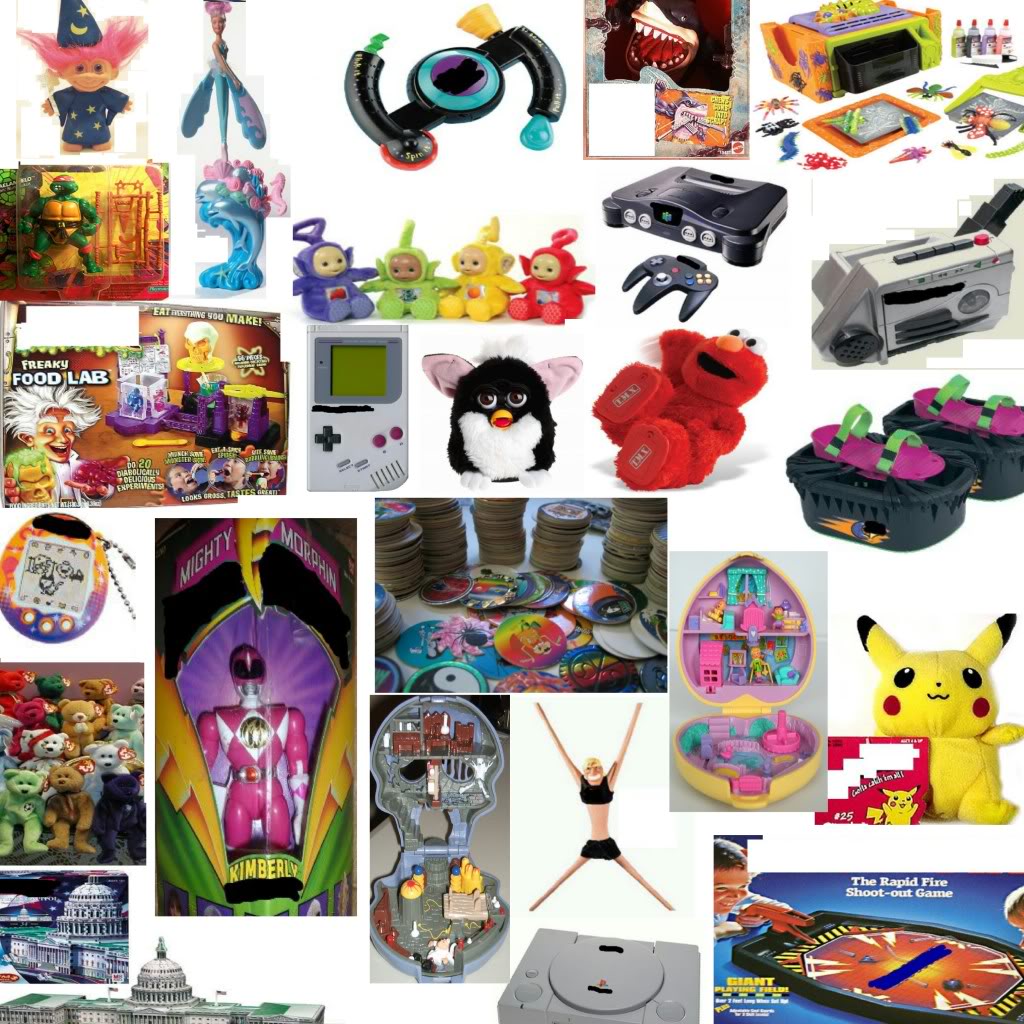
The 1990s was a transformative era for the toy industry, bridging the gap between traditional mechanical playthings and the dawn of interactive, digital entertainment. Driven by technological advancements in microchips, clever marketing, and pop culture phenomena, manufacturers produced iconic items that captured the imaginations of children worldwide. Examining the cultural footprint, mechanical innovation, and enduring legacy of these playthings reveals why certain products transcend their original release windows to become cultural touchstones.
The Evolution of Play in the 1990s
Before examining individual products, it is essential to understand the shifting landscape of childhood recreation during this period. The early part of the decade still relied heavily on physical dexterity, collectibility, and imaginative roleplay rooted in television and movie franchises.
As the decade progressed, digital integration began to take root. Microprocessors became cheap enough to power handheld virtual pets, while engineering breakthroughs allowed plush toys to respond to external stimuli like sound and touch. This hybrid approach—combining tactile comfort with digital interactivity—created a new paradigm in toy design. Parents, educators, and manufacturers noticed a distinct shift toward toys that demanded continuous interaction, fostering a sense of responsibility and engagement that set the 1990s apart from previous generations.
1. Tamagotchi (1996)
Introduced by Bandai in Japan in 1996 and released globally in 1997, the Tamagotchi revolutionized handheld digital entertainment. Encased in a small, egg-shaped plastic shell with a monochrome LCD screen and three simple buttons, this pocket-sized virtual pet required constant attention to survive from egg to adulthood.
| Feature | Specification / Detail |
|---|---|
| Manufacturer | Bandai |
| Release Year | 1996 (Japan), 1997 (Worldwide) |
| Core Mechanic | Digital pet feeding, discipline, and cleaning |
| Power Source | CR2032 or LR44 coin cell battery |
The primary appeal lay in the emotional attachment users developed with their pixelated companions. Players had to feed their pet, clean up after it, administer medicine when sick, and discipline it when it misbehaved. Neglecting these duties resulted in the pet's untimely virtual demise, teaching children lessons in accountability. The cultural impact was immediate; schools worldwide banned the devices due to distractions, and secondary market prices surged as demand vastly outstripped supply.
2. Beanie Babies (1993)
Created by Ty Warner and launched in late 1993, Beanie Babies transformed the plush toy market into a full-scale economic phenomenon. Unlike traditional stuffed animals packed with dense cotton, Beanie Babies were filled with polyethylene pellets—commonly known as plastic beans—which gave them a flexible, poseable quality that allowed them to sit in various positions.
The genius of the Beanie Baby craze was twofold: artificial scarcity and the heart-shaped red tag containing the toy's name, birthdate, and a rhyming poem. Ty Warner retired specific designs abruptly, creating an unprecedented collector mindset among both children and adults. People began treating plush toys as financial investments, tracking market values in price guides and organizing conventions. While the speculative bubble burst at the turn of the century, the initial craze permanently altered how manufacturers marketed collectibles.
3. Tickle Me Elmo (1996)
When Tyco Toys released Tickle Me Elmo in November 1996, it sparked the most frantic holiday shopping frenzy in retail history. Based on the beloved Muppet character from Sesame Street, the plush toy utilized internal touch sensors and a motorized laugh box.
When a user squeezed Elmo once, he giggled. Squeezing him a second and third time triggered escalating fits of laughter and uncontrollable shaking, culminating in a breathless "Oh, boy!" The technology behind the toy was deceptively simple, but the comedic timing of the audio playback combined with Elmo's existing popularity created an irresistible product. Fights broke out in department store aisles, and scalpers commanded exorbitant sums, cementing Tickle Me Elmo as the defining holiday toy of the decade.
4. Nintendo Game Boy Color (1998)
While Nintendo originally launched the monochrome Game Boy in 1989, the introduction of the Game Boy Color in 1998 breathed new life into the eighth-generation handheld gaming market. Retaining backward compatibility with the vast library of original Game Boy cartridges, the Color iteration introduced an 8-bit reflective LCD screen capable of displaying up to 56 simultaneous colors out of a palette of 32,768.
The device revolutionized portable gaming by eliminating the muddy gray tones of its predecessor while maintaining exceptional battery efficiency—running for hours on just two AA batteries. Paired with cultural phenomenons like Pokémon Red and Blue, the Game Boy Color solidified handheld gaming as a mainstream media format, paving the way for modern mobile gaming ecosystems.
5. Furby (1998)
Developed by Tiger Electronics and released in late 1998, Furby was an animatronic marvel that captured the public's fascination with artificial intelligence. Looking like a cross between an owl and a gremlin, Furby possessed motorized eyes, ears, and a beak, alongside infrared sensors that allowed it to interact with its environment and other Furbies.
Furby's standout feature was its language progression. It started speaking entirely in "Furbish," a fictional language, but gradually incorporated English words and phrases into its vocabulary as users interacted with it more. This programmed learning gave the illusion that the toy was genuinely adapting to its owner. Security concerns arose when offices and military installations briefly banned Furbies, erroneously believing the toys could record and transmit classified conversations—a testament to how convincing the animatronic illusion truly was.
6. Super Soaker 50 (1990)
The water gun market changed forever in 1990 with the introduction of the Super Soaker 50, designed by nuclear engineer Lonnie Johnson. Utilizing pressurized air mechanics rather than simple trigger-pump action, the Super Soaker introduced pneumatic technology to backyard water warfare.
| Feature | Specification / Detail |
|---|---|
| Inventor | Lonnie Johnson |
| Release Year | 1990 |
| Mechanism | Air pressure pump, manual reservoir |
| Performance | Stream range up to 50 feet |
Users pumped air into a secondary chamber to build high pressure before pulling the trigger, releasing a forceful, straight stream of water that could travel up to 50 feet. This dramatic leap in capability transformed neighborhood water fights into tactical skirmishes and launched an entire product line that dominated summertime recreation throughout the decade.
7. Pokémon Trading Card Game (1999)
Following the explosive success of the Game Boy role-playing games, Wizards of the Coast published the English-language edition of the Pokémon Trading Card Game in 1999. The game combined strategic turn-based card battles with the compulsive thrill of collecting characters based on their rarity, foil finishes, and combat utility.
Schools across the globe became trading hubs as children swapped cards on playgrounds, establishing a complex social economy. The game required basic math, tactical foresight, and reading comprehension, which helped alleviate some parental concerns over screen time and passive entertainment. Today, original 1999 base set cards remain some of the most sought-after collector items in the hobbyist market.
Comparative Overview of Iconic 90s Playthings
To understand the diversity of play during this era, the following table compares key aspects of these seven defining items:
| Toy Name | Primary Release Year | Core Technology | Primary Engagement Type |
|---|---|---|---|
| Tamagotchi | 1996 | Digital LCD Microchip | Digital nurturing and accountability |
| Beanie Babies | 1993 | Plush with Polyethylene Pellets | Collectibility and tactile comfort |
| Tickle Me Elmo | 1996 | Motorized Audio Box & Touch Sensors | Auditory feedback and physical interaction |
| Game Boy Color | 1998 | 8-bit Reflective LCD & Cartridge | Interactive portable video gaming |
| Furby | 1998 | Animatronic Motors & IR Sensors | Simulated learning and behavioral response |
| Super Soaker 50 | 1990 | Pneumatic Air Pressure Chambers | Active outdoor physical play |
| Pokémon TCG | 1999 | Cardboard Print & Foil Stamping | Strategic gameplay and collection |
Frequently Asked Questions
Why did 90s toys become so valuable to collectors today?
Many toys from this era benefit from a combination of artificial scarcity, pristine packaging preservation, and intense nostalgia driven by adults who grew up during the decade. Items like first-edition Pokémon cards and rare Beanie Babies retain value because they represent a specific cultural peak in manufacturing and collectibility.
Are original 90s Tamagotchis still playable today?
Original units can still function if fitted with a fresh coin cell battery, though vintage electronics often suffer from screen degradation, battery acid corrosion on contact points, and speaker failure over decades of storage. Bandai has also released periodic anniversary re-editions for contemporary collectors.
Who invented the Super Soaker?
The Super Soaker was invented by Lonnie Johnson, an aerospace and nuclear engineer who previously worked on the Galileo and Cassini space missions. He conceived the pressurized water delivery system while conducting research on heat pump technology.
How did Furby learn new words?
Furby did not actually possess advanced artificial intelligence or speech recognition. Instead, its internal microprocessor was programmed to transition from speaking Furbish to English on a fixed timeline based on the number of interactions and button presses it registered from the user.
Why was Tickle Me Elmo so difficult to find in stores during 1996?
Tyco Toys underestimated demand and manufactured a limited initial supply ahead of the holiday season. When media coverage highlighted the frantic shopping rushes and reports of retail altercations, public interest surged exponentially, creating a severe supply shortage.
Final Recommendations for Collectors and Enthusiasts
For those looking to revisit or collect items from this golden era of toy manufacturing, focus on condition, originality, and verification. If purchasing vintage electronics like the Game Boy Color or Tamagotchi, verify battery compartment cleanliness and screen functionality. For collectibles like Beanie Babies and Pokémon cards, original tags, authentication grading, and protective sleeves are paramount to preserving long-term value. Whether seeking nostalgic comfort or historical appreciation, these seven playthings remain enduring testaments to an exceptionally creative decade in design.