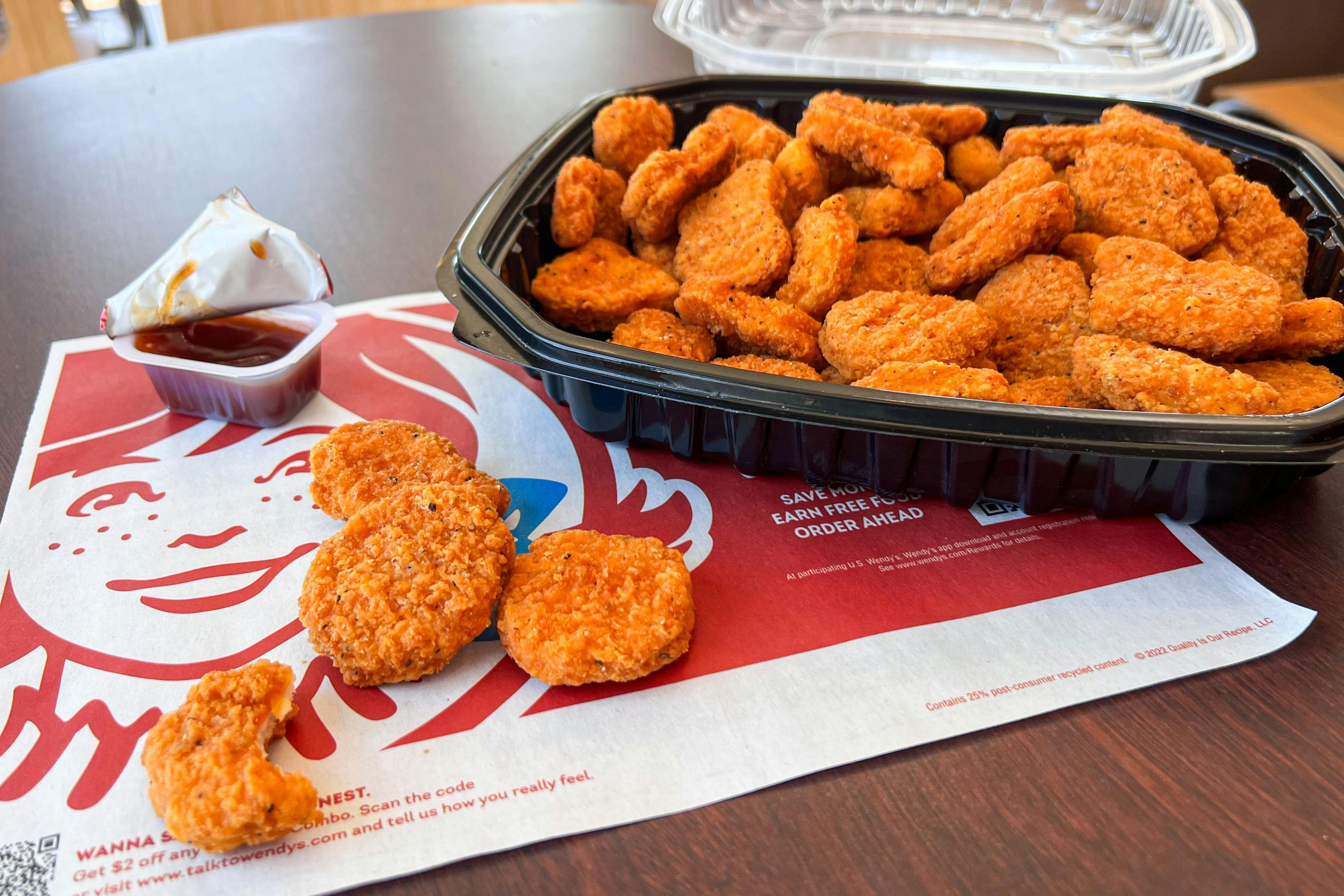
The 50 piece nugget deal is a popular, high-value fast-food promotion featuring fifty individual bite-sized pieces of chicken served with a generous assortment of dipping sauces, designed primarily for sharing among groups, families, or parties.
When fast-food chains introduce massive bulk-quantity menu items, consumer interest spikes significantly. Among these promotions, bulk chicken nugget bundles have established a permanent foothold in popular culture and value-driven fast-food marketing. The prominent 50 piece nugget deal—most famously associated with McDonald’s—represents a unique intersection of bulk pricing strategy, consumer sharing habits, and menu engineering.
Understanding how this promotion works requires looking beyond the sheer novelty of receiving half a hundred chicken pieces in a single box. Evaluating the deal involves analyzing its cost-per-nugget economics, nutritional profile, sauce allocation policies, ordering mechanics, and how it compares to standard menu alternatives. This comprehensive overview unpacks the 50 piece nugget deal to help consumers determine whether this bulk offering fits their appetite, budget, and sharing needs.
Origins and Concept of the Bulk Chicken Nugget Promotion
The evolution of the chicken nugget from a novelty menu item to an industry staple spans several decades. Introduced widely to the American fast-food landscape in the early 1980s, chicken nuggets were engineered for convenience, consistency, and mass appeal. Initially sold in standard portions of four, six, or ten pieces, fast-food marketers quickly realized that consumers—particularly families and young adults—responded favorably to scaling options.
As competition within the quick-service restaurant (QSR) sector intensified, chains sought ways to offer perceived value without compromising profit margins. The introduction of larger counts, such as the 20-piece and eventually the 40- and 50-piece options, served a distinct strategic purpose. By purchasing in volume, consumers unlocked a lower cost per individual unit, while restaurants secured a higher total ticket size per transaction.
The 50 piece nugget bundle was designed primarily with group dynamics in mind. Whether ordered for game-day gatherings, family movie nights, or college campus study sessions, the sheer volume eliminates the need to coordinate multiple individual orders. However, the psychological appeal of getting "fifty pieces" often overshadows the practical realities of consumption, making an analytical breakdown of the deal essential for savvy consumers.
Pricing Structure and Cost-Per-Nugget Economics
The primary selling point of any bulk fast-food promotion is economic value. Consumers naturally assume that buying in bulk yields a lower unit price, but the reality of the 50 piece nugget deal requires careful examination due to regional pricing variations and franchise-specific rules.
Understanding Franchise Pricing Variability
Fast-food pricing in major chains is rarely uniform across the country. Because most locations operate under franchise models, individual owners set their own prices based on local operating costs, real estate expenses, and regional supply chain dynamics. Consequently, a 50 piece nugget deal that costs a baseline amount in one market might carry a significantly higher price tag in a high-cost metropolitan area or travel hub.
When evaluating the deal, consumers should calculate the effective cost per piece. For example, if a 50-piece bundle is priced at a promotional rate, dividing that total by fifty reveals the baseline cost per nugget. Comparing this figure against the cost of two 20-piece boxes or multiple 10-piece orders often highlights whether the bulk bundle genuinely offers a discount or simply mirrors standard per-piece pricing with added convenience.
Value Comparison Table
To better understand how bulk sizing impacts overall value, consider the following structural comparison of standard nugget portion tiers:
| Portion Size | Typical Target Audience | Average Sauce Allocation | Value Efficiency | Sharing Potential |
|---|---|---|---|---|
| 6-Piece | Individual snack or light meal | 1 packet | Lowest (highest unit cost) | None (single serving) |
| 10-Piece | Standard individual meal | 2 packets | Moderate | Low |
| 20-Piece | Sharing between two people / heavy meal | 3 to 4 packets | High | Moderate (2 people) |
| 50-Piece | Groups, families, parties | 6 to 8 packets | Maximum (lowest unit cost) | High (3 to 6 people) |
Sauce Policies and Flavor Customization
One of the most defining aspects of ordering fifty chicken nuggets is the accompanying dipping sauce distribution. Sauces are an integral part of the chicken nugget experience, and navigating the sauce policy of a bulk order can often lead to friction at the counter or drive-thru window.
Standard Versus Extra Sauce Allocations
When a customer purchases a 50 piece nugget deal, corporate guidelines typically dictate a standard number of complimentary dipping sauces—usually ranging from six to eight individual cups, depending on the specific chain and current promotional guidelines. However, consumer preferences vary widely; some eaters consume multiple sauces per handful, while others use very little.
If a group requires additional sauces beyond the complimentary allotment, restaurants generally apply a small per-cup charge for extra dips. Savvy consumers should verify the exact number of included sauces during the ordering process to avoid unexpected charges or a dry dining experience.
Popular Sauce Varieties and Pairing Dynamics
The versatility of the chicken nugget relies heavily on the flavor profiles of the sauces. Standard options available at major chains typically include:
- Barbecue (BBQ): Offers a sweet, smoky, and tangy profile that complements the savory coating of the nugget.
- Sweet and Sour: Combines fruit notes with vinegar and savory elements, providing a bright contrast to fried protein.
- Honey Mustard: Balances the sharp tang of mustard with natural sweetness, remaining a perennial favorite for bulk sharing.
- Ranch: Delivers a creamy, herb-infused counterpoint that cools the palate.
- Spicy or Buffalo Variations: Cater to consumers seeking heat, though availability changes depending on limited-time promotional cycles.
Nutritional Profile and Dietary Considerations
Consuming a substantial portion of fried chicken warrants a careful review of nutritional facts, caloric density, and macronutrient distribution. A 50-piece order is rarely intended for a single individual, but understanding the cumulative impact is crucial for health-conscious consumers.
Caloric and Macronutrient Breakdown
Chicken nuggets consist of chopped or formed chicken meat encased in seasoned batter and deep-fried in vegetable oil. As a result, they carry a high concentration of calories, total fat, saturated fat, and sodium.
While exact nutritional values vary slightly by preparation method and specific recipe formulations:
- Total Calories: A 50-piece serving easily exceeds 2,000 calories, which represents the standard recommended total daily caloric intake for an average adult in a single sitting.
- Sodium Content: The cumulative sodium level in fifty pieces is exceptionally high, often surpassing recommended daily limits.
- Protein Content: On the positive side, the bulk order provides a massive source of dietary protein, though accompanied by significant carbohydrate and fat loads from the breading and frying process.
Responsible Consumption and Sharing Strategies
Given these nutritional realities, the 50 piece nugget deal is best approached as a communal food item. Splitting the order among three to six people dramatically reduces individual caloric intake while preserving the fun and cost-effectiveness of the promotion. Individuals attempting to consume a 50-piece order independently face significant nutritional and digestive drawbacks, making portion control a critical element of enjoying the deal responsibly.
Step-by-Step Guide: How to Order and Optimize the Deal
Maximizing the experience of purchasing a 50 piece nugget deal involves more than simply pulling up to a drive-thru speaker. Utilizing modern ordering methods and operational strategies ensures fresh food, correct sauce distribution, and maximum convenience.
- Verify Availability and Pricing via Mobile Apps: Before leaving home, check the official restaurant mobile application. Many chains offer exclusive digital deals, reward points, or localized pricing checks that can save money compared to ordering directly at the counter.
- Select Your Preferred Ordering Channel: Decide whether to use the drive-thru, carryout inside, or curbside pickup. For massive bulk orders, curbside or in-store pickup is often preferred by restaurant staff, as it allows them time to ensure the kitchen has a fresh batch ready.
- Specify Sauce Flavors in Advance: Do not leave sauce selection to chance. Clearly state your preferred mix of dipping sauces when placing the order, and ask explicitly how many sauces are included in the bundle price.
- Inspect the Order Before Leaving: Open the container before driving away. Ensure that the box is reasonably full, napkins and wet wipes are included if available, and your requested sauces match the ticket.
- Transport and Keep Warm: Fried foods lose their crispiness as they cool and trap steam inside closed containers. Keep the box level during transport, and leave the lid slightly ajar if driving a long distance to prevent the nuggets from becoming soggy.
Common Mistakes and Troubleshooting
Navigating fast-food promotions can occasionally lead to operational hiccups. Recognizing common pitfalls helps consumers avoid frustration.
- Assuming Uniform National Pricing: Expecting a standardized price advertised in nationwide commercials can lead to sticker shock at local franchises where operating costs are higher. Always check local menus.
- Forgetting to Request Extra Sauces: Ordering a 50-piece bundle with only the minimum baseline sauce allocation often leaves diners short. Always request extra cups upfront if feeding a large group.
- Eating Solo Out of Novelty: Attempting to finish fifty nuggets alone often results in food fatigue and excessive caloric intake. Treat the item as a shared platter.
- Overlooking Reheating Limitations: Leftover nuggets stored in a refrigerator do not microwave well; the breading tends to become rubbery. For the best leftover results, use an air fryer or toaster oven to restore crispiness.
Frequently Asked Questions
Can I mix and match different nugget styles or flavors in a 50 piece deal?
Standard 50 piece nugget deals are restricted to classic breaded chicken nuggets. Most major chains do not permit mixing standard nuggets with spicy nuggets or alternative protein products within the same promotional 50-piece box, though ordering separate smaller portions remains an option.
How many people is a 50 piece nugget deal actually meant to feed?
While individual appetites vary, a 50-piece order is best distributed among three to six people as part of a meal, or up to eight to ten people if served strictly as an appetizer or party snack alongside other food items.
Are dipping sauces included for free with a 50 piece nugget order?
Yes, chains include a baseline allotment of complimentary dipping sauces—typically six to eight cups. However, requesting quantities beyond the standard policy will incur a small additional charge per extra sauce cup.
What is the best way to reheat leftover chicken nuggets?
To restore the original texture, avoid the microwave. Instead, place leftover nuggets in an air fryer at 375 degrees Fahrenheit for three to four minutes, or use a conventional oven until heated through and crispy.
Do mobile apps offer better discounts on bulk nugget deals?
Frequently, fast-food chains utilize proprietary mobile applications to host exclusive digital coupons, such as percentage-off total orders or free medium fries with large purchases, which can enhance the overall value of a bulk nugget run.
Final Recommendations for Consumers
The 50 piece nugget deal remains a staple of fast-food marketing because it successfully combines volume, social sharing appeal, and perceived economic value. To make the most of this massive bulk offering, consumers should verify local pricing through official mobile apps, clarify sauce allocations prior to payment, and treat the order as a communal meal rather than an individual challenge. By approaching the promotion with smart portion control and proper reheating techniques, diners can enjoy the convenience and taste of bulk chicken nuggets without excess waste or nutritional regret.