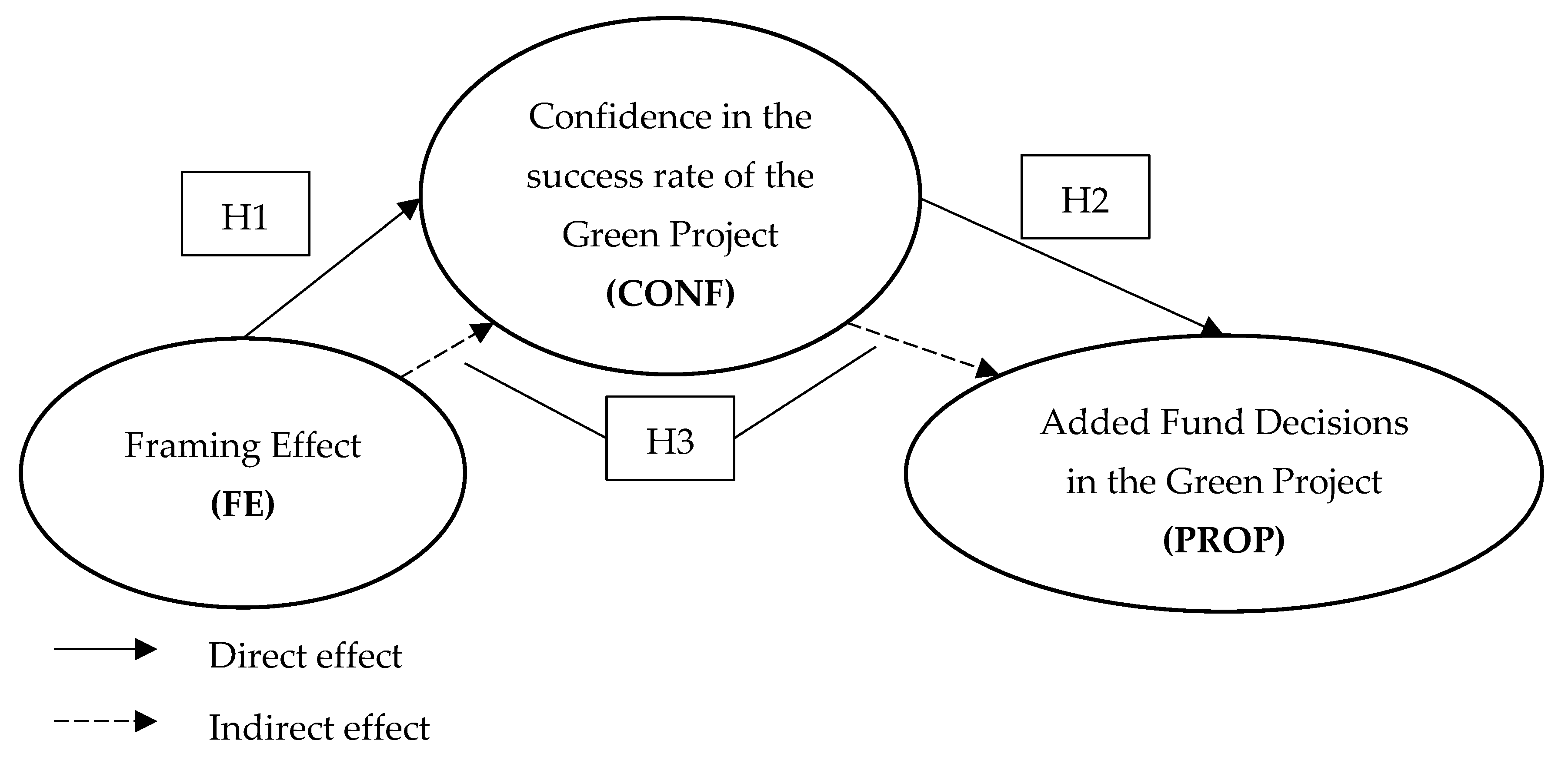
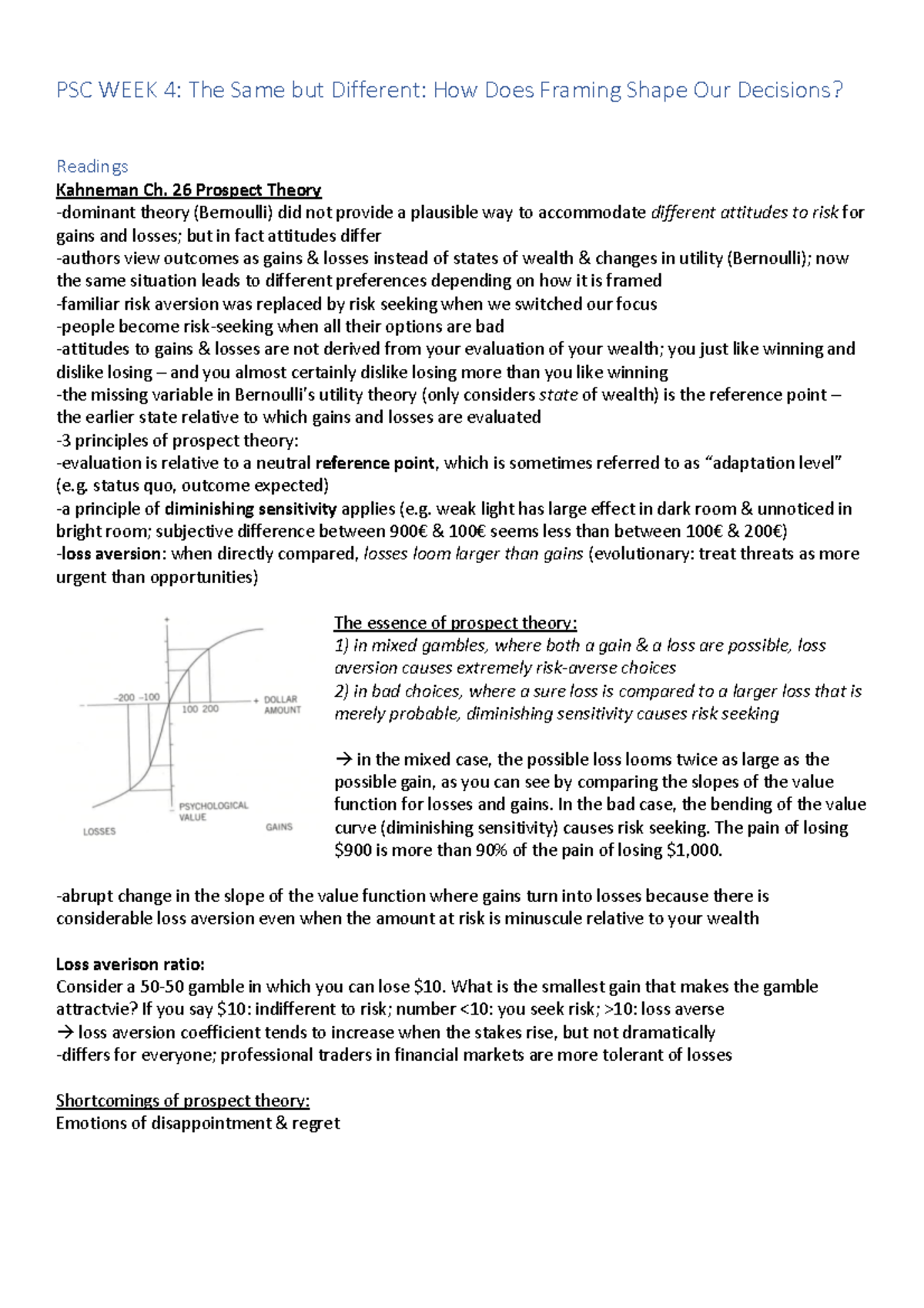
Decision-making rarely occurs in a vacuum; instead, the human mind relies heavily on context, presentation, and perspective to evaluate choices. These subtle shifts in presentation—known as cognitive framing—actively reshape how options are perceived, ultimately steering consumers, professionals, and policymakers toward specific outcomes.
Understanding Cognitive Framing and Decision Architecture
Before exploring concrete scenarios, it is vital to understand the foundational mechanisms of framing effects in psychology and behavioral economics. Popularized by researchers such as Amos Tversky and Daniel Kahneman, the framing effect demonstrates that identical information can yield entirely different choices depending on whether it is presented as a potential gain or a potential loss.
When people encounter a choice, their brains utilize mental shortcuts (heuristics) to process data quickly. Framing exploits these shortcuts by highlighting particular attributes while downplaying others. This architecture of choice is utilized extensively across marketing, public policy, financial planning, and healthcare. Recognizing these patterns allows individuals to make more deliberate, rational decisions, free from unintentional psychological manipulation.
Example 1: Attribute Framing in Product Packaging
Attribute framing occurs when a single characteristic of an object or event is focused on in isolation. A classic illustration of this mechanism appears in the consumer goods industry, particularly in the marketing of ground beef.
[Traditional Presentation] --------> Highlights Fat Content (e.g., "20% Fat") Result: Triggers caution or hesitation. [Framed Presentation] --------> Highlights Lean Content (e.g., "80% Lean") Result: Triggers positive association and perceived healthfulness.
The Psychological Mechanism
Even though a package containing 80% lean ground beef and 20% fat represents the exact same physical composition, labeling it as "80% lean" triggers positive cognitive associations with health, fitness, and quality. Conversely, labeling it "20% fat" activates loss or risk aversion, drawing mental attention toward potential negative health outcomes.
Practical Impact on Consumer Choices
Supermarkets and food manufacturers utilize attribute framing to influence purchasing behavior without altering the underlying product. Shoppers routinely select items styled with positive attribute framing over identical competing products that utilize neutral or negative phrasing. This demonstrates that human evaluation is fundamentally relative rather than absolute.
Example 2: Goal Framing in Public Health and Conservation
Goal framing shapes behavioral compliance by emphasizing either the positive consequences of performing an action or the negative consequences of failing to perform it. This technique appears frequently in public health campaigns, environmental initiatives, and safety regulations.
Positive Versus Negative Framing
Consider energy conservation campaigns. A positively framed message might state: "If you insulate your home, you will save $300 annually on heating costs." A negatively framed message communicates the inverse: "If you do not insulate your home, you will waste $300 annually on heating costs."
- Positively Framed Messages: Generally encourage preventative behaviors and routine maintenance by highlighting attainable benefits.
- Negatively Framed Messages: Frequently prove more effective at driving immediate, high-stakes compliance—such as scheduling medical screenings—by activating loss aversion and urgency.
Operational Effectiveness and Limitations
While negative framing often captures immediate attention, prolonged exposure to fear-based or loss-oriented goal framing can induce psychological reactance or apathy. Effective communicators carefully balance goal framing based on the target audience's baseline risk perception and familiarity with the subject.
Example 3: The Decoy Effect in Pricing and Subscriptions
The decoy effect—also known as asymmetric dominance—occurs when consumers change their preference between two options when a third, inferior option is introduced. This framing strategy is ubiquitous in software-as-a-service (SaaS) subscription models, cinema concession stands, and retail pricing strategies.
| Subscription Tier | Features Included | Price Point | Strategic Purpose |
|---|---|---|---|
| Digital Only | Web access, email newsletter | $10 / month | Establishes a low-end price anchor. |
| Print Only | Physical home delivery | $15 / month | Acts as a decoy; structurally inferior to the bundle. |
| Print + Digital | Physical delivery + full web access | $15 / month | Target option; appears exceptionally high-value compared to the decoy. |
How the Decoy Shifts Perception
When consumers evaluate only the "Digital Only" tier ($10) versus the "Print + Digital" tier ($15), they must weigh an extra $5 against the value of physical delivery. However, introducing the "Print Only" tier at $15 creates an asymmetric comparison. Because the combined subscription offers both print and digital access for the same price as print alone, the combined package appears vastly superior, driving the majority of buyers toward the top tier.
Managing Financial and Operational Pitfalls
For businesses, deploying the decoy effect requires precise calibration. If the decoy is priced too high or too low, the illusion of value collapses. For consumers, recognizing this framing pattern prevents impulse upgrades driven by perceived bargains rather than actual utility.
Example 4: Risk Framing in Medical Treatments and Clinical Decisions
In healthcare, the framing of clinical outcomes can profoundly influence life-altering medical decisions made by patients and practitioners alike. This phenomenon is most clearly observed when communicating the survival rates versus mortality rates of surgical procedures or pharmacological interventions.
Survival Framing Versus Mortality Framing
- Survival Frame: "This surgical procedure has a 90% survival rate over five years."
- Mortality Frame: "There is a 10% mortality rate associated with this surgical procedure over five years."
Empirical studies in medical decision-making consistently demonstrate that patients are significantly more likely to consent to surgery or aggressive treatment when outcomes are framed in terms of survival rather than mortality, even though the statistical probability remains identical.
Ethical Considerations and Informed Consent
Because risk framing alters patient autonomy, medical professionals maintain strict ethical guidelines to present clinical data neutrally. Practitioners often utilize dual-framing—presenting both survival and mortality percentages explicitly—to ensure patients comprehend the actual risks without psychological distortion.
Example 5: Temporal Framing in Financial Planning and Investments
Temporal framing involves structuring choices around time horizons, breaking down long-term financial commitments into smaller, digestible increments. This technique bridges the gap between abstract future goals and immediate spending habits.
The Power of Micro-Framing
Asking an individual to save $3,650 annually for retirement often elicits resistance because the lump sum feels substantial and distant. However, reframing the exact same commitment as "saving just $10 a day" shifts the cognitive evaluation.
- Macro-Frame: Emphasizes total long-term sacrifice and large numerical totals.
- Micro-Frame (Temporal): Highlights trivial daily adjustments, neutralizing loss aversion and encouraging immediate enrollment in automatic savings programs.
Practical Application for Personal Finance
Financial advisors and fintech applications utilize temporal framing to combat present bias—the human tendency to underweight future rewards in favor of immediate gratification. By translating annual figures into daily equivalents, individuals can evaluate expenses against minor daily purchases, improving long-term asset accumulation.
Frequently Asked Questions
What is the primary psychological driver behind framing effects?
The primary driver is loss aversion and cognitive ease. Human brains rely on mental heuristics to process complex data quickly. Framing highlights specific facets of a choice, directing attention along predictable pathways that make certain options feel safer or more rewarding.
Are framing effects considered manipulative?
Framing is a natural consequence of human communication; every piece of information must be presented in some context. While it can be weaponized for deceptive marketing or political propaganda, it is also used ethically in education, public health, and therapy to help individuals understand complex choices clearly.
How can individuals protect themselves against negative framing?
To neutralize framing effects, consciously reframe choices in your own terms. If presented with a loss-framed scenario, calculate the corresponding gain scenario. Conversely, evaluate high-value bundles or promotional pricing by assessing whether you actually need the included features.
Does framing affect professional experts as well as everyday consumers?
Yes. Extensive research in behavioral economics shows that trained professionals—including physicians, judges, and financial analysts—remain susceptible to framing effects when evaluating complex, high-pressure decisions, though structured checklists and objective data models help mitigate these biases.
Conclusion and Next Actions
Cognitive framing dictates how information is processed and converted into action across every facet of modern life. By understanding attribute framing, goal framing, the decoy effect, risk framing, and temporal framing, you gain a vital defense against unconscious manipulation. Moving forward, pause before making significant financial, professional, or personal commitments. Explicitly restate the options in alternative formats—such as converting costs into daily increments or examining mortality risks alongside survival rates—to ensure your decisions reflect true personal values rather than clever presentation.