A 40-yard dumpster rental is the largest standard container available for residential and commercial waste management, offering a massive volume capacity for significant debris removal. Typically measuring 22 feet long and 8 feet high, it is designed for major construction, whole-home renovations, and large-scale cleanouts where smaller bins would require multiple, costly hauls.
Selecting the right waste management solution is a critical logistical decision for any large-scale project. As we move through 2026, the 40-yard roll-off dumpster remains the industry standard for maximum-capacity disposal. This guide provides a deep dive into the technical specifications, cost structures, and operational requirements necessary to successfully manage a 40-yard rental. Whether you are a contractor overseeing a commercial build or a homeowner managing a total estate liquidation, understanding the nuances of this "heavyweight" container is essential for staying on budget and on schedule.
Understanding the Physical Specifications of a 40-Yard Dumpster
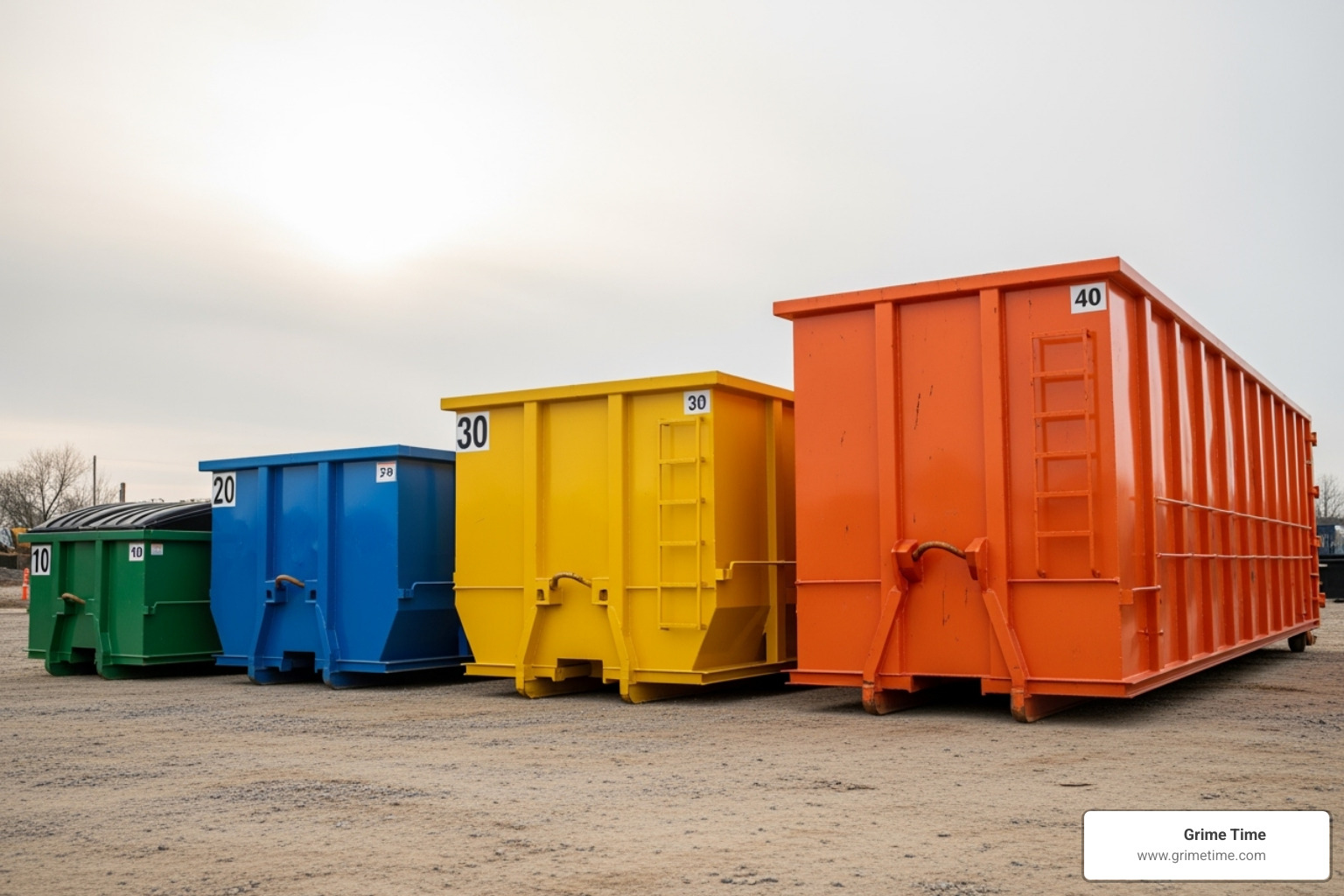
The "40-yard" designation refers to the internal volume of the container—40 cubic yards. To visualize this, imagine a space 3 feet wide, 3 feet long, and 3 feet deep; one cubic yard is roughly the size of a standard washing machine. Therefore, a 40-yard dumpster can hold the equivalent of approximately 40 washing machines or 12 to 15 full pickup truck loads of debris.
Standard Dimensions and Footprint
While specific dimensions can vary slightly by manufacturer, the industry standard for a 40-yard roll-off container is:
- Length: 22 feet
- Width: 8 feet
- Height: 8 feet
The 8-foot height is a defining characteristic of the 40-yard model. Unlike 10-yard or 20-yard bins, which often have low walls that allow you to toss debris over the side, a 40-yarder is nearly impossible to load from the side for the average person. Most users must utilize the large swinging door located at the rear of the unit. This allows you to walk heavy items directly into the container, which is safer and more efficient but requires additional clearance space on your site.
Weight Capacity and the "Heavy Debris" Trap
In 2026, hauling regulations and truck lift capacities typically limit the weight of a 40-yard dumpster to between 4 and 6 tons (8,000 to 12,000 pounds). While the container is physically large enough to hold a massive amount of material, it is not designed for "heavy" materials like concrete, brick, dirt, or asphalt.
If you fill a 40-yard dumpster to the brim with concrete, the total weight could easily exceed 20 or 30 tons. Most roll-off trucks cannot lift such a load, and even if they could, they would be in violation of Department of Transportation (DOT) road weight limits. For heavy debris, providers usually recommend 10-yard or 20-yard "low-boy" containers specifically designed for weight rather than volume.
When to Choose a 40-Yard Dumpster: Ideal Projects
Choosing a 40-yarder is usually a matter of necessity for high-volume projects. If you underestimate your waste needs and have to order a second dumpster, you will likely pay double the delivery and rental fees. Conversely, if you get a 40-yarder for a small project, you are paying for empty space.
Commercial and Industrial Use
For 2026 commercial construction sites, the 40-yard dumpster is the baseline. It is ideal for:
- New Construction: Managing the ongoing flow of wood scraps, drywall, and packaging materials.
- Commercial Roofing: A 40-yarder can typically hold the debris from a 3,000 to 4,000-square-foot commercial roof (depending on the number of shingle layers).
- Demolition Work: Large-scale gutting of office buildings or retail spaces where light materials like insulation, carpeting, and ceiling tiles dominate the waste stream.
Large-Scale Residential Projects
Residential users typically only require a 40-yarder during major life transitions or significant structural changes, such as:
- Total Home Renovation: If you are stripping a house down to the studs, including the removal of flooring, cabinetry, and drywall across multiple floors.
- Estate Cleanouts: When clearing out a large family home filled with decades of furniture, appliances (where permitted), and general clutter.
- Large Deck or Shed Removal: Bulky wood structures take up a lot of "air space," making the 40-yard volume necessary even if the weight is relatively low.
| Feature | 20-Yard Dumpster | 30-Yard Dumpster | 40-Yard Dumpster |
|---|---|---|---|
| Common Length | 20 Feet | 22 Feet | 22 Feet |
| Common Height | 3.5 - 4 Feet | 6 Feet | 8 Feet |
| Pickup Truck Equiv. | 6-8 Loads | 9-12 Loads | 12-15 Loads |
| Weight Limit (Avg) | 2-3 Tons | 3-5 Tons | 4-6 Tons |
| Best Use | Kitchen/Bath Remodel | Large Home Addition | Commercial/Whole-House |
2026 Cost Factors and Pricing Structures
As of 2026, the national average for a 40-yard dumpster rental ranges from $650 to $1,200, though pricing is highly localized based on fuel costs, landfill tipping fees, and regional demand. Understanding the components of your quote will help you avoid hidden charges.
Base Rental vs. Overweight Fees
Most rental agreements are "flat-rate" up to a certain weight limit. For example, a quote might be $800 for a 14-day rental with a 5-ton weight limit. If your debris weighs 6 tons at the scale, you will be charged an "overage fee" for that extra ton. In 2026, overage fees typically range from $65 to $120 per ton.
Permit Requirements
If the dumpster is placed on your private property (a driveway or construction site), you usually do not need a permit. However, if the 40-yarder must sit on a public street, most municipalities require a "Right of Way" or "Street Use" permit. These permits can cost anywhere from $50 to $200 and often require several days of lead time for approval. Check with your local Department of Public Works for specific 2026 regulations.
Prohibited Items and Surcharges
Landfills have strict regulations regarding what they can accept. Loading prohibited items into your dumpster will result in significant fines or the driver refusing to pick up the load. Common prohibited items include:
- Hazardous Materials: Paint, motor oil, pesticides, and cleaning chemicals.
- Electronics: Many states now require e-waste recycling for TVs and computers.
- Appliances with Freon: Refrigerators and AC units require special handling.
- Tires and Batteries: These usually carry a per-item surcharge if allowed at all.
Logistics: Preparing for Delivery and Placement
A 40-yard dumpster is a massive piece of steel. Preparing your site correctly is the difference between a smooth project and a damaged property.
Clearance and Space Requirements
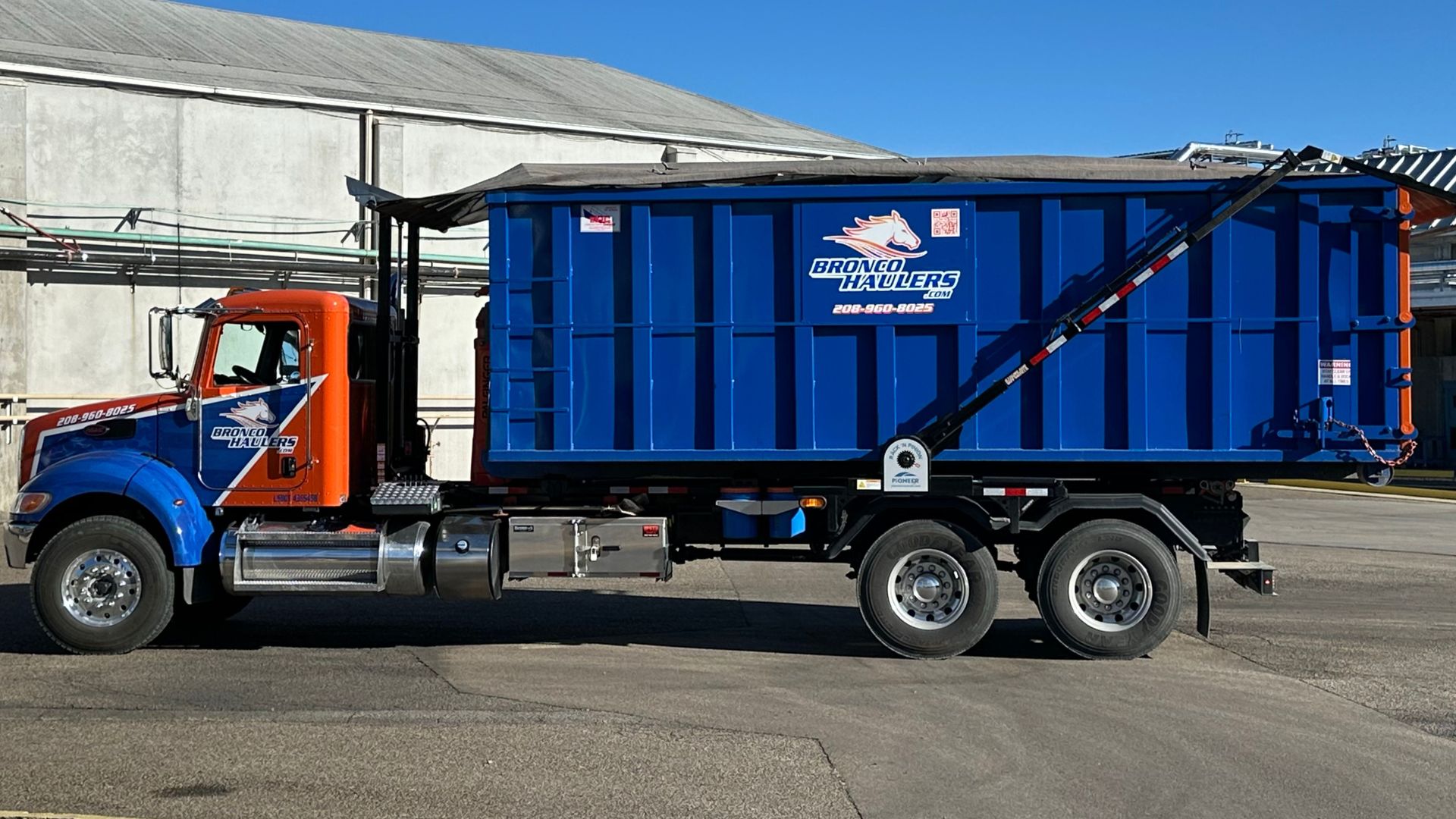
The delivery truck—a heavy-duty roll-off hoist—needs significantly more room than the dumpster itself. To safely drop a 22-foot container, the truck needs approximately 60 feet of straight-line clearance. Furthermore, the truck must raise its bed to slide the dumpster off, requiring at least 25 feet of vertical clearance from power lines or overhanging tree branches.
If you plan to use the rear swinging door, remember that the door itself is 8 feet wide. You must ensure there is enough space behind the dumpster to swing the door fully open so you can walk your debris inside.
Protecting Your Surfaces
A 40-yard dumpster can weigh over 10,000 pounds empty; when full, it can exert tremendous pressure on the ground. To prevent the steel rollers from cracking your driveway or sinking into soft asphalt, it is highly recommended to place large plywood sheets or "4x4" wooden planks down for the dumpster to rest on. This distributes the weight more evenly and protects the surface from scratches.
Safety and Loading Best Practices
Safety is often overlooked in waste management, but with a container 8 feet high, the risks are real.
- Load Evenly: Do not put all the heavy items at one end. This can make the dumpster dangerously unbalanced when the truck attempts to winch it onto the bed.
- The "Water Level" Rule: Never fill the dumpster past the top rail. Haulers are legally prohibited from transporting "over-topped" loads because of the risk of debris falling out on the highway. If your load is too high, the driver will likely leave it on-site, and you will be charged a "dry run" fee.
- Use the Door: Avoid trying to throw heavy items over the 8-foot walls. This leads to shoulder and back injuries. Open the rear door, carry the items in, and stack them from the front to the back.
- PPE: When loading, always wear heavy-duty gloves, puncture-resistant boots, and safety glasses. Old construction debris often contains rusted nails and sharp glass.
Environmental Considerations and Disposal in 2026
In 2026, sustainability is a major factor in waste management. Many hauling companies now offer "Sorted Loads" or "Green Hauling." If you are doing a project that consists entirely of one material—such as wood or metal—you may be able to secure a lower rate by sending the load to a recycling facility rather than a landfill.
Additionally, the U.S. Environmental Protection Agency (EPA) provides guidelines on managing construction and demolition debris. Following these guidelines not only helps the environment but can also assist contractors in meeting LEED certification requirements for commercial projects.
Common Mistakes to Avoid
- Underestimating the Project: Many users choose a 30-yarder to save $50, only to find they have 10 yards of trash left over. The cost of a second 10-yard dumpster is far higher than the initial upgrade to a 40-yarder.
- Ignoring the Weight Limit: It is easy to hit 5 tons when disposing of old plaster or heavy furniture. Monitor your volume and be mindful of the weight of the materials you are tossing.
- Blocking Access: Ensure no vehicles are parked in front of or near the dumpster on pick-up day. If the driver can't reach the bin, you will be billed for the failed attempt.
Frequently Asked Questions
Can I put concrete or dirt in a 40-yard dumpster?
Generally, no. Most companies will not allow a 40-yard dumpster to be used for "clean fill" (dirt, concrete, or brick) because of the immense weight. Filling a 40-yard bin even halfway with concrete would likely exceed the truck’s lifting capacity and legal road limits. For these materials, you should rent a specialized 10-yard or 20-yard "heavy debris" container.
How much space do I need for a 40-yard dumpster delivery?
You need a clear path that is at least 10 feet wide and 60 feet long. You also need to ensure there are no low-hanging wires or tree limbs below 25 feet. If your driveway isn't long enough, you will need to look into street placement permits through your local municipality.
How long can I keep the dumpster?
The standard rental period in 2026 is typically 7 to 14 days. However, most companies offer flexible extensions for a daily "pro-rated" fee, usually ranging from $15 to $40 per day. It is always better to schedule your pickup as soon as you are finished to avoid these extra costs.
Does someone need to be home for delivery?
Usually, no, as long as the delivery area is clear of obstructions and you have provided specific placement instructions. However, it is highly recommended to be present or at least available by phone to ensure the driver places the container exactly where you need it, especially regarding the orientation of the swinging door.
Are there any hidden fees I should look for?
Common additional charges include "dry run" fees (if the driver can't drop off or pick up the bin), tonnage overages (exceeding the weight limit), and "trip fees" for repositioning a dumpster once it has been placed. Always ask for an "all-in" quote that specifies the included tonnage and rental duration.
Final Recommendation
When managed correctly, a 40-yard dumpster is the most cost-effective way to handle massive volumes of waste. To ensure a successful rental, verify your site's clearance dimensions, prioritize loading via the rear door for safety, and be strictly mindful of weight limits if you are disposing of dense materials. Before booking, check your local 2026 municipal codes for permit requirements to avoid any legal delays in your project.