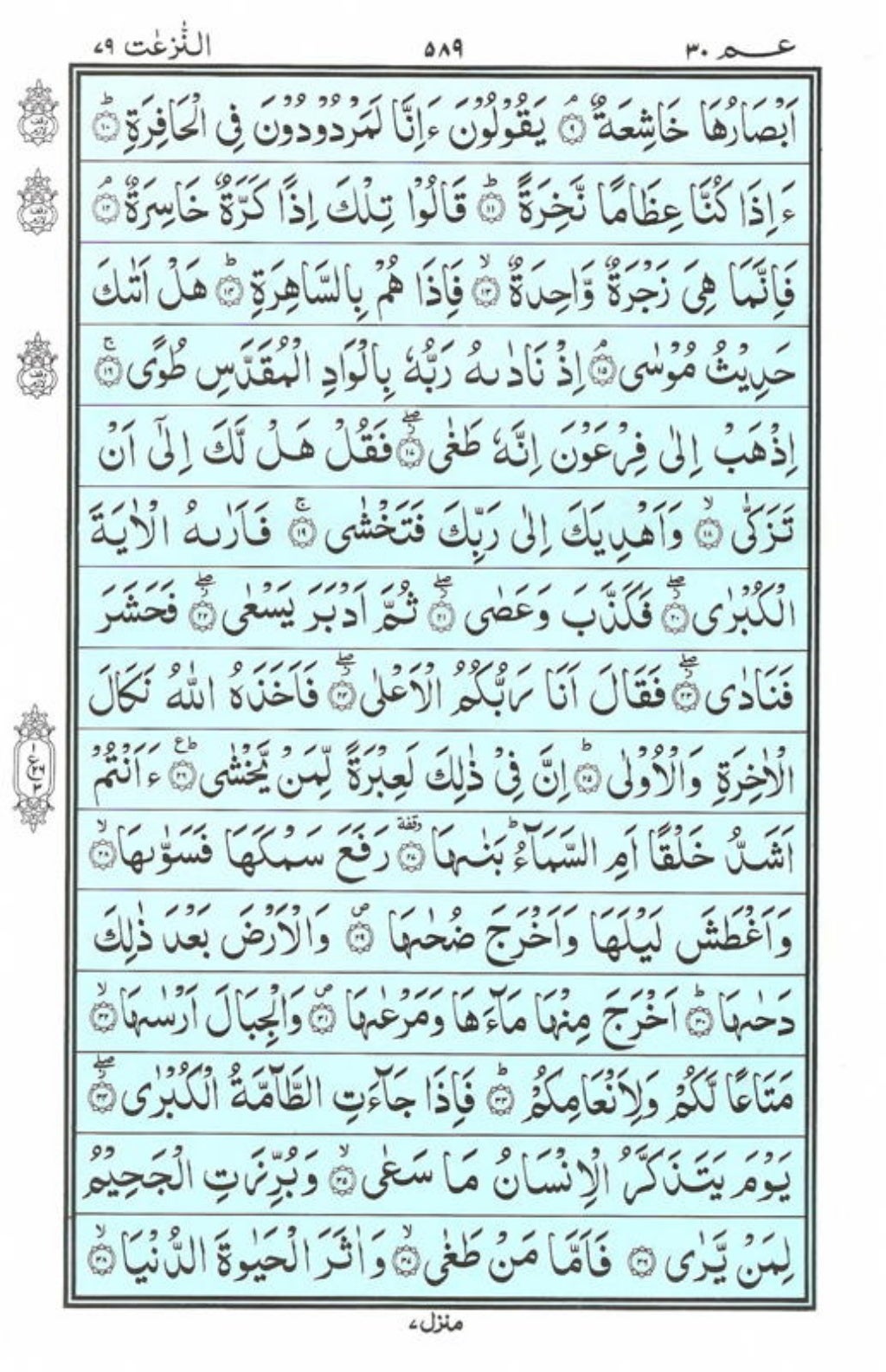
The 30 chapters of the Quran, commonly referred to as Juz or Para, represent a systematic organizational division of the holy text designed to facilitate systematic reading, memorization, and recitation throughout the lunar calendar, particularly during the holy month of Ramadan. This segmentation breaks the 114 Surahs (chapters) into thirty roughly equal parts to support daily progress tracking for readers worldwide.
Introduction to the Structural Layout of the Quran
To understand how the Quran is studied, recited, and memorized globally, it is essential to look beyond its 114 distinct Surahs (chapters) and examine its secondary structural divisions. While Surahs are categorized based on their historical revelation periods (Makkah or Madinah) and thematic contents, the physical text is structurally divided into thirty equal segments known as Juz (plural: Ajza), and in many South Asian and Central Asian traditions, as Paras.
This 30-chapter division does not alter the text, verses (Ayat), or Surahs; rather, it acts as a navigational and devotional roadmap. Each Juz contains approximately one-thirtieth of the total text, making it an ideal unit for individuals seeking to complete a full reading of the Quran over a standard 30-day period, such as the month of Ramadan. Furthermore, each Juz is frequently subdivided into smaller units called Hizb (plural: Ahzab), dividing every chapter into two parts, and further into Rub el-Hizb (quarters), allowing for precise tracking during daily study sessions.
Historical Context and Standardization of the 30 Divisions
The compilation and standardization of the Quran occurred during the era of the Rightly Guided Caliphs, most notably under Abu Bakr as-Siddiq and later standardized under Uthman ibn Affan to ensure uniformity across the expanding Islamic empire. However, the systematic division of the text into 30 distinct chapters (Juz) evolved primarily as an educational and liturgical tool.
As the Muslim community grew to span diverse cultures, languages, and geographic regions, scholars and scribes recognized the need for a standardized pacing mechanism. By dividing the text into thirty discrete parts matching the average days of a lunar month, educators could establish a predictable curriculum for students (Hifz students) and provide lay worshippers with a structured framework for daily recitation (Khatam al-Quran). This standardization ensured that regardless of whether a copy of the Quran was printed in Cairo, Istanbul, Jakarta, or London, the page breaks and chapter markings remained consistent, allowing believers to synchronize their reading schedules seamlessly.
The Purpose and Benefits of the 30-Chapter Format
The primary utility of the 30-chapter division lies in time management, cognitive retention, and community synchronization. Approaching the entire Quran as a single continuous volume of over 6,000 verses can feel overwhelming for learners. Breaking the text into thirty distinct segments transforms a monumental task into manageable, daily milestones.
Key Benefits for Learners and Readers
- Structured Pacing: Reading one Juz per day allows an individual to complete the entire Quran precisely in 30 days, a traditional practice heavily emphasized during Ramadan.
- Balanced Content Distribution: Because the chapters vary in length, the 30 Juz boundaries are intentionally structured to balance the reading load across days, combining longer Surahs with multiple shorter ones.
- Memorization Milestones: Students committing the Quran to memory (Hafiz candidates) use these chapters to set short-term targets, test retention, and review previously memorized portions (Muraja'ah).
- Group Recitation and Taraweeh: During night prayers in Ramadan, imams often recite exactly one Juz per night, allowing congregations to listen to and complete the entire Quran over the course of the month.
Comparative Overview of Notable Chapters and Divisions
While every section of the Quran holds equal spiritual significance, certain chapters and Juz segments are frequently referenced due to their specific themes, historical contexts, or frequency in daily prayers. The table below outlines key structural characteristics of the text's organization.
| Division Level | Quantity | Primary Function | Typical Usage |
|---|---|---|---|
| Surah (Chapter) | 114 | Thematic and historical categorization | Individual study, legal rulings, narrative themes |
| Juz (Chapter/Para) | 30 | Pacing and volume division | Daily reading schedules, Ramadan completion |
| Hizb | 60 | Sub-division of Juz (two per Juz) | Medium-length study sessions, teaching modules |
| Rub el-Hizb | 240 | Quarter-divisions of a Juz | Precise bookmarking, memorization checks |
Practical Guide to Completing a Full Reading Cycle (Khatam)
Embarking on a complete reading of the 30 chapters requires consistency and a realistic daily strategy. Whether undertaking this journey during Ramadan or at any other time of the year, establishing a structured routine prevents burnout and ensures steady progress.
Establishing a Daily Routine
- Calculate Time Commitments: On average, reading one Juz requires approximately 20 to 40 minutes, depending on reading proficiency and familiarity with Arabic script. This time can be broken down further by reading a fraction after each daily prayer (e.g., four to five pages after Fajr, Dhuhr, Asr, Maghrib, and Isha).
- Utilize Audio-Visual Aids: For those working on pronunciation (Tajweed) or reading speed, listening to a certified reciter (Qari) while following along with the text helps maintain rhythm and correct phonetic articulation.
- Focus on Comprehension: While reading through the 30 chapters for fluency is a common practice, pairing the recitation with a reliable translation or brief commentary (Tafsir) deepens contextual understanding of historical narratives and ethical guidelines.
- Maintain Consistency Over Speed: Missing a day creates a cumulative deficit. If a day is missed, doubling up on the following day or adjusting the remaining schedule helps keep the 30-day goal achievable.
Frequently Asked Questions About the 30 Chapters
Do the 30 chapters correspond directly to the 114 Surahs of the Quran?
No. The 30 chapters (Juz) are organizational units created for pacing and do not align sequentially with individual Surahs. Some long Surahs span across multiple Juz (such as Surah Al-Baqarah, which covers parts of the first and second Juz), while a single Juz may contain several short Surahs, particularly in the final chapters.
Is it mandatory to read the Quran using the 30-chapter division?
No. The 30-chapter division is an administrative and devotional aid, not a textual requirement. Readers are free to study individual Surahs, read continuously from beginning to end without regard to Juz boundaries, or focus on thematic selections based on their personal goals.
Where does the division of the Quran into 30 parts originate?
The division into thirty parts developed historically through scholarly consensus to aid in communal worship and education. It became widely standardized in manuscript traditions and modern printing presses to support standardized recitation programs, particularly the practice of completing the Quran during Ramadan.
How are the shorter chapters organized within the final Juz?
The final chapter (Juz 30, commonly known as Juz Amma) contains a high concentration of shorter Makkan Surahs. These chapters focus heavily on foundational theological concepts, descriptions of the Day of Judgment, moral accountability, and concise ethical reminders, making them the most commonly memorized sections for beginners.
Conclusion and Recommended Next Actions
Mastering or utilizing the 30 chapters of the Quran is a practical approach to engaging with a profound historical and spiritual text. Whether your goal is to complete a 30-day recitation cycle during Ramadan, structure a long-term memorization plan, or study the thematic progression of the text, understanding this structural framework provides an organized path forward. To begin, select a reliable copy of the Quran featuring clear script, establish a dedicated daily reading window, and focus on steady, incremental progress through each successive chapter.