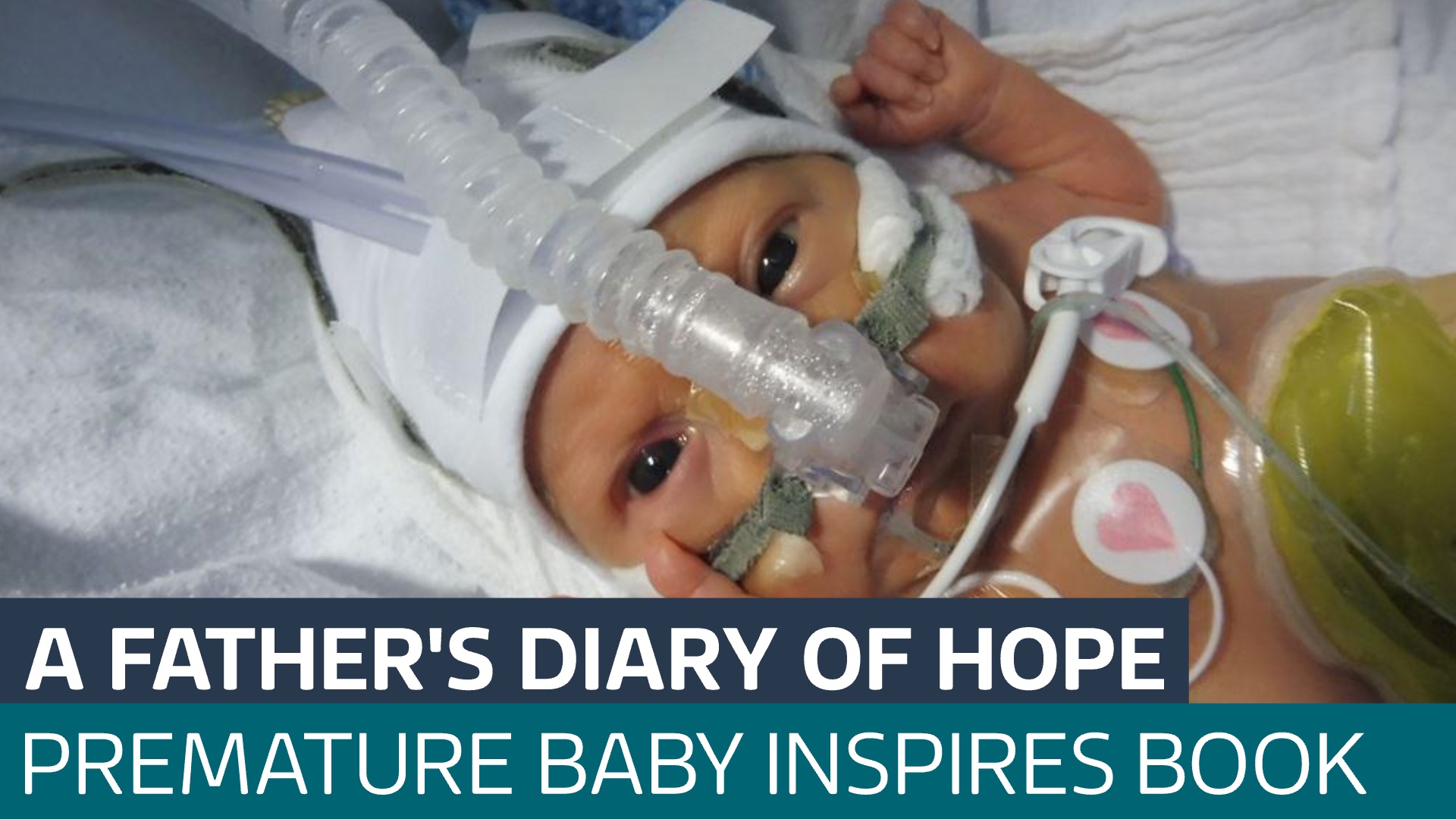
When a pregnancy results in a birth at 26 weeks, parents enter an intensive medical journey defined by the Neonatal Intensive Care Unit (NICU). A baby born at this stage is classified as "very preterm." Survival rates are high—often exceeding 80% to 90% in modern medical facilities—though the road to discharge involves overcoming significant respiratory, nutritional, and developmental hurdles that families must navigate with specialized care teams.
The Reality of 26-Week Gestation
In the hierarchy of preterm birth, 26 weeks is a critical threshold. At this stage, a fetus weighs approximately 1.7 to 2.0 pounds and measures roughly 13 to 14 inches. While vital organs such as the heart and brain are developing rapidly, the lungs are often the primary concern. Specifically, the production of surfactant—a substance that prevents the lungs from collapsing during exhalation—is insufficient, requiring medical intervention.
For parents, the transition from a standard pregnancy to an emergency delivery at 26 weeks is traumatic and abrupt. Understanding the environment of the NICU is the first step in active participation. These babies are generally placed in an isolette (an enclosed, temperature-controlled bed) to maintain body heat and prevent moisture loss, as their skin is too thin to provide an effective barrier against the environment.
The NICU Roadmap: From Admission to Discharge
The journey for a 26-week-old baby is rarely linear. It is categorized by a series of physiological milestones rather than a set calendar date.
Respiratory Support and Oxygenation
Because the lungs are immature, most babies born at 26 weeks require mechanical ventilation or continuous positive airway pressure (CPAP). In 2026, clinical protocols prioritize "gentle ventilation," which aims to minimize lung injury by using the lowest pressure necessary to maintain adequate blood oxygen levels. Parents will see monitors tracking oxygen saturation and heart rates constantly; understanding that these alarms are often triggered by movement or temporary desaturations is vital for reducing caregiver anxiety.
Nutritional Protocols
A baby born at 26 weeks lacks the sucking and swallowing reflex, which typically develops around 32 to 34 weeks. Consequently, nutrition is initially provided intravenously via a peripherally inserted central catheter (PICC line). As the baby stabilizes, nursing teams transition them to "trophic feeds"—tiny amounts of breast milk or specialized formula delivered through a gastric tube. This process helps mature the gut and prepares the baby for eventual oral feeding.
Developmental Care
"Developmental care" is a standard practice in modern NICUs. It involves minimizing noise, keeping lighting low to protect sensitive eyes, and positioning the baby in ways that mimic the womb. Kangaroo care—skin-to-skin contact between parent and child—is encouraged as soon as the baby is stable enough to be handled. Research continues to show that this practice significantly improves regulation of the baby’s heart rate and reduces stress hormones.
Challenges and Complications
While survival rates are encouraging, the medical team will frequently monitor for complications common to 26-week births. Being informed about these helps parents ask better questions during daily "rounds."
- Intraventricular Hemorrhage (IVH): Bleeding in the brain. Doctors typically perform head ultrasounds in the first week to screen for this.
- Necrotizing Enterocolitis (NEC): A serious intestinal inflammation. NICU teams watch for signs of abdominal distension and feed intolerance.
- Retinopathy of Prematurity (ROP): Abnormal blood vessel growth in the eye. Periodic eye exams by a pediatric ophthalmologist are required.
- Bronchopulmonary Dysplasia (BPD): A chronic lung condition that can occur due to long-term need for mechanical ventilation.
Comparison of Neonatal Stages
The following table illustrates the developmental context for a 26-week birth compared to other stages of preterm delivery.
| Gestational Age | Survival Rate (Approx.) | Primary Concern | Feeding Maturity |
|---|---|---|---|
| 24 Weeks | 50% - 70% | Extreme immaturity, brain development | None |
| 26 Weeks | 80% - 90% | Lung development, NEC risk | Tube feeding only |
| 28 Weeks | 90% - 95% | Temperature regulation | Tube/Early Oral |
| 32 Weeks | >98% | Weight gain, jaundice | Early bottle/nursing |
Practical Support for Parents
The environment of the NICU can be isolating. Parents often report feeling like "bystanders" in their own child’s care. To manage the burden of these stories, consider the following active strategies:
- Journaling: Track the daily "wins"—a successful feed, a steady heart rate, or a few minutes of skin-to-skin. This serves as a vital record for the long term.
- The "One-Day-at-a-Time" Rule: Preterm infants have good days and "setback" days. Avoiding long-term projections and focusing on the current 24-hour cycle is a common survival mechanism among NICU parents.
- Advocacy: You are the constant presence in your baby’s life. Do not hesitate to ask the nursing staff to explain the purpose of every medication or procedure.
Frequently Asked Questions
Is a 26-week baby considered "viable"?
Yes. By 26 weeks, most medical centers have the technology and specialized neonatologists necessary to provide life-saving support. Viability is no longer the primary question; the focus shifts entirely to the quality of support provided during the NICU stay.
How long does a 26-week baby usually stay in the NICU?
The length of stay is typically dictated by the baby’s original due date. While every infant is different, most babies born at 26 weeks are expected to remain in the NICU until they approach their original due date, assuming they have reached milestones in feeding, breathing, and temperature regulation.
Can I breastfeed my 26-week-old baby?
Direct breastfeeding is not possible immediately due to the lack of a mature suck-swallow reflex. However, mothers are encouraged to pump breast milk from the earliest possible stage. This milk contains unique antibodies and nutrients that are significantly easier for a preemie to digest than formula.
What are the long-term effects of being born at 26 weeks?
Many children born at 26 weeks grow up without significant health issues. However, some may require ongoing monitoring for developmental delays, sensory issues, or respiratory sensitivities in early childhood. Early intervention programs are often recommended upon discharge to support developmental milestones.
How should I handle the stress of the NICU?
NICU PTSD is a recognized phenomenon. Seeking support from hospital-based social workers, parent support groups, or professional counselors who specialize in medical trauma is highly recommended to manage the emotional weight of the experience.
Next Steps for Families
If you are currently navigating a 26-week birth, your primary objective is to build a collaborative relationship with your neonatology team. Request a primary nurse if available; having a consistent caregiver who knows your baby’s specific "baseline" can lead to faster identification of subtle changes in their health. Schedule a meeting with the hospital social worker to discuss financial assistance, insurance coverage for specialized therapies, and emotional support resources. Remember that while the 26-week journey is intense, you are not alone, and the protocols in place today are designed to optimize long-term health outcomes.