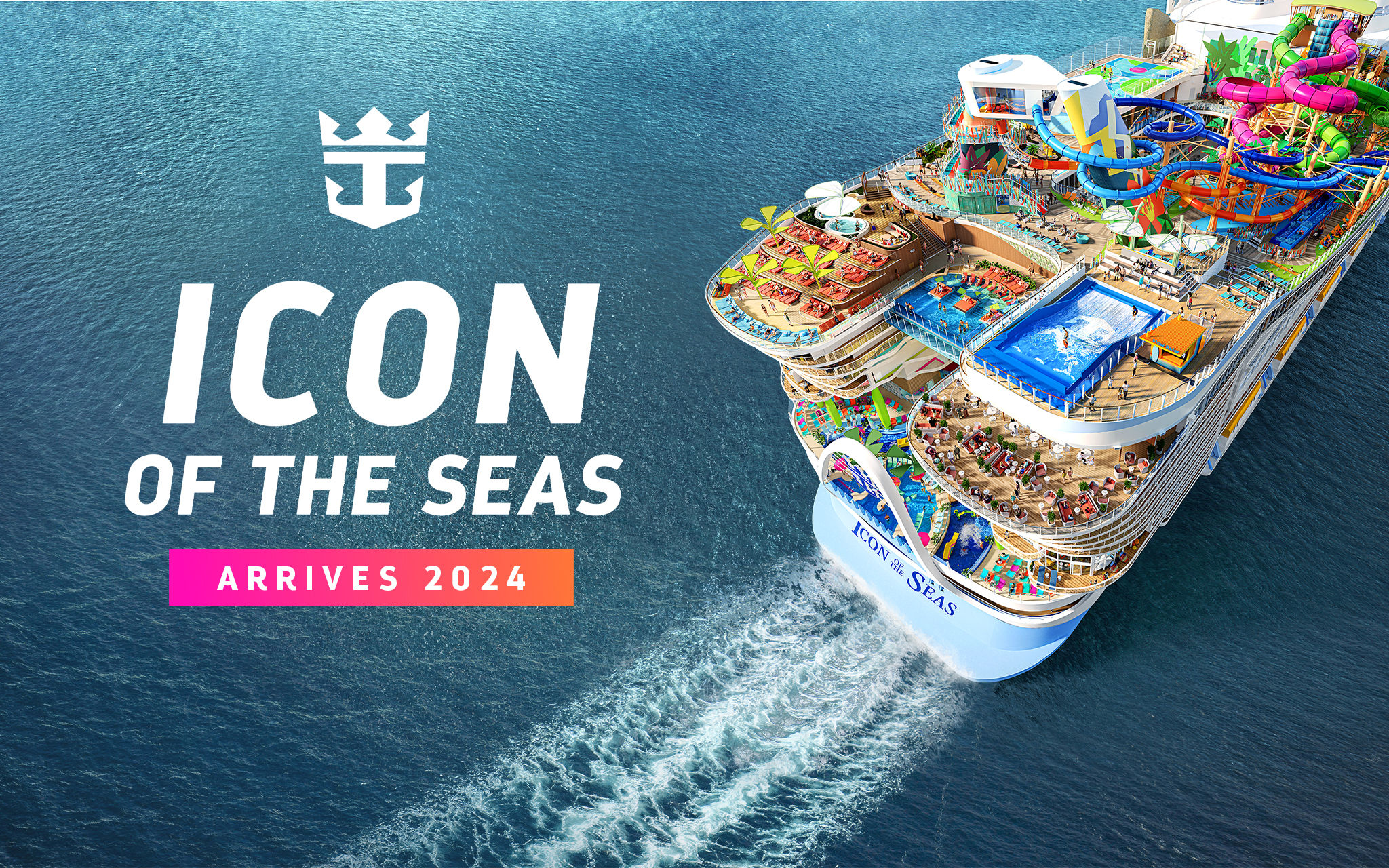
The 2025 Cruise Tails funding timeline outlines a structured, multi-phase capital deployment strategy for the luxury pet-friendly cruise concept. Spanning early seed capital, passenger booking deposits, ship retrofit funding, and regulatory compliance expenditures, this timeline governs the financial path toward launching pet-inclusive ocean charters onboard host vessels like Villa Vie Residences' Villa Vie Odyssey.
Understanding Cruise Tails and Its Financial Architecture
The niche cruise market has expanded beyond conventional leisure travel into specialized affinity charters. Cruise Tails emerged as a specialized venture designed to address a persistent gap in the ocean cruise industry: allowing pet owners—specifically dog owners—to travel internationally alongside their companion animals on long-term ocean voyages.
Traditional commercial cruise lines strictly prohibit non-service animals due to maritime sanitation codes, international border quarantine rules, and vessel design constraints. Cruise Tails established a dedicated charter model to overcome these operational barriers. Rather than constructing a new cruise ship from the ground up—a process requiring hundreds of millions of dollars in capital expenditure—the company adopted an asset-light model by chartering existing capacity on residential and long-term cruise vessels.
Cruise Tails Capital Flow Model:
- Phase 1: Seed & Escrow Framework: Private Capital & Legal Structuring
- Phase 2: Passenger Pre-Sales: Deposit Escrow & Infrastructure Capex
- Phase 3: Operational Compliance: Sanitation, Vet Suites & Port Clearances
- Phase 4: Charter Execution: Operational Cash Flow & Fleet Scaling
The Financial Dynamics of Pet-Inclusive Charters
Operating a pet-inclusive cruise line involves distinct financial drivers compared to standard commercial cruising:
- Capital Expenditure (CapEx) for Retrofitting: Modifying passenger decks to include synthetic turf relief areas, specialized HEPA air filtration in designated cabins, grooming facilities, and an onboard veterinary medical suite.
- Escrow and Passenger Deposit Management: Regulating pre-sale booking revenue under maritime consumer protection guidelines and charter guarantee contracts.
- Regulatory and Port Authorization Costs: Securing international veterinary clearances, bilateral biosecurity agreements, and agricultural import permits across multiple foreign destinations.
- Insurance and Liability Provisioning: Establishing specialized maritime liability policies covering animal health emergencies, onboard incidents, and vessel sanitation maintenance.
Disambiguation: Cruise Tails Venture vs. GM Cruise Autonomous Unit
When searching for funding timelines related to "Cruise," two distinct corporate entities frequently arise:
- Cruise Tails (Pet Cruise Venture): A private travel startup raising charter capital and booking deposits throughout late 2024 and 2025 to execute pet-friendly ocean sailings scheduled for late 2025 and 2026.
- Cruise LLC (General Motors Autonomous Vehicle Unit): General Motors' self-driving robotaxi subsidiary. In June 2024, General Motors committed an additional $850 million in operational funding to Cruise LLC following its late-2023 operational pause, structuring its capital allocation timeline across 2024 and 2025 to restart commercial testing and safety validation.
While both entities navigated critical financial and operational restructuring across the 2024–2025 period, this guide focuses on the funding timeline, capital deployment, and financial requirements of the Cruise Tails pet cruise venture.
Detailed 2025 Cruise Tails Funding Timeline
The execution strategy for Cruise Tails relies on a milestone-driven capital deployment plan. Each phase corresponds to specific operational targets required to transition from a conceptual charter agreement to an active ocean voyage.
2025 Funding Timeline:
- Q4 2024 - Q1 2025: Phase 1 - Private Seed & Partnership Agreements
- Q2 2025: Phase 2 - Passenger Booking Deposits & Escrow Capital
- Q3 2025: Phase 3 - Vessel Retrofit & Biosecurity Capital Allocation
- Q4 2025 - 2026: Phase 4 - Operational Deployment & Revenue Realization
Phase 1 (Q4 2024 – Q1 2025): Private Seed Capital and Charter Agreements
The initial funding window focused on establishing corporate infrastructure, securing maritime partnerships, and completing initial engineering feasibility studies.
- Capital Sourcing: Private seed investment, founder equity, and strategic partner commitments.
- Milestone Commitments: Formalizing the charter partnership with host vessel operators, specifically working in coordination with Villa Vie Residences and their long-term voyage platform, Villa Vie Odyssey.
- Financial Focus: Securing legal structures for animal welfare compliance, drafting escrow protocols for passenger deposits, and funding preliminary naval architecture assessments for pet relief zones on open deck spaces.
Phase 2 (Q2 2025): Passenger Booking Deposits and Pre-Sale Capital
The second stage shifted the funding mechanism from private seed equity to commercial revenue commitments via tiered passenger pre-sales and cabin deposits.
- Deposit Structures: Travelers interested in bringing pets were required to pay tiered cabin deposits, securing space for both human passengers and verified companion animals.
- Escrow Architecture: To meet maritime travel regulations, booking deposits are held in dedicated escrow accounts, releasing funds to operational accounts based on met charter conditions.
- Working Capital Deployment: Funding customer onboarding platforms, preliminary veterinary review systems, and pet profile verification protocols (such as microchip and vaccination compliance checks).
Phase 3 (Q3 2025): Vessel Retrofit and Biosecurity Capital Allocation
During the third quarter of 2025, capital allocation pivots heavily toward physical vessel preparation and international regulatory compliance.
- Onboard Modification Capex: Funding the physical installation of pet relief stations featuring automated flushing/cleaning systems, specialized turf, and dedicated waste disposal units.
- Medical Infrastructure: Capital allocation toward outfitting an onboard veterinary clinic, including diagnostic equipment, emergency medication storage, and hiring licensed veterinary staff.
- Biosecurity & Port Filings: Allocating funds to legal and biosecurity consultancies to clear port state control requirements in scheduled destinations, ensuring pets meet local quarantine exemptions upon arrival.
Phase 4 (Q4 2025 – 2026): Operational Deployment and Revenue Realization
The final stage of the 2025 timeline covers the transition from capital expenditure to live operational cash flows, culminating in the maiden pet-inclusive voyage.
- Revenue Recognition: Escrowed booking deposits are recognized as active operating revenue upon the commencement of the scheduled charter.
- Operational Expense Coverage: Ongoing cash flows cover specialized crew compensation, onboard veterinary care, dedicated pet concierge services, and port biosecurity inspection fees.
- Expansion Capital Planning: Reinvesting net operational yields toward securing multi-year charter contracts and expanding pet capacity on subsequent international itineraries into 2026.
Key Capital Allocations: Where the Funding Goes
Executing a pet-inclusive cruise charter requires specialized capital expenditure that traditional cruise lines do not incur. Understanding these expenditure categories provides clarity on why structured funding phases are essential.
Capital Expenditure Breakdown:
- [35%] Onboard Retrofits & Turf Systems: Deck Modifications & Filtration
- [25%] Biosecurity & Port Compliance: International Import Permits
- [20%] Medical Equipment & Vet Staffing: Onboard Clinic & Staffing
- [20%] Escrow Reserves & Liability Ins.: Passenger Protection & Risk Coverage
1. Onboard Retrofits and Environmental Engineering
Traditional ships are not engineered for pet waste management or animal movement. Capital must be directly allocated to:
- Deck Turf Stations: High-grade synthetic turf areas equipped with drainage and sanitation systems designed to withstand maritime weather and high usage.
- Air Filtration Upgrades: Installing HEPA filters and dedicated ventilation circuits in pet-designated staterooms to control dander and allergens.
- Safety Netting & Barriers: Fortifying deck railings and balcony enclosures with fine mesh to prevent animal falls or escape during sea transit.
2. Biosecurity and International Regulatory Approvals
Navigating international pet travel rules represents one of the largest indirect costs for Cruise Tails:
- USDA and CDC Protocol Compliance: For itineraries touching U.S. ports, strict guidelines from the U.S. Department of Agriculture (USDA) and the Centers for Disease Control and Prevention (CDC) regarding rabies titers and health certificates must be integrated into operating procedures.
- EU Pet Passport Integration: Voyages visiting European ports require pre-funded biosecurity clearance filings to prevent mandatory animal quarantines at foreign terminals.
- Port-by-Port Disembarkation Permits: Independent legal and agricultural agents must be retained at every scheduled port of call to inspect and clear animals prior to shore excursions.
3. Medical Infrastructure and Veterinary Staffing
To ensure safety on the high seas, a portion of the funding budget is allocated directly to onboard clinical setup:
- Onboard Veterinary Suite: Outfitting a specialized treatment room equipped for minor surgical procedures, oxygen therapy, diagnostics, and pharmaceutical management.
- Medical Personnel Allocation: Retaining full-time, licensed veterinarians and veterinary technicians who reside on board throughout the charter duration.
Financial Comparison: Cruise Tails Capital Model vs. Traditional Cruise Line Financing
Understanding how Cruise Tails finances its operations requires comparing its capital model against traditional cruise operators and standard affinity charters.
| Financial Parameter | Traditional Cruise Line (e.g., Carnival, Royal Caribbean) | Standard Affinity Charter (e.g., Theme/Music Cruises) | Cruise Tails Pet Charter Model |
|---|---|---|---|
| Primary Capital Need | Multi-billion dollar vessel construction & fleet maintenance | Ship charter fees & talent booking costs | Ship charter fees, pet retrofits, & biosecurity compliance |
| Funding Mechanism | Public debt, corporate bonds, equity issuance | Advance passenger ticket sales & promoter capital | Seed capital, escrowed booking deposits, & pet-fee surcharges |
| Pre-Voyage CapEx Level | Extremely High (years of shipyard construction) | Low (uses existing vessel facilities without alteration) | Moderate-High (requires physical vessel retrofitting) |
| Regulatory Capital Risk | Maritime safety & environmental compliance | Standard passenger travel liabilities | Multi-jurisdictional animal quarantine & biosecurity laws |
| Revenue Streams | Cabin fares, onboard casino, beverage packages, excursions | Cabin fares, merchandise, exclusive event access | Cabin fares, pet registration fees, grooming, & onboard vet services |
Financial Guidelines and Action Plan for prospective Travelers and Investors
For prospective travelers planning to reserve space on a Cruise Tails sailing, or for financial analysts monitoring niche maritime ventures, navigating the financial aspects of pet cruising requires careful verification.
How Passenger Booking Deposits Function as Capital
In specialized maritime charters, passenger deposits serve a dual purpose: securing consumer reservations and demonstrating market viability to host ship operators.
- Escrow Safeguards: Verify that booking deposits are placed in an independent, federally insured escrow account until the charter vessel completes its final voyage confirmation.
- Refund Contingencies: Review the terms outlining refund mechanisms in the event that port authorities deny pet landing permits or the host ship experiences operational delays.
- Fee Transparency: Account for all secondary pet travel costs beyond the base cabin rate, including mandatory veterinary health certifications, rabies antibody titer testing, and port biosecurity processing surcharges.
Step-by-Step Financial and Documentation Verification Checklist
Passengers planning to participate in the 2025–2026 Cruise Tails timeline should execute the following financial and medical steps:
Passenger Checklist & Verification:
- Step 1: Confirm Escrow Protocols for Cabin Deposits
- Step 2: Audit Personal Pet Health Budget (Titers, Microchips, Passports)
- Step 3: Verify Refund Policies for Biosecurity Denials
- Step 4: Purchase Third-Party Travel Insurance with Pet Travel Endorsements
- Step 1: Confirm Escrow Terms: Ensure your reservation deposit is backed by written merchant refund guarantees under standard consumer travel protection regulations.
- Step 2: Budget for Veterinary Clearances: Budget between $500 and $1,500 per pet for pre-cruise health documentation, including ISO-compliant microchipping, rabies vaccinations, and official USDA endorsement filings.
- Step 3: Secure Specialized Travel Insurance: Standard travel insurance policies rarely cover pet medical emergencies at sea or travel cancellations resulting from international biosecurity rejections. Purchase an expanded travel policy that explicitly includes companion animal coverage.
- Step 4: Monitor Milestone Progress: Track official announcements regarding vessel retrofitting dates and port clearances to ensure all operational benchmarks are met prior to final payment deadlines.
Frequently Asked Questions
What is the Cruise Tails 2025 funding timeline?
The 2025 funding timeline is a structured multi-phase financial strategy. It began with private seed capital in late 2024 and early 2025 to establish host ship partnerships, followed by Q2 2025 passenger deposit presales, Q3 2025 vessel retrofit and biosecurity expenditure, and culminating in Q4 2025 revenue recognition during its initial ocean charter.
How does Cruise Tails protect passenger booking deposits?
Passenger deposits for specialized charters are typically held in secure escrow accounts under maritime travel guidelines. These funds are designated for charter execution and are subject to contractual terms that protect consumer capital until primary operational and regulatory milestones are achieved.
Is Cruise Tails affiliated with General Motors' Cruise self-driving unit?
No. Cruise Tails is an independent private venture focused on pet-inclusive luxury ocean cruises. It is entirely unrelated to Cruise LLC, the autonomous vehicle company owned by General Motors, which maintains its own separate corporate funding schedule.
What are the main capital costs involved in launching a pet cruise?
The primary costs include vessel charter fees, onboard retrofitting for pet relief and sanitation systems, installing HEPA air filtration systems, outfitting an onboard veterinary clinic, purchasing specialized liability insurance, and paying international port biosecurity compliance fees.
What happens if foreign ports deny pet entry during the cruise?
If foreign biosecurity laws prevent pets from disembarking at specific ports, animals remain on board in dedicated care facilities managed by veterinary staff. The financial contingency plan includes retaining local biosecurity agents at every port to minimize clearance issues and secure advance approvals.
Are pet health expenses included in the cruise ticket price?
Base ticket prices generally cover cabin accommodation, passenger meals, and access to common onboard pet relief amenities. However, individual veterinary health certificates, microchipping, rabies titer tests, specialized grooming, and private onboard veterinary care incur separate fees borne by the pet owner.
Final Strategic Recommendation
For investors, industry observers, and pet owners evaluating the 2025 Cruise Tails funding timeline, success relies on balancing ambitious niche travel demand with rigorous maritime biosecurity compliance. Prospective travelers should confirm that their cabin bookings are held under clear escrow protections and verify that all individual pet health documentation aligns with international port state rules before making final payment commitments. Monitoring operational milestones—specifically vessel retrofit progress and biosecurity clearances—remains the most effective way to track the transition of this innovative travel concept into a sustained commercial operation.