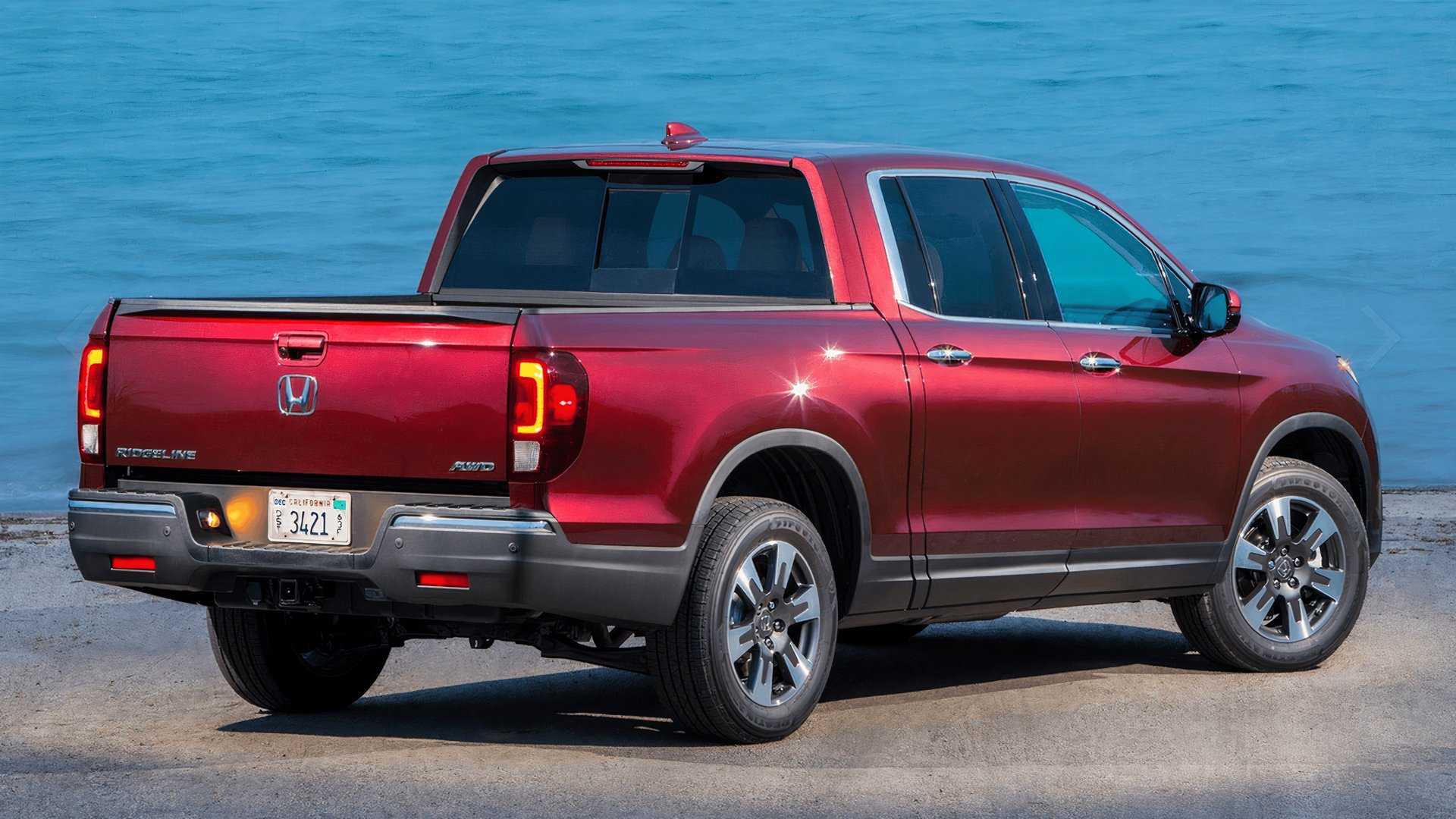
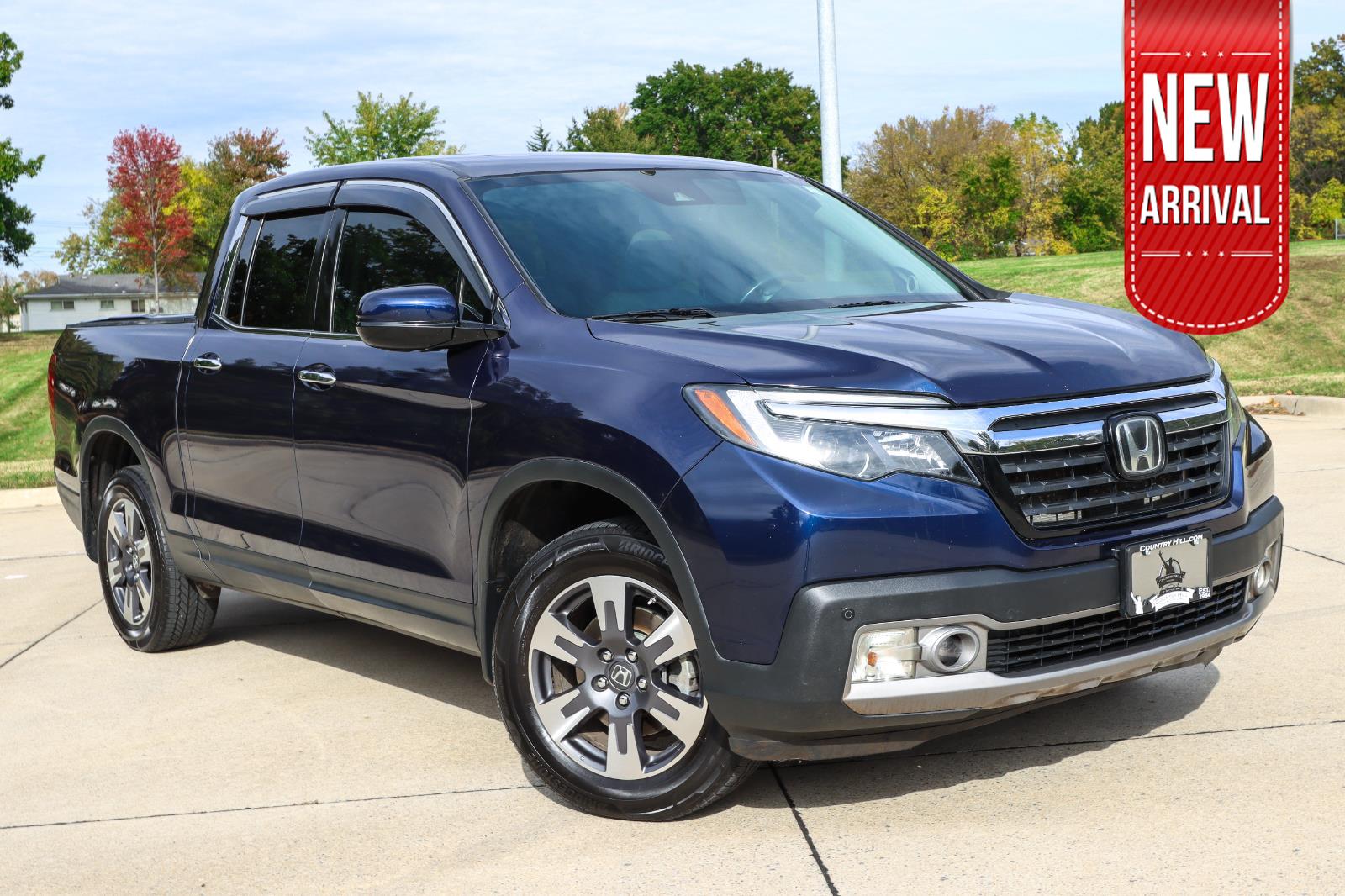
The market value of a 2017 Honda Ridgeline generally ranges between $12,000 and $20,500 depending on trim level, overall condition, mileage, and drivetrain configuration. As a second-generation midsize pickup built on a unibody platform, the 2017 model retains strong value due to its crossover-like ride comfort, reliable 3.5-liter V6 engine, and practical bed features.
Understanding the 2017 Honda Ridgeline’s Resale Market
When Honda reintroduced the Ridgeline for the 2017 model year after a two-year hiatus, it completely redesigned the truck. Moving away from the polarising, integrated-buttress design of the first generation, the 2017 model adopted a traditional pickup silhouette while retaining its underlying unibody chassis (shared in part with the Honda Pilot).
In the used vehicle market, truck values behave differently than midsize sedans or compact crossovers. Traditional body-on-frame trucks like the Toyota Tacoma and Chevrolet Colorado tend to hold high residual values due to perceived ruggedness and off-road capability. However, the 2017 Honda Ridgeline occupies a unique niche: it offers higher utility-per-dollar for suburban buyers, commuters, and light-duty truck users.
| Metric | Value |
|---|---|
| Original MSRP (2017) | $29,475 – $42,970 |
| Average Retained Value Range | 40% – 55% (Depending on Trim) |
| Dominant Mileage Bracket | 80,000 – 140,000 Miles |
Several key market dynamics govern the valuation of a 2017 Ridgeline:
- Unibody Construction Demand: Buyers seeking truck utility without the harsh ride, poor fuel economy, and cramped rear seating of traditional midsize trucks intentionally seek out the Ridgeline. This creates stable demand in the secondary market.
- Drivetrain Premium: All-Wheel Drive (AWD) models command a $1,500 to $2,500 premium over Front-Wheel Drive (FWD) variants, especially in northern regions subject to winter weather.
- Maintenance Milestones: Because the 2017 model year has reached the nine-year mark, vehicle values fluctuate significantly based on whether mandatory interval services—specifically the engine timing belt replacement—have been completed.
Trim Level Breakdown and Used Market Pricing
Honda offered the 2017 Ridgeline in seven distinct trim levels. Understanding what each trim offers is essential for evaluating whether an asking price reflects true market value.
2017 Honda Ridgeline Trim Hierarchy (Lower Equipment / FWD Focus to Standard AWD / Tech Loaded):
- RT
- RTS
- Sport
- RTL
- RTL-T
- RTL-E
- Black Edition
1. Base Trims: RT, RTS, and Sport
The RT, RTS, and Sport trims were designed as entry-level work and commuter trucks.
- RT: Features 18-inch alloy wheels, push-button start, a 5-inch color audio screen, dual-action tailgate, and in-bed trunk. It was primarily sold in FWD.
- RTS: Added keyless smart entry, remote engine start, tri-zone automatic climate control, and exterior fog lights.
- Sport: Primarily an appearance package based on the RTS, featuring black-painted alloy wheels, black exterior trim, and sport badging.
2. Mid-Tier Trims: RTL and RTL-T
The RTL and RTL-T bring luxury and connectivity features that boost long-term value.
- RTL: Introduces leather-trimmed seating, heated front seats, 10-way power driver’s seat, acoustic windshield glass, and available AWD.
- RTL-T: Upgrades the infotainment system to an 8-inch Display Audio touchscreen with Apple CarPlay, Android Auto, navigation, and an auto-dimming rearview mirror.
3. Top-Tier Trims: RTL-E and Black Edition
The highest-spec models come standard with Honda’s i-VTM4 All-Wheel Drive system and advanced technology.
- RTL-E: Adds the Honda Sensing safety suite (Collision Mitigation Braking, Lane Keeping Assist, Adaptive Cruise Control), a heated steering wheel, a 540-watt premium audio system, a truck-bed audio system (using exciters behind the bed walls), a 150W/400W in-bed power outlet, and a power moonroof.
- Black Edition: Mechanically identical to the RTL-E, but features gloss-black exterior trim, 18-inch black alloy wheels, red interior ambient lighting, and red-stitched black leather seats.
2017 Honda Ridgeline Trim Valuation Matrix
| Trim Level | Drivetrain Options | Original MSRP (2017) | Estimated Used Value (80k–120k Miles) | Key Value-Adding Features |
|---|---|---|---|---|
| RT | FWD Only | $29,475 | $11,500 – $13,500 | In-bed trunk, dual-action tailgate, 3.5L V6 engine |
| RTS | FWD / AWD | $31,515 – $33,415 | $12,500 – $14,500 | Tri-zone climate control, remote start, smart entry |
| Sport | FWD / AWD | $33,015 – $34,915 | $13,000 – $15,500 | Black alloy wheels, sport trim styling, tri-zone climate |
| RTL | FWD / AWD | $33,780 – $35,680 | $14,000 – $16,500 | Leather seating, heated front seats, power seats |
| RTL-T | FWD / AWD | $35,930 – $37,830 | $15,000 – $17,500 | 8-inch touchscreen, Apple CarPlay, Android Auto, Navigation |
| RTL-E | AWD Standard | $41,370 | $16,500 – $19,500 | Honda Sensing, Truck-Bed Audio, 400W bed outlet, sunroof |
| Black Edition | AWD Standard | $42,870 | $17,500 – $20,500 | Custom blacked-out styling, red ambient lighting, RTL-E tech |
Technical Specifications and Performance Drivers
The core mechanical components of the 2017 Ridgeline play a significant role in its current market valuation. Unlike traditional body-on-frame trucks that rely on solid rear axles, the Ridgeline uses a four-wheel independent suspension system.
| Feature | Specification |
|---|---|
| Engine | 3.5-Liter SOHC i-VTEC V6 (J35Y6) |
| Horsepower | 280 hp @ 6,000 RPM |
| Torque | 262 lb-ft @ 4,700 RPM |
| Transmission | 6-Speed Automatic (6AT) |
| Towing AWD | 5,000 lbs (Max) |
| Towing FWD | 3,500 lbs (Max) |
| Payload | 1,465 – 1,584 lbs (Trim Dependent) |
Engine: 3.5-Liter V6 (J35Y6)
Every 2017 Ridgeline is equipped with Honda’s direct-injected 3.5-liter Earth Dreams V6 engine. Producing 280 horsepower and 262 lb-ft of torque, this engine utilizes Variable Cylinder Management (VCM), which shuts down three cylinders under light load conditions to improve fuel economy. The engine delivers smooth acceleration and strong highway performance, though buyers should evaluate the VCM system for potential oil consumption issues over time.
Transmission: 6-Speed Automatic
The 2017 model utilizes a 6-speed automatic transmission. While reliable overall, early production models required specific technical service bulletins (TSBs) regarding transmission fluid degradation, which caused a torque converter "judder." Vehicles with recorded fluid flushes and software updates hold higher resale value than those showing neglect.
i-VTM4 All-Wheel Drive System
Honda’s Intelligent Variable Torque Management (i-VTM4) system is one of the truck's strongest selling points. Unlike primitive part-time 4WD systems found in traditional trucks, i-VTM4 is a full-time automatic system featuring an electro-hydraulically operated rear differential. It can send up to 70% of engine torque to the rear wheels and continuously vector 100% of that torque to either the left or right rear wheel. This gives the Ridgeline exceptional traction in snow, mud, and rain, significantly enhancing used market value compared to FWD models.
Critical Maintenance Factors Impacting Valuation
Because 2017 models have been on the road for several years, maintenance records are often more influential in determining a vehicle's value than minor cosmetic flaws. Buyers and sellers should account for three major mechanical milestones:
1. The 100,000-Mile / 7-Year Timing Belt Service
The 3.5-liter J-Series V6 engine uses a rubber timing belt rather than a timing chain. Honda specifies that the timing belt, hydraulic tensioner, water pump, and serpentine belt should be replaced every 100,000 miles or 7 years—whichever comes first.
- Value Impact: If a 2017 Ridgeline has passed 90,000 miles or 7 years without documented timing belt replacement, reduce its market value by $800 to $1,400 to cover the immediate maintenance cost. An engine failure resulting from a snapped timing belt will cause catastrophic valve damage.
2. Transmission and i-VTM4 Fluid Service Intervals
- Rear Differential Fluid: The i-VTM4 differential requires specialized Honda Dual Pump Fluid II (or VTM-4 fluid depending on exact service spec) changed at initial 7,500–15,000 mile intervals and every 30,000 miles thereafter. Neglect leads to rear differential chatter and expensive repairs.
- Transmission Fluid: The 6-speed automatic relies on clean fluid to prevent torque converter shudder. Service records showing fluid changes every 30,000 miles add tangible value.
3. Suspension and Brake Wear
Because the Ridgeline utilizes an independent rear suspension with control arms and coil springs, worn bushings, struts, or sway bar links can deteriorate ride quality. Vehicles with tight, noise-free suspensions command top-tier pricing.
Recalls and Known Issues to Verify
Before establishing the fair purchase price for a 2017 Ridgeline, verify that all safety recalls have been completed through the National Highway Traffic Safety Administration (NHTSA) vehicle database. Key historical items include:
- Tailgate Wiring Harness Recall: The wiring harness inside the dual-action tailgate can fatigue and break due to repeated opening, causing the backup camera to fail or screen blackouts when reversing. Honda issued a service campaign to replace the harness.
- Fuel Pump Feed Hole / High-Pressure Fuel Pump: Certain 2017–2019 Honda vehicles experienced issues where fuel pumps could fail or cracked fuel pump housings could cause fuel leaks.
- Torque Converter Judder (TSB 17-025 / TSB 17-026): A common issue on early 6-speed automatics where degraded transmission fluid causes a micro-seizure of the torque converter clutch. The fix involved updating the transmission software and performing a triple-flush of the transmission fluid.
Real-World Ownership Costs and Utility
Evaluating the financial value of a 2017 Ridgeline requires looking beyond the purchase price to total operating costs.
| Drivetrain | Fuel Economy Estimates |
|---|---|
| FWD Models | 19 MPG City / 26 MPG Highway / 22 Combined |
| AWD Models | 18 MPG City / 25 MPG Highway / 21 Combined |
Fuel Economy vs. Midsize Competitors
The 2017 Ridgeline offers superior fuel efficiency compared to equivalent 2017 V6 competitors like the Toyota Tacoma 4WD (18 MPG combined) or Nissan Frontier V6 (17 MPG combined). Over 15,000 annual driving miles, a Ridgeline driver can save several hundred dollars annually in fuel costs alone.
Bed Features and Suburban Utility
The 2017 Ridgeline’s bed provides unique functionality that maintains high appeal among personal-use truck buyers:
| Feature | Specification |
|---|---|
| In-Bed Trunk Volume | 7.3 cu. ft. (Lockable & Drainable) |
| Bed Width Between Arches | 48 inches (Flat Floor, Fits Plywood) |
| Tailgate Modes | Dual-Action (Swings Side / Drops) |
| Bed Construction | Glass-Fiber Reinforced Composite |
The ability to lay a standard 4x8 sheet of plywood flat between the wheel wells is a feature unmatched by traditional midsize body-on-frame competitors, whose wheel arches intrude into the cargo area.
2017 Honda Ridgeline vs. Key Competitors
When analyzing market value, comparing the 2017 Ridgeline against its direct midsize rivals reveals clear trade-offs in resale value, capability, and daily usability.
2017 Midsize Truck Comparison:
- Toyota Tacoma
- Highest Resale Value
- Rough Highway Ride
- Limited Rear Legroom
- Honda Ridgeline
- Smooth Unibody Ride
- Superior Cabin Space
- Lockable In-Bed Trunk
- Chevrolet Colorado
- High Towing Capacity
- Moderate Resale Value
- Traditional Truck Feel
1. Toyota Tacoma (2017)
- Resale Value: Tacoma holds higher residual value than the Ridgeline, often commanding $2,000 to $4,000 more for equivalent mileage.
- Trade-off: The Tacoma has a stiffer ride, drum rear brakes, limited rear legroom, and a lower seating position. The Ridgeline offers vastly superior ride comfort, interior space, and handling.
2. Chevrolet Colorado / GMC Canyon (2017)
- Resale Value: Ridgeline and Colorado track closely in secondary market pricing for gas V6 models.
- Trade-off: Colorado offers a higher maximum towing capacity (up to 7,000 lbs with the gas V6 or 7,700 lbs with the Duramax Turbo-Diesel) compared to the Ridgeline’s 5,000-lb max capacity. However, the Ridgeline provides better interior refinement and long-term reliability scores.
Pre-Purchase Inspection Checklist for Buyers
If you are evaluating a used 2017 Honda Ridgeline, use this practical inspection workflow to ensure you pay fair market value:
- Verify the Timing Belt Status: Check for a sticker under the hood indicating a timing belt change, or request service invoices. If missing on a truck with >90,000 miles, factor a $1,000 price deduction.
- Inspect the In-Bed Trunk: Ensure the trunk lid hinges operate smoothly, the rubber weather seal is intact, and the drain plug at the bottom is present.
- Test the Dual-Action Tailgate: Open the tailgate both downwards and laterally (swing-out mode). Latches can bind if unlubricated or if the vehicle was rear-ended.
- Conduct a Transmission Test Drive: Drive at low speeds (20–45 mph) under light acceleration. Pay attention to shuddering, vibration, or erratic shifting that signals degraded fluid or torque converter issues.
- Check Rear Differential Function: Perform full-lock low-speed turns in a parking lot. Clunking or groaning noises from the rear end indicate worn differential fluid or damaged clutches in the i-VTM4 unit.
- Scan for Honda Sensing Codes (RTL-E / Black Edition): Ensure dashboard light warnings for radar/camera systems are off, as sensor recalibrations after windshield replacements can cost $500+.
Frequently Asked Questions
What is the fair market value of a 2017 Honda Ridgeline?
Depending on condition, mileage, and region, a 2017 Honda Ridgeline typically sells for between $12,000 and $20,500. Lower trims like the RT or RTS with higher mileage fall at the lower end, while clean, low-mileage RTL-E and Black Edition models with standard AWD command top market prices.
Is the 2017 Honda Ridgeline reliable?
Yes, the 2017 Ridgeline generally scores high marks for long-term reliability. Its 3.5-liter V6 engine is robust. Potential buyers should, however, verify that routine services—including transmission fluid updates and timing belt replacements—were performed on schedule.
Does the 2017 Honda Ridgeline have a timing belt or timing chain?
The 2017 Honda Ridgeline 3.5-liter V6 engine uses a timing belt. Honda recommends replacing the timing belt, water pump, and tensioner every 100,000 miles or 7 years. Failure to complete this maintenance increases the risk of engine damage.
How much can a 2017 Honda Ridgeline tow?
When equipped with All-Wheel Drive (i-VTM4), the 2017 Honda Ridgeline has a maximum towing capacity of 5,000 lbs. Front-Wheel Drive (FWD) models are rated for up to 3,500 lbs. All models require a properly installed trailer hitch receiver and wiring harness.
What are the most common problems with a 2017 Honda Ridgeline?
The most frequently reported issues include transmission judder caused by fluid breakdown (resolved via TSB fluid flushes), tailgate wiring harness fatigue affecting the backup camera, and fuel injector failures on high-mileage engines.
Is the 2017 Honda Ridgeline good in snow?
AWD models equipped with the i-VTM4 system perform exceptionally well in snow. The system features vectoring rear differentials and dedicated terrain modes (Snow, Mud, Sand) that optimize traction control, throttle response, and torque distribution for slippery roads.
Final Recommendation: Is a Used 2017 Ridgeline Worth It?
The 2017 Honda Ridgeline represents one of the best overall values in the used midsize truck segment for buyers who prioritize daily comfort, interior room, fuel economy, and secure storage over extreme rock-crawling or heavy towing.
For the best blend of features and resale stability, target an RTL-T or RTL-E trim with full service records showing a completed timing belt replacement and regular i-VTM4 fluid changes. If buying from a private seller or independent dealer, hire an independent technician to conduct a pre-purchase inspection focusing on transmission behavior and suspension health before finalizing the price.