The 2014 Subaru Crosstrek Hybrid, Subaru’s first-ever hybrid vehicle, combined the rugged capability of the standard XV Crosstrek with a mild-hybrid electric system. However, this early venture into electrification brought unique mechanical and electrical problems, ranging from high-voltage battery degradation and complex charging faults to excessive oil consumption, transmission quirks, and persistent dashboard warning lights.
Introduction to the 2014 Subaru Crosstrek Hybrid
When Subaru introduced the Crosstrek Hybrid for the 2014 model year, it marked a significant milestone for the brand. Building upon the success of the standard gasoline-powered XV Crosstrek—which won over outdoor enthusiasts with its raised ground clearance and standard symmetrical all-wheel drive—the hybrid variant aimed to improve fuel economy without sacrificing utility. By integrating a permanent-magnet AC synchronous motor into the Lineartronic Continuously Variable Transmission (CVT) and pairing it with a nickel-metal hydride (NiMH) traction battery pack, Subaru sought to capture a share of the growing eco-conscious crossover market.
However, as a first-generation hybrid system from an automaker more accustomed to traditional boxer engines and mechanical all-wheel drive, the 2014 model has revealed distinct engineering challenges over time. While standard components like suspension and body panels share DNA with the conventional Crosstrek, the specialized hybrid architecture introduces specific failure points. Understanding these issues is vital for prospective buyers looking at the used market, as well as current owners attempting to diagnose erratic dashboard warnings or unexpected mechanical failures.
This comprehensive guide examines the most frequently reported problems with the 2014 Subaru Crosstrek Hybrid, exploring their symptoms, underlying causes, potential repair costs, and practical solutions.
High-Voltage Battery Degradation and Charging System Faults
At the heart of the hybrid system is the high-voltage traction battery. Over years of thermal cycling, charge-discharge cycles, and aging, the nickel-metal hydride (NiMH) battery pack in the 2014 Crosstrek Hybrid can experience capacity loss and cell imbalance.
Symptoms of Traction Battery Failure
When the high-voltage battery begins to degrade, drivers typically notice a severe drop in fuel economy, frequent transitions between the gasoline engine and electric motor that feel jerky or delayed, and a sudden reduction in electric-only driving range. More critically, battery management system (BMS) anomalies frequently trigger the "Check Engine" light, the hybrid system warning light, and the vehicle dynamics control (VDC) warning light simultaneously, often throwing diagnostic trouble codes (DTCs) related to battery block voltage disparities.
Diagnostics and Replacement Realities
Diagnosing a failing NiMH battery pack requires an advanced OBD-II scanner capable of reading individual cell block voltages. When a specific block drops below operational thresholds, the vehicle may enter a fail-safe "limp mode," restricting power output. Replacing the traction battery with an OEM unit from Subaru involves significant parts and labor expenses, often ranging between $3,500 and $5,500 including dealership programming. Some owners opt for aftermarket reconditioned packs or specialized hybrid specialist repairs, though quality and longevity can vary significantly.
Transmission Quirks and Lineartronic CVT Concerns
The 2014 Subaru Crosstrek Hybrid utilizes a modified version of Subaru's Lineartronic CVT, incorporating the electric drive motor directly into the transmission housing. While CVTs offer seamless gear ratios and improved efficiency, they have historically been a source of consumer complaints across multiple Subaru models of this era, and the hybrid variant is no exception.
CVT Shudder, Jerking, and Slippage
Owners frequently report a shuddering sensation or hesitation when accelerating from a dead stop, particularly when the vehicle transitions from electric motor propulsion to internal combustion engine power. This shudder is often caused by wear within the torque converter lock-up clutch or software calibration issues within the hybrid control module. Over time, mechanical wear inside the CVT can lead to belt slip, whining noises at highway speeds, and total transmission failure.
Software Flashes and Extended Warranties
Recognizing the widespread nature of CVT issues in vehicles from this production era, Subaru issued technical service bulletins (TSBs) and extended the warranty on the CVT for many 2014 models to 10 years or 100,000 miles. Affected owners experiencing shuttering or whining should verify if their vehicle qualifies for software updates or valve body replacements under this extended coverage, though vehicles exceeding the age or mileage limits must cover diagnostic and repair costs out of pocket.
Excessive Oil Consumption in the FB20 Boxer Engine
Like many Subaru models equipped with the 2.0-liter FB20 four-cylinder boxer engine from the 2011–2015 production years, the 2014 Crosstrek Hybrid is susceptible to excessive engine oil consumption.
The Root Cause of Oil Burning
The primary driver behind this issue is low-tension piston rings designed to minimize internal friction and maximize fuel economy. Under certain driving conditions, these rings allow engine oil to slip past into the combustion chamber, where it is burned off. Additionally, valve stem seals and PCV (Positive Crankcase Ventilation) valve failures can exacerbate oil loss.
Monitoring and Remediation
Drivers are strongly advised to check their engine oil level manually every fuel fill-up. Relying solely on the low-oil pressure dashboard light can be catastrophic, as by the time the light illuminates, the engine may already be dangerously low on oil, leading to premature bearing wear, timing chain tensioner failure, or catastrophic engine seizure.
Subaru previously settled class-action lawsuits regarding FB20 oil consumption, offering oil consumption tests and, where applicable, engine rebuilds or short-block replacements for qualifying vehicles within specific mileage and age thresholds. For most current 2014 model owners, however, these warranties have expired, leaving vigilant monitoring and manual top-offs as the primary daily defense.
Electrical Gremlins and Auxiliary Battery Drain
Beyond the high-voltage system, the 2014 Crosstrek Hybrid relies on a complex network of computers, sensors, and a traditional 12-volt auxiliary battery to run accessories and boot up the hybrid control systems.
Parasitic Drains and 12V Battery Failures
A common complaint among owners is a dead 12-volt battery after the vehicle sits parked for a few days. This is frequently caused by parasitic electrical drains within the infotainment system, keyless entry modules, or hybrid system computer modules that fail to "sleep" properly when the ignition is turned off. Furthermore, if the auxiliary 12V battery drops below a specific voltage threshold, the car's computers will refuse to boot up, preventing the high-voltage system from engaging and rendering the vehicle completely inoperable, even if the traction battery is fully charged.
Troubleshooting Electrical Faults
Isolating a parasitic draw requires a multimeter and a systematic fuse-pulling test to identify which circuit is drawing excessive current while the vehicle is parked. Replacing the auxiliary battery with a high-quality AGM (Absorbent Glass Mat) battery can alleviate random starting issues, but resolving software-based parasitic drains often requires reprogramming by a dealership or specialized independent Subaru technician.
Suspension, Steering, and Brake System Nuances
Because the hybrid model carries hundreds of pounds of extra weight compared to the standard Crosstrek—primarily due to the traction battery and electric motor components—its suspension and braking components experience accelerated wear.
Regenerative Braking Transitions
The braking system combines regenerative braking (which captures kinetic energy to recharge the hybrid battery) with traditional hydraulic disc brakes. Owners sometimes note an inconsistent or "grabby" pedal feel, particularly when transitioning from regenerative braking to mechanical friction brakes on bumpy or slick road surfaces. Brake actuator assembly failures, though less common, can lead to spongy pedal travel and warning codes requiring specialized bleeding procedures using Subaru's Select Monitor diagnostic tool.
Suspension Wear
The added weight places additional stress on MacPherson struts, control arm bushings, and wheel bearings. Premature clunking noises from the front end, uneven tire wear, and a looser steering response are common indicators that suspension components require replacement sooner than they might on a standard lightweight sedan or hatchback.
Summary of Common 2014 Subaru Crosstrek Hybrid Issues
| Problem Category | Primary Symptom | Root Cause | Potential Severity | Typical Repair Scope |
|---|---|---|---|---|
| High-Voltage Battery | Reduced MPG, hybrid warning lights, limp mode | Cell degradation, thermal wear, imbalance | High | Battery pack replacement or cell rebuild |
| Transmission (CVT) | Shuddering on acceleration, whining noise | Torque converter wear, belt slip, valve body faults | High | Fluid flush, valve body replacement, or new CVT |
| Engine Oil Consumption | Low oil levels, smoky exhaust, engine knock | Low-tension piston rings, worn valve seals | Moderate to High | Frequent manual top-offs or short-block replacement |
| 12V Electrical System | Random no-start, dead battery, warning lights | Parasitic computer draws, aging auxiliary battery | Moderate | Fuse isolation, software flash, or new AGM battery |
| Brakes and Suspension | Grabby pedal feel, clunking over bumps | Regenerative transition quirks, extra vehicle weight | Moderate | Brake fluid service, strut and bushing replacement |
Frequently Asked Questions
Is the 2014 Subaru Crosstrek Hybrid reliable compared to the non-hybrid model?
Generally, the standard gasoline-powered 2014 Crosstrek is considered more reliable simply because it lacks the complex high-voltage electronics, specialized CVT components, and dual-battery architecture found in the hybrid model. While the standard model shares the oil consumption tendencies of the FB20 engine, it avoids the expensive repair risks associated with hybrid battery and inverter degradation.
Can a degraded hybrid battery be rebuilt instead of replaced?
Yes. While Subaru dealerships typically recommend replacing the entire high-voltage battery assembly with a brand-new OEM unit, third-party hybrid specialty shops can often rebuild NiMH battery packs by replacing failing individual cells and balancing the remaining blocks. This approach significantly lowers repair costs, though it may offer a shorter warranty than a new factory battery.
Does the 2014 Subaru Crosstrek Hybrid qualify for any remaining factory warranties?
Most factory warranties—including the 3-year/36,000-mile basic warranty and the 5-year/60,000-mile powertrain warranty—have expired due to age. However, certain emissions-related components and specific extended CVT or hybrid component warranties issued via technical service bulletins or state-specific emissions mandates (such as California Air Resources Board requirements) should be verified directly with a local Subaru dealership using the vehicle's VIN.
What real-world fuel economy should I expect from a 2014 Crosstrek Hybrid?
While EPA estimates for the 2014 model hovered around 29 mpg city and 33 mpg highway, real-world fuel economy often ranges between 27 and 31 mpg combined, depending heavily on battery health, climate, and driving style. Because the hybrid system is relatively mild, drivers heavy on the throttle or operating in cold winter climates often see fuel economy figures very close to those of the standard non-hybrid Crosstrek.
How can I check for oil consumption before buying a used 2014 Crosstrek Hybrid?
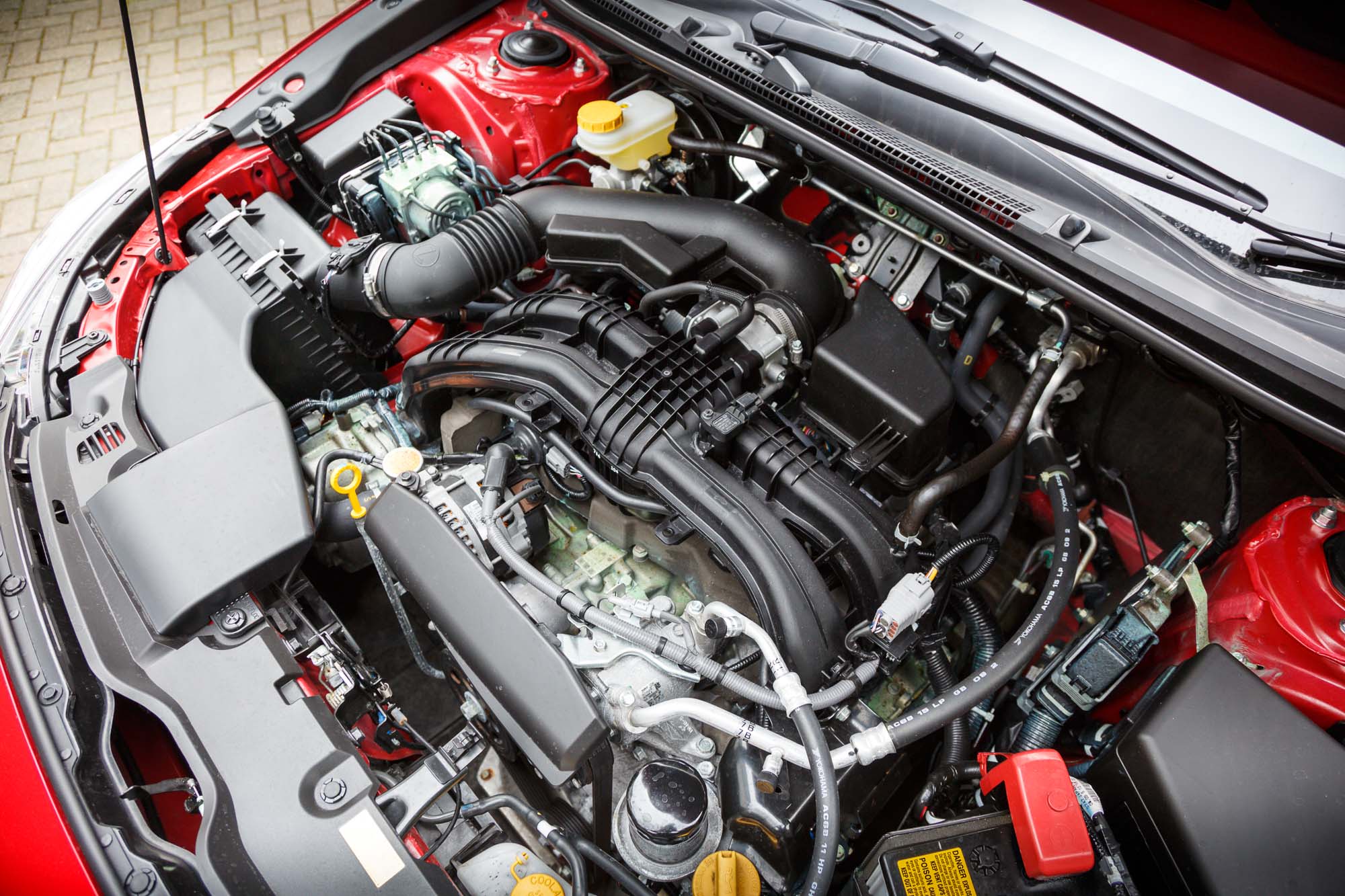
Checking for oil consumption on a used test drive can be challenging since sellers often top off the oil beforehand. Request complete service records to verify if the previous owner participated in oil consumption monitoring programs or received engine repairs. Additionally, inspect the exhaust tips for heavy black soot and check the engine bay for signs of leaks around the valve covers and timing chain cover.
Final Recommendations for Owners and Buyers
Owning or purchasing a 2014 Subaru Crosstrek Hybrid requires a balanced understanding of its unique mechanical ecosystem. If you already own one, prioritize proactive maintenance: check your engine oil levels weekly, test your 12V auxiliary battery annually, and address any transmission shudder or dashboard warning lights immediately before minor software issues escalate into major component failures.
If you are shopping for a used model, secure a pre-purchase inspection (PPI) from a technician experienced in hybrid powertrains. Ensure they pull live diagnostic data on the high-voltage battery's state of health and cell balance. By verifying these critical systems upfront, you can enjoy the Crosstrek's signature all-wheel-drive versatility and high ground clearance while avoiding unexpected, high-cost hybrid repair bills.