Modifying a 2012 Nissan Altima allows owners to modernize a classic fourth-generation (L32) vehicle, improving its handling, aesthetics, and engine responsiveness. Effective upgrades range from essential reliability fixes like CVT coolers to performance enhancements such as cold air intakes and coilovers. Focusing on balanced modifications ensures the vehicle remains a dependable daily driver while offering a personalized driving experience.
The 2012 Nissan Altima remains a popular choice on the used market in 2026 due to its sleek "coke-bottle" styling and the availability of the potent VQ35DE V6 engine. However, whether you own the fuel-efficient 2.5L inline-four or the performance-oriented 3.5L V6, the car is now well over a decade old. Modifying it today requires a dual approach: "Stage 0" maintenance to ensure the aging components can handle extra stress, followed by strategic upgrades that address the platform's specific weaknesses.
The Essential "Stage 0" and Reliability Modifications
Before diving into horsepower gains or aesthetic overhauls, the 2012 Altima requires specific reliability mods. The fourth-generation Altima is notorious for its Continuously Variable Transmission (CVT) and cooling issues. In 2026, most of these vehicles have high mileage, making these preventative steps the most important "mods" you can perform.
Transmission Cooling (The External CVT Cooler)
The single most impactful modification for any 2012 Altima equipped with a CVT is the installation of an auxiliary transmission cooler. The factory setup often struggles to dissipate heat during spirited driving or long highway hauls, leading to "limp mode" where the car limits RPM to protect the belt. By bypassing or supplementing the factory heat exchanger with a dedicated fin-and-plate cooler (such as those from Hayden or Mishimoto), you drastically extend the life of the fluid and the transmission itself.
Pre-Catalytic Converter Replacement
For the 2.5L QR25DE engine, the integrated exhaust manifold/catalytic converter is a known failure point. When the ceramic substrate inside the "pre-cat" begins to disintegrate, the engine’s EGR (Exhaust Gas Recirculation) system can actually suck those abrasive particles back into the combustion chamber, causing catastrophic engine failure. Replacing the stock manifold with a high-quality aftermarket header or a reinforced catalytic unit is a safety modification that also offers a slight bump in exhaust flow.
Performance Modifications for the QR25DE and VQ35DE
The 2012 Altima was offered with two very different engines. Your choice of performance mods will depend heavily on which block is under the hood.
Cold Air Intakes and Short Ram Intakes
A cold air intake (CAI) is often the first performance mod owners choose. For the 3.5L V6, an intake provides a significant change in the engine note, offering a deep growl under acceleration. In 2026, brands like K&N, Takeda, and Stillen remain the gold standard.
- Cold Air Intake: Places the filter in the fender well to draw in denser, cooler air. This yields the best power gains but carries a slight risk of hydrolock if driving through deep standing water.
- Short Ram Intake: Places the filter in the engine bay. It is easier to install and sounds great, but it can suffer from "heat soak," where the engine draws in hot air from the radiator, slightly reducing performance.
Exhaust Systems: Cat-Back and Axle-Back
The 2012 Altima’s factory exhaust is designed for silence, not flow. Upgrading to a 2.5-inch or 3-inch cat-back exhaust reduces backpressure.
- The V6 Sound: The VQ35 engine is famous for its unique "trumpet" exhaust note. A resonated cat-back system allows that sound to shine without the "drone" that plagues cheaper, unresonated setups.
- The I4 Sound: The 2.5L engine can sound "raspy" if the exhaust is too large. For this engine, an axle-back muffler swap is often preferred to give a deeper tone without losing the low-end torque necessary for CVT operation.
Engine Tuning and ECU Reflashing
While the CVT limits how much power you can realistically put to the ground, the V6 models benefit significantly from a tune via UpRev. A professional tuner can adjust fuel maps, ignition timing, and throttle response. This is particularly effective if you have already installed an intake and exhaust, as it allows the ECU to account for the increased airflow.
Suspension and Handling Upgrades
The 2012 Altima was designed as a comfortable mid-size sedan, meaning the factory suspension is soft and prone to body roll. Modernizing the handling makes the car feel significantly younger and more precise.
Coilovers vs. Lowering Springs
If you want to eliminate the "wheel gap" and improve cornering, you have two main paths:
- Lowering Springs (Eibach/H&R): These replace the factory springs on your existing struts. They offer a modest drop (1.0 to 1.5 inches) and a firmer ride. This is the most cost-effective way to improve the stance.
- Coilovers (BC Racing/Fortune Auto): These replace the entire strut and spring assembly. They allow for adjustable ride height, damping (softness/firmness), and sometimes camber. In 2026, many owners prefer coilovers because they allow for a perfectly dialed-in look and can be adjusted if the car is used for both daily commuting and occasional track days.
Sway Bars and Strut Tower Braces
To reduce body roll without sacrificing ride comfort, upgraded sway bars are the best investment. A thicker rear sway bar (RSB) helps the Altima rotate better through corners and reduces the "plowing" sensation (understeer) common in front-wheel-drive cars. A front strut tower brace ties the tops of the suspension together, sharpening steering response by reducing chassis flex.
Exterior and Aesthetic Customization
The L32 Altima has aged gracefully, but certain "dated" elements like halogen yellow headlights can be modernized with simple mods.
Lighting Upgrades
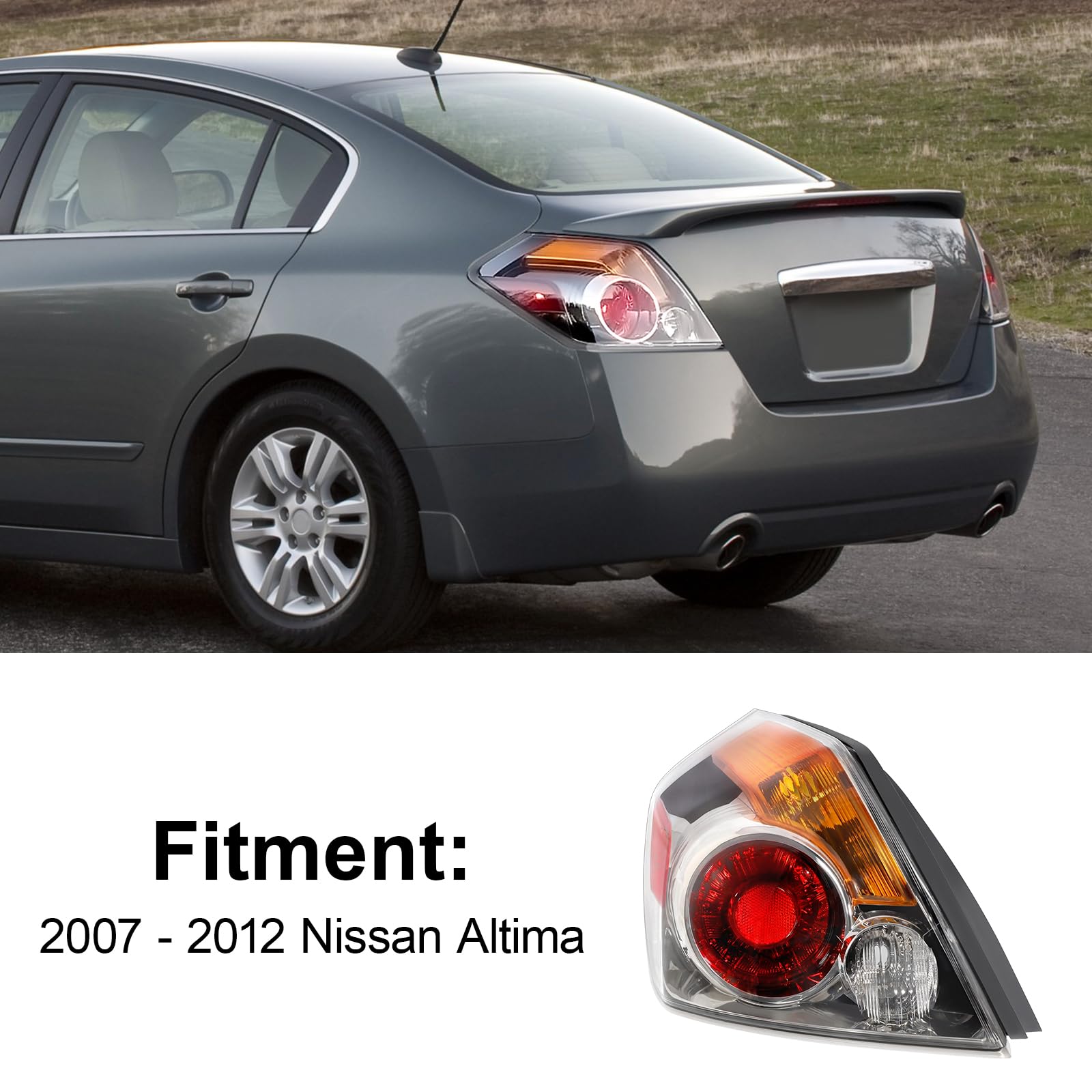
In 2026, LED technology is the standard. Replacing the factory halogen bulbs with high-output LED kits for the low beams and fogs instantly modernizes the front end. Many owners also opt for "GTR-style" headlights, which feature integrated LED daytime running lights (DRL) and a blacked-out housing, giving the car a much more aggressive presence.
Wheels and Fitment
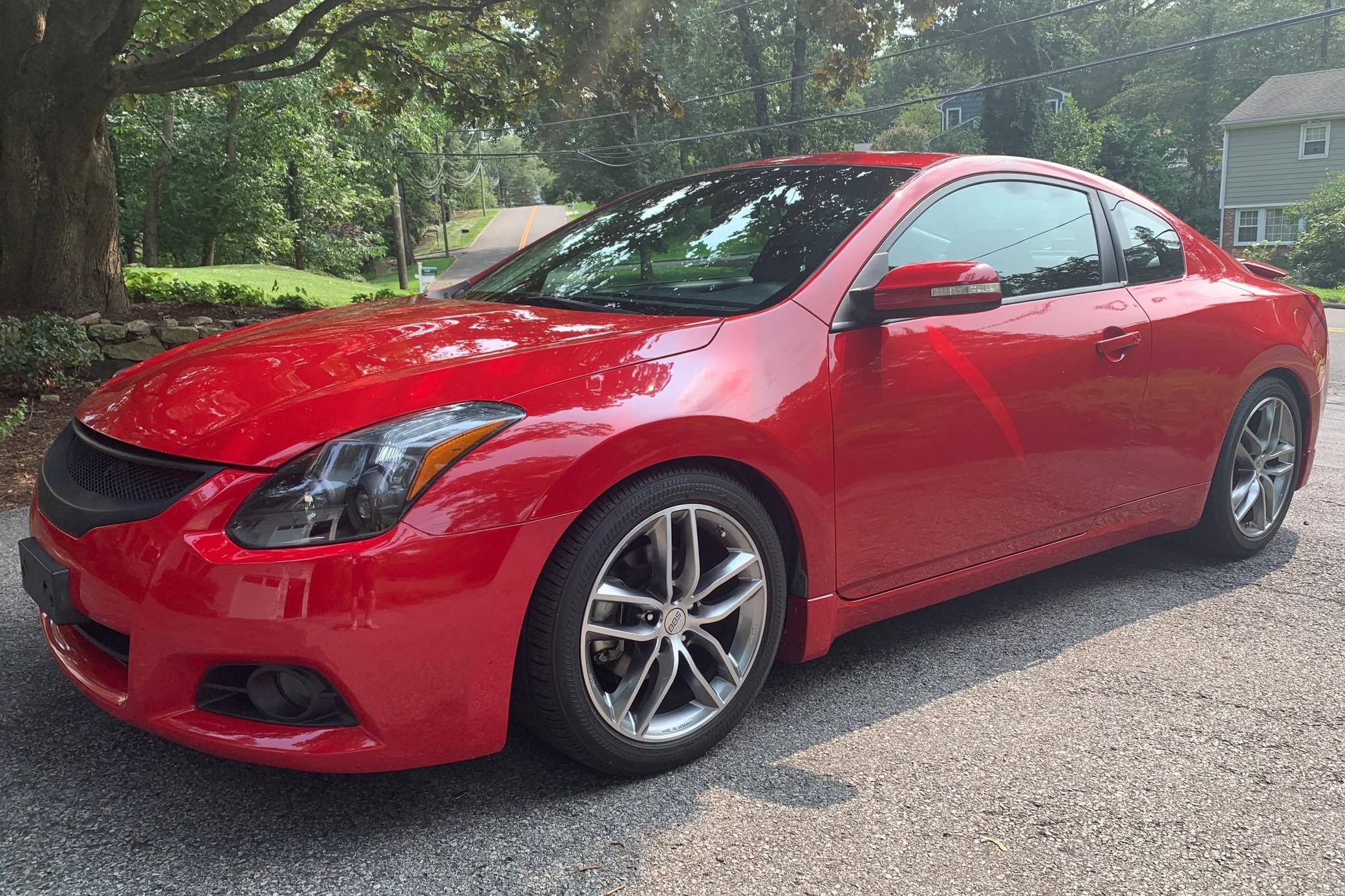
The stock 16-inch or 17-inch wheels often look undersized for the Altima’s flared wheel arches. Upgrading to 18-inch or 19-inch lightweight alloy wheels can transform the car.
- Sedan Fitment: 18x8 or 18x8.5 with an offset between +35 and +45 is the "sweet spot" for a flush look without requiring fender rolling.
- Coupe Fitment: The Altima Coupe can handle more aggressive offsets and wider tires, often accommodating 19-inch wheels effectively.
| Modification Type | Estimated Cost (2026) | Performance Impact | Difficulty Level |
|---|---|---|---|
| CVT External Cooler | $150 – $300 | Essential Reliability | Moderate (DIY possible) |
| Cold Air Intake | $250 – $450 | +5-10 HP / Sound | Easy |
| Lowering Springs | $250 – $350 | Handling / Aesthetics | Moderate |
| Full Coilovers | $1,000 – $1,400 | Superior Handling | Advanced |
| Cat-Back Exhaust | $600 – $1,200 | Flow / Sound | Moderate |
| CarPlay/Android Auto Head Unit | $300 – $700 | Interior Tech | Moderate |
| UpRev ECU Tune (V6 Only) | $500 – $800 | +15-25 HP / Response | Professional Only |
Interior and Technology Modernization
Because the 2012 Altima was designed before the ubiquity of high-definition touchscreens and smartphone integration, the interior is where the car shows its age the most.
Modern Infotainment Systems
Replacing the factory head unit with a double-DIN touchscreen that supports Wireless Apple CarPlay and Android Auto is the most functional interior mod. This provides modern navigation, hands-free calling, and high-quality music streaming. Many modern kits are "plug-and-play" and allow you to retain steering wheel controls using an adapter like the Axxess ASWC-1.
Sound Deadening
As cars age, interior rattles and road noise become more prominent. Applying butyl-based sound-deadening sheets (like Dynamat or Noico) to the inner door skins and the trunk floor significantly improves the audio quality of the stock speakers and makes the cabin feel like a more premium, modern vehicle.
Common Mistakes and Modifying Limitations
While the 2012 Altima is a capable platform, there are boundaries you should not cross to maintain the vehicle's usability.
- Over-Torquing the CVT: The CVT is the primary bottleneck. Attempting to add a turbocharger or nitrous oxide to a CVT-equipped Altima will almost certainly result in transmission failure. Stick to "bolt-on" mods (intake, exhaust, tune).
- Going Too Low: Extreme lowering can damage the oil pan, which sits relatively low on both the QR25 and VQ35 engines. If you live in an area with poor roads, stick to a modest 1.2-inch drop.
- Cheap HID Kits: Using high-intensity discharge (HID) bulbs in factory halogen reflector housings creates blinding glare for oncoming traffic and poor light projection. Always use dedicated LED bulbs or retrofitted projector housings.
FAQ
Can I modify a 2012 Nissan Altima with a CVT for racing? The CVT is not designed for the heat and torque of competitive racing. While you can improve the handling and throttle response for "spirited" street driving, the transmission's design makes it unsuitable for drag racing or heavy track use. An external cooler is mandatory if you plan on driving the car hard.
Will an intake and exhaust void my insurance or warranty? In 2026, the factory warranty on a 2012 model has long since expired. However, modifications can affect insurance premiums or claims if they are not disclosed. Always check local emissions laws (such as CARB in California), as certain performance intakes and headers may not be street-legal in all jurisdictions.
Is it worth modifying the 2.5L I4 model, or should I wait for a 3.5L V6? The 2.5L is a great daily driver and responds well to suspension and aesthetic mods. However, if your primary goal is speed and horsepower, the V6 (VQ35DE) is the superior platform. The V6 has significantly more aftermarket support for engine internals and tuning.
What is the best "first mod" for a 2012 Altima? If you have a CVT, the best first mod is an external transmission cooler. If you have already addressed reliability, a rear sway bar or a high-quality set of tires provides the most "felt" difference in how the car drives day-to-day.
Moving Forward with Your Build
The best way to approach a 2012 Nissan Altima build is to prioritize balance. Start by ensuring the transmission is cooled and the maintenance is up to date. Once the foundation is solid, upgrade the suspension to tighten the handling, and then move to "bolt-on" engine parts for better sound and response. By focusing on quality parts over the cheapest options, you can transform a 14-year-old sedan into a modern, stylish, and engaging vehicle that stands out in 2026.