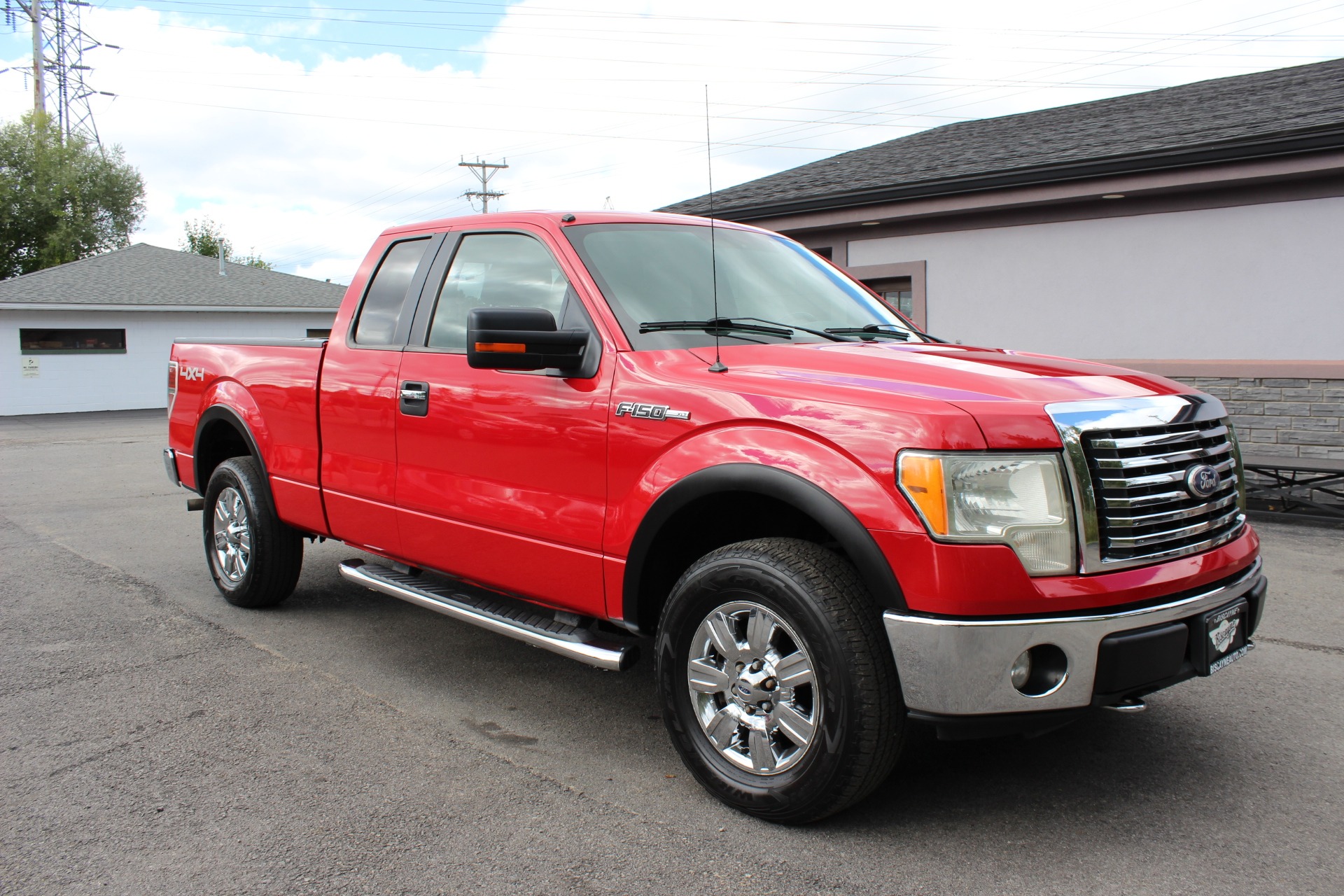
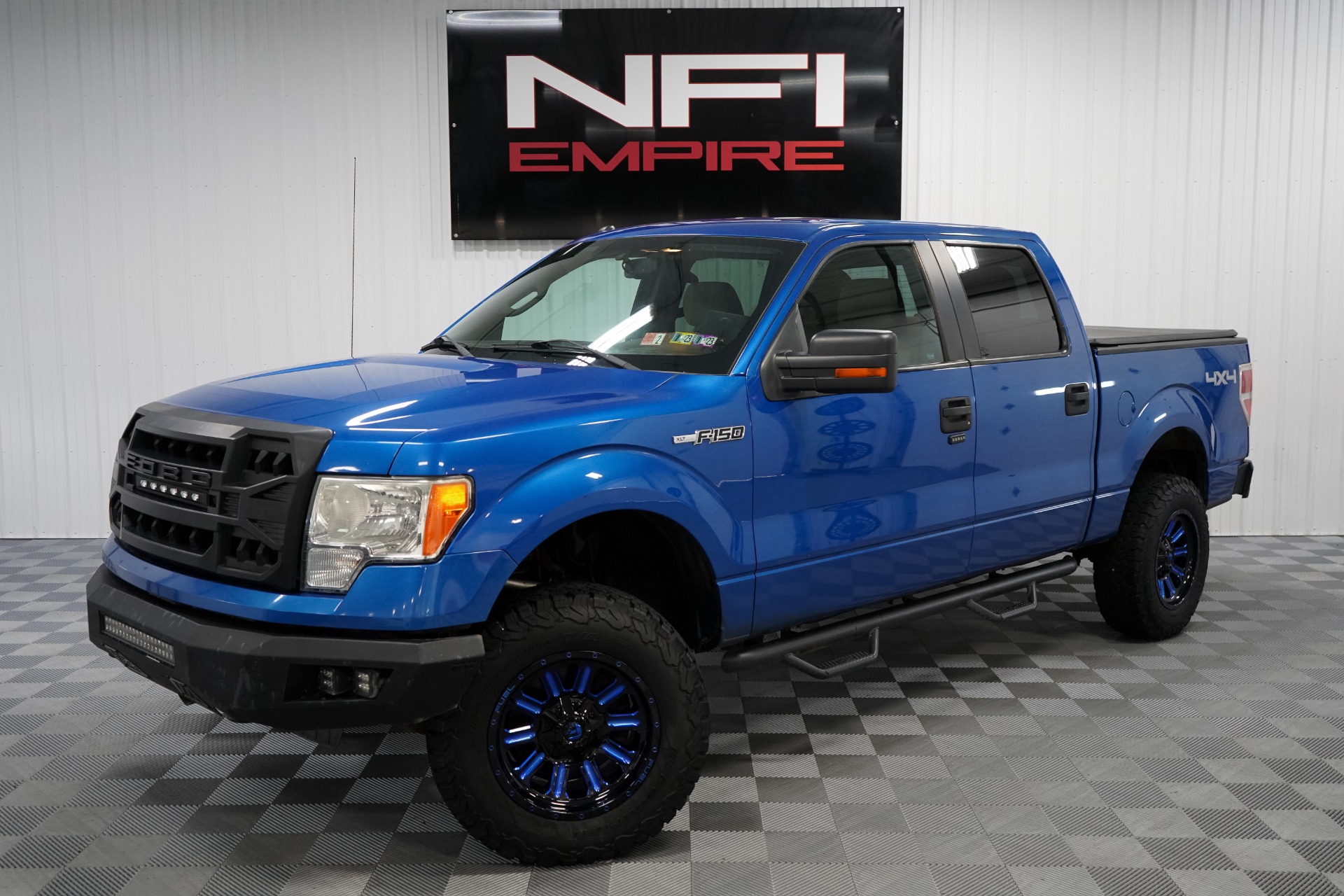
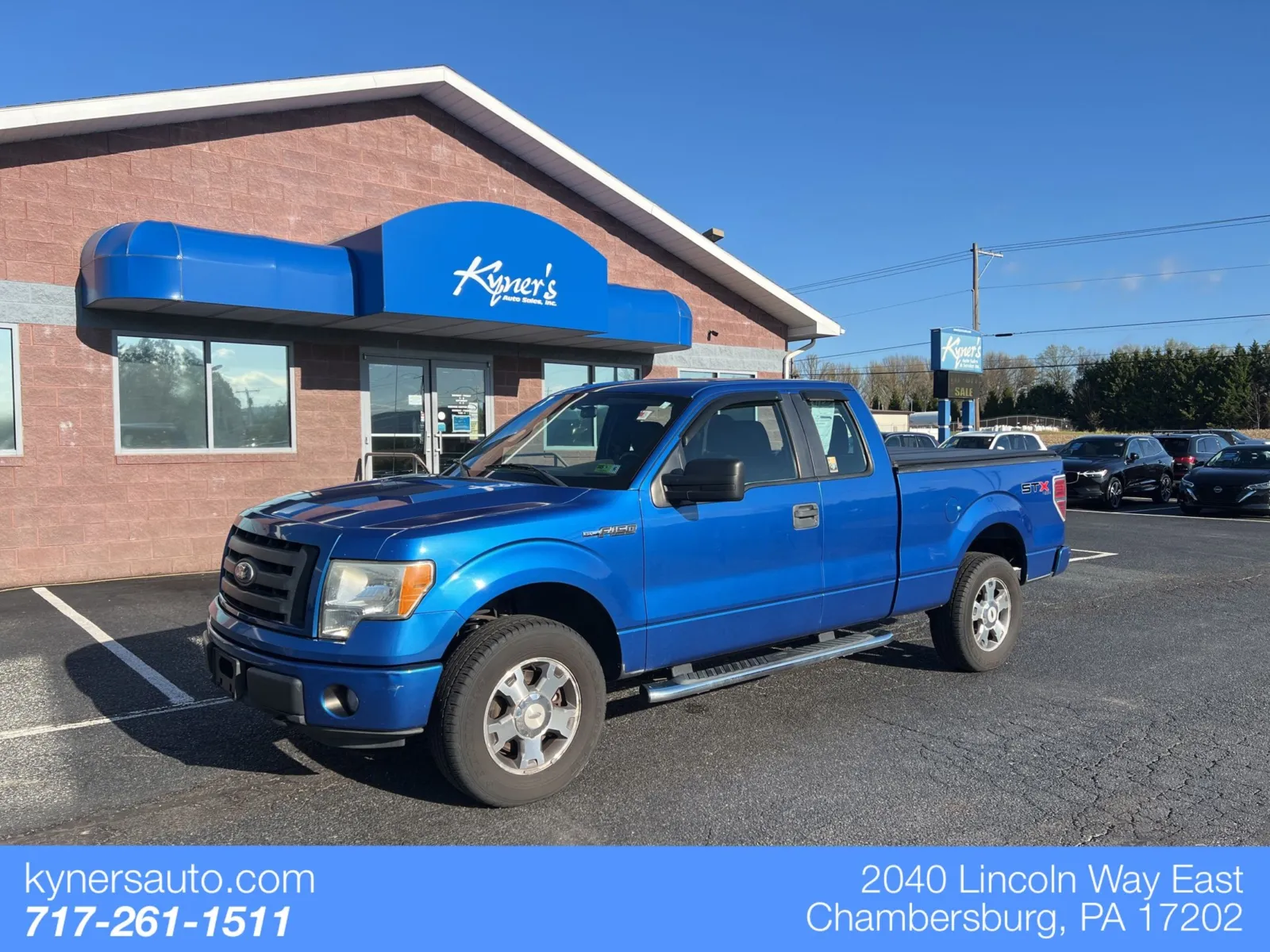
Evaluating the 2010 Ford F-150 value requires looking at a mix of historical vehicle data, current used truck market conditions, trim levels, engine options, and physical condition. As a half-ton pickup from the twelfth generation of the F-Series, this model year bridges the gap between older utilitarian work trucks and modern, feature-rich consumer haulers. Determining what a 2010 Ford F-150 is worth involves assessing everything from its odometer reading and rust status to whether it features the reliable 4.6L V8, the workhorse 5.4L Triton V8, or the basic 4.6L V6.
Historical Context and Market Positioning of the 2010 Ford F-150
The 2010 model year arrived during a pivotal time for full-size American pickup trucks. Building upon a comprehensive redesign introduced for the 2009 model year, the 2010 Ford F-150 benefited from updated styling, a fully boxed frame, improved payload and towing capacities, and the introduction of the luxury-oriented Platinum trim alongside existing variants like the XL, XLT, FX4, and Lariat.
When evaluating the market value of a 2010 Ford F-150, buyers and sellers must recognize that this vehicle predates the widespread adoption of EcoBoost turbocharged V6 engines (which arrived for the 2011 model year). Instead, the 2010 lineup relies entirely on naturally aspirated modular V8 engines and a single V6. This mechanical identity influences current valuation, as buyers looking for simplicity often favor these older powertrains, while others seek out the newer technology found in post-2011 models.
Furthermore, the longevity of the F-Series means that a vast majority of these trucks have accumulated substantial mileage. A truck with fewer than 150,000 miles is increasingly scarce, while high-mileage examples (over 200,000 miles) command a different pricing tier entirely. Understanding how these factors interact helps establish a realistic baseline for pricing, whether you are buying from a private party, trading in at a dealership, or insuring the vehicle.
Key Factors Influencing Used Truck Valuation
Vehicle valuation is never a one-size-fits-all metric. Several distinct variables dictate the real-world transaction price of a 2010 Ford F-150. Recognizing these parameters allows buyers to avoid overpaying and sellers to price their trucks competitively.
Trim Level and Factory Options
The 2010 F-150 spanned a wide spectrum from bare-bones fleet vehicles to leather-lined cruisers. Trim levels heavily dictate base value:
- XL: The utilitarian base model, typically featuring vinyl floors, manual windows, and steel wheels. Valued primarily by contractors and budget-conscious buyers.
- XLT: The volume seller, featuring power windows, cloth seats, and chrome trim. It represents the baseline for most everyday used truck transactions.
- FX4: The off-road-oriented trim, equipped with skid plates, Rancho shocks, and electronic locking differentials, appealing heavily to recreational buyers.
- Lariat and Platinum: Premium trims offering leather upholstery, advanced infotainment (such as early versions of SYNC), dual-zone climate control, and wood-grain accents. These command a higher initial value, though electronic components can become liability points over time.
Engine and Powertrain Specifications
The 2010 lineup featured three primary engine configurations, each impacting utility and long-term valuation:
- 4.6L 2-Valve V6/V8 and 4.6L 3-Valve V8: The 4.6-liter engines offer modest power compared to the 5.4-liter option, but they are often viewed favorably by mechanics for their straightforward nature, though they lack heavy towing punch.
- 5.4L 3-Valve Triton V8: Generating 310 horsepower and 365 lb-ft of torque, this engine provides the maximum towing capacity for the 2010 model year. Buyers must check for historical maintenance records regarding oil changes and timing components, as early Triton engines require attentive upkeep.
- Transmission: A 4-speed automatic was paired with the base 4.6L, while a 6-speed automatic transmission came standard with the 5.4L and the 3-valve 4.6L. The 6-speed units generally improve fuel economy and driving dynamics, preserving higher resale value.
Condition, Mileage, and Location
Mechanical health and cosmetic presentation remain paramount. A clean-title truck with a documented service history commands a significant premium over a salvaged or heavily weathered vehicle. Regional factors, such as the infamous "Rust Belt" corrosion on rocker panels and cab corners, can drastically depress value. Trucks originating from the Southwest or Pacific Northwest generally maintain higher structural value due to the absence of road salt.
Estimated Price Ranges by Trim and Condition
Because used vehicle markets fluctuate based on regional demand, seasonal shifts, and economic conditions, exact dollar figures vary. However, historical pricing data and aggregate valuation trends from automotive platforms outline realistic ranges for a 2010 Ford F-150.
| Trim Level | Condition Tier | Typical Mileage Range | Estimated Price Range |
|---|---|---|---|
| XL (Base) | Fair to Good | 150,000 – 200,000+ | $4,500 – $7,500 |
| XLT | Good to Very Good | 120,000 – 170,000 | $7,000 – $11,000 |
| FX4 | Very Good | 100,000 – 150,000 | $9,500 – $14,000 |
| Lariat / Platinum | Clean / Well-Maintained | 90,000 – 130,000 | $11,000 – $16,500 |
Note: Exceptional, low-mileage collector-grade examples or heavily modified trucks can occasionally fall outside these ranges, though they are rare for this vintage.
Common Mechanical Considerations Affecting Valuation
When inspecting a 2010 Ford F-150 to determine its value, specific mechanical tendencies require careful evaluation. Identifying these issues during a pre-purchase inspection can save thousands of dollars in post-purchase repairs and directly alter what a buyer should be willing to pay.
Spark Plug Design and Maintenance
The 5.4L 3-valve engine in the 2010 model year benefited from a redesigned cylinder head and spark plug compared to the notoriously problematic 2004–2008 versions. However, routine changes remain critical. Seized plugs or neglected ignition coils can cause engine misfires, leading to rough idling and reduced diagnostic codes. Verify when the spark plugs and boots were last replaced.
Cam Phasers and Timing Chain Wear
Like many overhead-cam engines of this era, the 5.4L Triton V8 can experience wear in the timing chain guides and cam phasers. A telltale "diesel-like" ticking or knocking noise from the front of the engine, particularly when warm, indicates potential timing component wear. Replacing these parts is labor-intensive and expensive, which should immediately devalue a prospective purchase by several thousand dollars if symptoms are present.
Suspension and Steering Component Wear
With over a decade of road use, front suspension components such as ball joints, tie rod ends, control arms, and wheel bearings frequently require replacement. Inspecting the vehicle on a lift reveals whether the previous owner maintained the chassis grease points and suspension bushings. Clunking over bumps or uneven tire wear indicates impending repair costs that must be factored into the truck's overall value.
Comparing the 2010 Model to Adjacent Years
Understanding how the 2010 model compares to its immediate predecessors and successors helps contextualize its market pricing.
- 2008 Ford F-150: Represents the final year of the eleventh generation. These trucks generally command lower prices due to older styling, a less robust frame structure, and early 5.4L spark plug design issues.
- 2009 Ford F-150: The introduction year of the twelfth generation. While sharing identical exterior styling with the 2010 model, 2009 models occasionally suffer from first-year production quirks or less refined interior ergonomics, sometimes making them slightly cheaper than a comparable 2010.
- 2011 Ford F-150: Marked the introduction of entirely new engines, including the 3.7L V6, 5.0L Coyote V8, 6.2L V8, and 3.5L EcoBoost V6. Because of these modern powerplants and higher towing capacities, 2011 and newer models generally hold higher values, making the 2010 an attractive, budget-friendly alternative for buyers who prefer traditional, naturally aspirated V8 engines without direct-injection complexity.
Frequently Asked Questions
How many miles can a 2010 Ford F-150 last?
A well-maintained 2010 Ford F-150 routinely surpasses 200,000 to 250,000 miles before requiring major engine or transmission overhauls. Longevity depends heavily on consistent oil change intervals, transmission fluid maintenance, and avoiding chronic overloading. Trucks used primarily for light-duty personal use generally reach higher milestones with fewer component failures than heavy commercial fleet units.
Is the 5.4L Triton engine in the 2010 model reliable?
The 5.4L 3-valve engine in the 2010 model resolved the dangerous two-piece spark plug breaking issue found in 2004–2008 trucks. However, it remains sensitive to oil change frequency. Neglected maintenance can lead to oil pressure drops, cam phaser noise, and timing chain wear. When properly serviced with high-quality synthetic oil every 5,000 miles, this engine is reasonably dependable.
Does rust severely impact the resale value of a 2010 F-150?
Yes. Structural and cosmetic rust significantly depreciates the value of a 2010 Ford F-150. Surface rust on the frame can often be treated, but extensive rot on the rocker panels, cab corners, and wheel arches—common issues on twelfth-generation F-150s driven in northern climates—requires expensive bodywork that frequently exceeds the cost-to-value ratio of the truck.
How do I check the official market value of a specific 2010 F-150?
To determine an accurate price for a specific vehicle, consult industry-standard valuation guides such as Kelley Blue Book (KBB), Edmunds, and NADA Guides (J.D. Power). Enter the exact VIN, mileage, zip code, condition rating, and drivetrain configuration (4x2 vs. 4x4) to account for regional pricing variations and local market demand.
Are 4WD models significantly more expensive than 2WD models?
In regions prone to snow, mud, or off-road recreation, four-wheel-drive (4WD) models command a $2,000 to $4,000 premium over equivalent two-wheel-drive (2WD) configurations. In southern or coastal regions where winter traction is not a primary concern, the price gap narrows, though 4WD trucks still maintain higher overall liquidity and demand.
Final Recommendation and Next Steps
When assessing the value of a 2010 Ford F-150, prioritize mechanical verification over cosmetic appearance. Always request a comprehensive maintenance history report, inspect the frame for structural rust, and arrange for an independent mechanic to perform a pre-purchase inspection focusing on the transmission, suspension, and engine timing components. Use validated online pricing guides combined with local market listings to ensure your purchase or sale price reflects current regional conditions.