Configuring or utilizing a Simple Mail Transfer Protocol (SMTP) server on Windows 7 requires understanding its legacy architecture, security limitations, and administrative prerequisites, especially given that Microsoft ended extended support for the operating system in January 2020.
Navigating the mechanics of an SMTP server on Windows 7 involves understanding deprecated built-in features like IIS SMTP, adopting modern TLS security requirements, and employing third-party mail relay solutions for reliable email delivery.
1. The Legacy Status of IIS SMTP on Windows 7
Windows 7 includes Internet Information Services (IIS) 7.5, which features a built-in SMTP virtual server component, though it is not installed by default. This tool was historically used by developers for local application testing and by small offices for internal mail relaying.
However, because Microsoft officially retired Windows 7 on January 14, 2020, relying on native IIS SMTP components introduces severe security vulnerabilities. The built-in SMTP service does not receive security patches, leaving it exposed to unpatched vulnerabilities that modern network intruders can exploit. Consequently, using native IIS SMTP for production environments or outward-facing applications presents an unacceptable operational risk.
2. Installation Prerequisites and Component Activation
To access the built-in SMTP server features within Windows 7 Professional, Enterprise, or Ultimate editions, administrators must enable the IIS management tools and SMTP server features through the Control Panel.
This process requires navigating to "Programs and Features," selecting "Turn Windows features on or off," and expanding the "Internet Information Services" tree to locate "SMTP Server."
- Control Panel
- Programs and Features
- Turn Windows features on or off
- Internet Information Services
- Email Services
- SMTP Server
- Email Services
- Internet Information Services
- Turn Windows features on or off
- Programs and Features
Once enabled, the service can be managed via the legacy IIS 6.0 Management Console, a tool carried over from earlier Windows architectures to handle SMTP and FTP configurations. Users running Windows 7 Home Basic or Home Premium editions cannot access this feature, as these editions lack IIS and SMTP service capabilities entirely.
3. Strict Port Configuration and Modern ISP Restrictions
Configuring ports on a Windows 7 SMTP server requires careful attention to network topology and Internet Service Provider (ISP) policies. Historically, unencrypted email submission occurred over Port 25.
Today, almost all major ISPs block outbound Port 25 traffic for residential and standard business connections to curb botnet spam propagation.
- Port 25: Traditionally used for unencrypted server-to-server relay and legacy client submission; heavily blocked by ISPs.
- Port 587: The industry-standard port for secure mail submission (SMTP over TLS/STARTTLS).
- Port 465: Frequently used for SMTPS (SMTP wrapped in SSL/TLS from the initial connection), though officially reassigned by the IANA.
When configuring a Windows 7 mail client or local relay, administrators must reroute traffic through Port 587 or Port 465 and authenticate against an external mail relay (such as Microsoft 365, Google Workspace, or a dedicated SMTP relay provider) rather than attempting direct delivery over Port 25.
4. The Security Crisis: TLS 1.2 and Outdated Cryptography
Security protocols represent the most critical challenge for running any network service on Windows 7. Out of the box, Windows 7 supports TLS 1.0 and TLS 1.1, but it does not natively enable TLS 1.2 or TLS 1.3, which are required by virtually all modern email service providers (including Microsoft Exchange Online and Google Mail).
Attempting to connect a native Windows 7 application or IIS SMTP service to a modern secure mail server will typically result in handshake failures, connection drops, or cryptographic errors.
To achieve TLS 1.2 compatibility on Windows 7, administrators must install specific platform updates (such as KB3140245), modify the Windows Registry to enable strong cryptography protocols by default, and ensure that .NET Framework 4.5 or higher is installed to handle modern cipher suites. Even with these patches, maintaining compliance with current security baselines on an unsupported operating system remains an administrative burden.
5. Relay Restrictions and Open Relay Vulnerabilities
An open relay is an SMTP server configured in a way that allows anyone on the internet to send email through it, regardless of where the message originated or where it is destined. Unsecured IIS SMTP configurations on Windows 7 are notorious for defaulting to insecure relay postures if not meticulously locked down.
To prevent a Windows 7 machine from becoming a spam distribution node, administrators must configure strict access control lists (ACLs) within the IIS 6.0 Manager.
- IP Restrictions: Limit relay permissions strictly to localhost (
127.0.0.1) or specific internal subnet ranges. - Authentication: Enforce Windows Integrated Authentication or basic authentication over TLS.
- Domain Restrictions: Explicitly define which domains the server is permitted to relay mail for, blocking unauthorized external domains.
Failing to implement these restrictions can lead to immediate IP blacklisting by spam-filtering organizations like Spamhaus, rendering the server's public IP address incapable of legitimate mail delivery.
6. Authentication Hurdles with Modern Mail Providers
The built-in IIS SMTP service in Windows 7 lacks native support for modern authentication standards such as OAuth 2.0 or Multi-Factor Authentication (MFA).
As major email providers deprecate basic authentication (username and password over plain text or standard SASL) in favor of token-based authentication, configuring legacy servers to relay through external providers becomes exceedingly difficult.
| Authentication Type | Supported by IIS SMTP (Win 7)? | Security Status |
|---|---|---|
| Basic Auth (Insecure) | Yes | Deprecated / High Risk |
| Basic Auth over TLS | Yes (with registry tweaks) | Being phased out by major providers |
| OAuth 2.0 / Token-based | No | Current Industry Standard |
| Multi-Factor (MFA) | No | Required for administrative access |
Organizations attempting to route local alerts or application emails from a Windows 7 environment through cloud mail services must often implement an intermediate auth-proxy or switch to third-party local SMTP client software that supports modern security standards.
7. Third-Party SMTP Server Alternatives for Windows 7
Given the administrative overhead and security risks of IIS SMTP, many system administrators and developers turn to lightweight, third-party mail server applications designed to run on legacy Windows platforms.
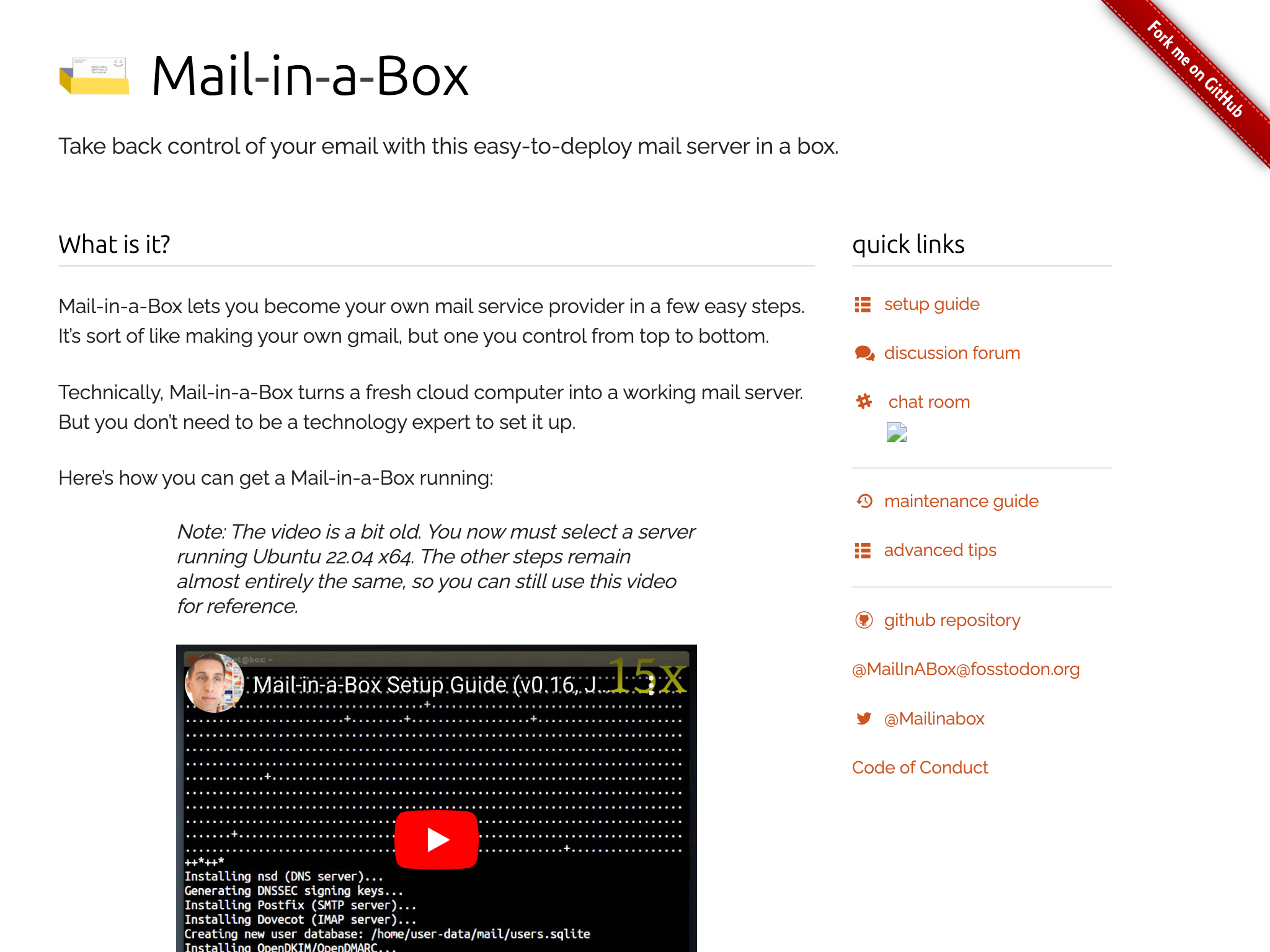
Applications such as hMailServer—a free, open-source mail server for Microsoft Windows—provide a robust alternative to IIS SMTP. hMailServer supports modern security standards, including TLS encryption, spam protection integration (DNS blacklists and SPF checking), and comprehensive logging capabilities.
Other alternatives include lightweight local relay utilities like SMTP4dev, which captures outbound emails locally for testing purposes without attempting to transmit them across the public internet. These tools bypass the complexities and vulnerabilities associated with enabling IIS features on an end-of-life operating system.
8. Troubleshooting Common Error Codes and Logs
Diagnosing mail delivery failures on Windows 7 requires navigating specialized log files generated by the operating system. Unlike modern enterprise platforms with centralized event streaming, Windows 7 IIS SMTP logs are stored locally in plaintext formats that require manual inspection.
The default directory for IIS SMTP logs is typically located at:
%SystemDrive%\inetpub\LogFiles\W3SVC1 or within the specific SMTP service logs directory (%SystemDrive%\WINDOWS\system32\LogFiles\SMTPSVC1).
Common error codes encountered during troubleshooting include:
- 530 5.7.1 Client was not authenticated: Indicates that the receiving server requires authentication, but the Windows 7 client attempted anonymous relay.
- 421 4.7.0 TLS handshake failed: Points to a cipher mismatch or missing TLS 1.2 registry updates on the Windows 7 machine.
- 550 5.7.1 Relay Access Denied: Triggered when the sending server's IP address or domain is not authorized within the recipient's or local relay's access lists.
9. DNS Integration: MX Records, SPF, DKIM, and DMARC
An SMTP server is only as effective as its DNS configuration. If a Windows 7 machine is acting as a direct-delivery mail server rather than an internal relay, it requires proper Domain Name System (DNS) records to ensure messages reach recipient inboxes rather than spam folders.
- MX (Mail Exchange) Records: Direct incoming mail traffic to the server's public IP address.
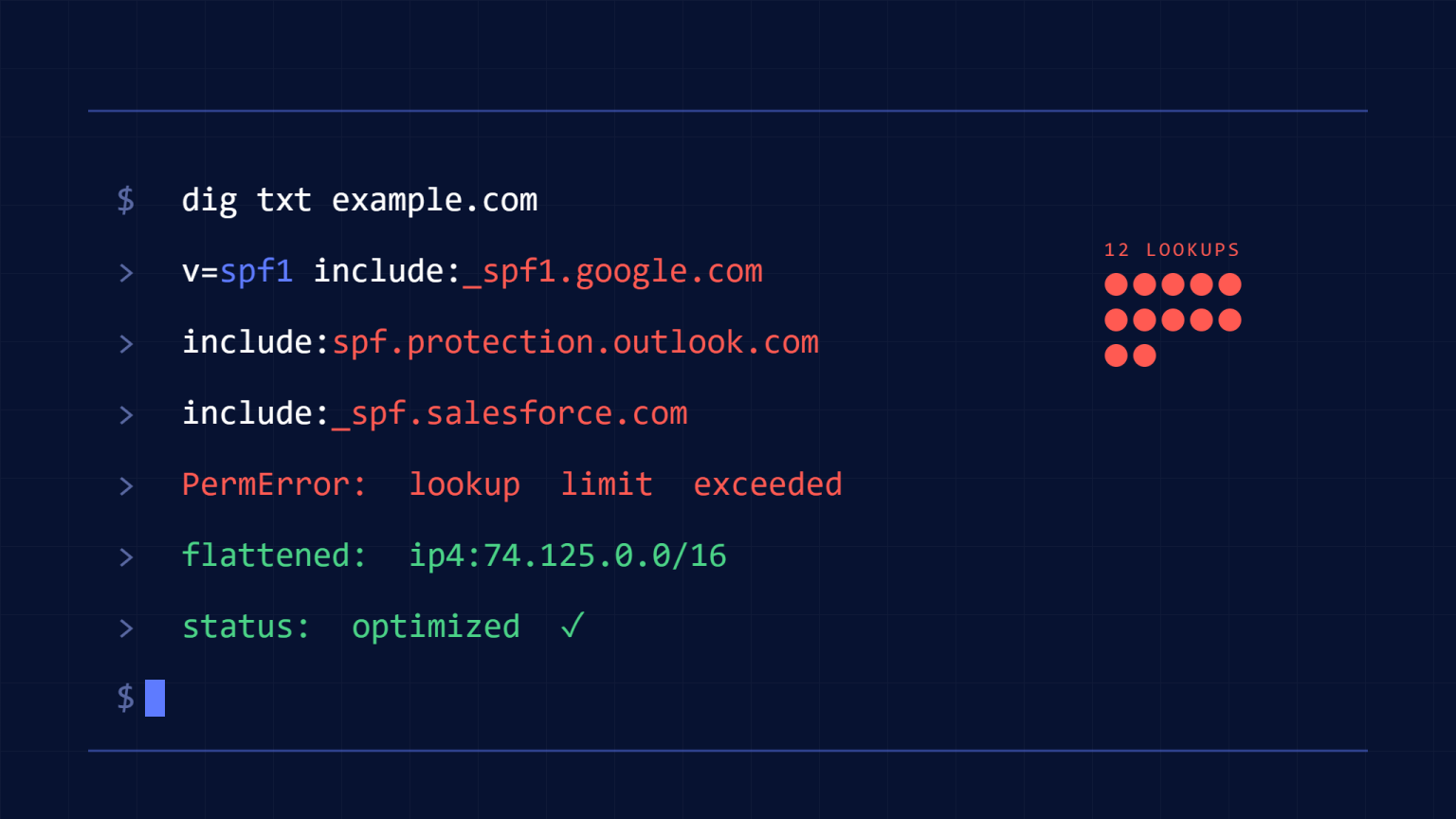
- SPF (Sender Policy Framework): A TXT record listing the IP addresses authorized to send email on behalf of the domain.
- DKIM (DomainKeys Identified Mail): Adds a cryptographic signature to outgoing headers, verifying message integrity.
- DMARC (Domain-based Message Authentication, Reporting, and Conformance): Uses SPF and DKIM to provide instructions on how receivers should handle failing emails.
Because Windows 7 lacks native tools for generating or managing advanced cryptographic signatures like DKIM, direct outbound mailing from this OS almost invariably results in messages being flagged as spam by modern providers like Gmail and Outlook.com, which enforce strict domain authentication policies.
10. Migration and Modernization Imperatives
Operating an SMTP server on Windows 7 in 2026 is an unsustainable practice. Beyond the security vulnerabilities inherent to an unpatched operating system, compliance frameworks (such as PCI-DSS, HIPAA, and GDPR) explicitly prohibit the use of end-of-life software in environments that process sensitive data or transmit transactional messages.
The recommended remediation path is migrating legacy workloads, applications, and scripts to modern server operating systems—such as Windows Server 2019 or Windows Server 2022—or decoupling local mail services entirely in favor of cloud-based SMTP relay APIs (such as SendGrid, Amazon SES, or Microsoft 365 Direct Send). These modern alternatives eliminate the need to manage local mail infrastructure while ensuring full compliance with current cryptographic and authentication standards.
Frequently Asked Questions
Can Windows 7 IIS SMTP send emails directly to Gmail or Office 365?
Directly sending email from Windows 7 IIS SMTP to modern providers like Gmail or Office 365 is virtually impossible without external configuration workarounds. Modern providers require TLS 1.2 or TLS 1.3 encryption and token-based or authenticated sessions. Unpatched Windows 7 systems lack native TLS 1.2 support and do not support modern authentication protocols like OAuth 2.0, causing connection attempts to fail with security handshake errors.
Why do emails sent from a Windows 7 SMTP server go to spam?
Emails sent directly from Windows 7 systems frequently land in spam folders due to missing domain authentication records (SPF, DKIM, and DMARC), residential IP blacklisting, and the lack of cryptographic signing tools within legacy Windows components. Furthermore, because ISPs block Port 25 on residential and standard business connections, direct delivery attempts are often blocked entirely before reaching the destination server.
How do I enable TLS 1.2 on Windows 7 for secure mail relaying?
To enable TLS 1.2 on Windows 7, you must ensure that Microsoft update KB3140245 is installed, update the .NET Framework to version 4.5 or higher, and modify specific registry keys under HKEY_LOCAL_MACHINE\SYSTEM\CurrentControlSet\Control\SecurityProviders\SCHANNEL\Protocols to enforce secure protocols. However, even with these modifications, operating an internet-facing mail service on an unsupported operating system introduces severe security risks.
What is the best free alternative to IIS SMTP on Windows 7?
For developers or administrators needing a local mail server on Windows 7, hMailServer is widely regarded as the best open-source alternative. It provides comprehensive administrative controls, supports modern TLS encryption standards, and integrates easily with spam-filtering mechanisms. For testing purposes where actual message delivery is not required, lightweight tools like SMTP4dev offer a zero-configuration trap for outbound application mail.
Is it safe to use Windows 7 SMTP for production applications?
No, it is entirely unsafe and non-compliant to use Windows 7 SMTP for production environments. Microsoft terminated extended support for Windows 7 in January 2020, meaning the operating system receives no security updates or patches. Utilizing unsupported software exposes internal networks to remote code execution vulnerabilities, ransomware infections, and immediate failure of third-party security audits.
Conclusion
Running an SMTP server on Windows 7 presents significant technical and security hurdles, driven by deprecated architecture, absent TLS 1.2 support, and strict modern ISP and email provider requirements. While legacy environments sometimes rely on IIS SMTP or third-party alternatives like hMailServer for local testing, production workflows must be migrated to modern operating systems and cloud-based mail relay services to ensure data security and reliable message delivery.