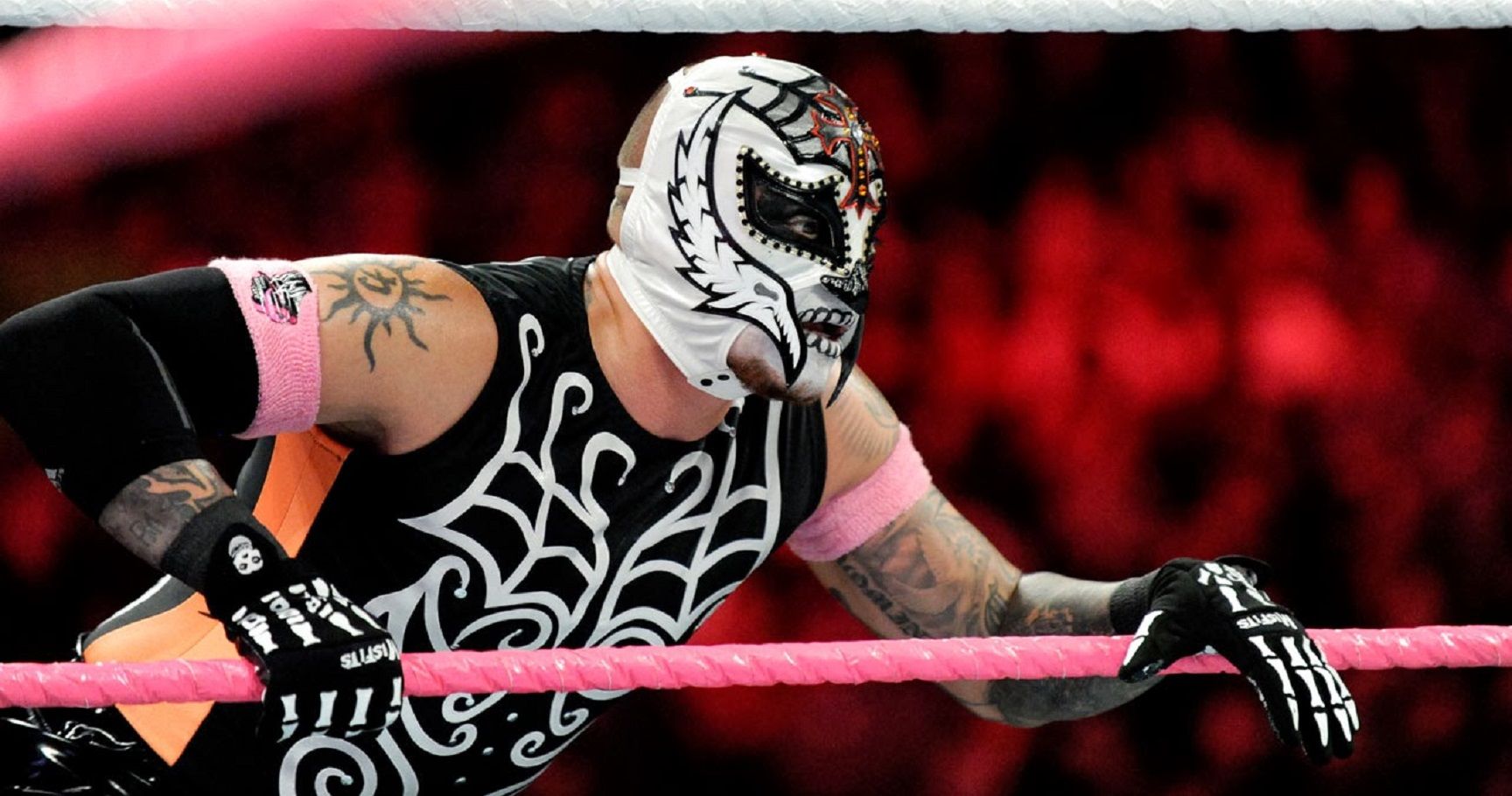
During the 1970s, masked wrestlers defined professional wrestling across North America, Mexico, and Japan, combining theatrical mystery with top-tier athletic craftsmanship. Led by icons such as Mil Máscaras, El Santo, and Mr. Wrestling II, these hooded competitors elevated regional territory draws into international pop-culture phenomena, forever changing the presentation of sports entertainment.
The Golden Era of the Masked Competitor
The 1970s represented a transformative decade for professional wrestling. Regional territory systems in the United States, governed largely by the National Wrestling Alliance (NWA) and the World Wide Wrestling Federation (WWWF), relied heavily on compelling character gimmicks to fill arenas week after week. Concurrently, in Mexico, lucha libre achieved unprecedented cultural authority, where the mask (máscara) was treated not merely as a costume piece, but as a sacred vessel of honor, identity, and tradition. In Japan, standard-setting promoters integrated masked legends into heavy-hitting puroresu cards to captivate national television audiences.
Masked wrestlers in the 1970s fulfilled a crucial operational role in wrestling bookings. A mask allowed a worker to preserve the absolute secrecy of wrestling's internal mechanics—known as kayfabe—while enabling talented wrestlers to execute multiple roles across different geographic territories without breaking narrative continuity. More importantly, the mask created an immediate emotional visual shorthand for fans: clean-cut heroic defenders (técnicos or babyfaces) wore bright, majestic designs, while treacherous rule-breakers (rudos or heels) donned dark, menacing hoods.
Below is an in-depth examination of ten iconic masked wrestlers whose work in the 1970s shaped the landscape of modern professional wrestling.
1. Mil Máscaras
Known as "The Man of a Thousand Masks," Aaron Rodríguez Revolutionized international wrestling in the 1970s. Hailing from San Luis Potosí, Mexico, Mil Máscaras was a cultural ambassador who bridged the gap between Mexican lucha libre and global wrestling markets.
- Majestic Pearl & Gold Silk Fabric
- MIL MÁSCARAS TRADEMARK
- Intricate Two-Tone Face Crest
- Seamless High-Flying Flexibility
Máscaras made history on December 18, 1972, by becoming the first masked wrestler to compete at Madison Square Garden in New York City. Prior to his arrival, the New York State Athletic Commission strictly banned masked wrestlers from performing in the state. His exceptional athleticism, combined with his refusal to ever unmask, convinced commission officials to alter their stance. Throughout the 1970s, Máscaras toured extensively across the WWWF, NWA territories, and All Japan Pro Wrestling (AJPW), mesmerizing fans with high-flying moves like the flying body press long before aerial maneuvers became standard in North America.
2. El Santo
While El Santo (Rodolfo Guzmán Huerta) established his status as a Mexican national hero in the 1950s and 1960s, his work throughout the 1970s cemented his immortal legacy. Wearing his iconic silver cape and metallic silver vinyl mask, El Santo was an unstoppable force in Empresa Mexicana de Lucha Libre (EMLL).
During the 1970s, El Santo continued to draw sellout crowds at Arena México while starring in dozens of widely distributed action films. In these cinematic releases, his on-screen persona fought monsters, mad scientists, and criminal syndicates. In the ring, El Santo remained a master of submission wrestling, famously applying his signature finishing hold, the La De a Caballo (Camel Clutch). Even as he approached the twilight of his active ring career in the late 1970s, Santo maintained an unblemished record in luchas de apuestas (mask-versus-mask or mask-versus-hair matches), protecting his real identity with uncompromising discipline.
3. Blue Demon
Alejandro Muñoz Moreno, performing under the moniker Blue Demon, served as the ultimate contemporary and rival to El Santo during the 1970s. Dressed in a stark blue mask trimmed with silver leather, Blue Demon embodied a stiffer, more tactical approach to lucha libre.
Throughout the decade, Blue Demon headlined major cards across South America and Mexico. His classic feuds against top heels of the era proved his mastery of ground wrestling, counter-holds, and psychology. Alongside El Santo, Blue Demon co-starred in numerous feature films during the 1970s, creating an unstoppable pop-culture duo. His distinct ring attire and immaculate technical skill made him an enduring symbol of Latin American athletic excellence throughout the decade.
4. The Destroyer (Dick Beyer)
Richard "Dick" Beyer, wrestling primarily as The Destroyer (and occasionally as Super Destroyer), was one of North America's greatest exports to Japanese professional wrestling. Wearing a classic zippered cloth mask—often bright red or white—The Destroyer achieved superstar status in Giant Baba's All Japan Pro Wrestling during the 1970s.
THE DESTROYER'S 1970s FOOTPRINT
| JAPAN (AJPW) | NORTH AMERICA (NWA / AWA) |
|---|---|
| • Prime-time TV regular | • World Heavyweight contender |
| • Legend vs. Mil Máscaras (1973) | • Figure-Four Leglock innovator |
| • Retained mask in major bouts | • Master of ring psychology |
The Destroyer's 1973 match against Mil Máscaras in Tokyo was named Match of the Year by Japanese press outlets and remains a benchmark for cross-promotional masked encounters. Armed with a punishing Figure-Four Leglock and unmatched comedic timing on television programs, Beyer blurred the line between heel and face. His ability to draw massive television ratings in Japan while maintaining top-card status in American territories made him one of the most lucrative masked acts of the 1970s.
5. Mr. Wrestling II
Johnny Walker, performing as Mr. Wrestling II, was arguably the single most popular babyface wrestler in the southern United States during the mid-to-late 1970s. Operating primarily in Georgia Championship Wrestling and the NWA Mid-South territory, Walker wore a sleek white mask featuring dark green trim around the eye and mouth openings.
Mr. Wrestling II was famous for his explosive execution of the running kneelift, a strike that routinely flattened opponents and sent arena crowds into frenzies. His connection with the audience was so profound that even high-profile political figures, including then-Georgia Governor (and later U.S. President) Jimmy Carter, publicly expressed their fandom for him. Walker’s work during the 1970s proved that a masked wrestler could serve as the primary emotional anchor and box-office centerpiece of a major American territory.
6. The Masked Superstar
Bill Eadie introduced The Masked Superstar persona in 1976, quickly creating one of the most intimidating heel characters in professional wrestling history. Wearing a stark black mask adorned with bright yellow or red vinyl eye rings, Eadie possessed a massive physique and executed a devastating cobra clutch and swinging neckbreaker.
- Intimidating Heel Persona
- THE MASKED SUPERSTAR
- Heavyweight Power Wrestling
- Main Event Feuds with WWF/NWA
During the late 1970s, The Masked Superstar sold out arenas across the NWA Mid-Atlantic territory, Georgia, and the WWWF. Promoters used his unyielding ring presence to challenge top babyfaces like Bob Backlund, Andre the Giant, and Paul Jones. Eadie's articulate, calm, yet menacing interviews set a new standard for heel promos, demonstrating that masked villains could be as compelling on the microphone as they were dominant in the ring.
7. The Spoiler
Don Jardine, wrestling under a dark hood as The Spoiler, was a primary heel attraction throughout the 1970s in Texas, Georgia, and the WWWF. Managed by legendary wrestling personalities like Gary Hart, Jardine combined imposing physical size with unmatched agility for a big man.
Jardine pioneered walking the top rope across the ring while holding an opponent's arm—a dramatic maneuver later popularized by generations of subsequent wrestlers, including The Undertaker (who credited Jardine as a primary mentor). The Spoiler’s cold, methodical ring style and mastery of the claw hold made him a feared opponent across every territory he visited during the decade.
8. Fishman
José Ángel Nájera Sánchez adopted the moniker Fishman in the early 1970s, quickly establishing himself as one of the most formidable rudos in Mexican lucha libre history. Featuring an instantly recognizable bright yellow mask accented with emerald green trim around the eyes and jawline, Fishman earned the nickname * "El Veneno Amarillo"* (The Yellow Poison).
In 1975, Fishman became a founding pillar of the newly established Universal Wrestling Association (UWA), a promotional competitor to EMLL. Throughout the late 1970s, Fishman engaged in high-stakes luchas de apuestas, capturing the masks of high-profile rivals such as El Faraón and Sangre Chicana. His technical violence and iconic mask design made him a defining figure of 1970s Mexican lucha libre.
9. Dos Caras
José Luis Rodríguez, wrestling as Dos Caras ("Two Faces"), emerged in the 1970s as one of the premier technical aerialists in North and South America. As the younger brother of Mil Máscaras, Dos Caras forged his own distinct path by incorporating intricate arm-drags, headscissors, and fluid mat transitions into his matches.
His mask—featuring a dual-headed eagle crest stitched across the forehead—symbolized his dual identity and tactical versatility. Throughout the mid-to-late 1970s, Dos Caras was a cornerstone of the UWA, where he engaged in classic encounters against legendary heavyweights like El Canek and Lou Thesz. His ring work set the standard for modern lightweight and heavyweight hybrid wrestling styles.
10. Mr. Wrestling I
Tim Woods, performing as Mr. Wrestling (later designated as Mr. Wrestling I to distinguish him from Johnny Walker), was a pure amateur wrestling standout from Michigan State University who translated his collegiate skills into professional success during the 1960s and 1970s. Wearing a clean white cloth mask, Woods represented pristine athletic integrity.
Woods made wrestling history in October 1975 when he survived a fatal plane crash in Wilmington, North Carolina, alongside fellow wrestlers Ric Flair and Johnny Valentine. To prevent breaking kayfabe—as he was a beloved babyface traveling on a private plane with hated heels—Woods checked into the hospital under his real name, hid his injuries, and returned to the ring just weeks later to wrestle under his mask, sacrificing his body to protect the secrets of the wrestling business.
Profile Comparison: 1970s Masked Wrestling Icons
The following table summarizes the primary operating territories, mask aesthetics, and historical contributions of these ten legendary figures during the 1970s:
| Wrestler | Primary 1970s Region | Signature Mask Color | Key 1970s Career Milestone | Notable Finishing Technique |
|---|---|---|---|---|
| Mil Máscaras | Global (WWWF, Japan, EMLL) | Multi-colored / Pearl White | First masked wrestler at Madison Square Garden (1972) | Flying Body Press |
| El Santo | Mexico (EMLL) | Metallic Silver | Starred in iconic feature films while holding titles | La De a Caballo (Camel Clutch) |
| Blue Demon | Mexico (EMLL) | Royal Blue with Silver Trim | Iconic cross-promotional feuds with top Mexican rudos | Counter-Submission Holds |
| The Destroyer | Japan (AJPW) / USA (AWA) | Bright Red or White Zippered | Named Japanese Match of the Year vs. Mil Máscaras (1973) | Figure-Four Leglock |
| Mr. Wrestling II | USA (Georgia / Mid-South) | White with Dark Green Trim | Top babyface draw; multi-time NWA Georgia Champion | Running Kneelift |
| Masked Superstar | USA (NWA / WWWF) | Black with Red/Yellow Accents | Sold out MSG and NWA arenas as top heavyweight heel | Cobra Clutch / Swinging Neckbreaker |
| The Spoiler | USA (Texas / WWWF) | Black or Dark Blue Cloth | Innovated top-rope walking and dominant claw hold | Iron Claw |
| Fishman | Mexico (UWA / EMLL) | Bright Yellow and Emerald Green | Captured high-profile masks in 1970s luchas de apuestas | Armbar Submission / Suplexes |
| Dos Caras | Mexico (UWA) / Japan | Gold/Red with Two-Headed Eagle | Established elite technical aerial standards in UWA | Double-Arm Suplex / Hurricanrana |
| Mr. Wrestling I | USA (NWA Mid-Atlantic) | Plain White Cloth | Returned to ring after 1975 plane crash to preserve kayfabe | Abdominal Stretch |
The Cultural and Operational Impact of 1970s Masked Wrestlers
The rise of masked wrestlers in the 1970s was not merely a cosmetic choice; it fundamentally altered wrestling promotions, international talent exchange, and merchandising strategies.
1. The Mask as a Regional Box-Office Engine
In North America, the NWA territory system relied on local television broadcasts to drive ticket sales for live arena shows. Masked characters like Mr. Wrestling II and The Masked Superstar provided immediate graphic identity for television graphics and promotional posters. Promoters frequently used "Mask vs. Career" or "Mask vs. Title" match stipulations to blow out feuds, generating massive box-office receipts when fans paid to see a heel finally unmasked.
2. Safeguard of Kayfabe and Dual-Identity Mechanics
During the 1970s, wrestling organizations guarded industry secrets fiercely. Masks provided complete anonymity, allowing wrestlers to travel through public places without being easily recognized outside of character. Additionally, if a wrestler left a territory, a promoter could easily place the mask on a new worker with a similar build, preserving a valuable character asset without disrupting ongoing storylines.
3. International Talent Exchange and Style Hybridization
The 1970s marked the beginning of true global talent sharing. Promoters like Shohei "Giant" Baba in Japan recognized that masked wrestlers crossed language barriers effortlessly. A fan in Tokyo did not need to understand English or Spanish to comprehend the heroic presentation of Mil Máscaras or the villainous dominance of The Destroyer. This international cross-pollination laid the groundwork for modern high-flying and hybrid wrestling styles.
- Regional US Territories
- Mexican Lucha Libre
- Global Masked Phenomenon (1970s)
- Cross-Promotional Matches (Japan)
Key Maintenance & Care of Traditional Wrestling Masks
For collectors, historical archivists, and modern performers examining 1970s equipment, traditional wrestling masks were constructed using techniques distinct from contemporary synthetic gear.
- Fabric Composition: 1970s masks primarily utilized heavy-duty Japanese silk, cotton double-knit, or commercial-grade satin, unlike modern stretch spandex (Lycra).
- Leather Trimming: Eye, nose, and mouth contours were reinforced with genuine pigskin or vinyl leather appliques, hand-stitched with double-needle seams.
- Closure Systems: Traditional 1970s designs relied on rear lace-up closures with brass or iron eyelets, ensuring a tight fit to prevent slipping during intense physical wrestling matches.
- Preservation Guidelines: Vintage masks from this era must be stored away from direct ultraviolet light, kept in temperature-controlled environments, and cleaned exclusively through dry methods to prevent fabric dry-rot and leather degradation.
Frequently Asked Questions
Why were masked wrestlers originally banned from Madison Square Garden?
The New York State Athletic Commission historically enforced strict rules prohibiting performers from wearing masks or hoods, citing safety concerns and accountability regarding who was legally competing inside the combat sports ring. Mil Máscaras successfully convinced the commission to lift this restriction in December 1972, clearing the path for masked wrestlers in New York.
What does "Luchas de Apuestas" mean in lucha libre history?
Luchas de apuestas translates to "gambling fights." These are high-stakes matches where wrestlers wager their most prized possessions—typically mask versus mask (máscara contra máscara) or mask versus hair (máscara contra cabellera). Losing a mask in a lucha de apuestas forces the wrestler to reveal their real name, age, and hometown, permanently altering their career trajectory.
Did any wrestler portray multiple famous masked characters in the 1970s?
Yes. Professional wrestlers frequently changed gimmicks when moving between territories. For example, Bill Eadie wrestled under different disguises before cementing his legacy as The Masked Superstar. Similarly, Dick Beyer wrestled both as The Destroyer and as Super Destroyer across various American and Japanese promotions during the 1970s.
How did Mr. Wrestling I protect kayfabe after the 1975 plane crash?
Following the fatal October 1975 plane crash in North Carolina, Tim Woods (Mr. Wrestling I) checked into the hospital under his real name. Because he was traveling with heels like Ric Flair, public knowledge of their shared travel would have exposed wrestling's scripted nature to fans. Despite severe back injuries, Woods wrestled a televised match just weeks later under his mask to prove to the public that "Mr. Wrestling" was not on that plane.
Which 1970s masked wrestler had the biggest impact on Japanese puroresu?
While Mil Máscaras drew huge crowds for All Japan Pro Wrestling, The Destroyer (Dick Beyer) had the deepest systemic impact on Japanese wrestling in the 1970s. Beyer lived in Japan for multi-year stretches, became a regular star on prime-time Japanese network television, and helped establish All Japan Pro Wrestling as a major global entity.
Preserving the Legacy of 1970s Wrestling Icons
To fully appreciate the evolution of professional wrestling, fans and sports historians should examine archival footage from 1970s regional territories such as Georgia Championship Wrestling, Mid-Atlantic Championship Wrestling, and 1970s broadcasts from EMLL and All Japan Pro Wrestling. Documentaries, official wrestling museums, and classic territory tape libraries offer invaluable insight into how these ten masked pioneers created an enduring art form that continues to influence sports entertainment today.