An effective emergency response overview outlines the systematic architecture, communication pathways, and multi-agency protocols triggered when a citizen dials 911. It bridges the gap between public distress calls and coordinated public safety deployment, ensuring seamless interoperability among local law enforcement, emergency medical services, and fire rescue operations.
The Foundations of Emergency Communications Systems
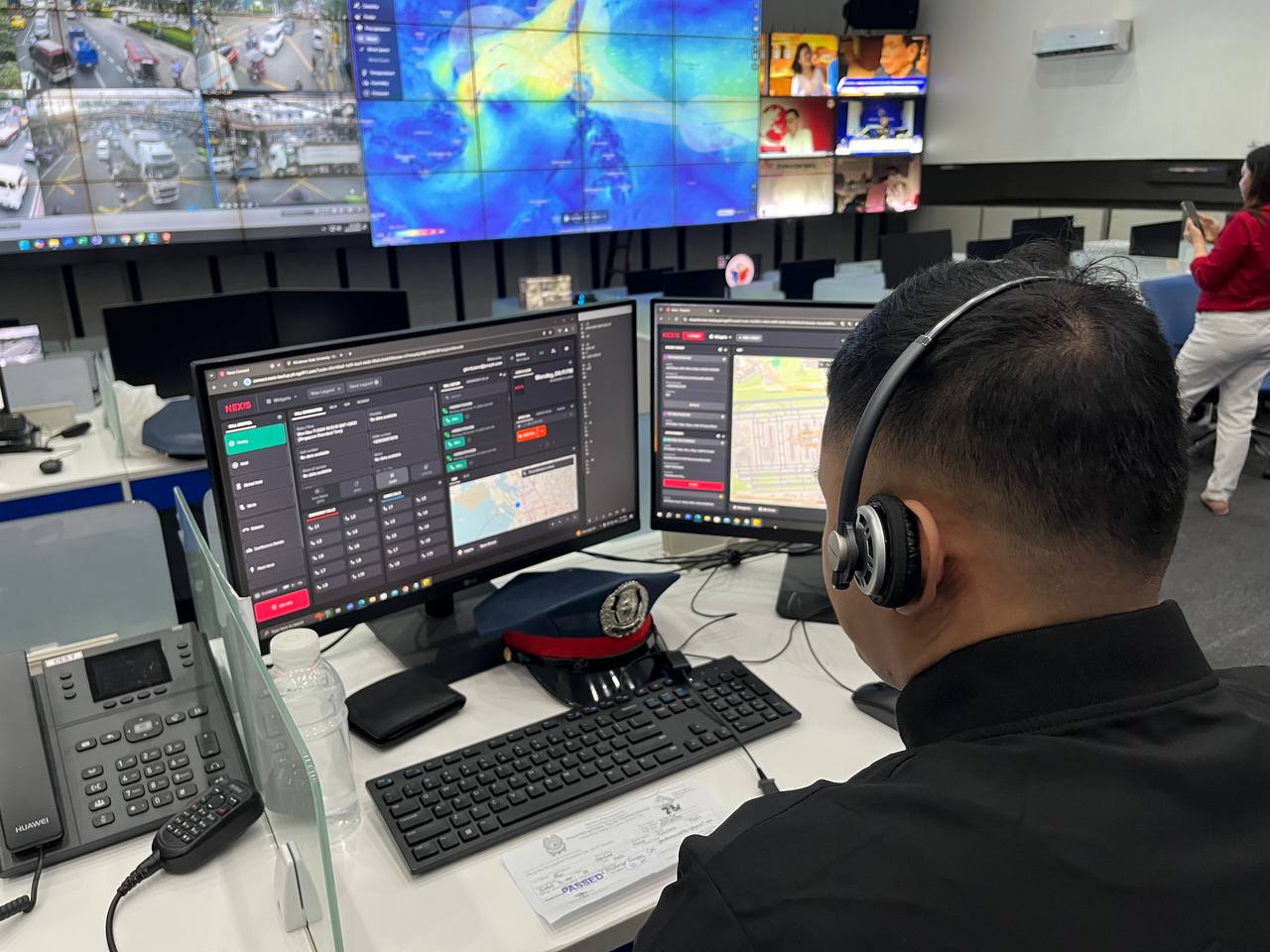
Emergency response frameworks rely on a robust hierarchy of communication pathways, hardware infrastructure, and specialized personnel. When an individual initiates an emergency call, the request does not simply ring at a local station; it enters a highly regulated, technologically advanced Public Safety Answering Point (PSAP). Understanding this underlying architecture is essential for recognizing how modern public safety networks minimize latency, verify geographic locations, and distribute critical incident data to field units in real time.
Modern PSAPs operate on sophisticated Computer-Aided Dispatch (CAD) systems integrated with Geographic Information Systems (GIS). This integration allows telecommunicators to pinpoint landline callers instantly and utilize cellular multilateration and GPS tracking for mobile callers. The communication flow relies on redundant telecommunication lines, secure fiber-optic networks, and backup power generation to maintain operational continuity during natural disasters, power failures, or surges in call volume.
Evolution from Analog to Next Generation 911 (NG911)
The transition from legacy analog infrastructure to Next Generation 911 (NG911) systems represents a foundational shift in emergency communications. Legacy networks were largely built on copper-wire circuit-switched technology, which limited data transmission primarily to voice communications and basic ANI/ALI (Automatic Number Identification and Automatic Location Identification) data.
NG911 introduces an IP-based (Internet Protocol) Emergency Services IP Network (ESInet). This advanced environment allows callers to transmit rich media—such as real-time text, photos of accident scenes, streaming video from smartphones, and telematics data directly from connected vehicles—to the dispatch center. By shifting to an IP architecture, dispatch centers achieve greater cross-jurisdictional redundancy, allowing neighboring PSAPs to easily overflow calls during catastrophic events or localized system outages without dropping critical data packets.
Core Phases of the Emergency Response Lifecycle
A standard emergency response follows a strict, time-sensitive lifecycle divided into four distinct phases: call intake, triage and dispatch, field intervention, and post-incident resolution. Each phase requires rigorous adherence to standardized protocols, continuous quality assurance, and clear communication loops between telecommunicators, dispatchers, and first responders.
- Call Intake
- (Initial 911 Call received at PSAP / NG911)
- Triage & Dispatch
- (Priority assignment, resource allocation, CAD routing)
- Field Intervention
- (En route arrival, scene assessment, mitigation)
- Post-Incident Resolution
- (Unit clearance, report filing, system debriefing)
Call Intake and Initial Verification
The lifecycle begins the moment the call connects. The primary telecommunicator is trained to extract vital information using the "Where, What, Who, and When" framework. Establishing the exact geographic location is always the top priority, as emergency units cannot be dispatched effectively without a verified address or coordinate set. Even if a caller disconnects prematurely, telecommunicators attempt callbacks and review ANI/ALI data to launch a welfare check or dispatch units based on the last known location.
Triage, Resource Allocation, and Protocol Deployment
Once location and nature of the emergency are established, the call is categorized using standardized dispatch protocols, such as Priority Dispatch systems for medical, fire, and police events. These protocols guide telecommunicators through structured questioning matrices to determine the appropriate severity level.
- Priority 1 (Immediate / Life-Threatening): Active violence, cardiac arrest, major structure fires, or severe motor vehicle collisions with entrapment. Requires immediate lights-and-sirens response.
- Priority 2 (Urgent / Potential Danger): Property crimes in progress without physical confrontation, non-life-threatening medical symptoms, or minor traffic accidents without injuries.
- Priority 3 (Routine / Administrative): Delayed property damage reports, noise complaints, or non-emergency inquiries redirected to alternative reporting channels.
Multi-Agency Interoperability and Command Structures
Complex incidents frequently require a multi-agency response combining police, fire, and emergency medical services (EMS). Managing these complex environments requires adherence to standardized management frameworks, most notably the Incident Command System (ICS). ICS provides a modular, scalable organizational structure that clarifies leadership roles, unifies communication protocols, and establishes a single or unified command post.
Interoperability extends beyond operational command to technical communication bands. Historically, different municipal departments operated on disparate radio frequencies, making direct cross-agency communication difficult during multi-jurisdictional events. Modern public safety agencies utilize trunked radio systems and software-defined gateways that allow police officers, firefighters, and paramedics to talk on designated talk-groups in real time, preventing dangerous coordination gaps during active threats or large-scale disasters.
| Response Phase | Primary Responsible Entity | Core Objective | Standard Protocol Tool |
|---|---|---|---|
| Call Intake | PSAP Telecommunicator | Locate caller and identify incident type | NG911 GIS & ANI/ALI Databases |
| Triage & Dispatch | Dispatcher / Call Taker | Assign priority and alert field units | Computer-Aided Dispatch (CAD) & Priority Matrices |
| Field Intervention | First Responders (Police, Fire, EMS) | Mitigate immediate threat and treat patients | Incident Command System (ICS) |
| Resolution & Review | Agency Supervisors & QA Teams | Document incident and audit response times | CAD Logs & Audio Review Software |
Operational Challenges and System Limitations
Despite technological advancements, modern emergency response systems face significant operational hurdles that impact efficiency and response times. Recognizing these limitations is crucial for municipal planners, public safety administrators, and citizens navigating the emergency network.
Call Volume Surges and Prank Calls
High-impact weather events, mass-casualty incidents, or widespread infrastructure failures often cause sudden surges in 911 call volume. This can overwhelm available PSAP staffing levels, leading to queue delays where callers experience extended hold times. Furthermore, non-emergency inquiries, accidental pocket dials, and malicious prank calls consume valuable telecommunicator resources, diverting attention away from genuine life-threatening emergencies. Public education campaigns and the implementation of 311 non-emergency systems help mitigate this strain, but call-center staffing shortages remain a persistent national challenge.
Technological Discrepancies and Location Accuracy
While smartphones provide precise GPS coordinates, legacy cellular towers often triangulate location based on cell tower sector coverage, which can span a radius of several miles in rural areas or introduce vertical ambiguity in high-rise multi-story buildings. A dispatcher may know a caller is inside a specific commercial block, but identifying the exact floor or office suite requires active verbal communication from a distressed caller—time that may be critical during a medical emergency or active security threat.
Best Practices for Callers During an Emergency
Citizens play a vital role in the efficiency of the emergency response lifecycle. Knowing how to interact with a 911 dispatcher can significantly reduce time-to-dispatch and improve responder safety.
- Stay Calm and Speak Clearly: Enunciate clearly and state the exact address or intersection immediately. If you do not know your location, look for prominent landmarks, highway mile markers, or building names.
- Answer All Questions: Allow the telecommunicator to guide the conversation. Even if questions seem repetitive, they are structured to gather vital safety intelligence for the responding units.
- Never Hang Up Prematurely: Stay on the line until the telecommunicator explicitly instructs you to disconnect. They may need to provide life-saving pre-arrival instructions, such as CPR guidance or instructions on how to secure a safe perimeter.
- Secure Pets and Clear Pathways: If safe to do so, secure domestic animals and unlock entry doors so arriving police officers or paramedics can gain rapid access without forcing entry.
Frequently Asked Questions
What should I do if I dial 911 by accident?
Do not hang up immediately. Stay on the line and inform the telecommunicator that you dialed by mistake and that there is no emergency. If you hang up without speaking, the dispatcher is obligated under standard operating procedures to call you back and potentially dispatch a police unit to verify your safety, consuming valuable public safety resources.
Can I text 911 if I cannot speak safely?
Many modern PSAPs support Text-to-911 services. If you are in a situation where speaking aloud would put you in danger—such as a home invasion or active threat—texting is a viable alternative. Keep messages concise, avoid abbreviations, emojis, or slang, and be prepared to provide your exact location immediately.
Why do dispatchers ask so many questions when someone is injured?
Dispatchers utilize medically approved questioning protocols to prioritize the call, determine the exact type of medical units needed, and provide life-saving instructions (such as hemorrhage control or CPR instructions) before paramedics arrive on scene. While seconds matter, gathering this structured data ensures the correct level of care is deployed safely.
How are emergency response priorities determined?
Dispatch priorities are determined by the immediate threat to life and property. Crimes in progress involving violence, severe medical emergencies involving unconsciousness or breathing difficulties, and active fires are assigned top priority. Routine property damage or past-occurred incidents are queued for secondary dispatch availability.
What is the difference between 911 and 311?
911 is strictly reserved for life-threatening emergencies, crimes in progress, or urgent fires requiring immediate intervention. 311 is designated for non-emergency municipal services, such as reporting potholes, graffiti, abandoned vehicles, or requesting municipal information, keeping 911 lines clear for critical rescue operations.
Conclusion and Next Actions
The 1 Paul 911 emergency response overview demonstrates that effective public safety relies on a seamless blend of advanced IP communication technology, rigorous standardized protocols, and multi-agency coordination. For citizens, understanding how PSAPs operate, recognizing the importance of location accuracy, and following telecommunicator instructions during an incident helps optimize response outcomes. To further your preparedness, verify whether your local jurisdiction supports Text-to-911, memorize key reference points for your frequently traveled routes, and educate family members on proper non-emergency versus emergency reporting channels.