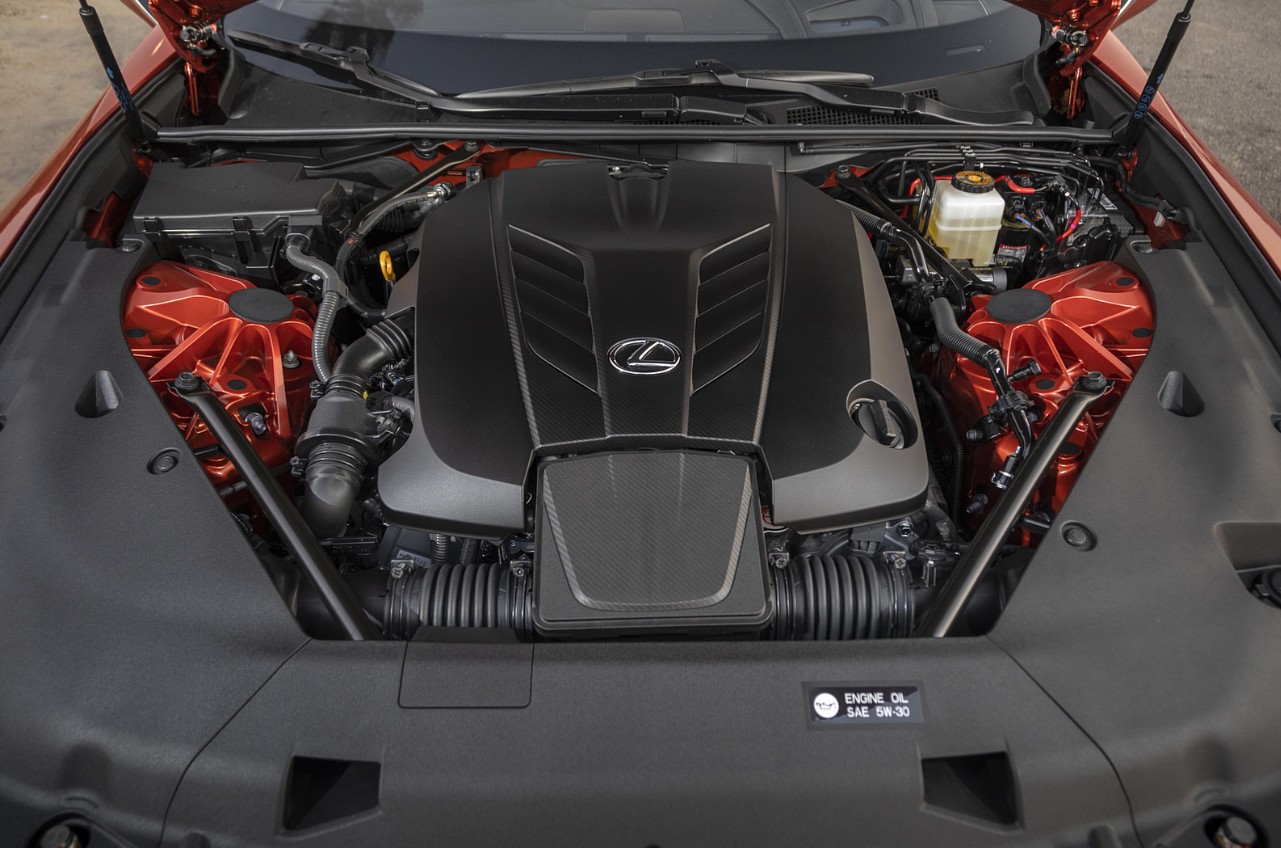
The Lexus LC 500 is exclusively engineered with a 10-speed Sport Direct Shift automatic transmission. There is no factory-produced manual transmission option for any model year of the Lexus LC 500. Enthusiasts often inquire about a manual swap or specialized conversion; however, the vehicle’s complex electronic architecture and proprietary software make such modifications exceptionally difficult and currently unsupported by official Lexus engineering.
The Engineering Reality of the Lexus LC 500 Drivetrain
To understand why the manual transmission conversation remains a recurring topic, one must first look at the engineering philosophy behind the Lexus LC 500. Introduced in 2017 and continuing through the 2026 model year, the LC 500 represents the pinnacle of Lexus’s grand touring division. The development team prioritized a seamless blend of performance and luxury, which dictated the selection of its transmission.
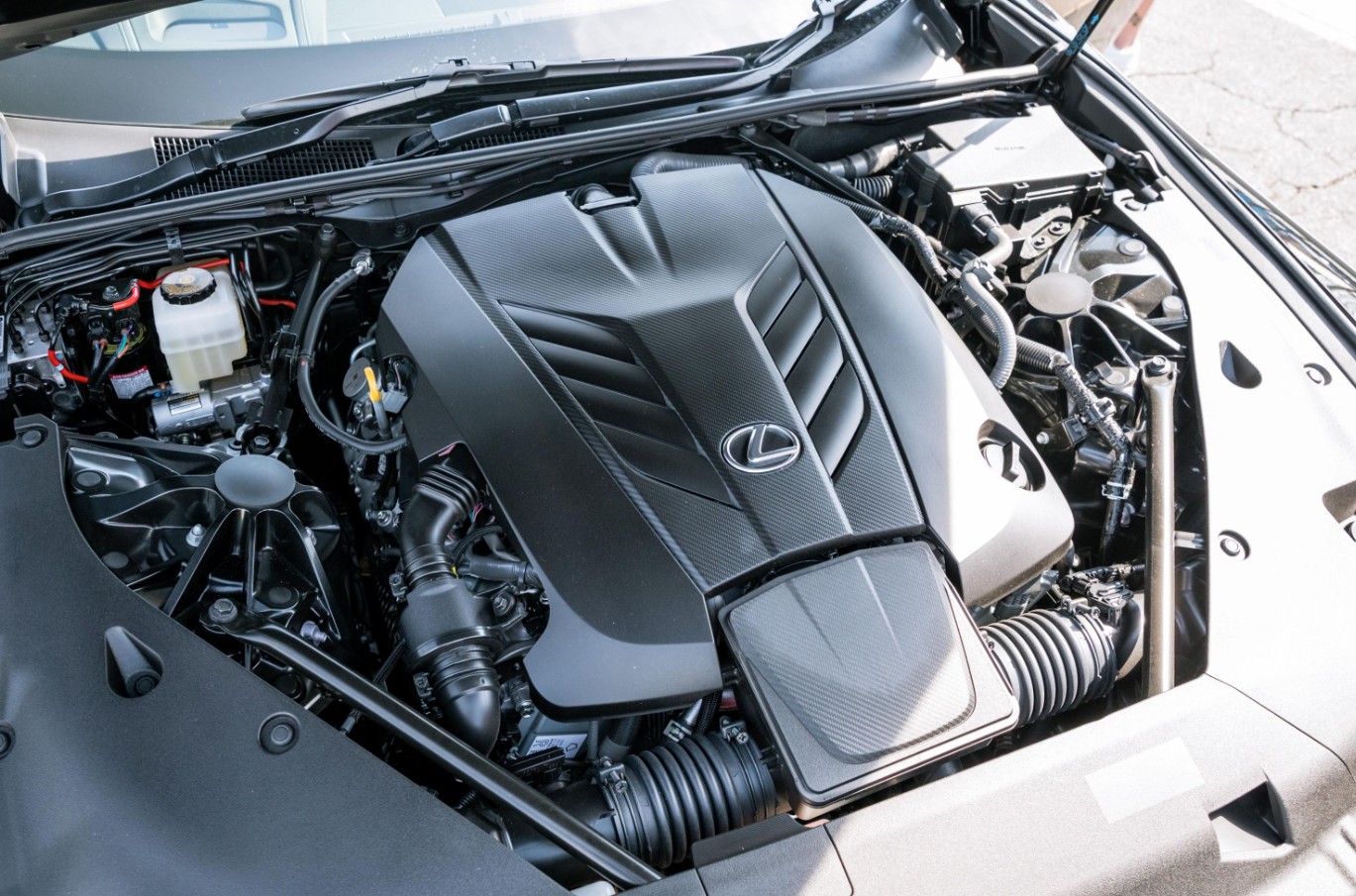
The 10-speed Sport Direct Shift automatic transmission was selected not merely for comfort, but for its specific performance metrics. It is designed to bridge the gap between the high-revving nature of the 5.0-liter naturally aspirated V8 engine and the requirements of modern emissions and efficiency standards. In a vehicle with over 470 horsepower, the speed of gear changes is critical; the Lexus transmission achieves shift times that rival dual-clutch units while maintaining the smoothness associated with a torque-converter-equipped system.
For those searching for "Lexus LC 500 manual transmission facts," it is crucial to recognize that the transmission is deeply integrated into the car’s Vehicle Dynamics Integrated Management (VDIM) system. This system controls the engine output, transmission shift points, steering response, and stability control. Because the car relies on constant communication between the transmission control unit (TCU) and the engine control unit (ECU), removing the automatic transmission effectively "breaks" the vehicle's electronic ecosystem, leading to a cascade of error codes and safety system failures.
Why Manual Transmissions Are Absent in Modern GT Cars
The absence of a manual gearbox in the Lexus LC 500 is consistent with the broader shift in the automotive industry toward high-performance automatics and dual-clutch transmissions. Grand tourers (GTs) are designed to cover vast distances with ease and high speed, a mission profile that increasingly clashes with the mechanical demands of a traditional manual transmission.
In a modern luxury vehicle like the LC 500, buyers often prioritize features like Adaptive Cruise Control, Lane Keep Assist, and sophisticated driving modes. These features require the vehicle to have the ability to shift gears autonomously. A manual transmission necessitates a human operator for every gear change, which would render these advanced safety and convenience features non-functional.
Furthermore, the torque curve of the 2UR-GSE V8 engine—the heart of the LC 500—is optimized through the 10-speed gearbox to keep the engine in its power band precisely when needed. A manual transmission, while engaging, would struggle to match the acceleration and fuel efficiency metrics established by the factory-calibrated automatic unit. By keeping the car in the optimal gear at all times, the 10-speed unit allows for the "best of both worlds" experience: high-end power delivery and relaxed, low-RPM cruising.
Investigating the Potential for Aftermarket Conversions
Given the passionate fan base surrounding the Lexus brand, there is occasional speculation regarding aftermarket manual swaps. In the world of JDM (Japanese Domestic Market) tuning, vehicles like the Toyota Supra or the Lexus IS series are frequently fitted with aftermarket manual gearboxes. However, applying this to the LC 500 presents significant technical hurdles that differentiate it from older, simpler platforms.
The primary hurdle is the proprietary software. Lexus utilizes advanced multiplex wiring systems where components are interconnected via a Controller Area Network (CAN) bus. If the ECU does not receive the expected signal from the automatic transmission, it enters a "limp mode" to protect the drivetrain, effectively rendering the car undrivable. To bypass this, an engineer would not only need to physically adapt a manual gearbox—such as a Tremec T-56 or a heavy-duty unit from another platform—but would also need to develop a standalone ECU or a signal simulator that can trick the car's computer into believing the automatic transmission is still present and functioning perfectly.
As of 2026, there are no reputable shops or widely recognized kits that have successfully performed a reliable, street-legal manual swap on an LC 500. Any attempt to undertake such a modification would void the vehicle's warranty and potentially compromise the safety systems designed into the chassis, including the electronic traction control and ABS.
Comparing Transmission Philosophies
The following table summarizes why the LC 500 utilizes its specific drivetrain configuration compared to theoretical manual alternatives.
| Feature | Lexus 10-Speed Automatic | Traditional Manual |
|---|---|---|
| Shift Speed | Extremely fast (milliseconds) | Dependent on driver skill |
| Electronic Integration | Full support for VDIM/Safety suites | Limited to no support |
| Efficiency | Optimized for cruising/emissions | Dependent on gear selection |
| Driving Dynamics | Consistent performance and comfort | High mechanical engagement |
| Maintenance | Minimal service required | Clutch and flywheel wear |
The choice of an automatic reflects the mission of the LC 500: it is a flagship grand tourer. Owners of this vehicle generally look for the refined experience of a high-end luxury vehicle that can transition into a sports car at the touch of a button, rather than the mechanical friction and physical effort associated with a manual transmission.
Frequently Asked Questions
1. Is there an option to custom-order a Lexus LC 500 with a manual transmission? No. Lexus does not offer a manual transmission option through its factory ordering system, nor is it available through any special build programs or performance divisions. The car is only produced with the 10-speed Sport Direct Shift automatic.
2. Can I swap a manual transmission into my LC 500? While theoretically possible with custom fabrication, it is not recommended. The vehicle’s complex electrical architecture and ECU integration make a manual swap extremely difficult, costly, and likely to disable critical safety features, including stability control and potentially the engine's power output management.
3. Why did Lexus choose a 10-speed automatic for this car? Lexus chose the 10-speed transmission to optimize the power delivery of the 5.0-liter V8, maintain fuel efficiency at highway speeds, and allow for the seamless operation of advanced safety systems like radar cruise control and integrated driving dynamics management.
4. Will future models of the LC 500 feature a manual gearbox? As of 2026, there have been no announcements or indications from Lexus regarding the introduction of a manual transmission. The brand’s current development strategy focuses on electrified powertrains and advanced automatic systems rather than reverting to manual gearboxes for its flagship GT line.
5. Is the LC 500's automatic transmission considered "engaging" for sports driving? Yes. The 10-speed transmission features paddle shifters and aggressive shift programming in "Sport S+" mode, which provides a high level of driver engagement. It is calibrated to hold gears, provide downshift rev-matching, and respond to driver inputs in a way that mimics the intensity of a sports car.
Practical Considerations for Enthusiasts
If you are currently in the market for an LC 500, it is vital to base your purchase decision on the vehicle as it is currently manufactured. Do not bank on future manufacturer updates or accessible aftermarket solutions to introduce a manual transmission to the platform.
For drivers who crave mechanical engagement, the best way to interact with the LC 500 is to fully utilize the Sport S+ drive mode. This mode adjusts the throttle mapping, steering ratio, and transmission shift logic to sharpen the vehicle's responses significantly. Using the magnesium paddle shifters behind the steering wheel allows for manual control over the gear selection, providing a satisfying, race-inspired experience that mimics the control of a manual without the associated complexity or clutch maintenance.
The Lexus LC 500 is a masterpiece of modern engineering, intended to provide comfort and performance in a package that requires minimal mechanical compromise. By accepting and embracing the capabilities of the 10-speed system, owners can enjoy one of the most sophisticated naturally aspirated V8 experiences available in the current automotive landscape.