A comprehensive robot vacuum review reveals that modern flagship models excel in autonomous maintenance, high-efficiency suction reaching 12,000 Pa, and sophisticated AI-driven navigation. Choosing the right unit depends on balancing hard floor mopping requirements against carpet deep-cleaning needs and the availability of plumbing for fully automated dock stations.
The Paradigm Shift in Autonomous Cleaning
By 2026, the robot vacuum industry has transitioned from "automated sweepers" to "integrated floor maintenance systems." The evolution is most visible in how these machines handle the transition between vacuuming and mopping. Historically, users had to manually switch attachments or accept subpar performance on one of the two tasks. Today, the leading models utilize retractable mop modules and high-torque brush rolls that adjust dynamically to the floor type detected by ultrasonic sensors.
The primary goal of a high-end robot vacuum in the current market is to minimize human intervention for at least 60 to 90 days. This is achieved through multifunctional base stations that do more than just empty dust; they wash mop pads with 70°C (158°F) water, dry them with heated air to prevent mold, and—in the case of "plumbed-in" versions—directly manage clean and waste water lines. This level of autonomy requires a significant initial investment but offers a near-total reduction in daily cleaning chores.
Deciphering Suction Power and Airflow Dynamics
When conducting a thorough robot vacuum review, the most cited metric is suction power, measured in Pascals (Pa). While mid-range models from 2024 hovered around 5,000 Pa, 2026 flagships consistently deliver between 10,000 and 12,000 Pa. However, raw suction is only one part of the equation.
The efficiency of a vacuum depends heavily on the sealing of the suction channel and the brush roll design. Dual-rubber rollers, popularized by early innovators like iRobot, have become the industry standard because they resist hair tangles more effectively than traditional bristle brushes. Furthermore, the introduction of "floating" brush housings allows the vacuum to maintain a tight seal against uneven flooring or grout lines, ensuring that the high Pascal rating actually translates to debris removal from deep within carpet fibers.
Air filtration has also seen upgrades. Most high-end units now utilize HEPA H13 filtration both within the robot and the base station. This ensures that 99.97% of particulates, including pollen and pet dander, are trapped rather than redistributed into the room’s air. For households with allergy sufferers, this technical specification is often more critical than the peak suction number.
Advanced Navigation: The Marriage of LiDAR and Neural Networks
Navigation has moved beyond simple room-mapping to complex spatial awareness. The current gold standard involves a hybrid approach: LiDAR 5.0 (Light Detection and Ranging) for floor plans and RGB-D AI cameras for obstacle identification.
LiDAR provides the "skeleton" of the map, allowing the robot to know its exact position within centimeters. The AI cameras, powered by onboard neural processing units (NPUs), act as the "eyes." These systems are trained on millions of images to recognize and avoid common household hazards that LiDAR might miss, such as thin power cables, pet waste, or abandoned toys.
A thorough review must emphasize the privacy protections built into these systems. In 2026, major manufacturers like Roborock and Dreame process image data locally on the robot’s hardware rather than uploading it to the cloud. This "Edge AI" approach ensures that while the vacuum can recognize a stray sock, a visual record of the home's interior does not leave the local network.
The Mopping Revolution: From Passive Wipes to Mechanical Scrubbing
Mopping was once an afterthought for robot vacuums, often involving a damp cloth dragged behind the unit. Contemporary reviews now focus on two dominant mechanical mopping technologies: Dual-Spinning Mops and High-Frequency Sonic Mopping.
- Dual-Spinning Mops: These consist of two circular pads that rotate at high speeds (often 180-200 RPM) while exerting downward pressure. This is particularly effective for removing dried-on stains like coffee or mud.
- Sonic Mopping: Utilized primarily by brands like Roborock, this technology vibrates a flat mopping pad thousands of times per minute. It is highly effective at agitating fine dust and is often paired with an auto-lifting mechanism that raises the mop by 20mm when the robot detects carpet.
The most advanced 2026 models feature "Extending Mops" or "Swing Arms." These allow the robot to push one of its spinning mops outward to reach the very edges of baseboards and into corners, areas that were previously left untouched by the circular path of the machine.
The Docking Station: A Mini-Treatment Plant
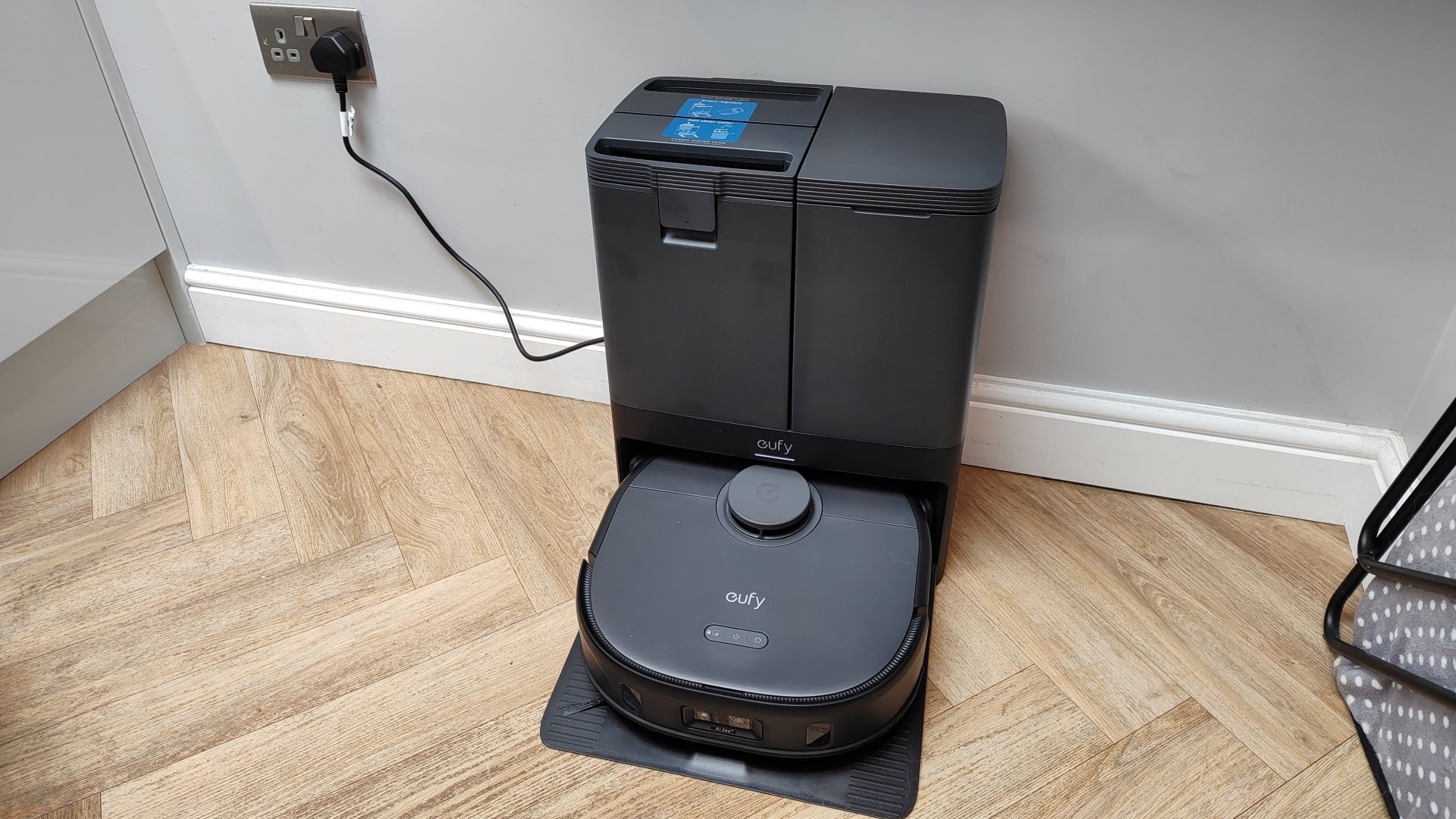
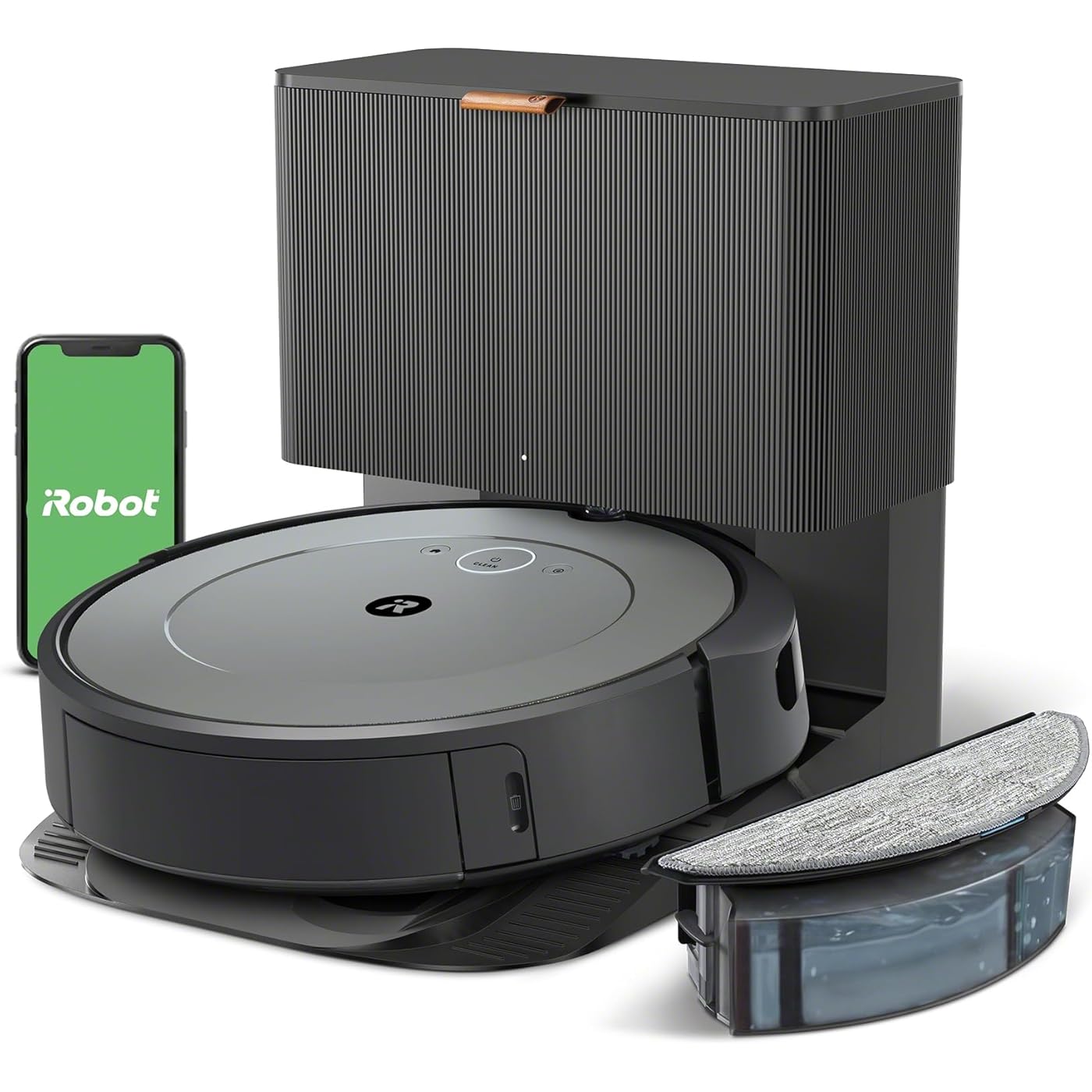
The base station is no longer just a charging port; it is the most complex part of the system. A thorough review of a 2026 flagship must examine the dock's ability to maintain the robot.
- Self-Emptying: The dustbin is suctioned into a larger disposable bag, typically lasting 7-10 weeks.
- Mop Washing: The dock uses hot water to clean the mop pads after every session. Research from the International Journal of Environmental Research and Public Health has historically highlighted the importance of thermal disinfection in floor cleaning to reduce microbial load.
- Auto-Refilling: The robot’s internal water tank is automatically topped up from a reservoir in the dock.
- Active Drying: After cleaning, the dock blows heated air over the mops to ensure they are bone-dry, eliminating the "wet dog" smell associated with older hybrid vacuums.
For users seeking the ultimate in convenience, "Smart Home Plumbing Kits" are now available. These kits connect the dock directly to the home's water supply and drainage, similar to a dishwasher, completely removing the need to fill clean water tanks or empty dirty water buckets.
Comparative Performance Analysis
The following table compares the typical specifications and performance tiers for the most common categories of robot vacuums available in 2026.
| Feature Segment | Flagship All-in-One | Mid-Range Hybrid | Vacuum-Only Specialist |
|---|---|---|---|
| Suction Power (Pa) | 10,000 - 12,000+ | 6,000 - 8,000 | 5,000 - 7,000 |
| Mapping Tech | LiDAR + AI Vision | LiDAR + Infrared | vSLAM or LiDAR |
| Mopping Method | Dual-Spin or Sonic + Lift | Fixed Pad (Passive) | None / Optional |
| Dock Capabilities | Wash, Dry, Empty, Refill | Self-Empty, Refill | Self-Empty Only |
| Obstacle Avoidance | 80+ Object Types | 10-20 Object Types | Basic Bumper / IR |
| Smart Integration | Matter, Voice, App | App, Basic Voice | App Only |
Maintenance, Repairability, and Environmental Impact
Despite the high level of autonomy, robot vacuums still require periodic manual maintenance. A thorough review should not overlook the "hidden" work involved. Sensors must be wiped clean every few weeks to prevent navigation errors, and the main brush roll should be checked for debris that bypasses the anti-tangle mechanisms.
Longevity is a major concern for expensive 2026 models. Buyers should look for brands that offer replaceable batteries and modular components. The Right to Repair movement has influenced several manufacturers to provide easier access to internal motors and wheels, extending the lifespan of the device beyond the typical three-year battery cycle. Furthermore, the use of recycled plastics in the chassis of flagship models has become a standard practice for brands aiming to meet ESG (Environmental, Social, and Governance) targets.
Strategic Buying Advice for Different Households
Choosing a robot vacuum is not a "one size fits all" decision. The layout of your home and your lifestyle dictate the necessary feature set.
- Pet Owners: Prioritize high suction (10,000 Pa+) and dual-rubber brushes. Look for docks with high-capacity dust bags and AI that specifically recognizes pet accidents to avoid "smear" disasters.
- Hardwood-Heavy Homes: Focus on mopping performance. Models with hot-water washing and extending mop arms will provide a much deeper clean on tile and wood than a vacuum-heavy unit.
- Multi-Level Homes: Ensure the software supports multi-floor mapping. Some users find it more efficient to own two mid-range units rather than carrying one flagship between floors, especially if the dock is not easily moved.
- Allergy Sufferers: Verification of HEPA H13 filtration in both the robot and the dock is non-negotiable. The self-emptying process should be completely sealed to prevent dust clouds.
Frequently Asked Questions
Are robot vacuums in 2026 truly "set and forget"? While they are closer than ever, no robot is 100% maintenance-free. You will still need to replace the dock’s dust bag every 2-3 months, refill the water tanks (unless plumbed-in), and occasionally clean the sensors and brushes to maintain peak performance.
How do modern robot vacuums handle thick rugs and high-pile carpets? Flagship models use ultrasonic sensors to detect carpet. When a rug is identified, the robot increases suction to its maximum setting and either lifts the mop pads or leaves them at the dock. However, very high-pile "shag" rugs can still cause navigation issues or get caught in the brush roll.
Is the privacy risk of camera-based navigation addressed? Yes, most 2026 flagships carry TUV Rheinland privacy certifications. This ensures that camera data is processed in real-time on the robot's local chip and is never stored or transmitted to a cloud server without explicit user consent for troubleshooting purposes.
Do I need a plumbed-in model for the best experience? A plumbed-in model offers the highest level of convenience by automating water management. However, it requires proximity to a water line and drain, which may not be feasible in all homes. Manual-refill docks are still the most popular choice for their flexibility in placement.
What is the expected lifespan of a flagship robot vacuum? With proper maintenance, a high-quality robot vacuum should last 5 to 7 years. The battery is usually the first component to degrade, but most flagship models now feature user-replaceable battery packs to extend the machine's life.
Final Recommendation
For most households in 2026, a Flagship All-in-One system represents the best value for time-saving. If your budget allows, prioritize a model with 70°C hot-water mop washing and AI-enhanced obstacle avoidance. These features represent the threshold between a machine that requires constant supervision and one that truly manages your home’s floors independently. Before purchasing, verify that your home's WiFi covers your entire floor plan, as a stable connection is essential for the advanced mapping and app-based scheduling features to function correctly.