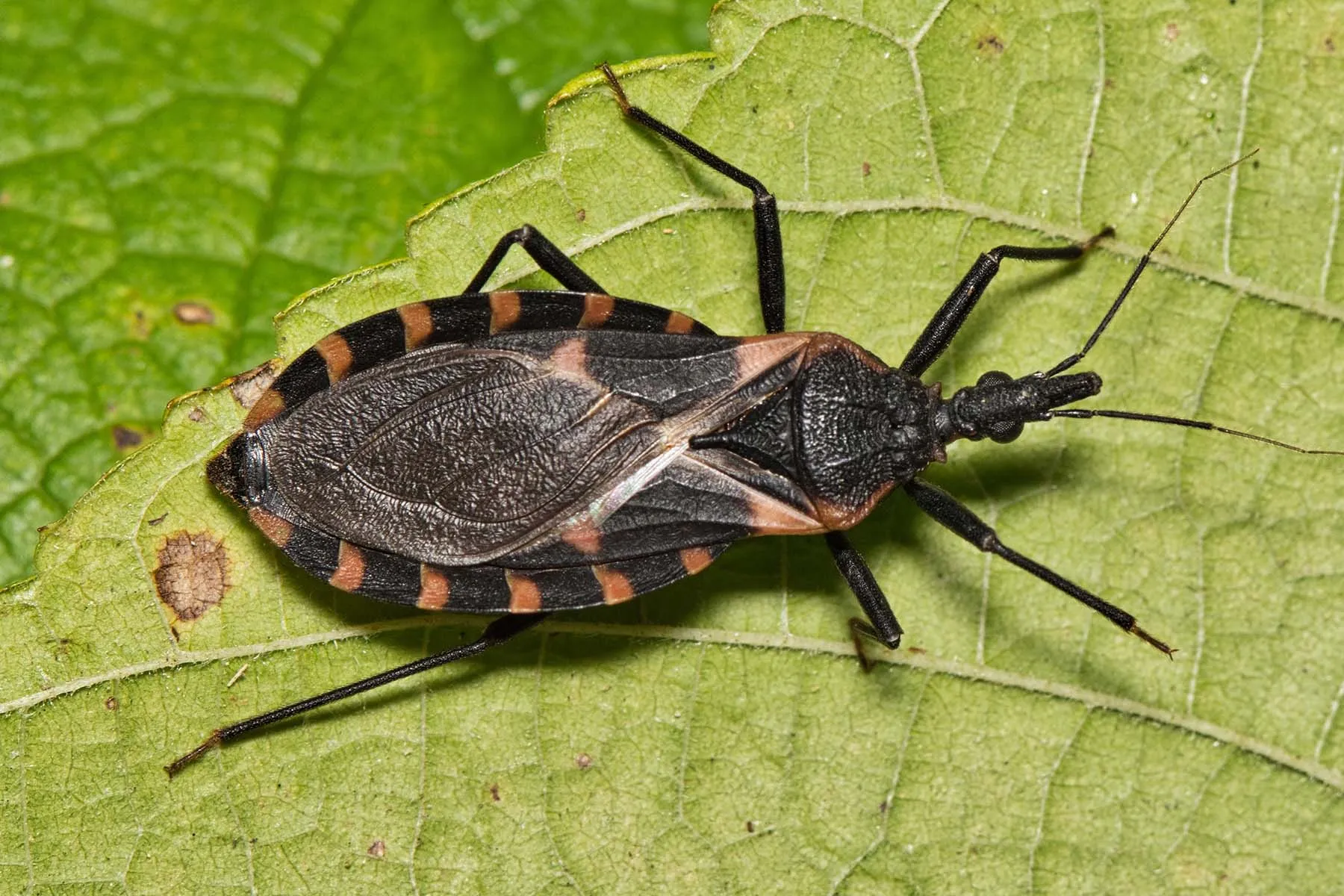
Illinois residents frequently express concern over whether kissing bugs reside in the state, largely due to fears surrounding Chagas disease. While triatomine bugs do exist in Illinois, the risk of contracting the disease is exceptionally low compared to regions in Central and South America. Knowing how to identify these insects, understanding their behavior, and learning safe removal practices help homeowners manage encounters without unnecessary panic.
Understanding Kissing Bugs: Biology and Identification
Kissing bugs belong to the subfamily Triatominae, which includes several species of blood-sucking insects. In the United States, several species have been identified, with Triatoma sanguisuga being the species most commonly encountered in the Midwest, including Illinois. These insects earn their colloquial name from their habit of biting humans around the mouth or facial area while sleeping, attracted by exhaled carbon dioxide and warmth.
Proper identification prevents unnecessary alarm, as many harmless insects closely resemble triatomines. Kissing bugs are typically large, measuring between 0.75 and 1.25 inches in length. They feature an elongated head, a dark brown or black body with distinctive red, orange, or yellow stripes along the outer edge of the abdomen (the connexivum), and a straight, slender proboscis used for piercing skin.
A primary lookalike often mistaken for the kissing bug is the Western conifer seed bug (Leptoglossus occidentalis), a harmless plant pest that frequently invades homes during autumn seeking shelter. Unlike kissing bugs, seed bugs possess wider, leaf-like expansions on their hind legs and feed exclusively on plant juices. Boxelder bugs and certain predatory wheel bugs also share superficial similarities, but close examination of the head shape and mouthparts reveals distinct differences.
Are Kissing Bugs Common in Illinois?
Geographic distribution data compiled by public health agencies, including the Centers for Disease Control and Prevention (CDC) and university extension offices, confirm that Triatoma sanguisuga ranges into Illinois, though populations are sparse and sporadic compared to the southern United States or Latin America.
Unlike states in the southern tier of the country, where kissing bugs frequently colonize human dwellings and domestic animal shelters, Illinois sightings are relatively uncommon. Most specimens found in the state are discovered outdoors under rocks, in woodpiles, beneath porches, or occasionally wandering indoors after being drawn to exterior porch lights at night.
Environmental conditions in Illinois limit the establishment of dense indoor populations. The state's cold winters typically restrict outdoor survival for species unaccustomed to prolonged freezing temperatures, and modern housing construction in the region generally prevents easy entry for ground-dwelling insects. Consequently, while a resident might occasionally encounter an individual bug, established colonies living inside living spaces remain rare.
The Health Risk: Chagas Disease Transmission
The primary concern regarding kissing bugs is their potential to transmit Trypanosoma cruzi, the parasite responsible for Chagas disease. However, the mechanics of transmission make local acquisition in Illinois exceptionally rare.
Unlike mosquitoes, which transmit pathogens through their saliva while feeding, triatomine bugs transmit the T. cruzi parasite through their feces. When a kissing bug feeds on a host, it often defecates near the bite wound. The human host inadvertently rubs the infectious feces into the bite, broken skin, or mucous membranes, such as the eyes or mouth.
Furthermore, not all kissing bugs carry the parasite. Research indicates that infection rates among North American triatomine populations are significantly lower than those in endemic regions of Latin America. Even when a bug is infected, transmission does not occur automatically with a bite. According to public health data, the probability of contracting Chagas disease from a kissing bug bite in the United States is extremely low.
What to Do If You Find a Kissing Bug
Encountering a suspected kissing bug indoors or outdoors requires careful handling to avoid direct skin contact and potential exposure to infectious waste. Following specific safety steps protects household members and preserves the specimen for verification if necessary.
Safe Handling and Removal Steps
- Never crush or squish the bug: Crushing the insect releases its bodily fluids and potential feces, increasing the risk of pathogen exposure if it contacts broken skin or eyes.
- Wear protective gloves: Put on disposable rubber or latex gloves before attempting to move or capture the insect.
- Trap the insect safely: Place a small plastic container or glass jar over the bug, and slide a sturdy piece of paper underneath to trap it inside. Alternatively, use tongs or forceps to pick it up gently.
- Submerge or freeze: Kill the trapped bug safely by submerging it in rubbing alcohol or placing the sealed container in the freezer for at least 24 hours.
- Wash thoroughly: Discard gloves, wash hands thoroughly with soap and water, and clean any surfaces or tools that came into contact with the bug.
When to Seek Medical Attention
Most kissing bug bites result in mild localized reactions, such as redness, itching, or swelling, similar to mosquito or spider bites. Clean the bite area with soap and water and apply an over-the-counter anti-itch cream or cold compress to reduce discomfort.
Severe allergic reactions, known as anaphylaxis, can occur in sensitive individuals, characterized by hives, difficulty breathing, swelling of the tongue or throat, and dizziness. Seek emergency medical care immediately if these symptoms develop. If a person suspects they have been bitten by a kissing bug and exhibits symptoms of Chagas disease weeks or months later—such as fever, fatigue, body aches, or swelling around the eyelids—they should consult a physician for appropriate diagnostic testing.
Pest Control and Prevention Strategies
Preventing kissing bugs from entering Illinois homes relies on standard exclusion and sealing practices common to general pest management. Because these bugs are attracted to light and seek shelter from extreme weather, homeowners can take targeted steps to secure their property.
| Prevention Method | Action Required | Primary Benefit |
|---|---|---|
| Seal Entry Points | Caulk cracks in foundations, exterior walls, windows, and doors. Repair damaged window and door screens. | Blocks physical access routes into living areas. |
| Manage Outdoor Lighting | Switch exterior incandescent bulbs to yellow or sodium-vapor bug lights, or turn off unnecessary porch lights at night. | Reduces nocturnal attraction of wandering insects toward the home. |
| Clear Yard Debris | Remove brush piles, rock piles, dense vegetation, and woodpiles stacked directly against the house foundation. | Eliminates natural outdoor harborage areas for wild populations. |
| Protect Pets | Keep pet sleeping quarters clean and inspect outdoor kennels regularly. Avoid leaving pet food outdoors overnight. | Deters wild animals and insects from congregating near living structures. |
Frequently Asked Questions
Do all kissing bugs in Illinois carry Chagas disease?
No. Only a fraction of kissing bugs carry the Trypanosoma cruzi parasite. Furthermore, the species found in Illinois have lower infection rates compared to those in endemic southern regions, making local transmission exceedingly rare.
Can I submit a bug for testing if I find one?
Yes. Many local health departments or university agricultural extension entomology laboratories accept suspected kissing bug specimens for identification. Contact your county extension office for specific submission guidelines before mailing or dropping off samples.
Are kissing bugs aggressive toward humans?
No. Kissing bugs are nocturnal and secretive. They do not actively chase or attack humans. They bite primarily when disturbed while resting or when attracted to sleeping humans by body heat and carbon dioxide.
What do kissing bug bites look like?
Bites often appear as firm, red, itchy bumps on the skin, frequently clustered around the face or mouth. They can resemble bites from mosquitoes, fleas, or bed bugs, making visual identification of the bite alone unreliable for confirming a kissing bug encounter.
Are pets at risk from kissing bugs?
Dogs and cats can encounter kissing bugs outdoors or indoors and may become infected with Chagas disease if they ingest an infected bug. Symptoms in dogs can include lethargy, weakness, and eventual heart complications. Pet owners should consult a veterinarian if they suspect their animal has ingested a triatomine bug.
Practical Next Actions
If you encounter an insect in Illinois that matches the description of a kissing bug, remain calm and use the safe capture methods outlined above to remove it without crushing it. Preserve the specimen in rubbing alcohol if you wish to have it verified by an entomologist or local health official. To safeguard your home long-term, focus on sealing exterior gaps, repairing torn screens, and minimizing outdoor lighting near entryways. For persistent pest issues or professional home sealing assessments, consult a licensed pest control operator experienced in structural exclusion techniques.