The definitive must-see attraction in Rotterdam is the Markthal (Market Hall). Located in the historic Laurenskwartier, this architectural wonder combines a massive indoor food market with residential housing, all sheltered under a 40-meter arch adorned with the world’s largest artwork. It serves as the perfect introduction to Rotterdam’s innovative spirit and culinary diversity.
Rotterdam is a city that refused to be defined by its past. After the devastating bombardment of 1940, the city chose not to rebuild what was lost, but to invent what was next. This philosophy has transformed the Netherlands’ second-largest city into a living laboratory for experimental architecture and urban design. For a traveler in 2026, the Markthal remains the crown jewel of this transformation, standing as a testament to the city’s resilience and creative audacity.
The Markthal: Rotterdam’s "Sistine Chapel" of Food
The Markthal is not merely a place to buy groceries; it is a structural marvel that defies traditional categorization. Designed by the world-renowned architectural firm MVRDV, the building opened in 2014 and has since become the most photographed site in the city. The structure is shaped like a giant horseshoe, with a glass facade at both ends that allows for transparency and light, creating a seamless transition between the indoor market and the outdoor Binnenrotte square.
The Architectural Concept
The genius of the Markthal lies in its multi-functionality. The outer "shell" of the arch contains 228 apartments, many of which feature windows looking directly down into the bustling market floor. This integration of living space and public commerce was a revolutionary concept in urban planning. The glass cables of the end walls are designed to be flexible, allowing them to sway slightly during the heavy North Sea storms that occasionally batter the Dutch coast, making it the largest cable-net glass facade in Europe.
"Horn of Plenty": The World’s Largest Artwork
As you step inside, your eyes are immediately drawn upward to the ceiling. Covering 11,000 square meters, the digital mural titled "Hoorn des Overvloeds" (Horn of Plenty) by artists Arno Coenen and Iris Roskam is often referred to as the Sistine Chapel of Rotterdam. The artwork features hyper-realistic, oversized images of fruits, vegetables, flowers, and insects—elements that pay homage to the Dutch Masters of the 17th century while utilizing 21st-century digital rendering techniques. In 2026, the colors remain as vibrant as ever, thanks to the high-resolution printed aluminum panels that comprise the interior lining of the arch.
Gastronomy and Culture: What to Experience Inside
The market floor is home to over 100 fresh food stalls, specialized shops, and restaurants. For travelers, this is a sensory journey through both Dutch heritage and the city's multicultural fabric.
Essential Dutch Flavors
While the Markthal offers global cuisine, a primary reason for visiting is to sample authentic Dutch staples:
- Stroopwafels: Many stalls prepare these fresh. Two thin waffle layers are joined by a warm, gooey caramel syrup. Eating one warm is a non-negotiable experience for any first-time visitor.
- Dutch Cheese: From aged Gouda to spiced Leyden, the cheese mongers in the Markthal offer tastings that demonstrate why the Netherlands is a global leader in dairy.
- Herring (Haring): Follow the local tradition by visiting a fish stall and eating a raw herring with onions and pickles, held by the tail.
- Poffertjes: Tiny, fluffy buckwheat pancakes served with a generous knob of butter and a dusting of powdered sugar.
International Diversity
Rotterdam is home to over 170 nationalities, and the Markthal reflects this. You can find high-quality Moroccan spices, Surinamese rotis, Japanese sushi, and Italian antipasti within a few meters of each other. In 2026, the focus has shifted heavily toward sustainability, with many vendors highlighting "zero-waste" packaging and locally sourced ingredients from the surrounding South Holland polders.
Logistics: Visiting the Markthal in 2026
To maximize your visit, it is essential to understand the logistics of this high-traffic landmark.
Opening Hours and Timing
The Markthal is generally open seven days a week, typically from 10:00 AM to 8:00 PM (with slightly later hours on Fridays and earlier closing on Sundays). For the best photography of the artwork without the crowds, aim to arrive right at opening. For the most vibrant atmosphere, lunch hours (12:00 PM – 2:00 PM) are peak time.
Accessibility
The site is fully accessible via public transport. The Rotterdam Blaak station is located directly in front of the entrance, serving as a hub for trains, metros, and trams. If you are arriving from Rotterdam Centraal, it is a mere 5-minute train ride or a 15-minute walk through the city’s architectural corridors.
The "Tijdtrap" (Time Stairs)
Don't miss the escalators in the center of the hall. Known as the Tijdtrap, this permanent exhibition showcases archaeological finds discovered during the building's excavation. As you descend to the parking garage levels, you travel "back in time," seeing medieval tools, ceramics, and structural remains of 14th-century Rotterdam. It is a free museum experience integrated into the daily commute.
The Immediate Surroundings: A Cluster of Must-Sees
One of the reasons the Markthal is the primary must-see is its proximity to other major landmarks. You can complete a "Rotterdam Trifecta" without walking more than 200 meters.
The Cube Houses (Kijk-Kubus)
Directly across from the Markthal are the famous Cube Houses, designed by architect Piet Blom in the late 1970s. These bright yellow houses are tilted at a 45-degree angle, intended to represent a "forest" where each house is a tree. One house, the Kijk-Kubus, is open as a museum, allowing travelers to see how it is possible to live in a space with no vertical walls. In 2026, entry fees are approximately €3.50, providing a fascinating glimpse into unconventional urban living.
Oude Haven (Old Harbor)
Behind the Cube Houses lies the Oude Haven, one of the few areas where the historic harbor atmosphere remains. It is home to the Witte Huis (White House), which was Europe’s first skyscraper when it was completed in 1898. Today, the Oude Haven is a popular spot for outdoor dining and drinks, offering a view of historic sailing ships docked in the water.
Grote of Sint-Laurenskerk
The only remnant of medieval Rotterdam, this Gothic church stands in stark contrast to the Markthal's modernism. In 2026, visitors can still climb the tower for a panoramic view of the skyline. It serves as a somber and beautiful reminder of the city's longevity.
Secondary Must-See: Depot Boijmans Van Beuningen
If the Markthal represents the city's social heart, the Depot Boijmans Van Beuningen represents its cultural future. Located in the Museumpark, a short tram ride from the Markthal, this is the world's first publicly accessible art storage facility.
Unlike a traditional museum where only 5% to 10% of the collection is on display, the Depot allows visitors to see the entire 150,000-piece collection. The building itself is a giant reflective bowl covered in 1,664 mirror panels, causing it to disappear into the surrounding park and sky. The rooftop forest, situated 35 meters up, offers one of the best 360-degree views of the Rotterdam skyline.
| Attraction | Primary Appeal | Estimated Visit Time | 2026 Cost (Adult) |
|---|---|---|---|
| Markthal | Architecture & Gastronomy | 1.5 - 2 Hours | Free (Market Entry) |
| Cube Houses | Structural Curiosity | 30 - 45 Minutes | €3.50 (Museum house) |
| Depot Boijmans | Art & Reflective Architecture | 2 - 3 Hours | €22.00 |
| Euromast | Panoramic Views | 1 Hour | €13.50 |
| Erasmus Bridge | Engineering & Photography | 20 Minutes | Free |
Engineering Icon: The Erasmus Bridge
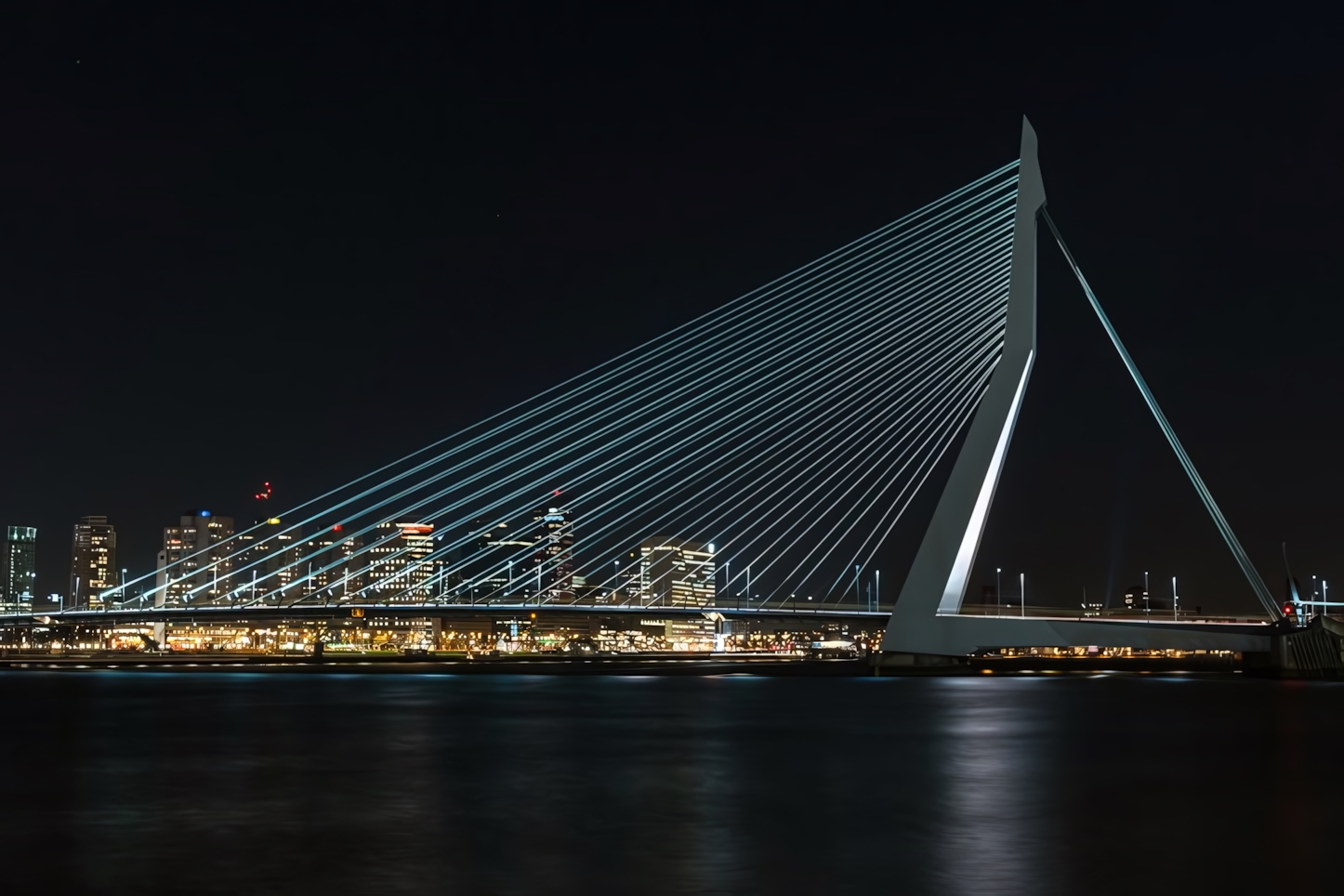
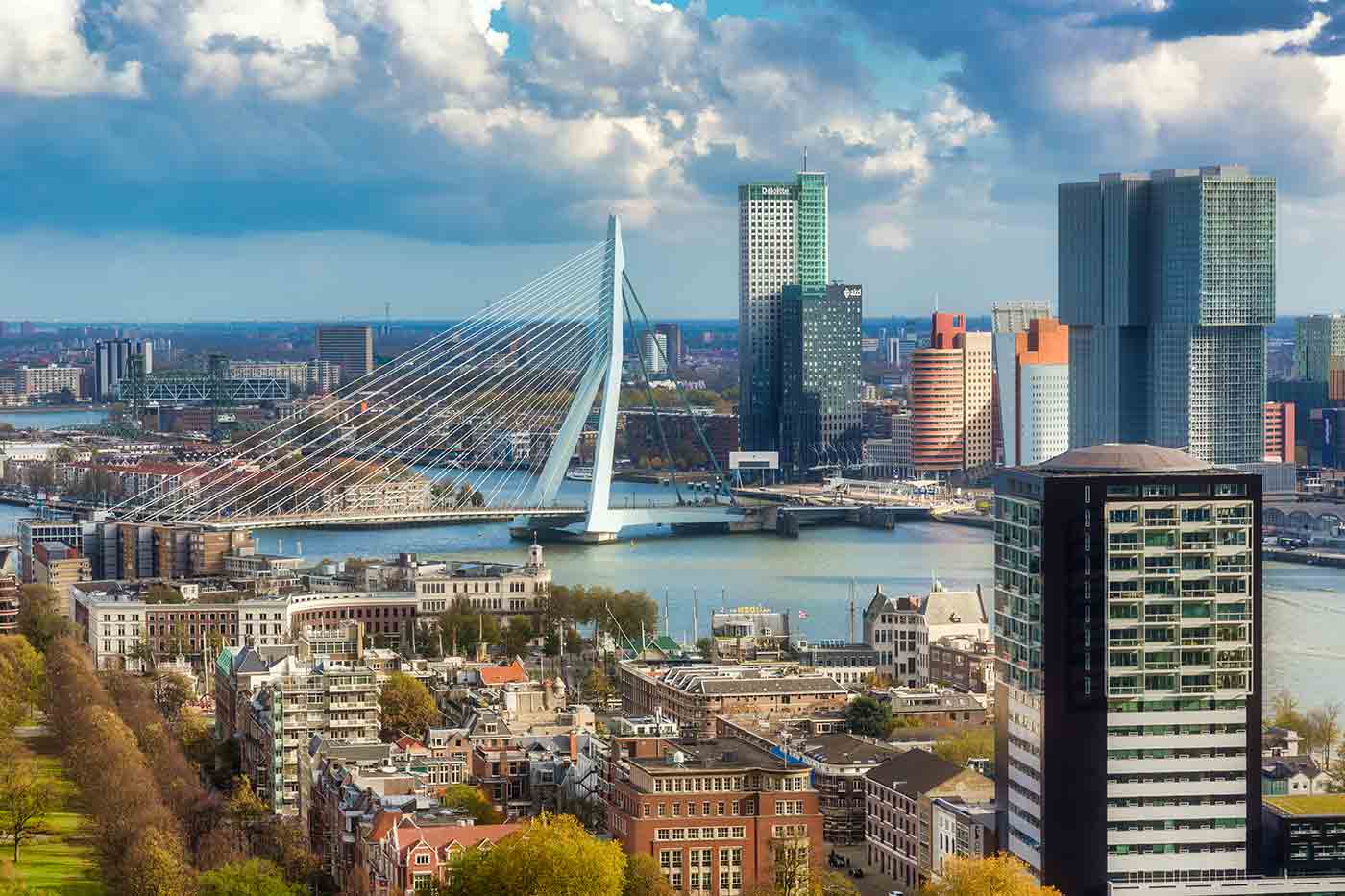
No visit to Rotterdam is complete without crossing the Erasmus Bridge, nicknamed "The Swan" (De Zwaan). This 800-meter-long cable-stayed bridge connects the northern and southern parts of the city. Its 139-meter-high pylon is an icon of the Rotterdam skyline.
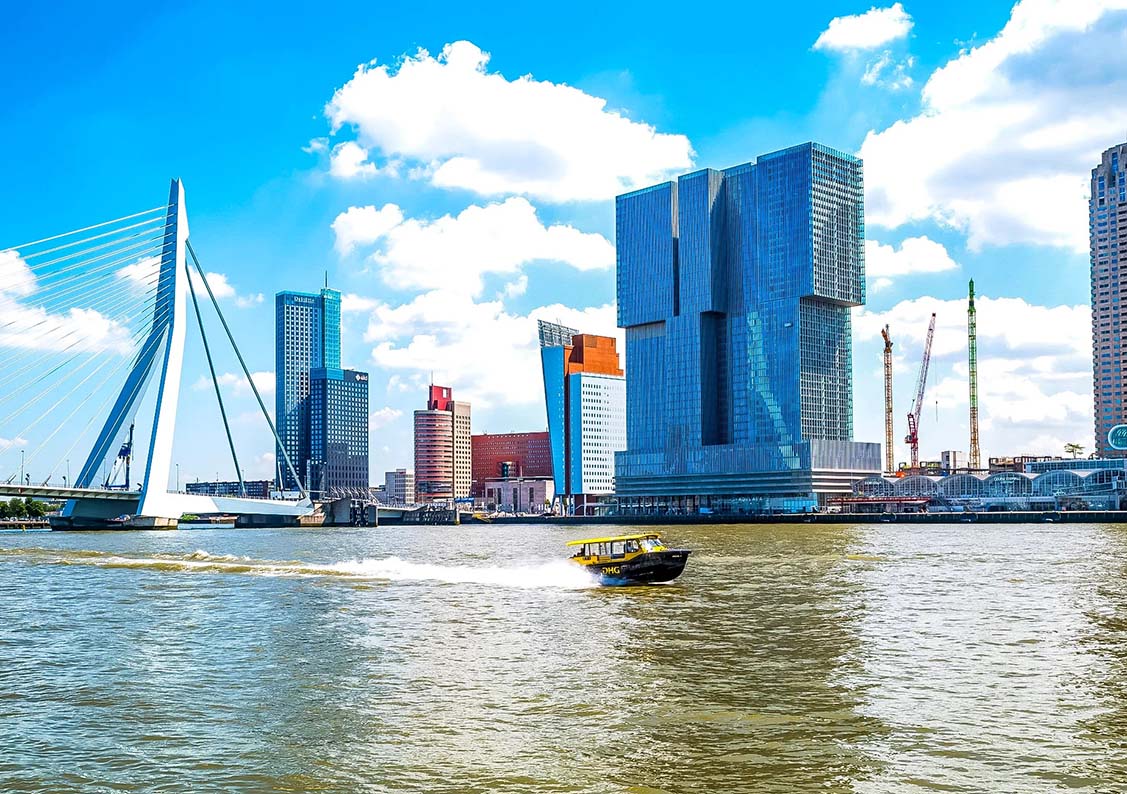
For travelers in 2026, the best way to experience the bridge is by taking a Waterbus or a Spido boat tour from the base of the bridge. This provides a perspective of the "Manhattan on the Maas," the high-rise district on the Kop van Zuid, which features buildings by starchitects like Rem Koolhaas (De Rotterdam) and Renzo Piano.
Practical Advice for the 2026 Traveler
Digital Integration and Payments
Rotterdam is a nearly cashless city. In 2026, almost all vendors in the Markthal and surrounding areas prefer contactless payments (debit, credit, or mobile wallet). While some small stalls may accept cash, it is increasingly rare. Ensure your travel card or phone is set up for international transactions to avoid frustration.
Transportation: The OV-Pay System
The Netherlands has fully transitioned to the OV-pay system. You no longer need a physical OV-chipkaart; you can simply tap in and out of trams, buses, and metros using your contactless bank card or mobile device. This makes navigating from the Markthal to the Museumpark or the Euromast incredibly seamless for international tourists.
Weather Preparedness
Rotterdam is a maritime city. The wind can be fierce, particularly near the river and the Erasmus Bridge. Even in the summer of 2026, a light, windproof jacket is a necessity. The Markthal provides an excellent refuge during a sudden rain shower, making it a reliable "Plan B" for any itinerary.
Frequently Asked Questions
Is the Markthal worth visiting if I'm not a "foodie"?
Absolutely. While the food is a major draw, the primary reason most travelers visit is for the architectural scale and the artwork. The sheer volume of the space and the unique integration of housing into the market arch are engineering feats that appeal to anyone interested in design, photography, or urban culture.
How much time should I allocate for the Markthal?
A standard visit takes about 90 minutes to two hours. This allows enough time to walk the perimeter, admire the "Tijdtrap" archaeological displays, take photos of the ceiling, and sit down for a quick snack or drink. If you plan on having a full multi-course meal at one of the terrace restaurants, allow for three hours.
Can I visit the Markthal for free?
Yes, entry to the Markthal is completely free. You only pay for the food you consume or the items you purchase. The archaeological exhibition in the escalators is also free to view. This makes it one of the most budget-friendly world-class attractions in Europe.
Is Rotterdam safe for solo travelers in 2026?
Rotterdam remains one of the safest major cities in Europe. The Laurenskwartier (around the Markthal) is well-lit and busy late into the evening. As with any major city, stay aware of pickpockets in crowded market areas, but generally, solo travelers can explore with a high degree of confidence.
What is the best way to get from the Markthal to the Euromast?
The most scenic way is to take the Watertaxi. There is a landing stage near the Oude Haven. It is a thrilling, fast-paced ride along the Maas river that drops you off near the Parkhaven, just a short walk from the Euromast. Alternatively, you can take Tram Line 8 or Metro Line ABC with a short transfer.
Final Recommendation for Travelers
If you only have one day in Rotterdam, start your morning at the Rotterdam Blaak station. Experience the Markthal early to avoid the rush, walk through the Cube Houses, and then head toward the Erasmus Bridge. This route captures the essence of Rotterdam: a city that is constantly reinventing itself, blending the practical needs of residents with a fearless, avant-garde aesthetic. For the most memorable 2026 experience, end your day at the Depot Boijmans Van Beuningen rooftop at sunset to see the city’s lights reflected in its mirrored walls.