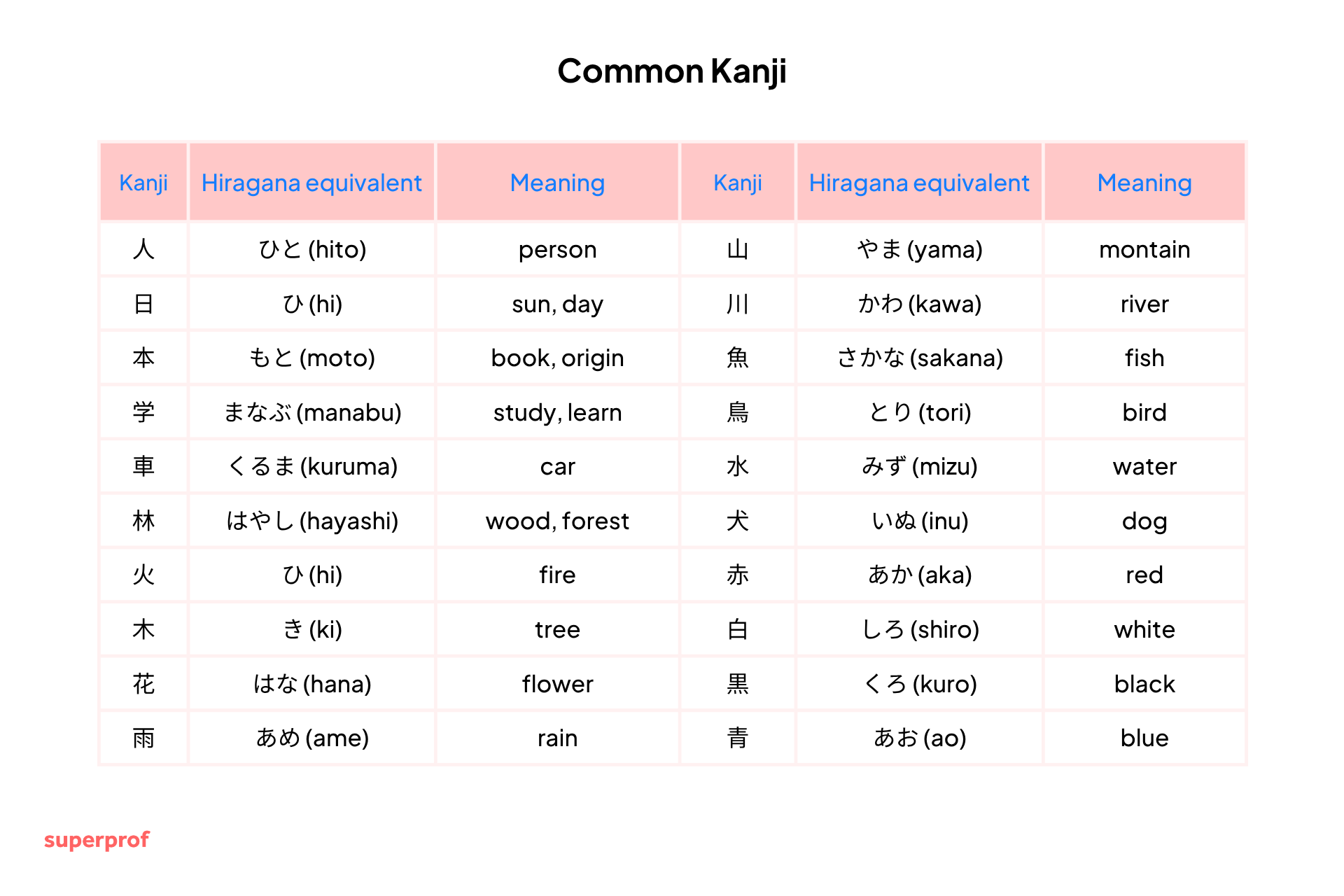
Mastering common Japanese kanji is the most critical step for anyone transitioning from basic hiragana and katakana to functional literacy in the Japanese language. Kanji are logographic characters derived from Chinese scripts that carry specific meanings, representing nouns, verb stems, and adjectives. Understanding these characters allows a reader to decipher the core concepts in a sentence, as they provide the semantic "anchors" that distinguish Japanese writing from simple phonetic scripts.
Understanding the Role of Kanji in Japanese Literacy
Kanji serve as the foundation of written Japanese, acting as the primary vehicle for meaning. While hiragana is used for grammatical particles and verb endings, and katakana is reserved for foreign loanwords and emphasis, kanji provides the dense, efficient information transfer necessary for advanced communication.
In the Japanese education system, students learn 2,136 characters known as the Jōyō Kanji (daily-use kanji). These are the characters mandated by the Ministry of Education, Culture, Sports, Science and Technology (MEXT) for use in official documents, media, and general education. For a learner, focusing on the most frequent characters within this list is the most efficient path toward reading comprehension.
The Duality of Readings: On-yomi vs. Kun-yomi
The greatest hurdle for new learners is that most kanji possess at least two distinct types of readings. Understanding these is essential for accurate pronunciation:
- On-yomi (Sino-Japanese reading): This is the reading derived from the original Chinese pronunciation. It is typically used when the kanji appears in a compound word (a word made of two or more kanji).
- Kun-yomi (Native Japanese reading): This is the original Japanese word associated with the kanji’s meaning. It is typically used when the kanji stands alone or is followed by hiragana (okurigana).
For example, the kanji for water (水) has the On-yomi reading sui (as in suiyōbi for Wednesday) and the Kun-yomi reading mizu (the word for water itself). Learning to identify the context in which these readings appear is a prerequisite for vocabulary building.
Foundational Kanji Categories
To organize your study, it is helpful to categorize common kanji by their logical functions. Starting with these groups helps establish a pattern of recognition that makes learning more complex characters easier.
Numerals and Time
These are often the first characters students encounter because they appear frequently in dates, prices, and quantities.
- 一 (one), 二 (two), 三 (three)
- 日 (day/sun), 月 (month/moon), 年 (year)
- 時 (time/hour), 分 (minute/part)
Directions and Elements
These characters provide context for location and environmental descriptions.
- 上 (up/above), 下 (down/below)
- 中 (middle/inside), 外 (outside)
- 左 (left), 右 (right)
- 山 (mountain), 川 (river), 田 (rice field)
Human and Social Indicators
These characters are fundamental to identifying people and relationships within a text.
- 人 (person), 子 (child), 女 (woman), 男 (man)
- 学 (study/learning), 校 (school)
- 本 (book/origin), 行 (to go)
Comparison of Basic Kanji and Their Usage
The following table illustrates how these core characters change their reading and meaning based on context.
| Kanji | Meaning | Kun-yomi (Native) | On-yomi (Sino-Japanese) | Example Word |
|---|---|---|---|---|
| 山 | Mountain | Yama | San | Fujisan (Mt. Fuji) |
| 日 | Day/Sun | Hi | Nichi / Jitsu | Nichiyōbi (Sunday) |
| 人 | Person | Hito | Jin / Nin | Nihonjin (Japanese person) |
| 本 | Book/Origin | Moto | Hon | Nihon (Japan) |
| 大 | Big | Ō-kii | Dai | Daigaku (University) |
Strategies for Efficient Retention
Rote memorization of 2,000 characters is ineffective for most learners. Instead, focus on these three strategies to internalize the meanings and readings of common kanji.
1. Understanding Radicals
Radicals (bushu) are the sub-components that make up a kanji. For example, the "water" radical (氵) appears on the left side of characters related to liquids, such as umi (sea) or ike (pond). By identifying the radical, you can often make an educated guess about a character's meaning even if you have never seen it before.
2. Learning in Contextual Compounds
Do not study kanji in isolation. If you are learning the kanji for "study" (学), learn it in the context of gakkō (school) or gakusei (student). Seeing how characters combine to form new meanings cements them in your memory better than memorizing individual dictionary definitions.
3. Systematic Spaced Repetition (SRS)
Utilize digital tools that implement Spaced Repetition Systems. These systems calculate the optimal time for you to review a specific character before you are likely to forget it. In 2026, many standardized apps utilize algorithms that track your accuracy on specific kanji, ensuring that you dedicate your time to difficult characters rather than ones you have already mastered.
Common Mistakes to Avoid
Learners often fall into patterns that hinder their progress. Avoiding these common pitfalls will save significant time.
- Ignoring Stroke Order: While it may seem like a formal exercise, stroke order follows logical rules that make characters easier to write and recognize over time. Proper stroke order leads to more legible handwriting and muscle memory.
- Over-reliance on Romaji: Transitioning to reading kana and kanji as early as possible is vital. Romaji (Latin characters) acts as a crutch that prevents the brain from visualizing the kanji, which is necessary for true literacy.
- Focusing on Obscure Kanji: Do not prioritize rare kanji used in literature or specialized technical fields until you have mastered the Jōyō list. Efficiency is key; focus on the 500 most frequent characters before moving on to the remaining 1,600.
Frequently Asked Questions
How many kanji do I need to be fluent in Japanese?
General fluency usually requires knowledge of the 2,136 Jōyō Kanji. This level of literacy allows you to read newspapers, government documents, and most web content. While there are thousands of other characters in existence, they are rarely used in daily communication.
Is there a specific order I should follow to learn them?
It is highly recommended to follow the order used in the Japanese school system (the Gakushū Kanji list). This list progresses from simple, concrete concepts (numbers, body parts) to more abstract ideas (philosophy, complex societal structures), which aligns well with the natural progression of language acquisition.
How can I verify the meaning of a kanji I encounter in the wild?
In 2026, the most accurate method is using mobile dictionary applications or OCR (Optical Character Recognition) tools. These allow you to draw the character on your screen or take a photo of it. When verifying, always ensure the source provides both the On-yomi and Kun-yomi readings to avoid confusion.
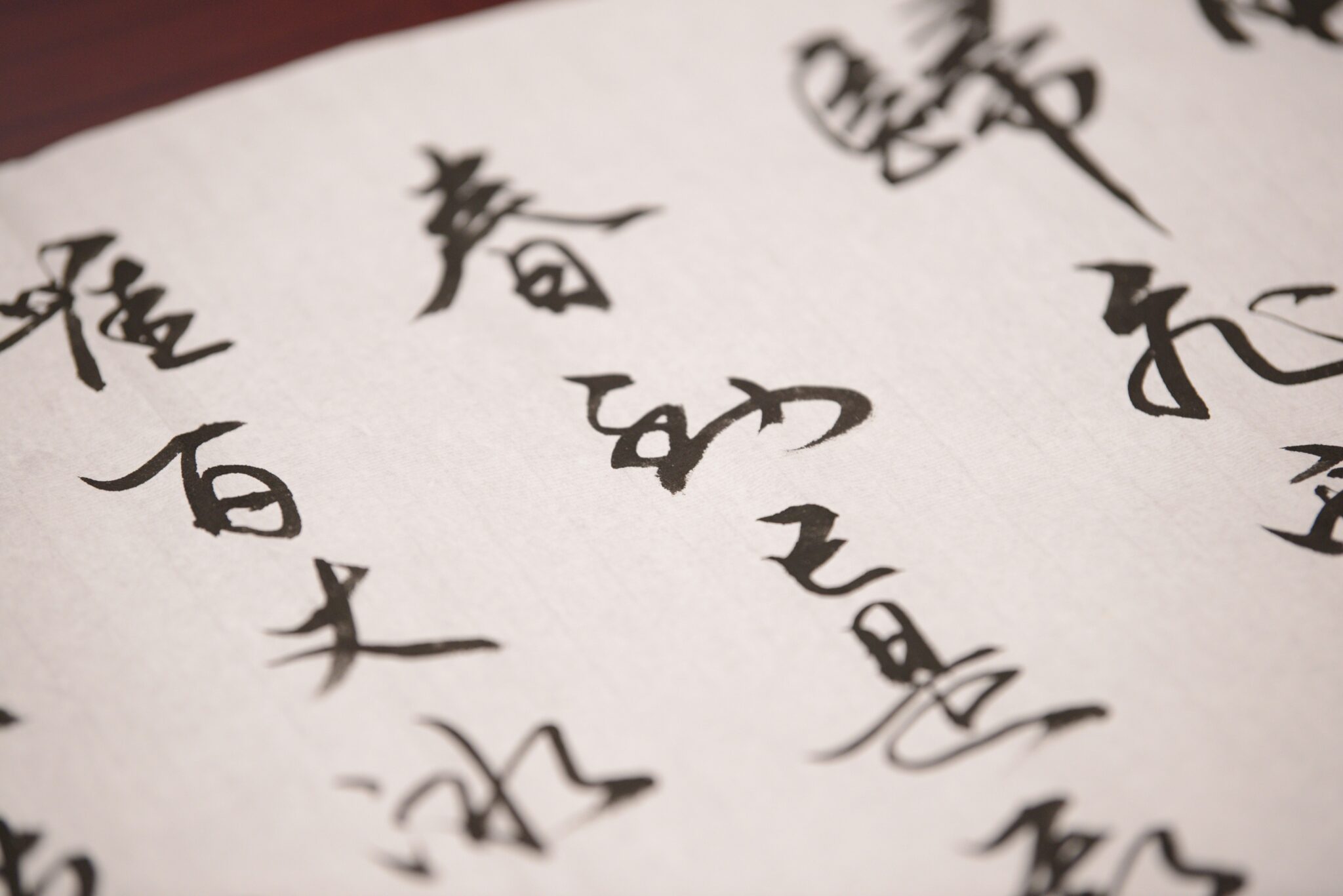
Why do some kanji look different in handwriting versus digital fonts?
This is due to the history of brush calligraphy versus modern print standards. The digital font usually represents the "standard" form, while handwriting may include subtle variations in stroke connections. As long as the primary components remain, the character remains readable.
Next Steps for Learners
To begin your journey, start by downloading a recognized list of the Grade 1 Jōyō Kanji. Spend 15 minutes each day writing these characters by hand while saying their readings aloud. Once you have a firm grasp of the first 100 characters, begin reading simple "graded readers"—books designed specifically for language learners—that use these characters in real sentences. Consistency is more important than intensity; practicing for short sessions every day will produce far better results than attempting to learn dozens of characters in a single sitting.