A degree in social engineering is typically pursued through interdisciplinary programs such as Cybersecurity, Behavioral Psychology, or Information Security with a specialized focus on human factors. These programs combine technical prowess with psychological insights to train professionals in identifying, auditing, and mitigating "human hacking" risks within modern organizational infrastructures.
Understanding the Social Engineering Academic Landscape
As of 2026, the concept of a "degree in social engineering" has evolved from a niche curiosity into a critical component of global security education. While you will rarely find a diploma that bears only those four words, the academic world has responded to the rise of sophisticated, AI-driven human manipulation by integrating social engineering tracks into established departments.
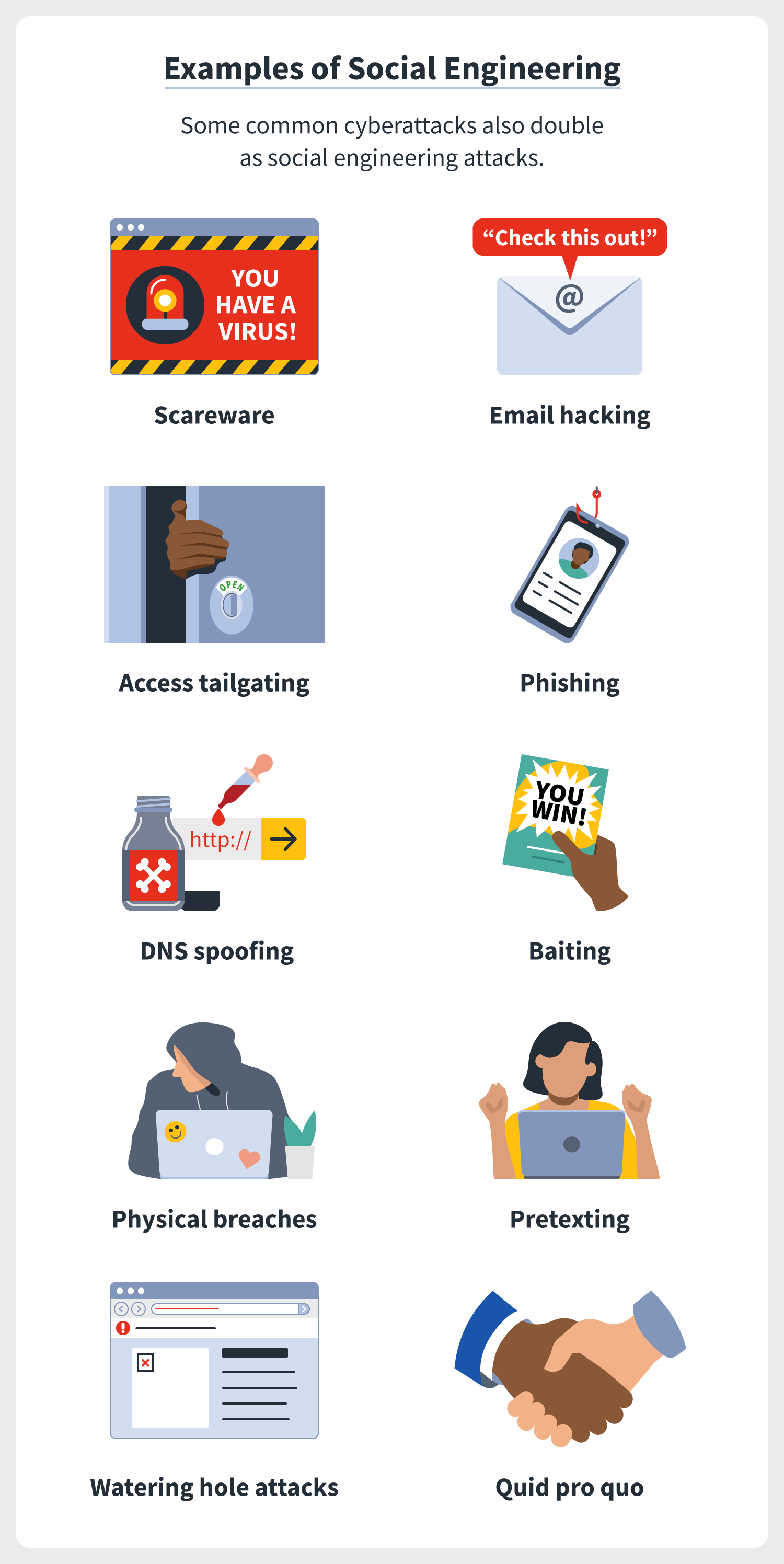
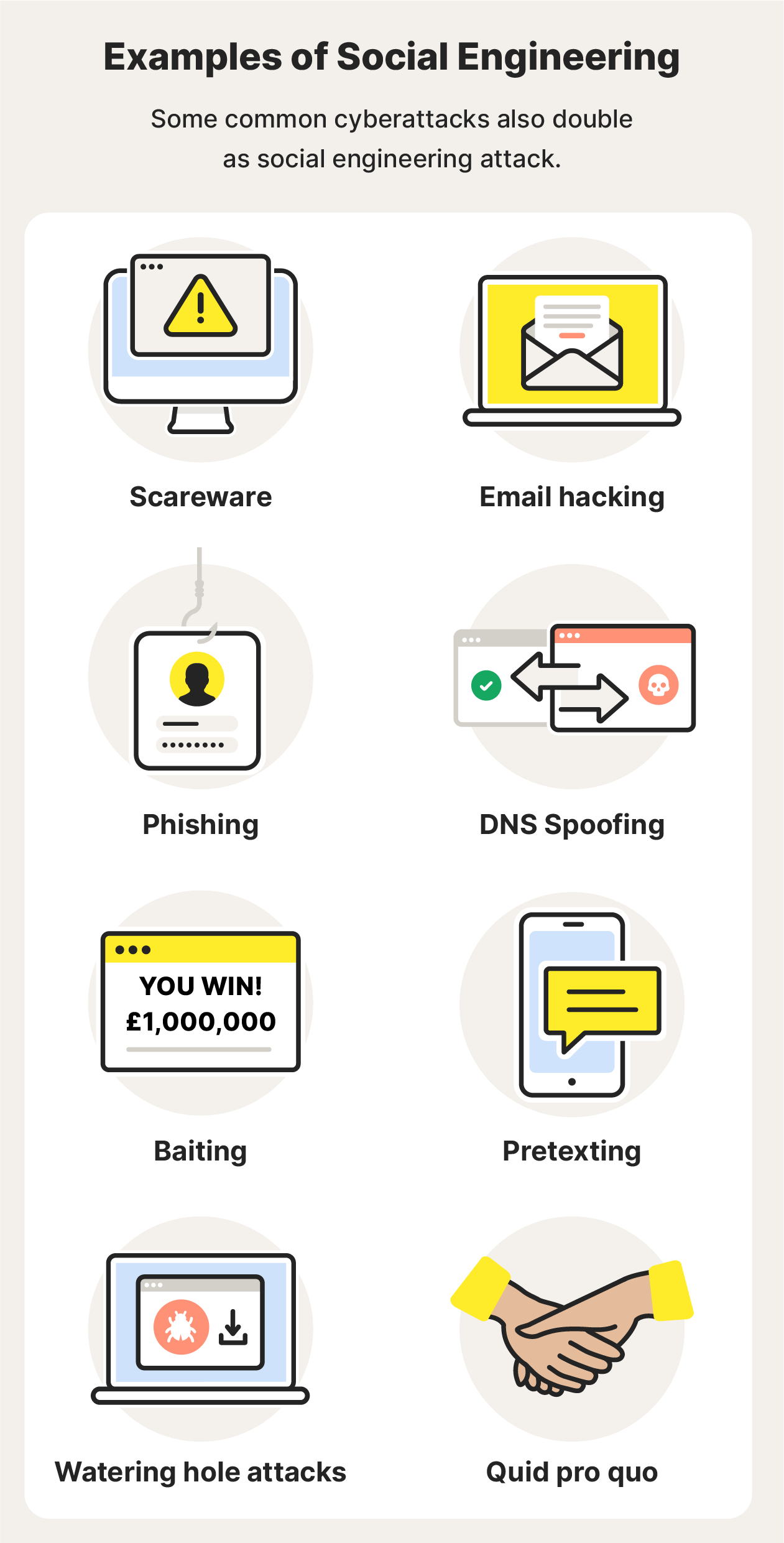
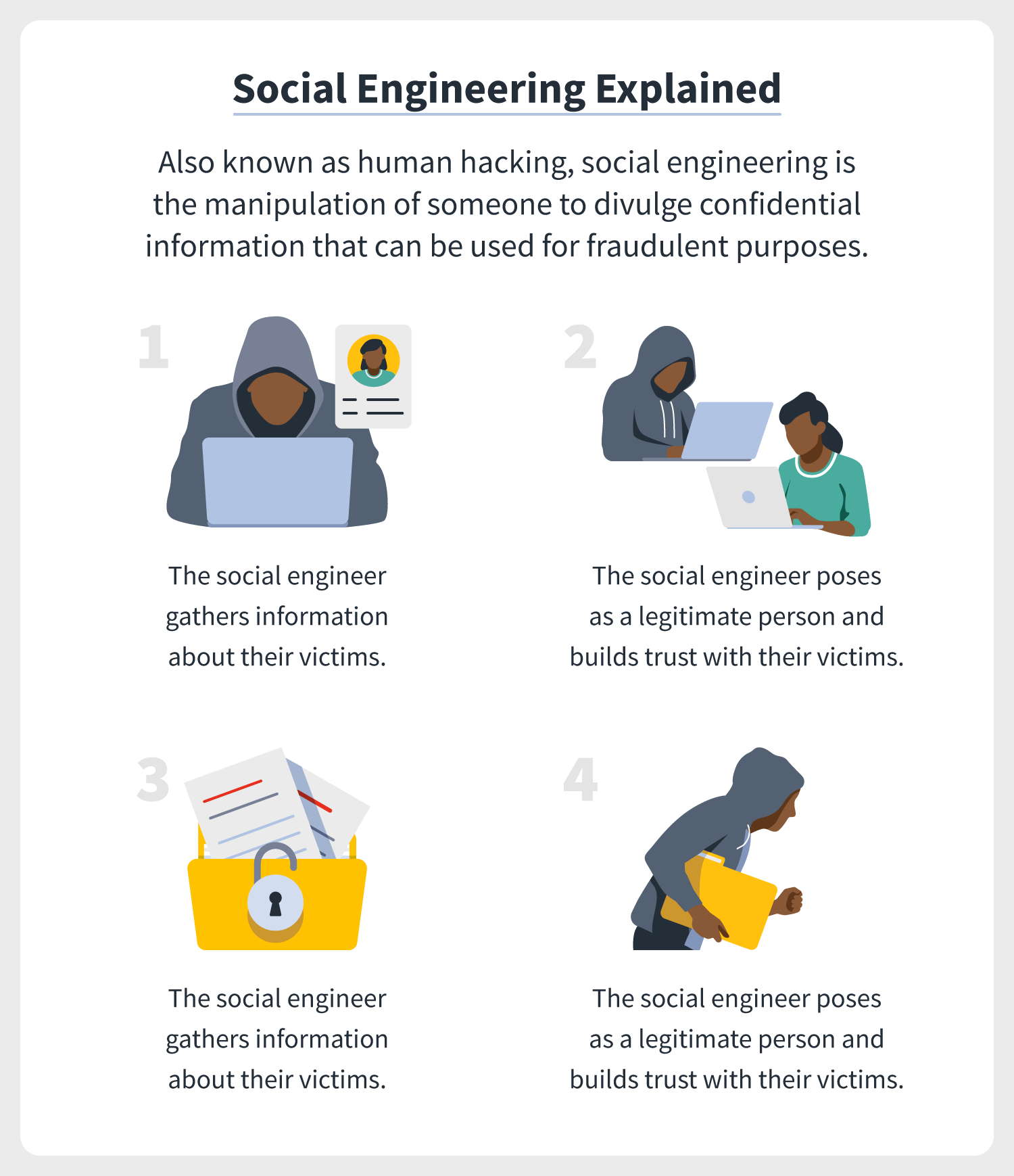
Social engineering is fundamentally the art and science of manipulating people into divulging confidential information or performing actions that compromise security. Because this field sits at the intersection of human behavior and digital systems, the educational path is rarely linear. Students today generally approach this expertise through three primary academic veins: Cybersecurity/Computer Science, Cognitive Psychology, or the emerging field of Socio-Technical Systems Engineering.
The shift toward these specialized studies has been accelerated by the realization that technical firewalls are often secondary to the "human firewall." In 2026, organizations recognize that a single well-crafted deepfake or a high-pressure "vishing" (voice phishing) call can bypass millions of dollars in hardware encryption. Consequently, the demand for degree-holding professionals who understand the mechanics of trust, authority, and social pressure has reached an all-time high.
Core Curriculum and Key Areas of Study
A comprehensive education in social engineering requires a dual-threat skill set. On one hand, a student must understand the technical vulnerabilities of a network; on the other, they must master the psychological triggers that lead individuals to ignore protocol.
Behavioral Psychology and Influence
At the heart of every social engineering degree track is the study of human decision-making. Students examine the principles of influence—originally popularized by Robert Cialdini—which include reciprocity, commitment and consistency, social proof, authority, liking, and scarcity. In a 2026 curriculum, these are expanded to include "digital rapport building," where students learn how these triggers are magnified or distorted by social media algorithms and generative AI.
Open Source Intelligence (OSINT)
Before a social engineer can launch a campaign, they must gather data. OSINT is a cornerstone of the curriculum, teaching students how to legally and ethically harvest information from public records, social media, and technical databases. This involves learning to use advanced scraping tools, understanding metadata, and mapping the "digital footprint" of both individuals and corporations.
Technical Exploitation and Defense
While the "payload" of a social engineering attack is often delivered through a human, the delivery mechanism is usually technical. Students learn the basics of network security, the architecture of phishing and "smishing" (SMS phishing) platforms, and the deployment of "honey pots." Crucially, the 2026 curriculum focuses heavily on defensive social engineering—designing systems and training programs that help employees recognize manipulation in real-time.
Ethics, Law, and Compliance
Perhaps the most critical component of a degree in this field is the ethical framework. Students must navigate the fine line between authorized "red teaming" (simulated attacks to test security) and illegal activity. Courses cover the legalities of pretexting, privacy laws such as GDPR and its 2026 iterations, and the ethical implications of using psychological manipulation for corporate testing.
Academic Pathways: Where to Earn Your Credentials
Because the field is interdisciplinary, your choice of degree depends on whether you want to be the person building the defense systems or the person auditing the human vulnerabilities.
| Degree Type | Primary Focus | Career Outcome |
|---|---|---|
| B.S. in Cybersecurity (Human Factors Track) | Technical security protocols and human vulnerability mapping. | Security Awareness Officer, Penetration Tester. |
| B.A./B.S. in Applied Psychology | Cognitive biases, influence, and organizational behavior. | Social Engineering Researcher, Behavioral Analyst. |
| M.S. in Information Security Policy | Governance, risk management, and the legalities of social testing. | CISO, Compliance Manager, Security Consultant. |
| Professional Certification (e.g., SEPP) | Hands-on application of social engineering tactics and OSINT. | Red Team Specialist, Security Auditor. |
Top Institutions and Programs
By 2026, several universities have become renowned for their "Cognitive Security" and social engineering modules. Carnegie Mellon University, through its CyLab Security and Privacy Institute, offers extensive research opportunities in the usable privacy and security space. Similarly, Dakota State University has integrated social engineering into its nationally recognized cyber defense programs. For those seeking a more international perspective, the University of Warwick in the UK offers programs that bridge the gap between behavioral science and digital security.
The Role of AI in Social Engineering Education
The 2026 academic landscape is dominated by the impact of Artificial Intelligence. Modern social engineering degrees now include mandatory modules on AI-Assisted Manipulation. Students are taught how Large Language Models (LLMs) can be used to generate hyper-personalized phishing emails that are indistinguishable from legitimate corporate communications.
Educational programs now emphasize "Deepfake Detection and Mitigation." This involves understanding the psychological impact of synthetic media and developing technical literacy to identify inconsistencies in AI-generated video and audio. As social engineering becomes increasingly automated, the degree programs have shifted toward teaching students how to manage and audit AI security systems rather than just performing manual "pretexting" calls.
Career Opportunities for Social Engineering Graduates
Graduating with a degree or a specialized concentration in social engineering opens doors to several high-demand roles. The "human element" of security is no longer seen as a side note; it is a primary budget item for Fortune 500 companies and government agencies.
Red Team Social Engineer
Red teams are "ethical hackers" hired to attack an organization's security to find weaknesses. A social engineering specialist on a red team might attempt to gain physical access to a building by posing as a delivery driver or use a phone call to trick an IT admin into resetting a password.
Security Awareness and Training Manager
Many graduates find roles within corporate HR or IT departments, where they design and implement training programs. These professionals are responsible for transforming a workforce from a liability into a "human firewall" through simulations, workshops, and policy development.
OSINT Analyst
Government agencies and private intelligence firms hire social engineering experts to perform deep-dive investigations. These analysts use their skills to track threats, verify identities, and conduct due diligence on potential business partners or high-risk employees.
Prerequisites and How to Get Started
Entering a degree program with a focus on social engineering requires a mix of technical curiosity and empathetic understanding. Most undergraduate programs in Computer Science or Cybersecurity require a strong foundation in mathematics and logic. However, for those leaning toward the psychological side, a background in sociology or communication can be equally valuable.
For prospective students in 2026, it is highly recommended to complement a formal degree with industry-recognized certifications. The Social Engineering Pentesting Professional (SEPP) and the Certified Social Engineering Identity Specialist (CSEIS) are two credentials that carry significant weight in the job market. These certifications prove that you can apply the theoretical knowledge gained in a degree program to real-world scenarios.
Ethical Considerations and the "White Hat" Framework
One cannot discuss a degree in social engineering without addressing the potential for misuse. Academic programs in 2026 place a heavy emphasis on the "White Hat" framework—the idea that these skills must only be used with explicit, written permission for the purpose of improving security.
Students are taught the "Rules of Engagement." This includes ensuring that simulated attacks do not cause undue emotional distress to employees and that any data gathered during a test is handled with the highest level of confidentiality. The goal of a social engineering professional is never to "trap" a person for the sake of it, but to identify systemic weaknesses that could be exploited by malicious actors.
FAQs About Social Engineering Degrees
Can I get a degree specifically named "Social Engineering"?
While some specialized master's programs or professional certificates may use this exact title, most undergraduate students earn a degree in Cybersecurity or Psychology with a concentration in Social Engineering or Human Factors. By 2026, many institutions have rebranded these paths as "Cognitive Security."
Do I need to know how to code to study social engineering?
While you don't necessarily need to be a software engineer, a fundamental understanding of how scripts, websites, and networks function is essential. Social engineering often involves delivering a technical exploit (like a malicious link), so knowing how that link works is vital for a comprehensive education.
How much does a social engineering professional earn?
In 2026, entry-level roles in security awareness or junior penetration testing typically start between $85,000 and $105,000 annually. Senior consultants or Red Team leads with specialized social engineering degrees can earn upwards of $180,000, depending on the industry and location.
Is social engineering a legal career?
Yes, it is perfectly legal when conducted as "Ethical Hacking" or "Penetration Testing." Professionals operate under strict contracts and "Rules of Engagement" provided by the client. However, using these same techniques to access data without permission is a criminal offense under various cybercrime laws.
What is the most important skill for a social engineer?
Empathy. To successfully influence someone, you must understand their motivations, pressures, and fears. A social engineer's ability to "read the room"—even a virtual one—is their most potent tool.
Recommendation for Prospective Students
If you are looking to enter this field in 2026, the most effective path is to pursue a Bachelor of Science in Cybersecurity with a minor in Behavioral Psychology. This combination provides the technical credibility required by IT departments while giving you the deep understanding of human manipulation necessary to excel in social engineering. Additionally, start building a portfolio of OSINT research and volunteer for security awareness projects within local organizations to gain the practical experience that employers value alongside a formal degree.