Current clinical evidence indicates that aspartame does not directly cause Gastroesophageal Reflux Disease (GERD) or trigger acid reflux in the majority of the population. While some individuals report personal sensitivities, the primary triggers for reflux in diet beverages are typically carbonation, caffeine, and phosphoric acid rather than the artificial sweetener itself.
Understanding GERD and the Mechanics of Reflux
Gastroesophageal Reflux Disease (GERD) is a chronic digestive disorder occurring when stomach acid or, occasionally, stomach content, flows back into your food pipe (esophagus). This backwash (acid reflux) irritates the lining of your esophagus and causes the symptoms commonly known as heartburn. To understand how aspartame might—or might not—influence this process, it is essential to look at the Lower Esophageal Sphincter (LES).
The LES is a circular band of muscle at the end of your esophagus. When you swallow, it relaxes to allow food and liquid to flow into your stomach, and then it closes again. If this valve relaxes abnormally or weakens, stomach acid can flow back up into your esophagus. Most dietary triggers for GERD work by either relaxing the LES (such as chocolate, peppermint, or high-fat foods) or by increasing the acidity and pressure within the stomach (such as citrus or carbonated drinks).
As of 2026, gastroenterologists emphasize that for a substance to be a "GERD trigger," it must physiologically impact the LES pressure, delay gastric emptying, or significantly alter the pH balance of the stomach. Scientific analysis of aspartame’s chemical structure suggests it does not inherently possess these qualities.
What is Aspartame? A Chemical Profile
Aspartame is one of the most exhaustively studied food additives in the world. It is a non-nutritive sweetener (NNS) that is approximately 200 times sweeter than sucrose (table sugar). Because it is so potent, only a tiny amount is needed to achieve the desired sweetness, making its caloric contribution negligible.
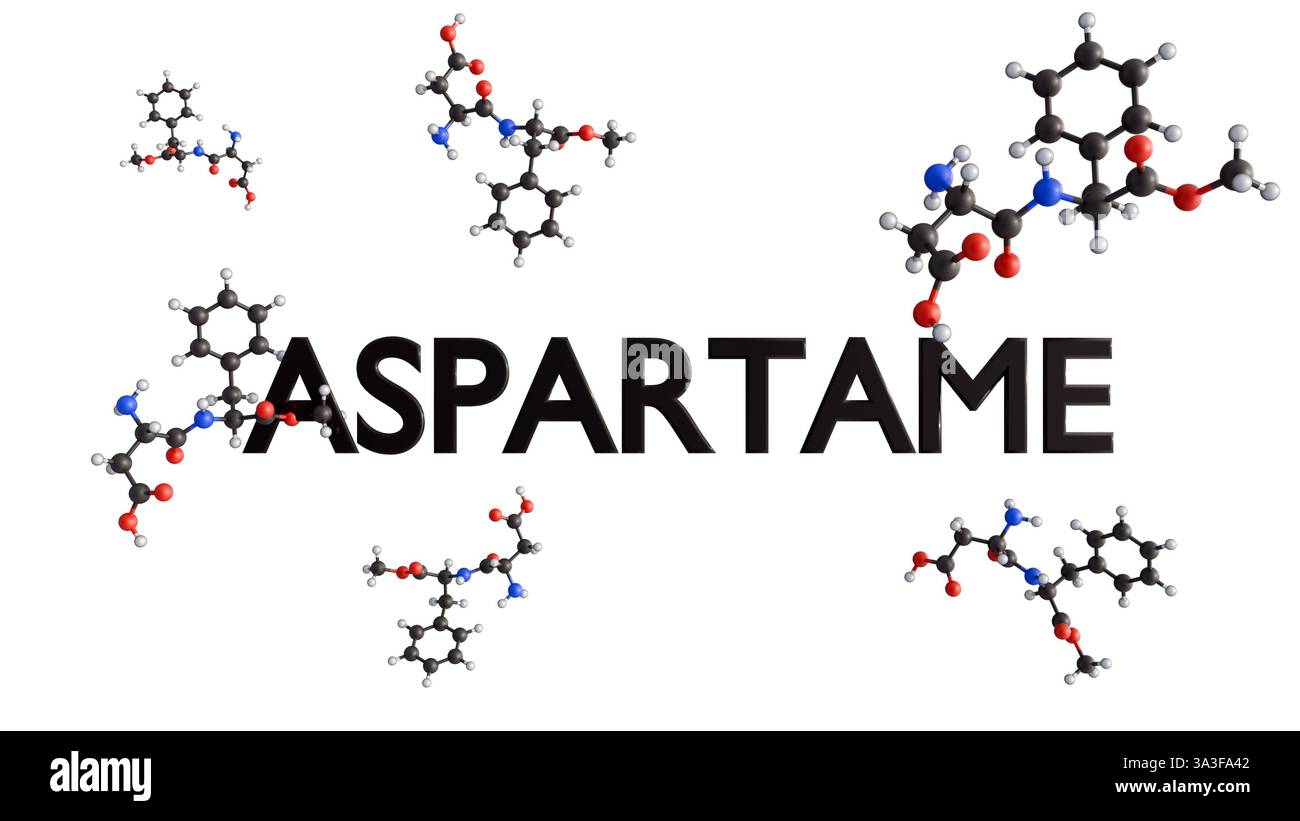
Chemically, aspartame is a methyl ester of the dipeptide of the natural amino acids L-aspartic acid and L-phenylalanine. When you consume aspartame, the body breaks it down into three components:
- Aspartic acid: An amino acid naturally found in many protein-containing foods.
- Phenylalanine: An essential amino acid also found in meat, dairy, and nuts.
- Methanol: A compound naturally occurring in fruits and vegetables.
The amounts of these components released from a typical diet soda are significantly lower than what you would consume from a serving of milk or a piece of fruit. From a GERD perspective, none of these three metabolites are known to be "secretagogues"—substances that stimulate the secretion of gastric acid—nor do they exert a relaxing effect on the LES.
The Evidence: Does Aspartame Irritate the Esophagus?
For decades, researchers have looked for a direct link between artificial sweeteners and gastric distress. The consensus remains that aspartame is generally "gastrically neutral."
Gastric Emptying and Motility
One common cause of GERD is delayed gastric emptying. When food sits in the stomach for too long, it increases the pressure against the LES. Studies published in journals such as Gut and the American Journal of Clinical Nutrition have consistently shown that aspartame does not slow down the rate at which the stomach empties. In contrast, high concentrations of natural sugars can sometimes delay emptying, suggesting that aspartame might actually be "safer" for reflux than high-sugar beverages in this specific context.
Gastric Acid Secretion
Some researchers have investigated whether the sweet taste of aspartame triggers a "cephalic phase" of digestion—where the brain tells the stomach to produce acid in anticipation of food. However, repeated clinical trials have shown that aspartame does not significantly increase gastrin levels or stomach acid production. According to the FDA’s long-standing safety reviews, which remain the benchmark in 2026, aspartame is safe for the general population, including those with sensitive digestive systems.
The "Diet Soda" Confounding Variable
The confusion regarding aspartame and GERD often stems from the delivery mechanism: diet soda. While the aspartame itself may be benign, the other ingredients in a can of diet cola are notorious GERD triggers.
- Carbonation: The bubbles in carbonated beverages are carbon dioxide gas. When this gas is released in the stomach, it causes distension (bloating). This physical expansion increases the frequency of "transient LES relaxations," allowing acid to escape upward.
- Caffeine: Many diet sodas contain caffeine, which has been shown in various studies to relax the LES, though the effect varies significantly between individuals.
- Acidity: Diet sodas often use phosphoric acid or citric acid for tanginess. These acids lower the pH of the beverage, which can directly irritate an already inflamed esophageal lining.
When patients report that "aspartame gives them heartburn," they are often experiencing the effects of the carbonated liquid rather than the sweetener. In 2026, clinical guidelines from organizations like the American College of Gastroenterology suggest that patients with GERD should focus on reducing carbonation and acidic intake rather than strictly avoiding artificial sweeteners.
Comparing Sweeteners and Their Impact on Digestive Health
Not all sweeteners are created equal when it comes to the gut. While aspartame is a dipeptide, others like sugar alcohols can have much more pronounced effects on the digestive tract.
| Sweetener Type | GERD Trigger Risk | Mechanism of Action | Common Sources |
|---|---|---|---|
| Aspartame | Low | Generally neutral; no effect on LES or acid. | Diet sodas, sugar-free gum, yogurt. |
| Sucralose | Low | High stability; not metabolized for energy. | Splenda, baked goods, syrups. |
| Saccharin | Low | Older sweetener; neutral gastric profile. | Sweet'N Low, fountain drinks. |
| Sugar Alcohols (Xylitol, Erythritol) | Moderate | Can cause osmotic diarrhea and bloating/gas. | Keto snacks, sugar-free candies. |
| Sucrose (Table Sugar) | Moderate | High concentrations can delay gastric emptying. | Regular soda, candy, desserts. |
| Stevia | Low | Plant-based; no known effect on reflux. | Natural "diet" drinks, stevia drops. |
Individual Sensitivity and the "Nocebo" Effect
While large-scale evidence does not support aspartame as a GERD trigger, clinical practice acknowledges individual variability. Some people may have a specific sensitivity to aspartame that manifests as dyspepsia (indigestion) or discomfort.
Furthermore, the "nocebo" effect—where a person experiences negative symptoms because they expect a substance to be harmful—plays a role in self-reported dietary triggers. Given the historical controversy surrounding artificial sweeteners, some patients may subconsciously attribute their reflux to aspartame while overlooking other factors like meal timing, portion size, or stress levels.
In 2026, the medical community continues to advocate for the "Elimination and Reintroduction" protocol. If a patient suspects aspartame is a trigger, they are encouraged to remove it for two weeks and monitor symptoms, then reintroduce it in a non-carbonated form (such as a flavored powder in still water) to see if the symptoms return.
Recent Findings and the 2026 Perspective
By 2026, the discussion around aspartame has matured following the World Health Organization’s (WHO) 2023 assessments. While the IARC (International Agency for Research on Cancer) classified aspartame as "possibly carcinogenic to humans" (Group 2B) based on limited evidence, the JECFA (Joint FAO/WHO Expert Committee on Food Additives) reaffirmed the acceptable daily intake (ADI) of 40 mg/kg body weight.
Crucially for GERD sufferers, neither of these major reviews found evidence that aspartame irritates the gastrointestinal mucosa or exacerbates acid-related disorders. The focus of digestive health in 2026 has shifted more toward the gut microbiome. Some emerging studies suggest that while aspartame doesn't cause acid reflux, it may subtly alter gut bacteria in some individuals, though the clinical significance of this for GERD remains a subject of ongoing research.
Managing GERD: Practical Advice for Sweetener Users
If you suffer from GERD but prefer to use aspartame to manage your weight or blood sugar, consider the following evidence-based strategies:
- Switch to Non-Carbonated Options: Instead of diet sodas, use aspartame-sweetened powders in still water or iced tea. This removes the pressure-inducing gas while keeping the sweetness.
- Check for Caffeine: If you use aspartame in coffee or caffeinated teas, the caffeine may be the true culprit behind your reflux. Try decaf versions to isolate the effect.
- Monitor Meal Timing: Avoid consuming any large volumes of liquid—sweetened or otherwise—within three hours of bedtime.
- Watch the "Sugar-Free" Trap: Many sugar-free chocolates or candies use sugar alcohols (like maltitol) which cause gas and bloating. This bloating can push acid into the esophagus, making it seem like the "artificial sweetener" is the problem when it is actually the specific type of sweetener used in solids.
Frequently Asked Questions
Does aspartame increase stomach acid?
No. Clinical studies have shown that aspartame does not significantly stimulate the production of gastric acid. It does not behave like protein or fat, which are the primary triggers for acid secretion during the digestive process.
Can I drink diet soda if I have GERD?
Most gastroenterologists recommend that people with GERD limit or avoid diet soda, but not because of the aspartame. The carbonation and high acidity (low pH) of the soda are significant triggers that can relax the LES and irritate the esophagus.
Is Stevia better for GERD than aspartame?
From a reflux standpoint, both are considered neutral. There is no evidence that Stevia is "better" for GERD, although some people prefer it because it is plant-derived. Both should be consumed in non-carbonated forms if reflux is a concern.
Why do I get heartburn after drinking sugar-free drinks?
The heartburn is likely caused by carbonation, caffeine, or the acidic preservatives (like phosphoric or citric acid) found in the drink. Additionally, drinking quickly through a straw can cause you to swallow air (aerophagia), which increases stomach pressure and reflux risk.
Has the 2023 WHO ruling changed how we view aspartame and GERD?
The 2023 WHO ruling focused on long-term cancer risks and reaffirmed the current safety levels for daily intake. It did not find any new evidence linking aspartame to digestive issues, GERD, or esophageal irritation.
Recommendation for Patients
If you are struggling with GERD and are unsure if aspartame is contributing to your symptoms, the most effective next step is to conduct a controlled trial. Switch from carbonated diet beverages to still water sweetened with aspartame for one week. If your symptoms improve, the carbonation was the likely trigger. If symptoms persist, try a week without any artificial sweeteners. Always consult with a healthcare provider or a registered dietitian before making significant changes to your diet, especially if you are using artificial sweeteners to manage conditions like diabetes or obesity.
Disclaimer: This article is for informational purposes only and does not constitute medical advice. For persistent acid reflux or digestive concerns, consult a qualified healthcare professional.