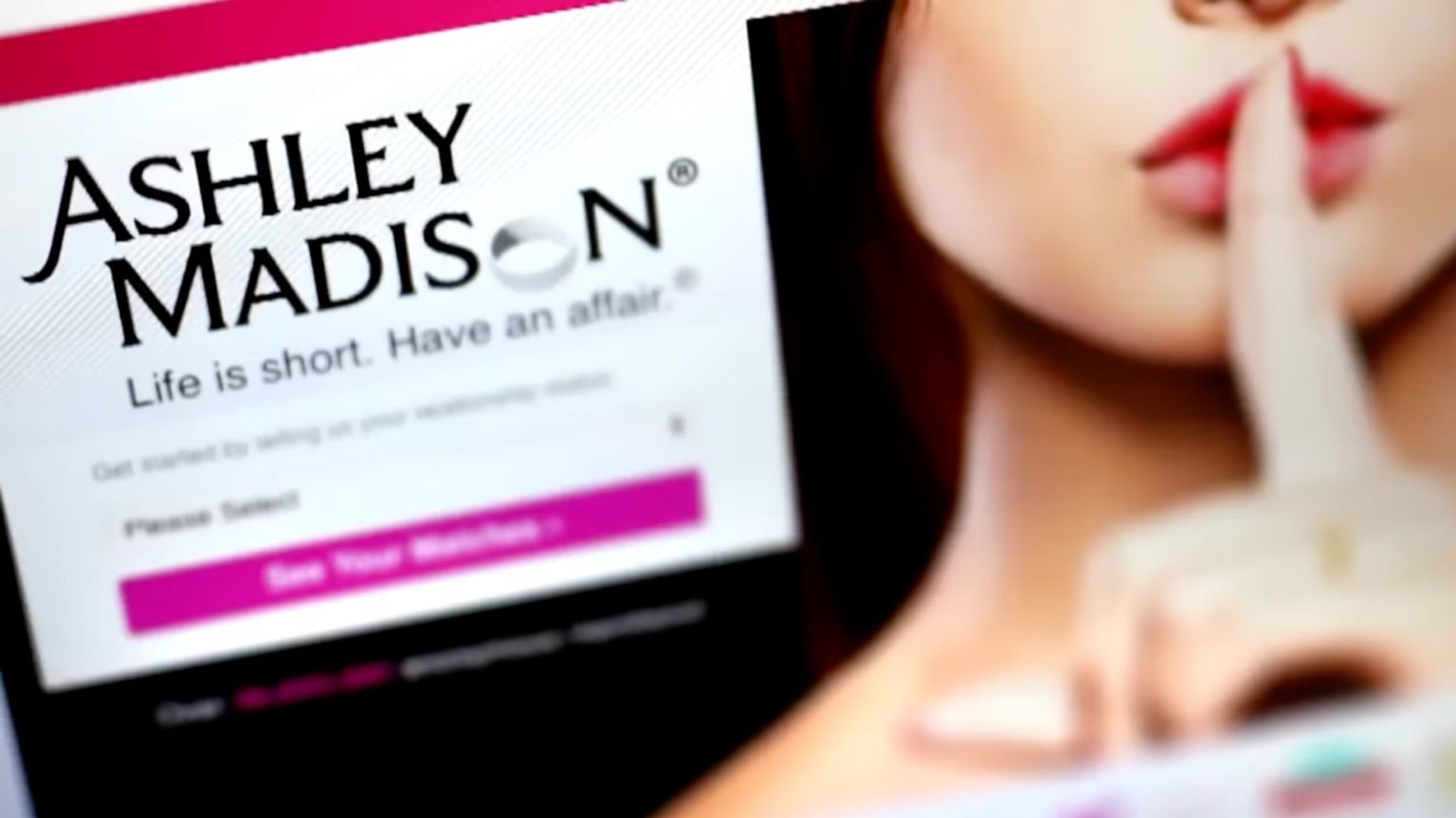
The Ashley Madison Super Bowl controversy refers primarily to the 2009 rejection of a commercial by NBC for the adultery-focused dating site. Seeking to capitalize on the massive viewership of Super Bowl XLIII, Ashley Madison submitted a 30-second spot featuring the slogan "Life is short. Have an affair." The network’s refusal to air the advertisement sparked a national debate over broadcast standards, corporate ethics, and the strategic use of "banned" content as a low-cost, high-impact public relations tool.
The Genesis of the 2009 NBC Rejection
In early 2009, as the United States prepared for the matchup between the Pittsburgh Steelers and the Arizona Cardinals, the advertising world was reeling from the Great Recession. Despite the economic downturn, Super Bowl ad slots remained the most expensive real estate in media, hovering around $3 million for a 30-second window. It was in this environment that Avid Life Media, the parent company of Ashley Madison, attempted to purchase airtime.
The proposed advertisement was relatively tame in its visual execution compared to some of the suggestive content aired by brands like GoDaddy at the time. It featured a man and a woman at a Super Bowl party, with the narrative subtly pushing the site’s core value proposition: facilitating extramarital affairs. However, the subject matter proved too volatile for NBC.
NBC Universal’s Standards and Practices department officially rejected the ad, citing that the content did not meet the network's guidelines for broadcast. While the network did not provide a line-by-line breakdown of the violation, the consensus among media analysts was that the promotion of infidelity was deemed inherently "unfit" for a family-oriented sporting event.
The Strategy of Being "Banned"
To understand the Ashley Madison Super Bowl controversy, one must look past the rejection and examine the marketing intent. Noel Biderman, then-CEO of Ashley Madison, was a pioneer of "outrage marketing." For a company like Ashley Madison, being banned from the Super Bowl was arguably more valuable than actually appearing in it.
Earned Media vs. Paid Media
By submitting an ad that was almost certain to be rejected, Ashley Madison secured millions of dollars in "earned media." When NBC issued the ban, news outlets ranging from CNN to the New York Times reported on the story. This resulted in:
- Massive Brand Awareness: Millions of people who had never heard of the site were suddenly introduced to it through mainstream news cycles.
- Cost Savings: The company avoided the $3 million placement fee while still becoming a central part of the Super Bowl conversation.
- Targeted Positioning: The "banned" status reinforced the brand’s image as a "rebellious" or "transgressive" service, which appealed directly to its core demographic.
The 2011 and 2012 Follow-ups
The 2009 incident was not an isolated event. Ashley Madison attempted similar stunts in 2011 with FOX and in 2012. In 2011, they even offered to pay $10 million for a slot—more than double the going rate—knowing full well the network would likely decline. Each rejection served to refresh the controversy and keep the brand in the public consciousness without the company having to spend a dime on actual airtime.
Broadcast Standards and the "Decency" Double Standard
A significant part of the controversy involved Ashley Madison’s public response to the ban. The company argued that the networks were exercising a double standard. At the time, Super Bowl broadcasts frequently aired:
- Erectile Dysfunction Medication: Ads for Cialis and Viagra were common, often featuring suggestive scenarios.
- Alcohol Advertisements: Beer commercials were (and remain) a staple of the broadcast.
- Suggestive Content: Brands like GoDaddy and Victoria’s Secret utilized "sex sells" tactics that were visually more explicit than the Ashley Madison spot.
Ashley Madison’s legal and PR teams argued that if a network allowed ads for products that facilitated sexual performance or portrayed women as objects, it was hypocritical to ban a service that simply provided a platform for consenting adults to meet. However, broadcasters countered that their "Standards and Practices" (BS&P) are designed to protect the "community standards" of their audience. Promoting the intentional breakdown of the marital unit was viewed as a bridge too far for a "Big Four" network (ABC, CBS, FOX, NBC).
Technical Overview of Super Bowl Ad Rejections
The process of getting an ad on the Super Bowl is rigorous. Networks have the final say on what airs, guided by both internal policies and pressure from the FCC (Federal Communications Commission), though the FCC’s direct oversight of cable and some broadcast content has specific jurisdictional limits.
| Year | Broadcaster | Entity | Reason for Ban/Controversy |
|---|---|---|---|
| 2004 | CBS | PETA | Deemed too controversial/political regarding meat consumption. |
| 2009 | NBC | Ashley Madison | Promotion of infidelity; violation of broadcast decency standards. |
| 2010 | CBS | ManCrunch | A dating site for gay men; network claimed "credit concerns" but public saw it as discriminatory. |
| 2015 | NBC | Weedmaps | Promotion of marijuana, which remains federally illegal despite state-level legality. |
| 2019 | CBS | Acreage Holdings | An ad advocating for medical marijuana legalization; rejected due to network policy. |
The Role of Broadcast Standards and Practices (BS&P)
The "Standard and Practices" department of a television network acts as a gatekeeper. Their job is to ensure that content complies with legal requirements and doesn't alienate advertisers or viewers. During the Super Bowl, these standards are heightened because the audience is uniquely diverse, including children and various religious demographics.
The Ashley Madison ad failed because it violated the "moral turpitude" or "public interest" clauses found in most standard broadcast contracts. These clauses allow a network to reject any content that might bring "disrepute, contempt, or scandal" to the network. While "sexiness" is often allowed, "immorality" (as defined by the network's board) is frequently blocked.
Historical Context: The Post-Janet Jackson Era
To understand why NBC was so quick to ban Ashley Madison in 2009, one must recall the 2004 Super Bowl "wardrobe malfunction" involving Janet Jackson and Justin Timberlake. That single event led to a massive crackdown by the FCC and a surge in caution among broadcasters.
Following the 2004 incident, fines for "indecent" content increased tenfold. Networks became hyper-vigilant, often employing a five-second delay for "live" events and subjecting every commercial to intense scrutiny. Ashley Madison’s attempt to enter this space occurred during the peak of this conservative broadcast era, making their rejection almost a mathematical certainty.
The Economics of the Ban in the 2026 Media Landscape
Looking back from 2026, the nature of the Ashley Madison controversy seems like a precursor to the modern "cancel culture" and "attention economy" marketing. In the current era, where streaming services and social media have fragmented the audience, the Super Bowl remains one of the last "monoculture" events.
However, the "Super Bowl Ban" as a PR tactic has lost some of its edge. In 2026, a brand can simply post a "banned" ad on a viral video platform or X (formerly Twitter) and reach more people than a traditional TV news report would have reached in 2009. The "controversy" has shifted from the airwaves to the algorithms.
How Ashley Madison Changed Ad Vetting
The Ashley Madison incident forced networks to become more transparent (or at least more consistent) in their rejection letters. Today, broadcasters often work with brands months in advance to "sanitize" scripts rather than issuing outright bans. This collaborative vetting process aims to avoid the very PR nightmares that Ashley Madison successfully manufactured.
Common Misconceptions About the Controversy
Several myths have persisted regarding the Ashley Madison Super Bowl ad over the years. It is important to clarify these points:
- The Ad was "Too Graphic": This is false. The 2009 ad was visually mild. The rejection was based entirely on the message and the service being advertised, not the imagery.
- The FCC Banned the Ad: This is a common misunderstanding. The FCC does not pre-screen commercials. The decision was made entirely by NBC’s internal Standards and Practices department.
- Ashley Madison Sued for Entry: While there were threats of legal action and public outcry regarding "discrimination," no major lawsuit ever forced the ad onto the air. The company was satisfied with the free publicity.
The Evolution of Adult Services in Mainstream Media
Since the 2009 controversy, the boundary of what is "acceptable" has shifted, but not as much as one might think. While gambling (sports betting) ads have flooded Super Bowl broadcasts following the 2018 Supreme Court decision to overturn the federal ban on sports wagering, "vice" ads related to infidelity or adult services remain strictly off-limits for major networks.
This highlights a specific hierarchy of "taboo" in American broadcasting:
- Tier 1 (Allowed): Beer, Pharmaceuticals, Sports Betting (State-dependent).
- Tier 2 (Highly Scrutinized): Distilled Spirits, Advocacy Ads.
- Tier 3 (Generally Banned): Adult Services, Cannabis (due to federal status), and Infidelity Services.
Looking Forward: Advertising Standards in 2026 and Beyond
As we move further into 2026, the legacy of the Ashley Madison controversy serves as a case study for marketing students and media historians. It represents the moment when brands realized that not being on the Super Bowl could be just as profitable as being on it.
Modern advertisers now use "stunt submissions" as a standard part of their playbook. If an ad is too edgy for the Super Bowl, it is immediately pivoted to a "The Ad the NFL Didn't Want You to See" campaign on social media. This bypasses the gatekeepers while still leveraging the prestige and scale of the Super Bowl brand.
Frequently Asked Questions
Did an Ashley Madison ad ever actually air during the Super Bowl?
No. While there were rumors and "leaked" versions of commercials meant for the Super Bowl in 2009, 2011, and 2012, no major US network (NBC, FOX, CBS, or ABC) has ever permitted an Ashley Madison commercial to air during the championship game.
Why was the Ashley Madison ad considered more controversial than GoDaddy ads?
While GoDaddy ads were often criticized for being "sexist" or "vulgar," they were advertising a legitimate web-hosting service. Ashley Madison was advertising a service specifically designed to facilitate cheating on spouses. Broadcasters drew a distinction between "suggestive marketing for a standard product" and "marketing for a socially destructive service."
What was the slogan used in the controversial 2009 ad?
The slogan was "Life is short. Have an affair." This tagline became synonymous with the brand and was the primary reason for the network's discomfort, as it was seen as a direct attack on the institution of marriage.
How did the 2015 data breach affect the Super Bowl controversy?
The 2015 breach, which exposed millions of users' personal data, occurred years after the initial Super Bowl controversies. However, the breach validated the networks' earlier concerns for some critics, who argued that the company’s lack of security and questionable ethics justified their exclusion from the "family-friendly" Super Bowl environment.
Are adult dating sites allowed to advertise on TV in 2026?
Standard dating sites like Match.com or Bumble are common advertisers on television. However, "adult-only" or "niche" sites that focus on infidelity or explicit sexual encounters still face significant hurdles on broadcast television and are generally restricted to late-night slots on specific cable networks, rather than high-profile events like the Super Bowl.
Practical Recommendation for Media Analysis
For those studying the intersection of media and ethics, the Ashley Madison controversy should be viewed as a strategic PR maneuver rather than a genuine attempt at advertising. When analyzing similar "banned" ads in the future, always look for the immediate release of the "banned" content on digital platforms. If the brand releases the ad and a press release within hours of the "rejection," it is a clear indicator that the controversy was the intended product.