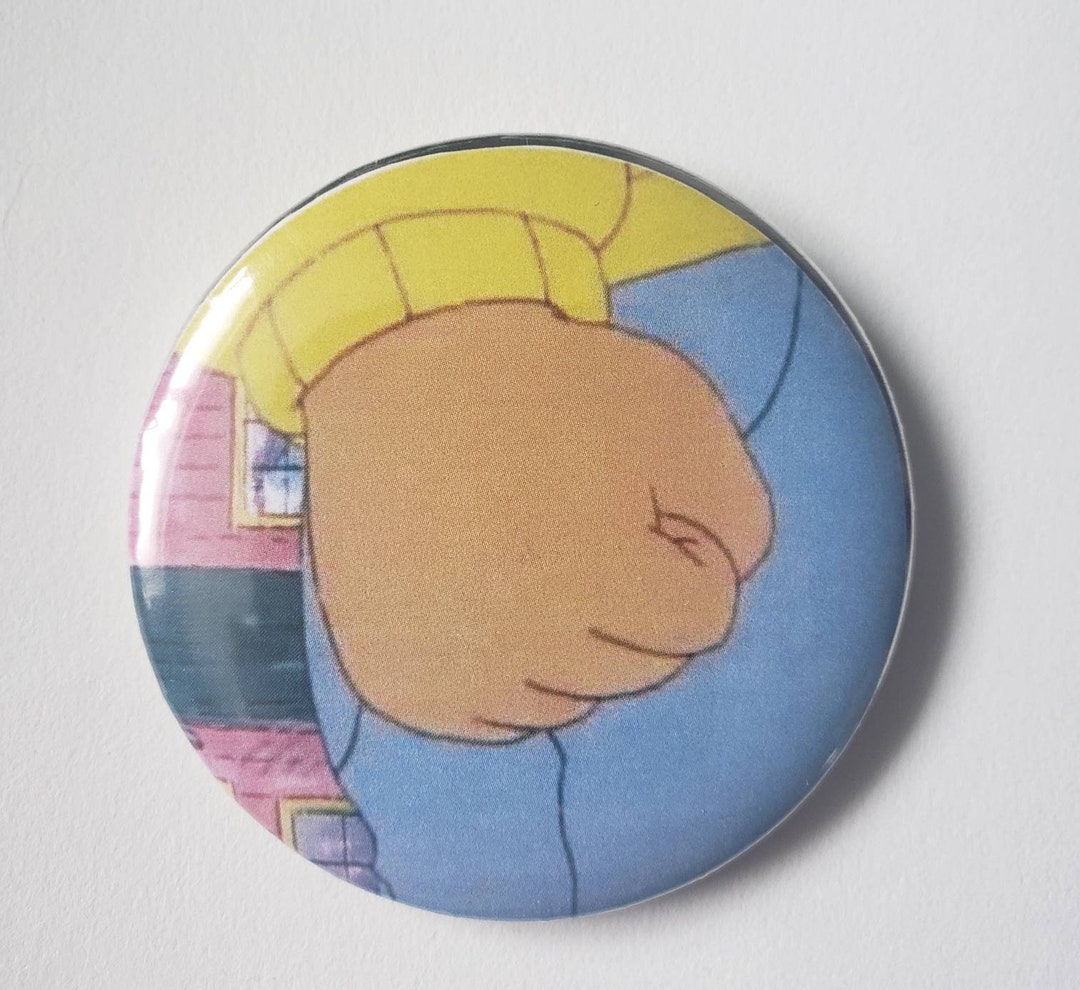
The "Arthur Fist" meme is a reaction image featuring a screenshot of Arthur Read—the protagonist of the long-running PBS Kids animated series Arthur—clenched in a tight, frustrated fist. Its meaning centers on the universal experience of suppressing intense anger, irritation, or suppressed rage while maintaining a facade of composure in social or professional settings.
Origins and Cultural Evolution of the Arthur Fist
To understand the weight of the Arthur Fist, one must first understand its source material. Arthur, based on the children’s book series by Marc Brown, has aired since 1996. The specific image of the fist originates from the episode "Arthur's Big Hit," which first aired in the show's fourth season in 1999.
In the episode, Arthur’s younger sister, D.W., breaks one of his model airplanes. Arthur, overwhelmed by frustration and a lack of emotional regulation, decides to punch her. The scene in question features a close-up of Arthur’s hand tightening into a fist as he processes his anger. For years, this was simply a moment of conflict resolution within a children's program, highlighting the moral lesson that hitting is not the appropriate way to handle one’s emotions.
However, in 2016, the image was resurrected by social media users. A user on Twitter (now X) posted the image with a caption describing a relatable scenario of suppressed annoyance, and the image exploded in popularity. It transitioned from a cautionary tale for children to a shorthand for adult frustrations, symbolizing the moment someone realizes they must hold their tongue or control their reaction to maintain decorum.
Deconstructing the Anatomy of the Meme
The power of the Arthur Fist lies in its visual simplicity and universal applicability. Unlike memes that rely on niche knowledge or temporary trends, this image taps into a primal human reaction.
The Visual Language of Suppressed Anger
When we analyze the image, several elements contribute to its effectiveness:
- The Color Palette: The bright, saturated yellows and warm tones typical of the Arthur animation style create a jarring contrast with the intense, violent gesture of the fist.
- The Gesture: A fist is a universal symbol of aggression. By isolating the hand from the rest of the character's body, the meme emphasizes the internal physical reaction to stress—the way one’s muscles might tense up during a difficult conversation or a frustrating day.
- The Framing: The close-up shot focuses entirely on the action, removing any context of who Arthur is or what he is doing. This allows the viewer to project their own specific source of irritation onto the image.
Contexts of Application: Where the Arthur Fist Appears
The Arthur Fist has transcended its origins as a singular post to become a recurring tool in digital communication. It is most frequently used in the following contexts:
Workplace Frustration
In professional environments, employees often face situations where they must remain polite despite feeling undermined, disrespected, or overwhelmed. The Arthur Fist serves as a non-verbal way to signal: "I am maintaining my professionalism, but I am incredibly frustrated." It acts as a digital pressure valve.
Interpersonal Conflict
Whether in family group chats or arguments with friends, the meme is frequently used to represent the "high road." It conveys that the sender is choosing not to engage in an escalation, even though they feel the urge to react sharply.
Minor Daily Inconveniences
The meme is also used with irony for trivial matters. If a person drops their toast or hits their toe, the Arthur Fist is used to exaggerate the level of rage, providing a comedic effect by applying an intense, violent symbol to a mundane, low-stakes problem.
Comparative Analysis of Reaction Memes
The Arthur Fist belongs to a broader category of "reaction images"—memes that allow users to express complex emotions without needing to write a full sentence. Below is a comparison of how the Arthur Fist differs from other iconic reaction imagery.
| Meme Name | Primary Emotion | Context of Use | Comparison to Arthur Fist |
|---|---|---|---|
| Arthur Fist | Suppressed Rage | Maintaining composure during frustration | Highly specific to internal restraint |
| Distracted Boyfriend | Temptation/Disloyalty | Choosing a new interest over a current one | Relational; lacks the "fist" aggression |
| Woman Yelling at a Cat | Confusion/Accusation | Misunderstandings or irrational arguments | High conflict; lacks the "internal" nature |
| This Is Fine Dog | Resignation | Accepting a chaotic or disastrous situation | Passive; the opposite of the active tension of the fist |
The Psychological Appeal of the Arthur Fist
Why does this specific image persist in the collective digital consciousness long after its 2016 surge? The answer lies in psychology. Humans are social creatures who spend much of their lives suppressing raw impulses to conform to social norms.
The Arthur Fist represents the physical embodiment of the "fight or flight" response, but with the "fight" portion actively held back. When we see the image, our mirror neurons fire—we recognize the feeling of the muscle tension, the tightening of the hand, and the internal grit required to walk away from a provocation. By sharing or viewing the meme, users engage in a form of communal validation. It affirms that everyone feels this way sometimes, and that struggling to remain calm is a universal human experience.
Technical Limitations and Proper Usage
While the Arthur Fist is widely understood, there are nuances to its effective usage:
- Audience Awareness: Because the meme involves a character from a children’s show, it can sometimes feel incongruous or surreal. Ensure your audience understands that the image is being used for ironic effect rather than as a literal reference to the show Arthur.
- Contextual Scaling: The meme is best used as a standalone reply. Adding too much text can clutter the punchline. The strength of the image is that the visual says everything that needs to be said.
- Appropriateness: In extremely sensitive or high-stakes professional situations, using a meme—even one as iconic as the Arthur Fist—can be perceived as unprofessional or dismissive. Use your judgment to determine if the medium matches the mood of the conversation.
Practical Steps to Find and Use the Meme Effectively
If you are looking to utilize this meme in your digital communication, follow these steps to ensure you have the highest quality assets.
1. Verification of the Source
Ensure you are using the correct frame from the Arthur series. Many variations exist, but the "original" is the most recognizable. Look for the yellow background and the specific, tightly clenched shape of the hand.
2. Sourcing High-Resolution Images
Use reputable meme databases or high-quality image search engines. Avoid grainy, low-resolution versions, as they can look messy when shared in modern messaging apps or social platforms. A search for "Arthur Fist meme high resolution" will yield results that are clean and sharp.
3. Creating Custom Variations
While the original is standard, many users create "remixes." For instance, some people will overlay the image with text describing a specific scenario, such as "Me when the printer jams for the third time today." If you choose to add text, ensure it is formatted in a readable font, such as Impact or Helvetica, centered or placed clearly in the whitespace area of the image.
Common Misconceptions
There is often a misconception that the Arthur Fist is an image of the character actually punching someone. In the context of the episode, the fist is indeed a precursor to a punch, but in the context of the meme, it is almost exclusively used to represent the restraint from punching. Confusing these two can lead to a misunderstanding of the meme's tone. It is not an expression of current violence, but of potential violence that has been successfully mitigated.
Another misconception is that the meme is restricted to younger generations. While it gained traction on platforms like Twitter and Tumblr, the reach of Arthur spans multiple decades. Parents who watched the show in the 90s and their children who watched it in the 2010s both recognize the character, making it a rare cross-generational meme.
Troubleshooting Your Meme Use
If you find that your use of the Arthur Fist is not landing as expected, consider these troubleshooting points:
- Is the intent clear? If the person you are communicating with does not know the meme, the image might just look like a random cartoon hand. Ensure your text provides enough context for the image to make sense.
- Are you overusing it? A meme loses its impact if used constantly. Save the Arthur Fist for moments of genuine, relatable frustration.
- Technical Quality: If you are sending the image via a platform that compresses files, ensure the file format is optimized for web viewing (such as a compressed JPEG or PNG) to prevent pixelation.
The Longevity of the Arthur Fist
As of 2026, the Arthur Fist remains a staple of internet culture. Its survival is due to its detachment from any specific event. Because it represents a foundational emotion—frustration—it does not need updates, "patches," or new iterations to remain relevant. It is a fundamental piece of the internet's visual vocabulary.
Whether you are navigating a difficult professional project or simply venting about a minor annoyance, the Arthur Fist provides a concise, comedic, and deeply resonant way to express yourself. Use it sparingly to ensure the impact remains, and always consider the context of your audience.
Frequently Asked Questions
What is the "Arthur Fist" meme used for? The Arthur Fist is used to express deep, suppressed irritation or anger. It symbolizes the act of "keeping it together" when you feel like exploding, making it a perfect reaction for frustrating situations in both personal and professional life.
Is the Arthur Fist image from a violent episode? The image comes from the 1999 episode "Arthur's Big Hit," where Arthur loses his temper and punches his sister. However, the meme has repurposed this specific, isolated image of his fist to represent the internal struggle to avoid acting on that same anger.
Why is this meme still popular in 2026? The meme remains popular because it depicts a universal human experience—the struggle to maintain composure. Unlike memes based on specific events that fade over time, the Arthur Fist is based on a recurring emotion, ensuring it stays relevant as long as people feel frustrated.
Can I use the Arthur Fist in professional emails? It is generally advised to avoid using memes in formal professional correspondence. While it might be acceptable in a casual Slack channel or an informal team chat, it should be avoided in official emails or client-facing communication to maintain a professional standard.
Where can I find the best versions of this meme? You can find the original, high-resolution version on major meme-hosting sites and digital archives. When searching, look for images that clearly show the texture of the character's skin and the distinct shape of the fist against the iconic yellow background to ensure you have the most recognizable version.
Next Steps for Content Creators and Users
If you are looking to integrate the Arthur Fist into your digital repertoire, start by identifying the moments in your day that truly embody that "fist-clenching" feeling. Use it as a response to shared grievances to foster community and humor. Remember, the true genius of the meme is its brevity—let the image do the heavy lifting, and keep your surrounding commentary brief to maintain the comedic impact.