The Arashiyama Bamboo Grove (Chikurin no Komichi) is a natural forest trail in western Kyoto, open 24 hours daily with free admission. Visitors can access the 400-meter pedestrian pathway via a 10-to-15-minute walk from Saga-Arashiyama JR Station or Randen Arashiyama Station, with sunrise offering the optimal window to avoid heavy foot traffic.
Located at the base of Kyoto's western mountains, the soaring stalks of moso bamboo create an immersive visual canopy and a renowned acoustic atmosphere. Because of its international fame, navigating the grove requires strategic timing, transport planning, and an understanding of its surrounding historic sites, including the UNESCO-inscribed Tenryu-ji and the secluded gardens of Okochi Sanso Villa.
Essential Visitor Information: Hours, Admission, and Layout
The central bamboo path spans roughly 400 meters, running from the north gate of Tenryu-ji past Nonomiya Shrine and curving uphill toward the entrance of Okochi Sanso. Because it functions as a public municipal thoroughfare rather than a gated attraction, access rules differ significantly from Kyoto's temples and shrines.
- Operating Hours: Open 24 hours a day, 365 days a year.
- Admission Fees: Completely free. Enclosed historical sites bordering the path, such as Tenryu-ji and Okochi Sanso, charge separate entrance fees.
- Trail Surface: Fully paved and gently inclined. The path features rustic woven-bamboo guardrails (shigaki) designed to protect root systems and keep foot traffic on designated routes.
- Accessibility: Wheelchair and stroller accessible throughout the main pedestrian corridor. However, gentle inclines near the western terminus toward the Sagano train station may require moderate pushing effort.
Because there are no turnstiles or operating barriers, entering early in the morning or late in the evening is fully permitted. Lighting along the path after dusk is minimal outside of special civic events, making daylight or the blue hour just before sunrise the practical window for casual exploration.
Transportation: How to Reach the Bamboo Grove from Central Kyoto
Reaching western Kyoto requires navigating the city’s rail and bus networks. Rail transit is strongly recommended over city buses; surface traffic heading west along Shijo Street or toward the Katsura River can experience severe congestion, particularly during spring cherry blossom (sakura) and autumn foliage (koyo) seasons.
- Kyoto Transit Connections:
- JR Kyoto Station to Saga-Arashiyama (JR San-in Line / 17 mins)
- Shijo-Kawaramachi to Hankyu Arashiyama (Hankyu Line / 25 mins)
- Shijo-Omiya to Randen Arashiyama (Randen Tram / 22 mins)
1. JR San-in (Sagano) Line (Fastest from Kyoto Station)
- Route: Board a local or rapid train on the JR Sagano Line from Kyoto Station to JR Saga-Arashiyama Station.
- Transit Time: 12 to 17 minutes.
- Walking Distance: Approximately 12 to 15 minutes (about 900 meters) from the station exit to the eastern entry of the bamboo trail.
- Pass Validity: Fully covered by the Japan Rail Pass and regional JR West rail passes.
2. Keifuku Electric Railroad / Randen Tram (Best from Central/North Kyoto)
- Route: Board the historic Randen tram line from Shijo-Omiya or Kitano-Hakubaicho to Arashiyama Station (terminal stop).
- Transit Time: 20 to 25 minutes.
- Walking Distance: 5 to 7 minutes (about 450 meters) through the main Arashiyama shopping street directly to the path beside Tenryu-ji.
- Pass Validity: IC cards (Suica, Pasmo, Icoca) accepted; standard JR Passes are not valid.
3. Hankyu Railway (Best from Kawaramachi, Gion, or Osaka-Umeda)
- Route: Take the Hankyu Kyoto Line to Katsura Station, transfer to the Hankyu Arashiyama Line, and disembark at Hankyu Arashiyama Station.
- Transit Time: 20 minutes from central Kyoto; 45 minutes from Osaka-Umeda.
- Walking Distance: 15 to 20 minutes (about 1.2 kilometers). This scenic route takes visitors across the historic Togetsukyo Bridge before reaching the bamboo paths.
Optimal Timing: Managing Crowds, Light, and Weather
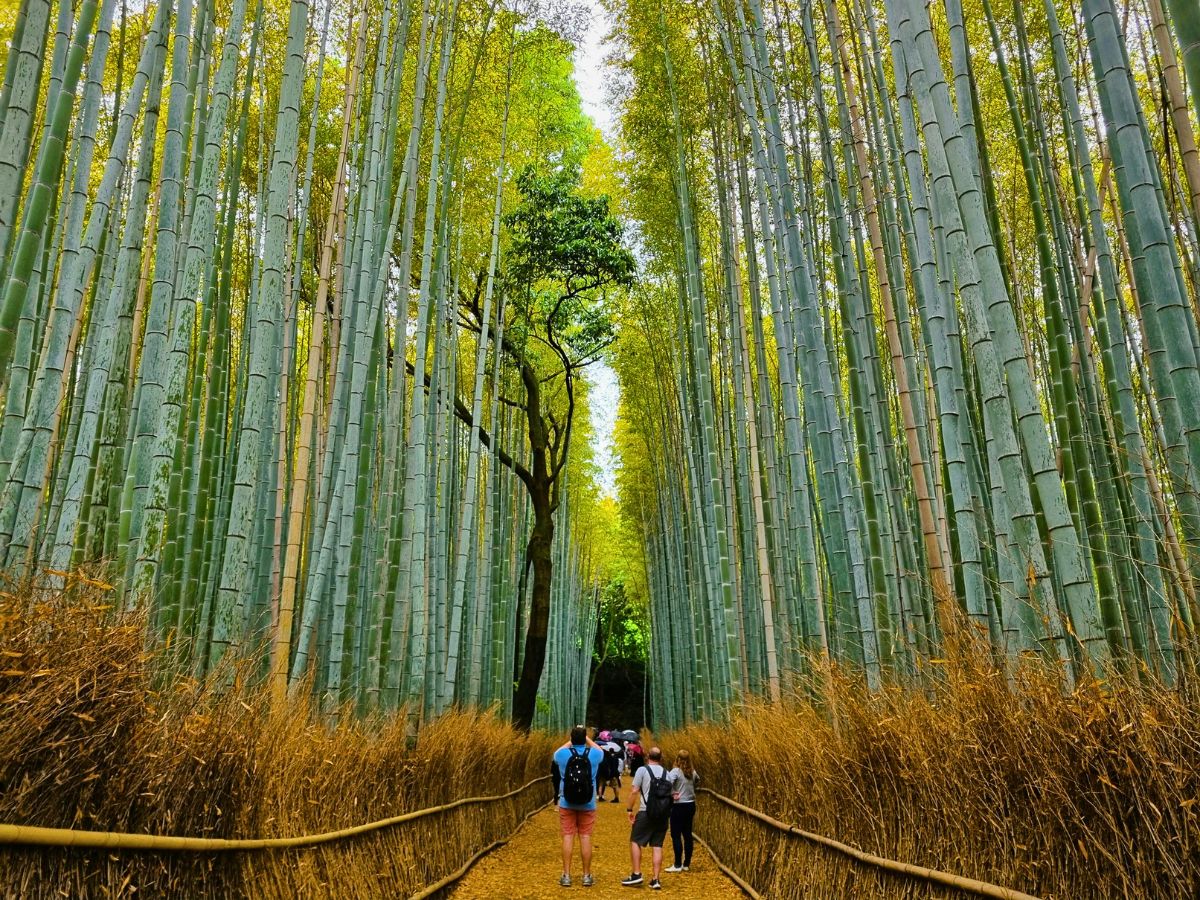
The primary obstacle to experiencing the Arashiyama Bamboo Grove comfortably is mid-day foot traffic. Between 9:30 AM and 4:30 PM, tour groups, rickshaws, and independent travelers fill the main thoroughfare, dampening the natural acoustics and impeding photography.
The Dawn Window (6:00 AM – 7:30 AM)
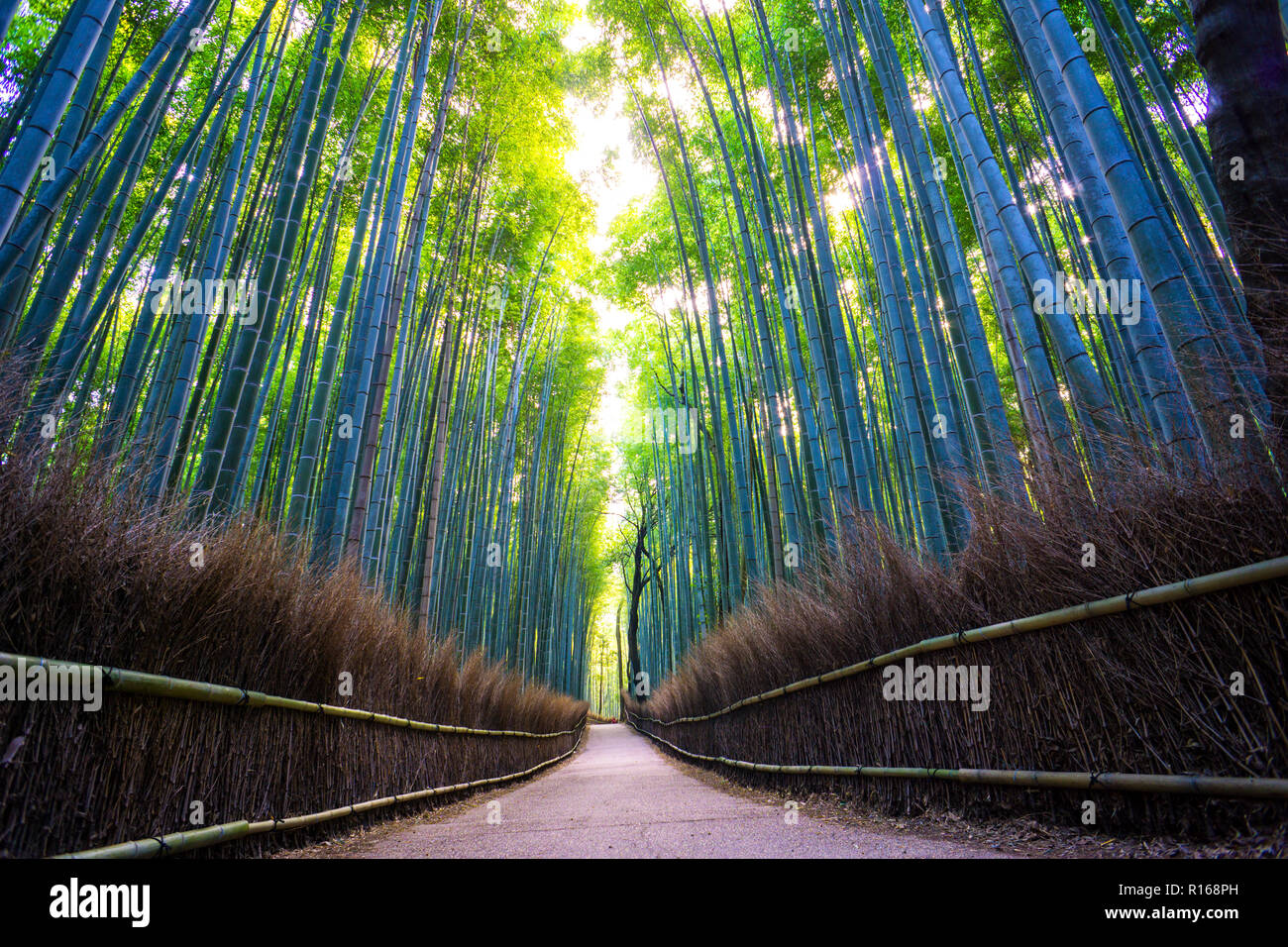
Arriving before 7:30 AM is the single most effective way to enjoy the grove in silence. At daybreak, the only occupants are local joggers, early photographers, and maintenance workers. The low-angled sunlight breaks through the eastern canopy, creating dynamic light beams across the stalks. This window is also the best time to experience the rustling leaves that earned the site its environmental designations.
The Late Afternoon Window (4:30 PM – Dusk)
Day-trippers begin returning to central Kyoto by late afternoon. While ambient light drops quickly under the dense canopy, visiting an hour before sunset yields a quieter, moodier atmosphere. Be aware that commercial venues, nearby temple gardens, and local cafes close strictly between 4:30 PM and 5:00 PM.
Weather Variations
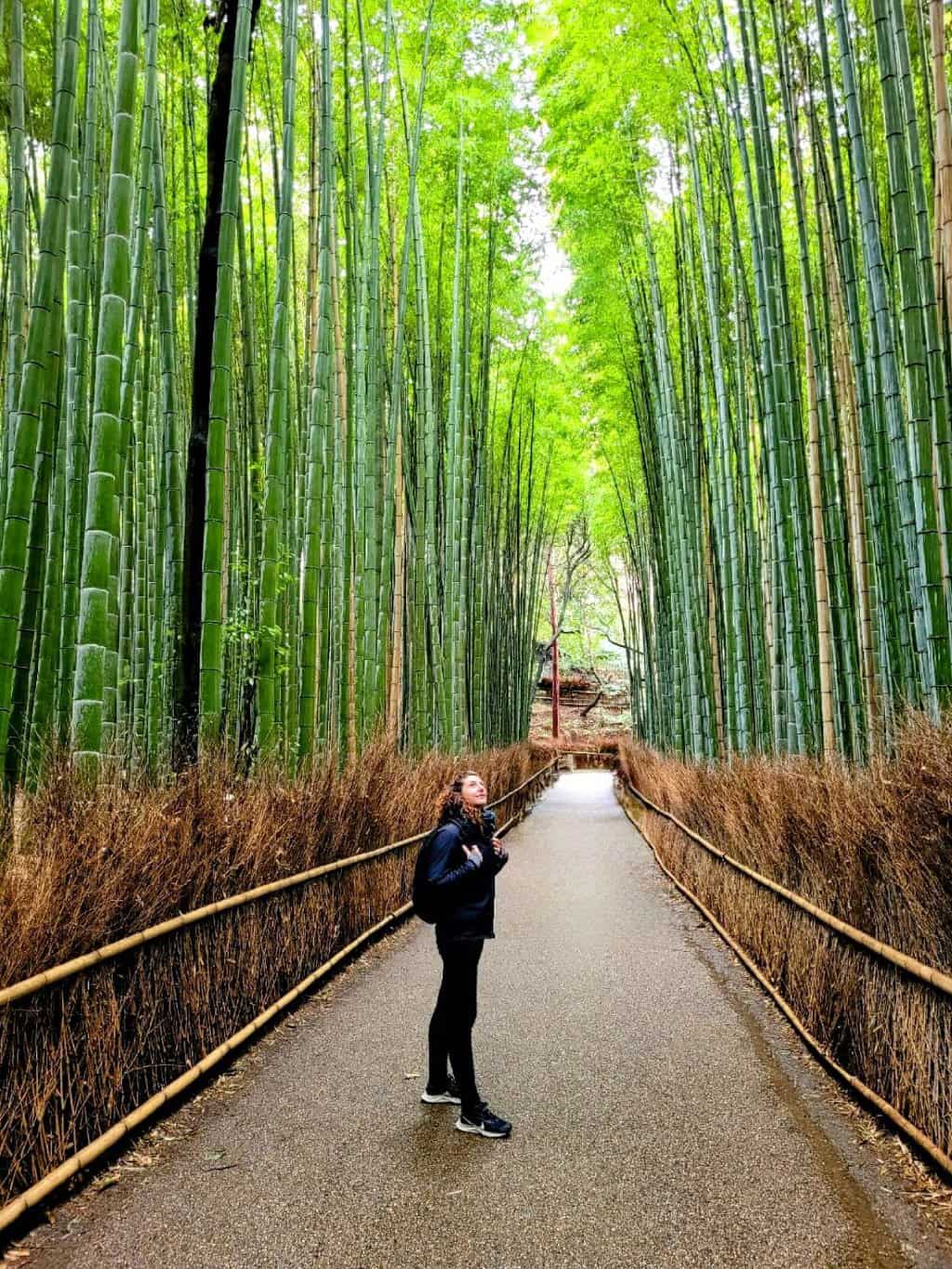
- Rain and Overcast Days: Rainy days offer distinct advantages. Wet bamboo stalks take on a rich, deep-green saturation, and the patter of rainfall on the upper canopy insulates the path from ambient city noise. Water droplets create mist within the grove, adding dramatic texture for photographers.
- Winter Visits: In January and February, overall visitor volumes fall sharply. Crisp, dry mornings allow for uncrowded visits, and the grove occasionally receives light snowfall, contrasting the pale bamboo stalks against the white ground.
Walking the Grove: Key Route Waypoints and Adjacent Landmarks
A visit to the bamboo grove should not be treated as a standalone ten-minute walk. The trail connects several of Kyoto’s most important spiritual and historical sites. A logical transit route moves west from the bustling retail thoroughfares into quieter historic neighborhoods.
- Main Street / Randen Station
- Nonomiya Shrine
- Central Bamboo Tunnel
- Tenryu-ji North Gate
- Okochi Sanso Villa
- Torokko Arashiyama Station
- Sagano Preserved District
1. Nonomiya Shrine (Nonomiya-jinja)
Located at the eastern threshold of the primary bamboo corridor, this modest Shinto shrine holds immense literary significance. Historically, imperial princesses stayed at Nonomiya for purification before serving as high priestesses at the Grand Shrine of Ise, an event chronicled in the classic 11th-century novel The Tale of Genji. The shrine is distinguished by its rare kuroki torii—a sacred entrance gate made from unpeeled, raw oak logs, preserving an ancient Shinto architectural style.
2. The Main Bamboo Corridor (Chikurin no Komichi)
Past Nonomiya Shrine, the path narrows and ascends gently. The stalks here reach heights between 10 and 20 meters, leaning inward to form a natural cathedral vault. Along this stretch, rustic bamboo fencing lines both sides of the trail. The north gate (Kita-mon) of Tenryu-ji opens directly onto this segment, allowing seamless transitions between the grove and the temple's expansive landscape gardens.
3. Tenryu-ji Temple
A primary headquarter temple of the Rinzai Zen sect, Tenryu-ji was founded in 1339 by shogun Ashikaga Takauji to placate the spirit of Emperor Go-Daigo. Its Sogenchi Garden, designed by the master monk Muso Soseki, remains largely in its original 14th-century form and incorporates Arashiyama's mountains into its design (shakkei, or "borrowed scenery"). Entering the bamboo grove through Tenryu-ji’s grounds is an ideal pairing that contextualizes the historical land use of the district.
4. Okochi Sanso Villa
At the western end of the main bamboo path, where the road splits toward the railway tracks, sits the gate to Okochi Sanso. This private villa and 20,000-square-meter garden was built over three decades by silent-film samurai cinema star Denjiro Okochi (1898–1962). The admission fee (¥1,000) deters casual crowds, leaving its terraced gardens, tea houses, and views over both Kyoto City and the Hozu Gorge largely peaceful. The ticket includes traditional green tea (matcha) and a sweet cake.
5. Torokko Arashiyama Station (Sagano Scenic Railway)
Just south of Okochi Sanso is the staging station for the Sagano Scenic Railway (also known as the Sagano Romantic Train). This vintage diesel locomotive runs a 7.3-kilometer scenic route along the Hozu River to Kameoka, threading through rugged river gorges that are particularly dramatic during autumn.
Cultural Context and Conservation
Understanding the botanical and cultural history of the grove deepens the travel experience beyond visual tourism. The forest is not an untamed wild space; it is a meticulously managed agricultural and cultural landscape.
Botanical Characteristics of Moso Bamboo
The predominant species in Arashiyama is Phyllostachys edulis (known as Moso-chiku in Japan), native to China and imported centuries ago. It is the largest temperate bamboo species on Earth. Stalks (culms) can reach up to 20 meters in height and grow up to a meter in a single day during late spring. The extensive, interconnected underground rhizome networks bind the soil tightly, historically making bamboo groves the safest places for local residents to seek shelter during earthquakes.
Acoustic Heritage: The Soundscape of Japan
In 1996, the Japanese Ministry of the Environment designated the Arashiyama Bamboo Grove as one of the 100 Soundscapes of Japan (Nihon no Oto Fukei 100-sen). The initiative was created to protect sensory heritage under threat from urbanization. The distinct creaking of the tall culms rubbing together, paired with the rushing sound of wind filtering through millions of slender leaves, represents a protected intangible cultural experience.
Environmental Preservation Challenges
Managing high visitor volumes presents significant conservation hurdles for the Kyoto Municipal Government:
- Bark Vandalism: In recent years, visitors have carved names, initials, and dates into the living culms with keys and pocket tools. Bamboo lacks vascular cambium to regrow outer tissue; once a stalk is scarred, the damage is permanent. Injured culms are structurally weakened, turn brown, and must eventually be culled by park foresters. Visitors must refrain from touching or defacing the plants.
- Root Compaction: Bamboo root systems lie near the surface of the soil. Stepping beyond the woven fences (shigaki) compacts the dirt, cuts off oxygen, and prevents new bamboo shoots (takenoko) from emerging in the spring.
Comparison of Transportation and Route Options
Choosing the right rail line depends on your lodging location, daily itinerary, and rail pass eligibility. Use this comparative matrix to finalize transit plans.
| Transit Option | Starting Terminal | Destination Station | Walk Time to Grove | Best Suited For | Key Benefit |
|---|---|---|---|---|---|
| JR San-in (Sagano) Line | Kyoto Station | Saga-Arashiyama | 12–15 mins | Travelers staying near Kyoto Station; JR Pass holders | Fastest direct trip from main train hub (17 mins) |
| Randen Tram (Keifuku) | Shijo-Omiya or Kitano-Hakubaicho | Arashiyama (Randen) | 5–7 mins | Travelers visiting Kinkaku-ji or Ryoan-ji on the same day | Shortest walk to grove; authentic vintage streetcar ride |
| Hankyu Railway | Kyoto-Kawaramachi or Karasuma | Hankyu Arashiyama | 15–20 mins | Travelers staying downtown (Shijo/Gion) or arriving from Osaka | Scenic approach across the historic Togetsukyo Bridge |
| Kyoto City Bus (#28) | Kyoto Station | Arashiyama Tenryuji-mae | 3 mins | Travelers with mobility challenges (avoids rail walks) | Dropped directly on main street; vulnerable to heavy traffic delays |
Practical Photography and Etiquette Guidelines
Because the bamboo grove is a shared public corridor, strict behavioral expectations apply to maintain safety and preserve the site's natural atmosphere.
- Path Etiquette:
- No Tripods in Crowds
- Strict Drone Ban
- Stay Behind Fences
- [!] Keep Moving at Crossings
Photography Best Practices
- Manage Dynamic Range: Shooting upward into the canopy often produces blown-out white skies while leaving the lower stalks underexposed. Use early morning light or shoot on overcast days to equalize exposure across the frame.
- Vertical Framing: Use vertical (portrait) orientation with a wide-angle lens (16mm–24mm full-frame equivalent) to emphasize the verticality and vaulting effect of the bamboo culms.
- Tripod Restrictions: While tripods are not strictly outlawed on public streets by city ordinance, police and security marshals actively prohibit their use during peak hours because they create bottlenecks on the narrow 3-to-4-meter-wide path. If using a tripod, do so strictly before 7:30 AM.
- Drone Flights: Flying unmanned aerial vehicles (UAVs/drones) is strictly illegal throughout the Arashiyama district under Japan's Civil Aeronautics Act and local municipal park bylaws without explicit civil aviation permits and land-owner authorization.
Cultural Etiquette
- Preserve the Acoustic Environment: Keep conversations at low volumes. The grove is celebrated as a meditative acoustic sanctuary; using portable speakers, shouting, or shouting directions disrupts other visitors.
- Waste Management: There are virtually no public waste bins along the path or throughout Arashiyama's residential areas. Plan to carry all trash, including drink bottles and food wrappers, back to your hotel or disposal points inside train stations.
- Respect Private Driveways: Rickshaws (jinrikisha) operate along a dedicated side spur of the bamboo forest. Yield right of way to haulers when moving through narrow junctions, and do not trespass onto private access roads branching off the main path.
Expanding the Itinerary: Exploring Western Kyoto
Visiting the Arashiyama Bamboo Grove takes between 45 and 90 minutes. To make the journey to western Kyoto worthwhile, pair the visit with nearby sites within walking distance:
Arashiyama Bamboo Grove
- North: Sagano Historic Area
- Gio-ji (Moss Temple)
- Adashino Nenbutsu-ji
- South: Riverside Area
- Togetsukyo Bridge
- Iwatayama Monkey Park
- North: Sagano Historic Area
Gio-ji Temple: Located a 15-minute walk north of the bamboo grove, this quiet, thatched-roof nunnery is famous for its emerald moss garden shaded by tall maple and bamboo trees. It offers a quieter alternative to the busier temples on the main strip.
Adashino Nenbutsu-ji: Situated further north along the preserved Sagano preservation district, this temple holds over 8,000 stone statues dedicated to souls who died without surviving kin. It contains its own secluded, atmospheric bamboo path that sees a fraction of Arashiyama’s crowds.
Togetsukyo Bridge ("Moon Crossing Bridge"): Spanning the Katsura River, this 155-meter wooden-clad bridge dates back to the Heian period (with current structural steel foundations from 1934). It serves as the primary visual landmark of the Arashiyama district.
Arashiyama Monkey Park Iwatayama: Located south across the Togetsukyo Bridge, a 20-minute uphill hike leads to a park where over one hundred wild Japanese macaques roam free, offering panoramic views over the entire Kyoto basin.
Frequently Asked Questions
Is the Arashiyama Bamboo Grove lit up at night?
No, the bamboo grove is generally unlit at night, with only sparse municipal street lamps providing dim illumination along the paved pathway. The long-running winter illumination event, Hanatoro, was officially discontinued by the Kyoto tourism board in 2021 to reduce environmental impact and prevent overcrowding. Travelers walking the grove after twilight should bring a flashlight or use a smartphone torch to navigate safely.
How much does it cost to enter the bamboo grove?
Entering the Arashiyama Bamboo Grove is completely free. It is a public municipal road open to all visitors without ticketing or checkpoints. Surrounding historical attractions along the path do charge admission, including Tenryu-ji (¥500 for the main gardens, plus ¥300 for the temple buildings) and Okochi Sanso Villa (¥1,000, which includes hot green tea and a traditional sweet).
Can I push a stroller or wheelchair through the grove?
Yes. The entire central path of the bamboo grove is paved with smooth asphalt or compressed aggregate, making it fully accessible for strollers, wheelchairs, and walking frames. There are no steps along the primary path between Nonomiya Shrine and the western junction. Note that there is a moderate uphill slope leading toward the western exit near Okochi Sanso, which may require extra physical effort.
How much time should I spend at the bamboo grove?
Walking the main 400-meter corridor takes roughly 15 to 20 minutes at a gentle pace. However, budget between 1.5 to 2.5 hours for the overall area to allow time for photography, visiting Nonomiya Shrine, wandering through the UNESCO gardens of Tenryu-ji, and exploring Okochi Sanso Villa at the western crest.
Are there luggage storage lockers at Arashiyama?
Yes, but locker availability fills up rapidly by mid-morning. Both JR Saga-Arashiyama Station and Randen Arashiyama Station offer coin-operated luggage lockers of various sizes. If station lockers are full, private baggage-holding services and rickshaw kiosks opposite the JR station exit hold suitcases for a flat daily fee per bag.
Recommended Action Plan
To experience the Arashiyama Bamboo Grove at its best, follow this focused sequence:
- Board the JR Sagano Line from Kyoto Station at 6:45 AM, arriving at JR Saga-Arashiyama Station around 7:02 AM.
- Walk directly to the Bamboo Grove via Nonomiya Shrine before 7:30 AM to catch early morning light without tour group interference.
- Queue at the North Gate of Tenryu-ji just before its 8:30 AM opening to explore the Sogenchi Garden before mainstream crowds arrive.
- Ascend to Okochi Sanso Villa by 9:30 AM for a quiet tea break overlooking the Hozu River gorge.
- Head north toward the Sagano Preserved District (visiting Gio-ji or Adashino Nenbutsu-ji) to spend the busier midday hours in Arashiyama's quietest historical neighborhoods.