Arana Auto Insurance is transforming the industry by replacing static premium models with dynamic, data-driven coverage. By integrating real-time telematics and AI-enhanced risk modeling, Arana provides personalized rates that reward safe driving habits, offering more flexible, transparent, and cost-effective solutions than traditional insurers for the modern 2026 driver.
The Evolution of Arana's Coverage Model
As we navigate through 2026, the automotive landscape has shifted dramatically toward electrification and semi-autonomous driving. Arana Auto Insurance has positioned itself at the forefront of this shift by moving away from traditional actuarial tables that rely heavily on zip codes and credit scores. Instead, Arana emphasizes behavioral data, allowing drivers to influence their own premiums through tangible actions.
The core philosophy behind Arana’s approach is "precision protection." In the past, auto insurance was often a "one-size-fits-all" product where low-risk drivers effectively subsidized the costs of high-risk drivers. Arana utilizes advanced API integrations with modern vehicle operating systems to assess risk based on actual road performance. This includes monitoring braking patterns, acceleration smoothness, and even the time of day the vehicle is most frequently used.
By 2026, the demand for transparency has reached an all-time high. Arana addresses this by providing policyholders with a real-time dashboard. This interface does more than show a premium; it explains the "why" behind the numbers, offering actionable advice on how to lower monthly costs. This educational component is a significant departure from the opaque pricing models of the early 2020s.
Telematics and Real-Time Risk Assessment
Telematics—the integration of telecommunications and informatics—is the engine driving Arana’s innovation. While telematics has existed for years, Arana’s 2026 implementation is significantly more sophisticated than the early "plug-in" devices. Arana now utilizes OEM-integrated software, meaning the insurance platform communicates directly with the vehicle’s internal sensors without the need for third-party hardware.
Behavioral Analysis vs. Demographic Stigmas
Traditionally, younger drivers or those living in specific urban sectors were penalized with high premiums regardless of their individual driving skill. Arana’s model focuses on driving hygiene. A driver in a high-traffic area who maintains safe following distances and adheres to speed limits can now secure rates comparable to those in rural areas.
The Impact of "Active Safety" Scores
Modern vehicles are equipped with Advanced Driver Assistance Systems (ADAS). Arana’s underwriting engine factors in the presence and active use of these systems. If a driver consistently utilizes lane-keep assist and adaptive cruise control, Arana recognizes the reduced probability of a collision. This synergy between vehicle tech and insurance logic is a primary reason why Arana is considered a leader in reshaping coverage options.
AI-Driven Policy Customization
In 2026, the concept of a "standard policy" is becoming obsolete. Arana employs artificial intelligence to offer modular coverage packets. This allows consumers to build a policy that reflects their specific lifestyle rather than paying for generic protection they may never need.
For instance, Arana’s AI analyzes a user’s commuting patterns. If the vehicle remains parked in a secure garage for five days a week, the system suggests a "low-mileage" adjustment automatically. Conversely, if the user begins using their vehicle for delivery services or ridesharing, the AI identifies the increased risk profile and offers a Gig-Economy Rider in real-time, ensuring the driver is never left with a coverage gap.
This level of customization extends to deductible structures. Arana offers "Dynamic Deductibles" that can fluctuate based on the driver's current safety score. A month of perfect driving might temporarily lower a deductible, providing a financial incentive for safety that goes beyond the monthly premium.
Core Coverage Options and Innovations
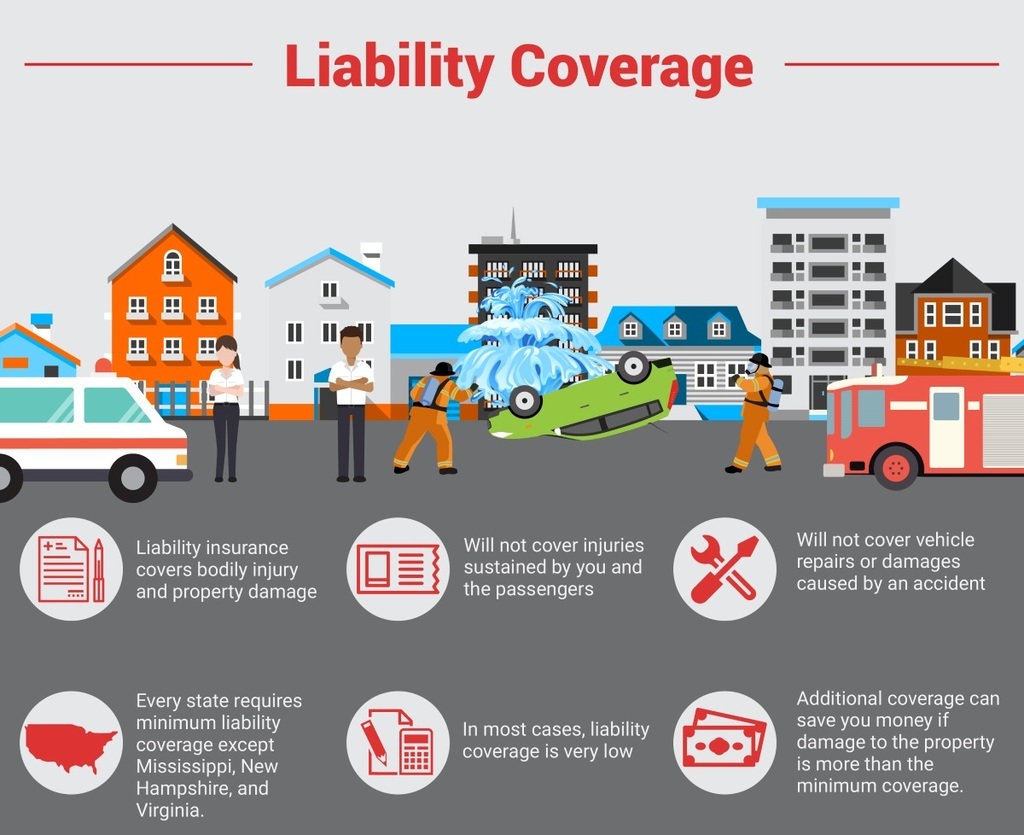
While Arana covers the legal requirements such as liability and property damage, their innovations lie in the supplementary options designed for the 2026 market.
Autonomous Mode Protection
As Level 3 and Level 4 autonomous features become more common, questions of liability have become complex. Arana offers a specific "Autonomous Liability" rider. This coverage protects the owner in scenarios where the vehicle’s software is engaged during an incident, bridging the gap between personal driver error and manufacturer product liability.
Cyber-Insurance for Vehicles
With vehicles essentially becoming "computers on wheels," the risk of software hacking or data breaches is a modern reality. Arana is one of the first insurers to include Vehicle Cyber Protection as an optional add-on. This covers the costs of software restoration and identity protection in the event of a vehicle-related digital compromise.
Battery and EV-Specific Coverage
For the massive influx of electric vehicle (EV) owners in 2026, Arana provides specialized "Battery Health Protection." This is not a mechanical warranty but a coverage option that protects against accidental damage to the battery pack—often the most expensive component of an EV—which might be excluded or undervalued by traditional comprehensive policies.
Comparing Arana to Traditional Carriers
To understand how Arana is reshaping the market, it is helpful to compare their operational metrics against industry standards.
| Feature | Arana Auto Insurance (2026) | Traditional Carriers |
|---|---|---|
| Pricing Basis | Real-time behavioral data and ADAS usage | Historical demographics and credit scores |
| Claims Processing | AI-assisted visual appraisal (minutes) | Manual adjuster inspection (days/weeks) |
| Policy Flexibility | Modular, app-based adjustments | Fixed annual or semi-annual contracts |
| Tech Integration | Direct OEM/Vehicle API integration | Smartphone apps or OBD-II plug-ins |
| Transparency | Live safety scoring and premium feedback | Static monthly billing with annual reviews |
| Support | 24/7 AI-Chat with human escalation | Primarily business-hour phone support |
Navigating the Application Process in 2026
Applying for Arana Auto Insurance has been streamlined to minimize friction. The process is entirely digital, designed to be completed in under five minutes using a smartphone or the vehicle’s native infotainment system.
- Identity Verification: Arana uses biometric verification (FaceID or similar) to pull the applicant's driving record instantly from state databases.
- Vehicle Sync: Instead of manually entering a VIN and list of features, the user grants Arana one-time access to the vehicle’s digital twin. This provides the insurer with an exact build sheet, including all safety tech and battery specifications.
- Risk Profiling: The AI engine runs a 360-degree check of the applicant’s driving history and the vehicle's safety rating.
- Customization: The user is presented with three "Smart Tiers" of coverage, which they can then further customize by adding or removing specific riders.
- Digital Signature and Activation: Once the first payment is made via digital wallet, the digital insurance card is automatically pushed to the user’s phone and the vehicle’s dashboard.
Claims Processing: From Weeks to Minutes
One of the most significant ways Arana is reshaping coverage is through its Visual Claims Engine. In the event of an accident, the driver uses the Arana app to take a 360-degree video of the damage.
The AI, trained on millions of damage images and current part prices, calculates a repair estimate in real-time. For minor accidents, Arana can issue a digital payout to the user’s preferred repair shop within the hour. This eliminates the need for an independent adjuster to visit the vehicle, significantly reducing the "total loss of use" time for the policyholder.
Furthermore, because Arana is integrated with vehicle sensors, the "First Notice of Loss" is often automated. If the vehicle’s airbags deploy or high-G force impact is detected, Arana’s emergency response system is triggered, and a claim file is opened before the driver even calls.
Potential Drawbacks and Privacy Considerations
While the benefits of Arana's model are clear, it is important to address the "trade-offs" involved in a data-centric insurance model.
- Privacy Concerns: The continuous monitoring of driving habits requires a high level of trust. Users who are sensitive about their location data and driving patterns being tracked may find the Arana model intrusive.
- Pricing Volatility: Because premiums are tied to behavior, a "bad month" of driving could lead to a sudden spike in costs. This lack of a fixed, predictable expense can be difficult for some households to budget for.
- Technological Barriers: Arana’s most competitive rates are reserved for modern, connected vehicles. Owners of older, "analog" vehicles may find that Arana’s premiums are not as competitive because the AI lacks the data points necessary to offer specialized discounts.
Practical Recommendations for 2026 Drivers
If you are considering switching to Arana, or any insurer following this "reshaped" model, consider the following actions:
- Audit Your Vehicle’s Connectivity: Ensure your car’s firmware is up to date. Arana’s ability to offer discounts depends on accurate data from your vehicle’s sensors.
- Monitor Your Safety Score: Most Arana policies come with a "probationary" period where your initial rate is set. Use the first 30 days to drive as safely as possible to lock in a lower long-term tier.
- Review Modular Riders: Don’t just accept the default "Full Coverage." Look at the specific riders like "Cyber Protection" or "Battery Health" to see if they apply to your specific vehicle type.
- Understand Data Sharing: Read the privacy disclosure. Know exactly what data is being shared and how Arana uses it to calculate your risk.
Arana Auto Insurance represents a shift from insurance as a passive safety net to insurance as an active partner in road safety. By leveraging the technology inherent in 2026 vehicles, they are moving the industry toward a fairer, faster, and more functional future.
Frequently Asked Questions
Does Arana Auto Insurance require a physical device in my car? No, in most 2026 model vehicles, Arana integrates directly with the car’s existing onboard computer and manufacturer API. There is no need for an OBD-II plug-in or a separate GPS tracker. For older vehicles, Arana may use a smartphone-based app to track driving metrics.
What happens if I turn off my vehicle’s data sharing? If data sharing is disabled, Arana loses the ability to provide behavior-based discounts. Your policy will likely revert to a "Standard Base Rate," which is typically higher than the rates available to those who opt into the telematics program.
Can Arana’s AI-generated repair estimates be disputed? Yes. While the AI provides an initial estimate for speed, Arana maintains a network of certified repair shops and human adjusters. If a mechanic finds hidden damage that the AI missed, a supplemental claim can be filed through the app for human review.
Is Arana coverage available in all states? As of 2026, Arana has expanded to most major markets, but insurance is regulated at the state level. Coverage options and the use of telematics for pricing are subject to specific state laws, such as those in California or New York, which have unique rules regarding privacy and data usage.
How does Arana handle data security? Arana utilizes end-to-end encryption for all vehicle data transfers. In compliance with the latest 2026 data protection standards, driving data is anonymized for long-term storage and is used solely for risk assessment and claims processing, not for third-party marketing.