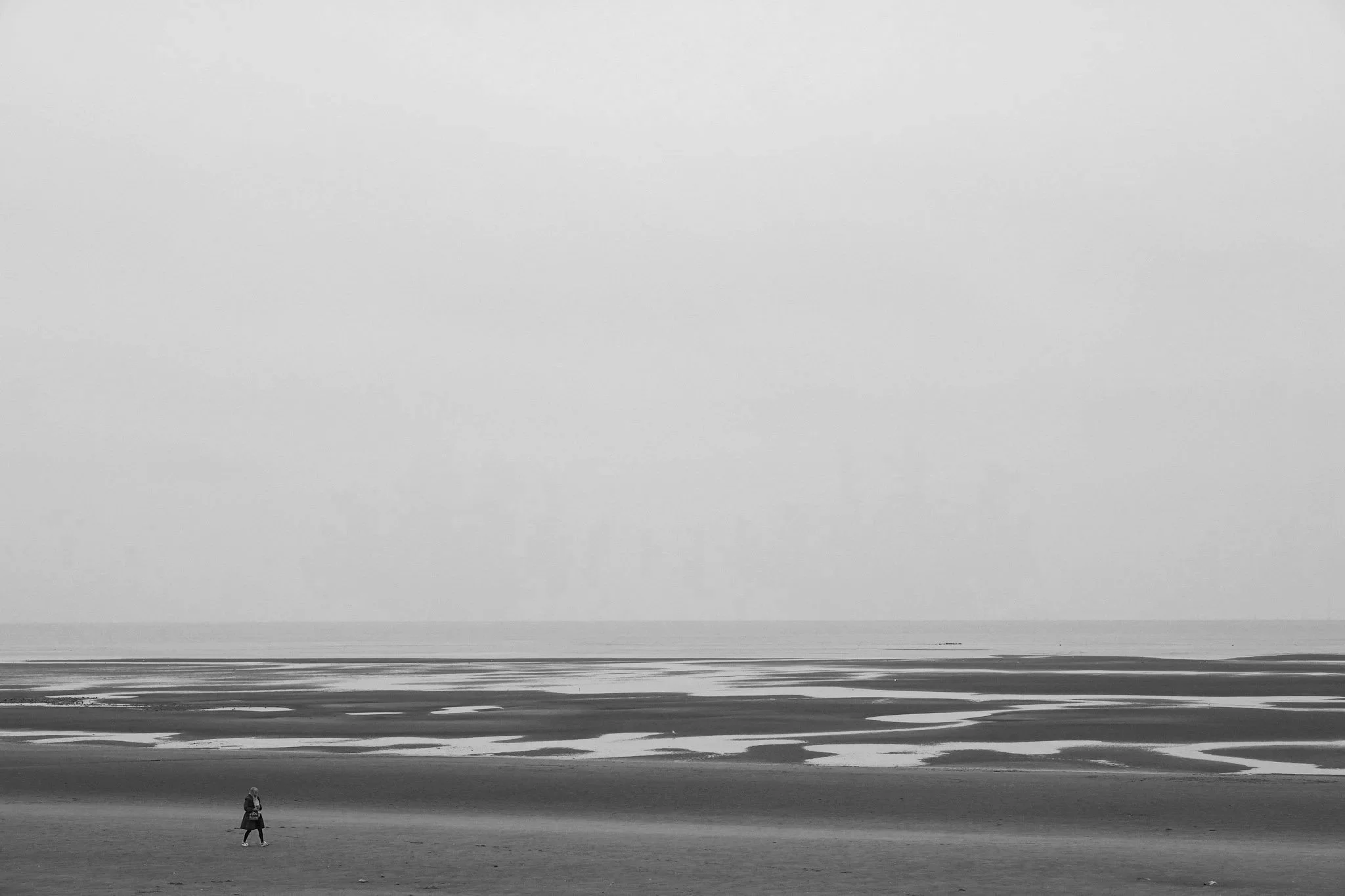
Antonio Vaughan is a contemporary photographer and filmmaker who has redefined travel photography through a cinematic lens. His work focuses on integrating brand narratives with authentic cultural experiences, utilizing advanced mirrorless technology and sophisticated post-processing to create immersive, high-fidelity visual stories that resonate in both commercial and editorial spaces. By 2026, Vaughan’s influence is seen in the industry’s shift toward "environmental storytelling," where the landscape and the subject are treated as equal components of a larger narrative.
The Evolution of Antonio Vaughan’s Photographic Style
To understand the impact of Antonio Vaughan in travel photography, one must first analyze the stylistic transition from traditional landscape capture to what is now known as cinematic travel documentation. In the early stages of his career, Vaughan’s work mirrored the classic "National Geographic" aesthetic—sharp, vibrant, and focused on the grandeur of nature. However, as the digital landscape shifted toward short-form video and high-fidelity social media content, his style evolved to prioritize mood, atmosphere, and human connection.
Vaughan’s signature style in 2026 is characterized by its "muted realism." Unlike the over-saturated travel photos of the 2010s, Vaughan utilizes a color palette that emphasizes earthy tones, deep shadows, and natural skin tones. This approach creates a sense of timelessness, making his images feel less like a temporary social media post and more like a still frame from a high-budget motion picture. This transition reflects a broader movement in travel photography toward authenticity, where the goal is no longer just to show a beautiful place, but to convey what it feels like to be there.
The core of Vaughan’s philosophy is the "Human Element." In many of his most famous travel series, a human figure—often local residents or a lone traveler—is placed within the vastness of the environment. This serves two purposes: it provides scale to the landscape and creates an emotional anchor for the viewer. This technique has become a staple for travel photographers looking to engage audiences who are increasingly desensitized to generic landscape shots.
Technical Gear and the 2026 Standards of Excellence
In the professional realm of 2026, the gear used by leaders like Antonio Vaughan has reached a pinnacle of efficiency and power. Travel photography requires a balance between portability and high-end output. Vaughan is known for utilizing a setup that favors high-resolution mirrorless systems capable of both high-bit-depth stills and 8K cinematic video.
The Mirrorless Powerhouse
Vaughan’s primary kit typically revolves around a high-resolution body, such as the latest iterations of the Sony Alpha or Nikon Z series. These cameras allow for 60+ megapixel images, providing the latitude needed for large-scale editorial prints and extreme cropping in post-production. The key technical requirement for Vaughan’s style is dynamic range. By capturing data in the deep shadows and bright highlights, he can manipulate the light in post-production to create his signature moody atmospheres without introducing digital noise.
Optics and Perspective
Vaughan’s lens choice is deliberate. While many travel photographers rely on versatile zoom lenses, Vaughan is a proponent of "prime" lenses (fixed focal lengths).
- 35mm and 50mm Primes: These are his "storytelling" lenses. They mimic the human eye’s field of view, creating a naturalistic perspective that draws the viewer into the scene.
- Ultra-Wide 14-24mm: Used sparingly to capture the immense scale of locations like the Patagonian mountains or the vast deserts of Namibia.
- 85mm Portrait Lenses: Essential for the human-centric portions of his travel work, allowing for a shallow depth of field that separates the subject from a potentially cluttered background.
The Role of Drones and Aerial Perspectives
In 2026, aerial photography is no longer a novelty; it is a requirement. Vaughan utilizes compact but powerful drones equipped with Hasselblad or similar high-end sensors. His approach to drone photography avoids the "Google Earth" look, instead focusing on low-altitude, high-angle shots that reveal patterns and textures in the landscape that are invisible from the ground.
Bridging the Gap: Travel Photography as a Commercial Asset
One of the reasons Antonio Vaughan has remained relevant in the competitive photography market of 2026 is his ability to blend travel photography with commercial utility. Brands no longer want stiff, studio-based advertisements; they want "lifestyle in motion." Vaughan’s work provides a template for how a photographer can travel the world while fulfilling the needs of high-end clients.
Tourism boards, luxury hotels, and outdoor gear manufacturers are the primary consumers of this type of content. Vaughan’s method involves a "multi-asset delivery" system. During a single expedition to a location like the Swiss Alps, he produces:
- Editorial Stills: For magazines and high-end digital publications.
- Commercial Plates: Clean, high-resolution shots where brand logos or products can be integrated.
- Cinematic B-Roll: Short, atmospheric video clips used for social media campaigns and television commercials.
This holistic approach to a shoot makes him an invaluable partner for brands. He doesn't just take a photo of a hotel; he captures the experience of the morning light hitting the balcony, the texture of the local linens, and the interaction between the guest and the environment. This "experiential marketing" through photography is a cornerstone of his professional success.
Core Principles of the "Vaughan Method" in Travel Documentation
Aspiring photographers often look to the "Vaughan Method" as a blueprint for success. This method is not just about camera settings; it is about a systematic approach to the craft of travel.
1. Pre-Production and Research
Vaughan often spends more time researching a location than he does shooting it. This includes studying historical weather patterns, sun angles using tools like PhotoPills, and understanding the cultural nuances of the region. He avoids "over-photographed" spots, seeking out perspectives that haven't been saturated on digital platforms.
2. The Narrative Arc
Every photography project Vaughan undertakes follows a narrative arc. He starts with "Establishing Shots" (wide-angle views of the region), moves into "Medium Shots" (interactions and activities), and finishes with "Detail Shots" (textures, food, local crafts). When these are viewed together, they tell a complete story of a journey rather than a disconnected series of images.
3. Lighting Mastery
Vaughan is a "Golden Hour" purist, but he also excels in "Blue Hour" and harsh mid-day sun. He uses the harsh shadows of noon to create high-contrast, minimalist compositions, proving that a master photographer can work in any lighting condition. In 2026, he often uses small, portable LED panels to add a subtle "catchlight" to a subject’s eyes even in remote outdoor locations, a technique borrowed from cinema sets.
Comparison of Photographic Approaches
To better understand where Antonio Vaughan fits into the landscape of 2026 travel photography, the following table compares his "Cinematic Narrative" style with traditional "Editorial" and modern "Social Influencer" styles.
| Feature | Cinematic Narrative (Vaughan) | Traditional Editorial | Social Influencer |
|---|---|---|---|
| Primary Goal | Emotional Storytelling | Documentary Accuracy | Personal Branding |
| Color Palette | Muted, Earthy, Moody | Natural, High Contrast | Highly Saturated, Bright |
| Subject Focus | Humans in Environment | Landscapes or Landmarks | The Creator (Selfies) |
| Key Equipment | High-end Mirrorless + Drones | Medium Format or DSLR | Smartphone or Compact Vlogs |
| Post-Processing | Color Grading (LUTs) | Minimal Retouching | Heavy Filters / Presets |
| Output Format | Multi-platform (Stills/Video) | Print and Web Stills | Short-form Vertical Video |
Post-Production: The Digital Alchemy of Cinematic Color
The "look" of Antonio Vaughan’s travel photography is heavily influenced by his post-production workflow. In 2026, software like Adobe Lightroom and Capture One have integrated sophisticated AI tools, but Vaughan maintains a manual approach to color grading to ensure a unique aesthetic.
The Importance of Color Theory
Vaughan utilizes complementary color schemes—such as the classic "Teal and Orange" or "Analogous Greens"—to guide the viewer's eye. For example, in a shoot in the lush forests of the Pacific Northwest, he might desaturate the greens slightly and push the shadows toward a deep navy blue, creating a sense of mystery and depth.
Dynamic Range Management
One of the technical challenges of travel photography is the high contrast between a bright sky and a dark foreground. Vaughan uses "Exposure Bracketing" (taking multiple shots at different brightness levels) and merges them to create a single image with detail visible in both the highlights and the shadows. This results in a "HDR" (High Dynamic Range) look that appears natural rather than processed.
AI-Assisted Cleanup
While Vaughan avoids AI-generated imagery, he utilizes AI for "utility tasks." This includes removing distracting elements like power lines or trash from a pristine landscape, and noise reduction for photos taken in low-light conditions (such as inside an ancient temple or under the stars).
The Ethics of Travel Photography in the Modern Era
By 2026, the ethical considerations of travel photography have become a central topic of discussion. Antonio Vaughan is often cited as a leader in "Ethical Documentation." This involves several key practices:
- Cultural Respect: Vaughan emphasizes the importance of asking for permission before photographing people. He often spends time interacting with his subjects without a camera before beginning a shoot, ensuring that the resulting images are a collaboration rather than an exploitation.
- Environmental Impact: He follows "Leave No Trace" principles. In the era of social media-driven "over-tourism," Vaughan is careful not to geotag fragile or secret locations, protecting them from being overrun by crowds.
- Authenticity over Fabrication: While he uses post-production to enhance mood, he does not manipulate images to the point of deception. If a mountain wasn't there, it doesn't appear in his photo. This honesty is vital for maintaining the trust of editorial clients and the public.
Building a Career in Travel Photography: Lessons from Vaughan’s Journey
For those looking to enter the field in 2026, Antonio Vaughan’s career offers several practical lessons. Success in this niche requires more than just a good eye; it requires a business-minded approach to creativity.
Diversification of Skills
Vaughan did not stop at being a "photographer." He mastered cinematography, drone operation, and even sound recording. In 2026, the most successful travel creators are those who can provide a "full stack" of visual assets to a client.
Networking and Relationship Building
Much of Vaughan’s work comes from long-standing relationships with brands and editors. He views every shoot as an opportunity to solve a client’s problem. Whether it’s helping a hotel brand reach a younger demographic or helping an environmental NGO tell a story of conservation, his focus is always on the value he provides.
Consistency of Vision
Despite the changing trends of social media, Vaughan has remained true to his cinematic vision. This consistency has allowed him to build a recognizable "personal brand." When a client hires him, they know exactly what aesthetic they are going to get.
Frequently Asked Questions
What camera settings does Antonio Vaughan use for travel landscapes?
While settings vary by location, Vaughan typically uses a "Base ISO" (usually 64 or 100) to ensure the highest image quality and lowest noise. For landscapes, he often shoots in the f/8 to f/11 range, which is the "sweet spot" for most lenses where sharpness is maximized from the foreground to the background. He almost always shoots in RAW format to preserve the maximum amount of data for post-processing.
How does Antonio Vaughan handle lighting in remote locations?
Vaughan relies heavily on natural light, specifically during the "Golden Hour" (the hour after sunrise and before sunset). However, he also utilizes "Light Painting" techniques for night photography and carries small, battery-operated LED panels for filling in shadows during portraits. His ability to read the light and wait for the perfect moment is a hallmark of his work.
What software is best for achieving the Antonio Vaughan "look"?
To achieve a similar cinematic look, professionals use Adobe Lightroom for initial organization and color correction, followed by Capture One for superior color grading. For those focused on the cinematic aspect, DaVinci Resolve is the industry standard for color grading video footage to match the aesthetic of still photography.
Is professional travel photography still viable in 2026?
Yes, but the market has shifted. Generic stock photography has been largely replaced by AI-generated images. However, high-end "human-centric" storytelling and authentic documentation—the kind Antonio Vaughan specializes in—remain in high demand. Brands and publications are willing to pay a premium for unique, first-hand perspectives that AI cannot replicate.
How can a beginner start in cinematic travel photography?
The best way to start is by focusing on a "Single Location Story." Instead of taking random photos while on vacation, pick one specific theme (e.g., "The Morning Fish Markets of Portugal") and try to capture it using a variety of wide, medium, and detail shots. Focus on color consistency and try to convey a specific mood through your editing.
Final Recommendation: Next Steps for Aspiring Photographers
To truly excel in the style of Antonio Vaughan in travel photography, one must move beyond the technical and into the narrative. Start by deconstructing your favorite cinematic films; look at how they use light and color to tell a story without words. Apply these principles to your next trip. Invest in a high-quality prime lens (like a 35mm) to force yourself to move and find better angles. Most importantly, remember that the most beautiful photo is worthless if it doesn't make the viewer feel the spirit of the place.