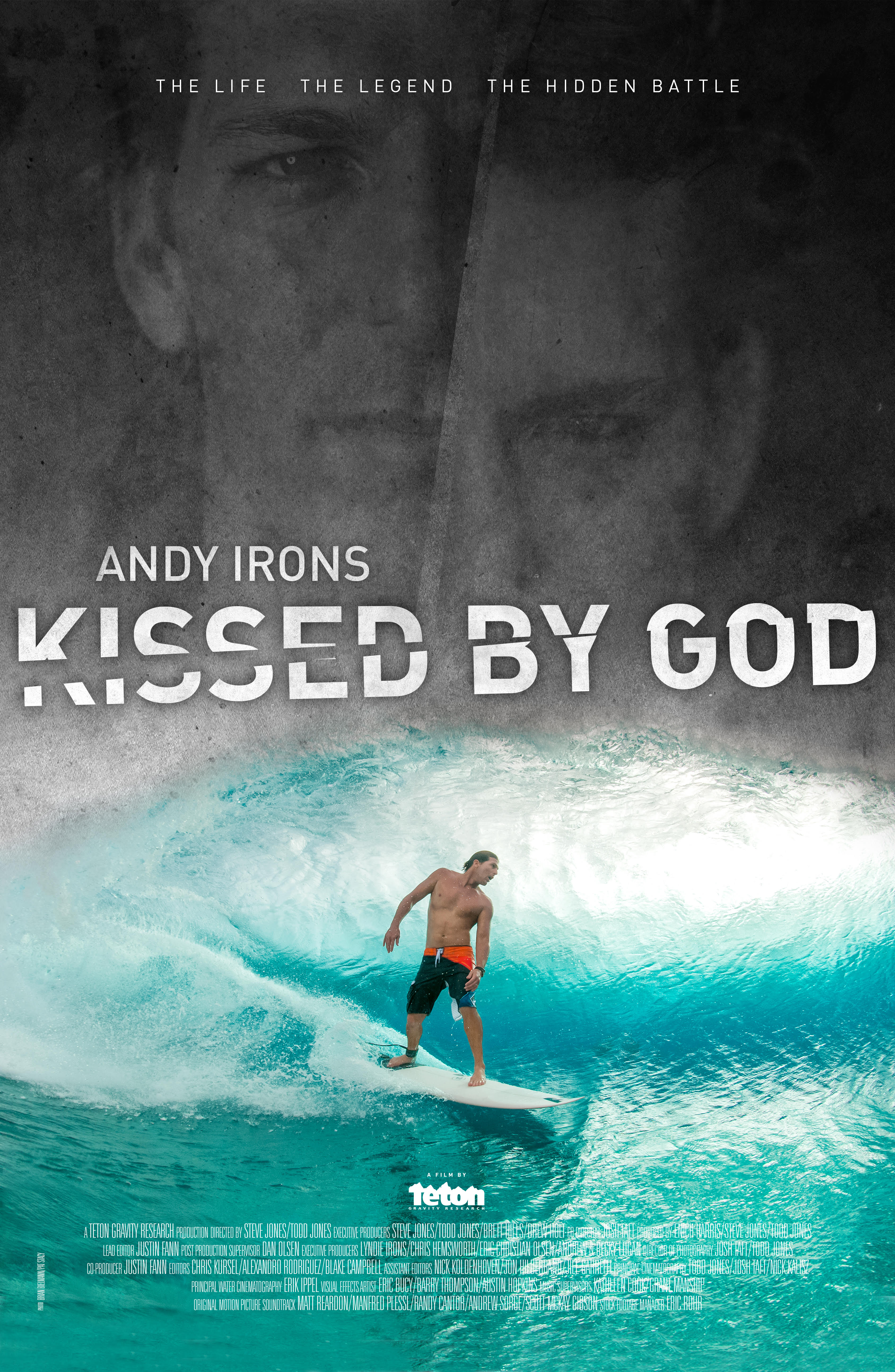
Andy Irons, the three-time world surfing champion and one of the most influential athletes in the history of the sport, was born and raised in Hanalei, located on the North Shore of the island of Kauai, Hawaii. This small, lush coastal town served as the primary foundation for his aggressive yet fluid surfing style and his deep-rooted connection to the ocean.
Hanalei is not merely a geographic location; for Andy Irons, it was the crucible in which a world champion was forged. Nestled between the emerald cliffs of the Na Pali Coast and the crescent-shaped Hanalei Bay, this town represents a specific subculture of Hawaiian surfing that prioritizes raw talent, deep respect for local hierarchy, and a connection to the land (Aina). To understand the life and career of Andy Irons, one must first understand the unique environmental and social dynamics of Hanalei.
The Geographical and Cultural Identity of Hanalei
Hanalei is situated on the northern coast of Kauai, often referred to as the "Garden Isle" due to its dense tropical rainforests and dramatic mountain ranges. Unlike the more developed and bustling shores of Oahu’s South Shore or the commercialized stretches of Waikiki, Hanalei has historically maintained a more secluded and protective atmosphere.
The town is characterized by its iconic green mountains, frequently draped in mist and waterfalls, which provide a stunning backdrop to the bay. Hanalei Bay itself is a two-mile-long crescent of white sand, featuring several distinct surf breaks that range from gentle beginner waves to heavy, expert-level barrels. This variety of surf was instrumental in the development of both Andy and his younger brother, Bruce Irons.
Culturally, Hanalei in the 1980s and 1990s—the decades when Andy was coming of age—was a place where reputation was earned through performance in the water. The North Shore of Kauai has a long-standing reputation for "heavy" localism, a protective stance taken by residents to preserve their waves and lifestyle from the influx of global tourism. Growing up in this environment required a certain level of grit and "mana" (spiritual power), which Andy possessed in abundance.
Growing Up at "Pine Trees": The Making of a Champion
While Hanalei Bay has several breaks, the one most synonymous with Andy Irons’ hometown upbringing is Pine Trees. Located near the center of the bay, Pine Trees is a beach break known for its shifting peaks and powerful, often unpredictable waves.
Unlike the world-famous Banzai Pipeline on Oahu, which breaks over a sharp coral reef in a predictable manner, Pine Trees is a sand-bottom break. This means the waves change constantly based on the swell direction and the movement of the sand. Surfing Pine Trees daily taught Andy how to read the ocean with an intuition that few other surfers could match. It required him to be fast, reactive, and physically dominant.
The technical specifications of surfing in Hanalei shaped Andy's competitive edge:
- Adaptability: Because beach breaks like Pine Trees are less predictable than reef breaks, Andy learned to adjust his positioning and timing mid-wave.
- Power: The North Shore swells that hit Kauai are unfiltered and raw. Handling the sheer volume of water in Hanalei Bay built the leg strength and rail-game that would eventually overwhelm his competitors on the World Surf League (WSL) tour.
- Technical Aerials: The punchy nature of Hanalei’s waves provided the perfect "sections" for launching aerial maneuvers, a skill that Andy and Bruce pioneered during the "New School" era of the late 90s.
The Influence of Kauai’s Rugged North Shore on the Irons Style
The surfing world often distinguishes between "town" surfers (those from Honolulu/South Oahu) and "country" surfers (those from rural areas). Andy was the quintessential country surfer. The ruggedness of Kauai’s North Shore is reflected in his approach to the sport—fearless, raw, and unapologetic.
During his peak years in the early 2000s, Andy’s rivalry with Kelly Slater was often framed as a clash of cultures. Slater represented the calculated, technical, and polished side of Florida and California surfing, while Irons represented the fierce, prideful, and instinctive energy of Kauai. His hometown gave him a "nothing to lose" mentality. In Hanalei, you didn't surf for the cameras; you surfed for the respect of your peers and the thrill of the ride.
The environmental conditions of Kauai also played a role. Kauai is the wettest of the Hawaiian Islands, and the North Shore is frequently battered by wind and rain. Surfing in these "less than perfect" conditions meant that when Andy arrived at world-class tour stops like Teahupo'o in Tahiti or Cloudbreak in Fiji, he was unfazed by heavy weather or challenging water textures.
Hanalei’s Community and the Irons Family Legacy
The Irons family name is inextricably linked to the fabric of Hanalei. Andy and Bruce were the products of a surfing lineage, and the community viewed them as their representatives on the world stage. When Andy won his three consecutive world titles (2002, 2003, 2004), it wasn't just a personal victory; it was a victory for Kauai.
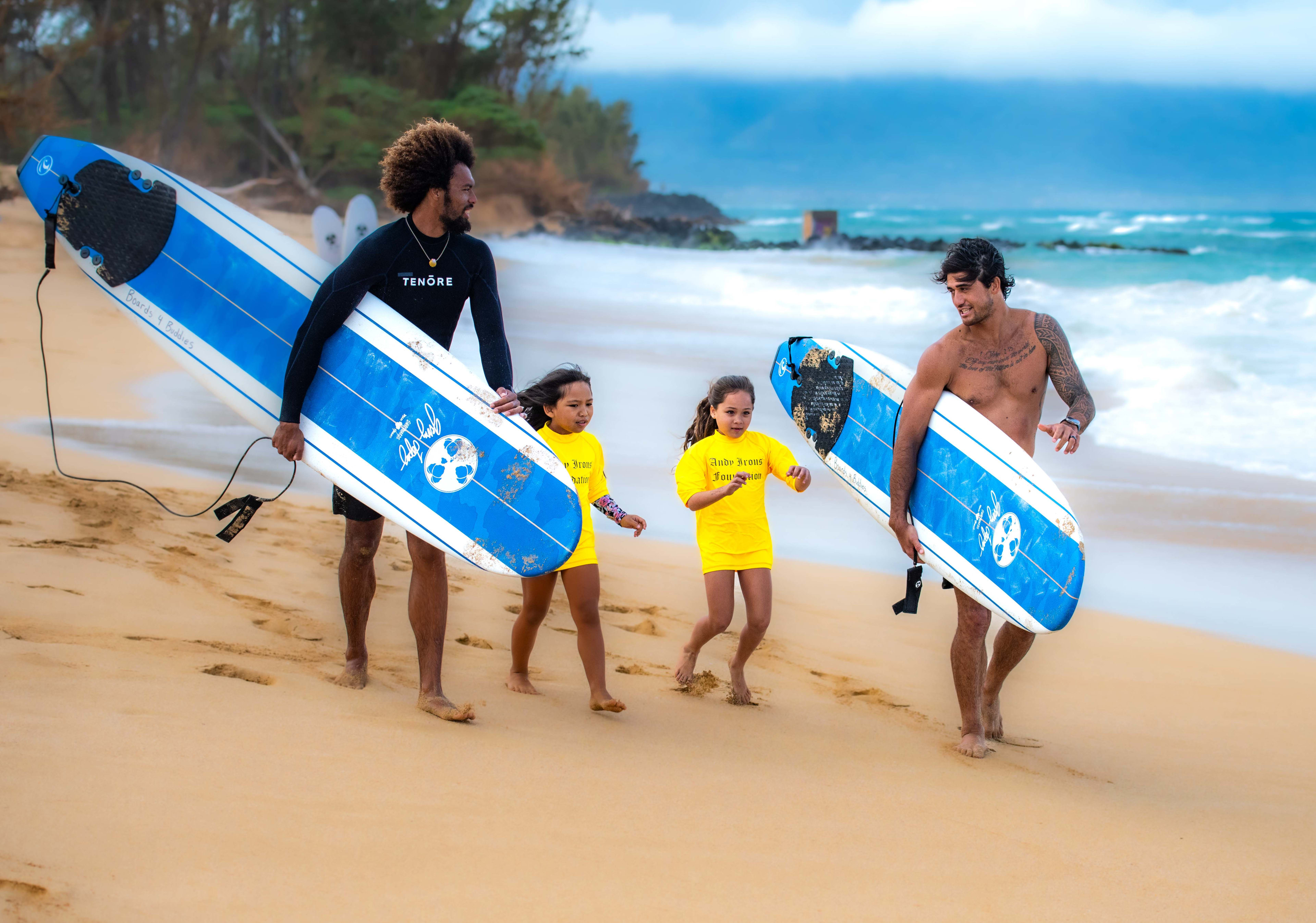
The community in Hanalei provided a support system that kept Andy grounded, even as he became a global superstar. In a town where everyone knows your name, there is a level of accountability that is hard to find in larger cities. This community bond was most evident during the annual Irons Brothers Pinetrees Keiki Surf Contest, an event founded by Andy and Bruce to give back to the local youth.
Even in 2026, this contest remains a cornerstone of the Hanalei community. It serves as a reminder that regardless of how far Andy traveled or how many trophies he won, his heart remained at the beach park in his hometown. The "Keiki" (children) of Kauai continue to look up to his legacy, seeing Hanalei not as a remote outpost, but as a starting point for global greatness.
Visiting Hanalei: Landmarks and Memorials for Andy Irons
For those traveling to Kauai to pay their respects or to see where the legend began, Hanalei offers several touchpoints of his life and legacy.
- Hanalei Pier: While a popular tourist spot, the pier is a place where Andy spent countless hours. The surrounding waters are where he developed his early watermanship.
- Pine Trees (Waioli Beach Park): This is the spiritual home of the Irons legacy. A small memorial or plaque often marks the area during community events, and it remains the primary site for the annual Keiki contest.
- The "A.I." Decals: Throughout the town, from surf shops to local vehicles, the "A.I." logo and the "Forever Andy Irons" stickers are ubiquitous. In Hanalei, he is not a figure of the past but a constant presence.
- Hanalei Pavilion: A place where community gatherings and paddle-outs have occurred. The 2010 paddle-out following his passing was one of the largest in surfing history, with thousands of people filling Hanalei Bay to honor their hometown hero.
Comparative Analysis: Hanalei vs. Other Global Surf Hubs
To understand why Hanalei produces a specific type of athlete like Andy Irons, it is helpful to compare it to other major surfing regions.
| Feature | Hanalei, Kauai (USA) | North Shore, Oahu (USA) | Hossegor, France | Torquay, Australia |
|---|---|---|---|---|
| Primary Wave Type | Shifting Beach Break & Reef | Heavy Reef/Point Break | Heavy Sand-Bottom Tube | Cold Water Point Break |
| Atmosphere | Secluded, Rural, Localized | "Mecca," Crowded, Commercial | Sophisticated, Tourist-Heavy | Industrial, Surf-Business Hub |
| Developmental Style | Instinctive, Power, Raw | Technical, Barrel-Focused | High-Performance, Aerial | Rail-to-Rail, Endurance |
| Local Culture | Extremely Protective | Professionalized Localism | Open/Seasonal | Deeply Institutionalized |
The Impact of 2010 and the Persistence of Memory
The passing of Andy Irons in November 2010 was a seismic event for the town of Hanalei. For a community so small, the loss of its most famous son was felt by everyone. However, the years leading up to 2026 have shown that Hanalei has chosen to focus on his life rather than his death.
The "Andy Irons Day," officially recognized by the Governor of Hawaii as February 13th, is celebrated with particular fervor in Hanalei. It is a day for community service, surfing, and remembering the "People's Champion." His wife, Lyndie Irons, and their son, Axel, have remained active in the community, ensuring that the next generation of Hanalei surfers understands the values of hard work and island pride that Andy championed.
Frequently Asked Questions
Where exactly was Andy Irons born?
Andy Irons was born in Lihue, Kauai, which is the island's main commercial hub and the location of the primary hospital. However, he was raised from birth in Hanalei, which is universally recognized as his hometown and the place where he spent his entire formative life.
Can anyone surf at Pine Trees in Hanalei?
Yes, Pine Trees is a public beach (Waioli Beach Park). However, visitors should be aware that the waves can be deceptively powerful and the currents are often strong. More importantly, respect for the local community is paramount. The "Kauai style" of surfing involves waiting your turn and showing humility in the water, a tradition that was deeply important to Andy Irons.
How did his hometown influence his rivalry with Kelly Slater?
His hometown was his "armor." While Slater was the golden boy of the surf media, Andy drew strength from being the "outsider" from Kauai. He often felt he was surfing for the pride of Hanalei and the "Garden Isle," which gave him a psychological intensity that few other surfers could withstand. He wanted to prove that a kid from a small town on a quiet island could take down the greatest of all time.
Is there a museum for Andy Irons in Hanalei?
There is no formal standalone museum, but the Hanalei Surf Co. and other local shops often display memorabilia, boards, and photos of Andy. The town itself acts as a living museum, with his influence visible in the way the youth surf and the reverence with which his name is spoken.
What is the best time of year to visit Hanalei to see the surf Andy grew up on?
The winter months (November through February) are when the North Shore of Kauai receives the largest swells. This is the time when Hanalei Bay transforms from a calm swimming area into a world-class surfing destination. If you want to see the "real" waves that shaped a champion, winter is the essential timeframe.
Summary of the Hanalei Connection
The relationship between Andy Irons and his hometown of Hanalei was symbiotic. The town provided the isolation, the raw power of the Pacific, and a tight-knit community that allowed Andy to develop a world-beating talent without losing his identity. In return, Andy put Hanalei on the global map, proving that Kauai’s North Shore was a top-tier breeding ground for athletic excellence.
As of 2026, the legacy of Andy Irons is more than just a historical record of titles and trophies. It is found in the salt air of Hanalei Bay, the shifting sands of Pine Trees, and the determined eyes of the young surfers who still paddle out at dawn, dreaming of riding a wave just like Andy did.
Practical Action for Fans: If you wish to honor Andy Irons' legacy, consider supporting the Irons Brothers Foundation or participating in a local beach cleanup in Hanalei. Preserving the natural beauty and the community spirit of Kauai's North Shore is the most direct way to respect the environment that created the three-time world champion.