As of 2026, the corporate net worth of American LaFrance (ALF) as an active manufacturing entity is effectively zero, following its cessation of operations and liquidation in 2014. However, the brand’s historical valuation remains significant through its intellectual property, the high secondary market value of its vintage apparatus, and the ongoing demand for specialized replacement parts managed by third-party entities.
Understanding the "net worth" of American LaFrance requires a distinction between the defunct corporate entity and the enduring value of its legacy. Once a titan of the American fire apparatus industry, the company’s financial trajectory serves as a case study in industrial heritage, the complexities of private equity ownership, and the eventual dissolution of a century-old brand. This overview explores the financial Rise and fall of American LaFrance, the current status of its assets, and the valuation of its remaining physical and intellectual property.
The Financial Evolution of American LaFrance
To assess the net worth of American LaFrance, one must look back at its peak periods of solvency and market dominance. Founded in 1873, the company was the premier manufacturer of fire engines, aerial ladders, and emergency vehicles in the United States for over a century. During the mid-20th century, the company’s net worth was tied to its massive manufacturing footprint and its near-monopoly on municipal fire department contracts.
The company’s financial health began to fluctuate significantly in the late 1990s. In 1995, Freightliner (a subsidiary of Daimler-Benz) purchased American LaFrance. Under Daimler's ownership, the company saw significant investment, including the development of the "Eagle" chassis. However, by the mid-2000s, the division was struggling with profitability despite high revenue. In 2005, the company was sold to Patriarch Partners, a private equity firm led by Lynn Tilton.
At the time of the Patriarch Partners acquisition, the company’s valuation was based on its potential for a turnaround. Patriarch moved operations to a massive facility in Moncks Corner, South Carolina. Despite these efforts, the company faced mounting debts and supply chain inefficiencies. The 2008 Chapter 11 bankruptcy filing was a turning point, revealing that the company had assets of roughly $100 million against liabilities exceeding $150 million. While it emerged from bankruptcy in 2010, the "net worth" of the company remained precarious, ultimately leading to the sudden and total shutdown of operations in January 2014.
Assessing Corporate Value vs. Liquidated Assets
When a company like American LaFrance ceases operations, the traditional definition of "net worth" (assets minus liabilities) shifts toward liquidation value. By 2026, the original American LaFrance LLC holds no operational value. Instead, the financial interest has shifted to three primary areas:
- Intellectual Property (IP): The blueprints, engineering designs, and brand trademarks.
- Real Estate: The physical manufacturing plants (most of which have been sold or repurposed).
- The Secondary Market: The valuation of the thousands of American LaFrance vehicles still in service or in the hands of collectors.
The IP is perhaps the most resilient part of the company's net worth. After the 2014 collapse, the rights to provide parts and service for American LaFrance vehicles were acquired by other entities, such as CASCO (Custom Apparatus Services Company). For these companies, the "worth" of the American LaFrance name is found in the recurring revenue generated by the thousands of Eagle and Metropolitan chassis still requiring maintenance.
The Role of Private Equity and the 2014 Collapse
The decline in American LaFrance’s net worth is inextricably linked to the management strategies of Patriarch Partners. Private equity firms often acquire distressed companies with the goal of restructuring debt and improving operational efficiency. However, in the case of ALF, the transition from a traditional manufacturer to a private-equity-backed entity faced severe headwinds.
The move to Moncks Corner was intended to centralize production and reduce costs, but it resulted in a loss of skilled labor and disrupted the specialized assembly lines required for custom fire apparatus. By the time the company shuttered in 2014, its net worth had been eroded by:
- Unfunded Pension Liabilities: A common drain on the valuation of legacy industrial firms.
- Warranty Claims: The "Eagle" chassis, while innovative, suffered from various mechanical issues that required costly repairs, impacting the company's bottom line.
- Loss of Municipal Trust: Fire departments require long-term stability from their vendors. As ALF’s financial health wavered, the "goodwill" portion of its valuation—the intangible asset representing brand loyalty—evaporated.
The Valuation of Vintage and Collector Apparatus
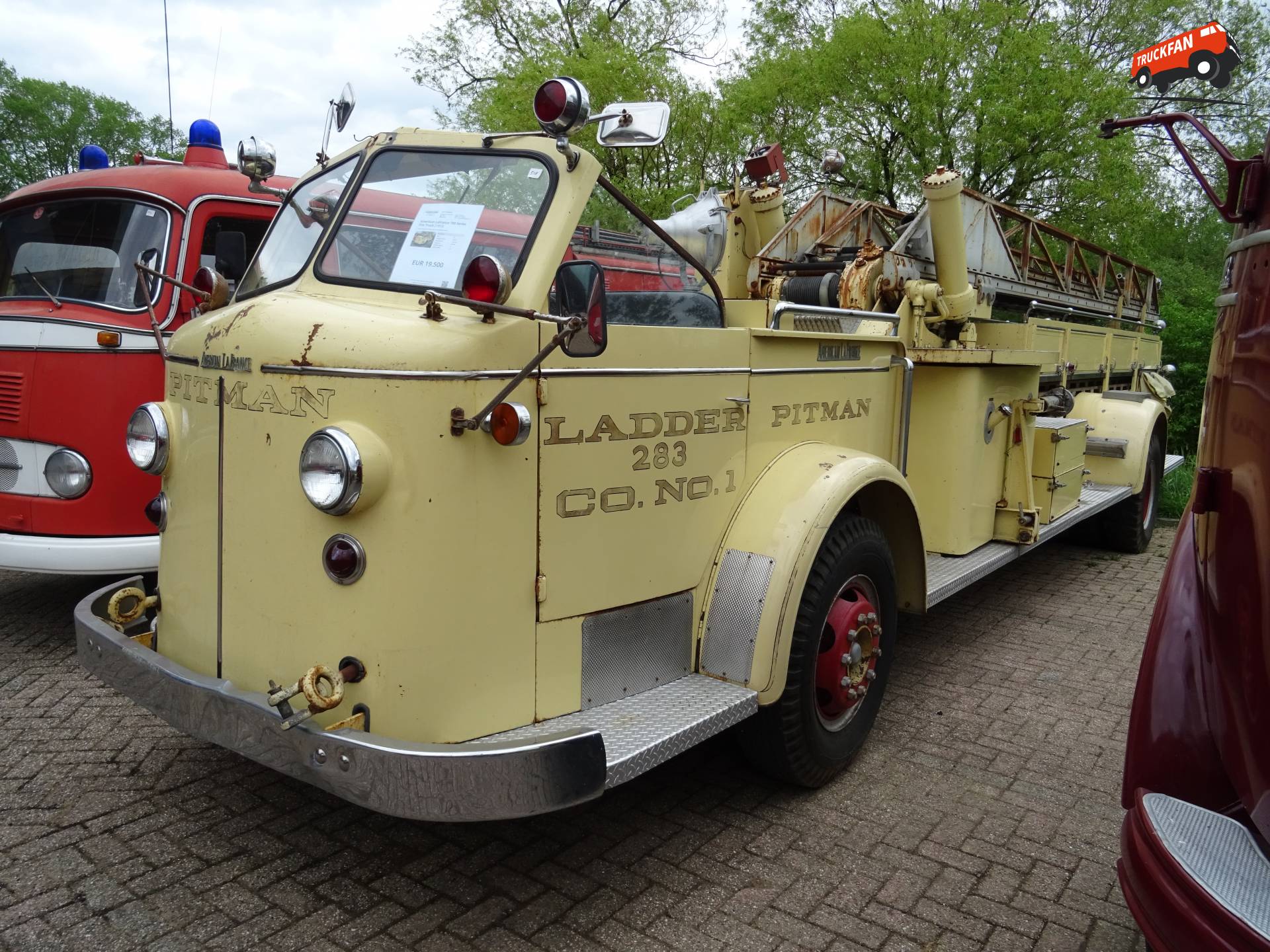
While the corporation is gone, the "American LaFrance" brand still carries substantial financial weight in the collector and museum markets. In 2026, the valuation of a 1950s 700 Series pumper or a mid-century "Metropolitan" aerial can range significantly based on condition and historical provenance.
Collectors and historical societies view American LaFrance trucks as blue-chip assets within the emergency vehicle niche. A fully restored 1920s chemical engine can command prices upwards of $100,000 at specialized auctions. Even modern units from the late 1990s and early 2000s maintain a specialized "utility value" for smaller, rural departments that cannot afford the multi-million dollar price tags of 2026-era new apparatus.
Historical Valuation Comparison Table
The following table outlines the estimated financial status of American LaFrance across different eras of its history:
| Era | Primary Owner | Estimated Corporate Status | Primary Asset Value Drivers |
|---|---|---|---|
| 1940s–1970s | Public/Independent | High Net Worth | Market Dominance, Government Contracts |
| 1995–2005 | Freightliner (Daimler) | Moderate (Subsidiary) | Engineering R&D, Global Distribution |
| 2005–2014 | Patriarch Partners | Low/Distressed | Brand Name, Manufacturing Facilities |
| 2014–2020 | Liquidation Phase | Minimal/Negative | Intellectual Property, Parts Rights |
| 2021–2026 | Defunct / Heritage | $0 Corporate Equity | Collector Value, Historical IP, Parts Support |
Intellectual Property and the Parts Support Economy
A significant portion of the remaining "value" of the American LaFrance entity is found in the service of existing fleets. Because fire engines are designed to last 20 to 30 years, thousands of ALF trucks remain on the road in 2026. This creates a niche market for parts and technical data.
The valuation of these IP assets is determined by the volume of ALF trucks still in active service. As departments retire these units in favor of newer brands like Pierce, Rosenbauer, or Spartan, the "net worth" of the IP slowly diminishes. However, the specialized nature of fire apparatus means that generic parts often do not fit, ensuring that the blueprints and proprietary designs owned by the successor entities remain valuable for several decades post-liquidation.
The Impact of Bankruptcy on Stakeholder Equity
When analyzing the net worth of a company that has undergone Chapter 11, it is essential to consider the "waterfall" of payments. In the American LaFrance proceedings, secured creditors (often large banks or the private equity firm itself) are first in line for any liquidated assets.
For the average observer asking about the "net worth" of the company, the answer is often found in what was left behind. The 2014 closure left employees without final paychecks and municipalities with orphaned warranties. This "negative equity" in terms of social and communal impact is a dark chapter in the brand's financial history. The bankruptcy court records from the South Carolina district provide the most accurate historical accounting of exactly how the remaining millions in assets were distributed to pay off a fraction of the outstanding debt.
Technical Legacy: The "Eagle" Chassis and Value Retention
From a technical standpoint, the American LaFrance "Eagle" chassis represented the peak of the company's engineering value. Introduced during the Freightliner era, the Eagle was known for its cab roominess and visibility. Even in 2026, the Eagle chassis is considered a robust platform.
The net worth of an individual American LaFrance vehicle on the used market is heavily dependent on whether it is an Eagle or one of the older, more utilitarian models.
- Standard Pumpers: Often sold for $5,000–$15,000 as "parts trucks" or for rural use.
- Aerial Platforms: Can still command $30,000+ if the ladder certification is current.
- Collector Grade: Pre-WWII models can exceed $150,000 depending on the rarity of the build.
Frequently Asked Questions
What was the highest net worth of American LaFrance?
While exact private valuations are rarely public, the company's peak value occurred during the mid-20th century (1940s–1960s) when it held approximately 40% of the U.S. fire apparatus market. During the Freightliner ownership in the late 1990s, the brand was part of a multi-billion dollar corporate portfolio, though the specific ALF division struggled with overhead costs.
Who owns the American LaFrance brand in 2026?
The brand exists as a defunct trademark, but the rights to parts and service manuals were largely dispersed during the liquidation. Companies like CASCO and various fire equipment brokers own the rights to provide support for the existing fleet. There is no longer a single "owner" of an active American LaFrance manufacturing corporation.
Are American LaFrance fire trucks still being made?
No. Manufacturing ceased completely in January 2014. Any American LaFrance vehicles seen on the road today are either legacy units still in service or restored vintage models. No new chassis or bodies have been produced under the American LaFrance name for over a decade.
Why did American LaFrance go out of business?
The company suffered from a combination of high legacy costs (pensions), quality control issues with newer models, the economic downturn of 2008 which hit municipal budgets, and the complexities of private equity management which prioritized debt restructuring over long-term manufacturing stability.
Is the American LaFrance logo still protected by trademark?
Yes, trademarks for historical brands often remain protected or are purchased by holding companies to prevent unauthorized use on merchandise or apparel. However, the trademark no longer represents an active commercial vehicle manufacturer.
How much is a vintage American LaFrance truck worth today?
In 2026, a vintage truck can range from $2,000 (scrap/parts condition) to over $200,000 for rare, museum-quality restorations of early 20th-century models. Most late-model "workhorse" pumpers sell for between $10,000 and $25,000 on the secondary municipal market.
Summary of Financial Standing and Next Actions
The "net worth" of American LaFrance is a tale of two different values: a corporate entity with zero current equity and a historical brand with immense cultural and collector value. For those looking to invest in or value American LaFrance assets in 2026, the focus should not be on the defunct corporation but on the secondary market for apparatus and the intellectual property rights held by service successors.
If you are a collector or a municipality owning an ALF vehicle, your next steps should involve:
- Asset Verification: Use the VIN and original build sheets to determine the rarity of your unit.
- Parts Sourcing: Connect with authorized IP holders to ensure access to proprietary engineering data for maintenance.
- Appraisal: For vintage models, seek an appraisal from the Society for the Preservation and Appreciation of Antique Motor Fire Apparatus in America (SPAAMFAA) to determine current market value.
While the factories in Moncks Corner and Elmira are silent, the financial legacy of American LaFrance lives on in the garages of collectors and the firehouses that still rely on the "Eagle" to protect their communities.