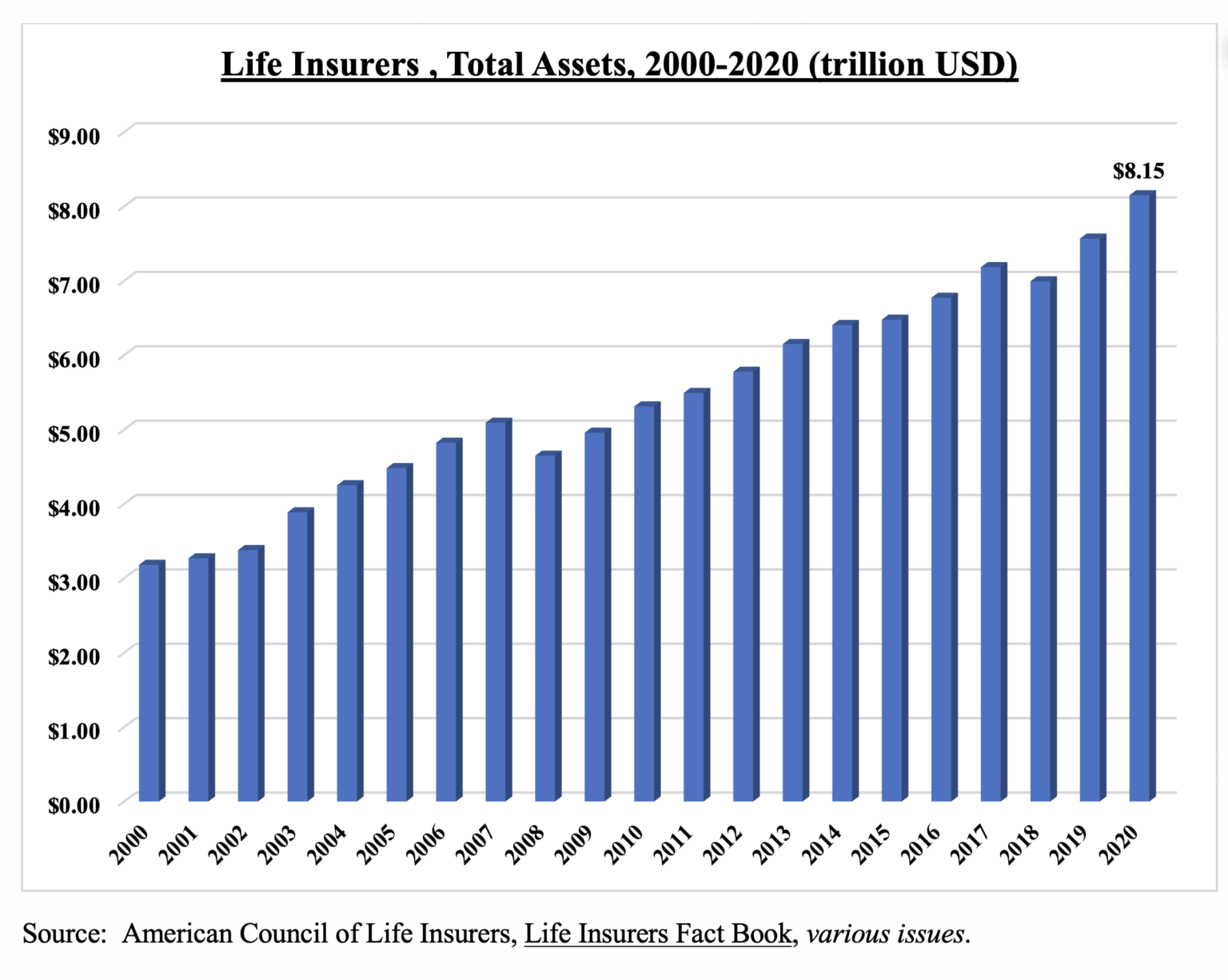
The American Council of Life Insurers (ACLI) is one of the most prominent trade associations in the United States, representing the interests of the life insurance and retirement security industry. According to data tracked by OpenSecrets, the ACLI consistently invests millions of dollars annually in federal lobbying and political contributions to influence legislation related to tax policy, retirement savings, and financial regulation. As of 2026, the organization remains a central player in shaping the "Revolving Door" between government regulators and the private sector, ensuring that the interests of its 275-plus member companies are prioritized on Capitol Hill.
Understanding the Role of the American Council of Life Insurers (ACLI)
To grasp the data provided by OpenSecrets, one must first understand what the ACLI represents. The American Council of Life Insurers serves as the primary advocate for life insurance companies, which provide products such as life insurance, annuities, long-term care insurance, and disability income insurance. These companies hold a significant portion of the nation’s capital, and their business models are deeply entwined with federal tax codes and financial oversight laws.
The ACLI’s membership includes roughly 275 companies, representing 95% of the industry’s total assets in the United States. Because these companies manage trillions of dollars in assets intended for long-term consumer security, any shift in federal interest rates, fiduciary standards, or tax-deferred status of insurance products can have multi-billion-dollar implications. Consequently, the ACLI maintains a robust presence in Washington, D.C., to navigate these regulatory waters.
OpenSecrets and the Methodology of Tracking Influence
OpenSecrets (formerly the Center for Responsive Politics) is the leading non-partisan research group tracking money in U.S. politics and its effect on elections and public policy. When analyzing the ACLI on OpenSecrets, the data is typically categorized into three main pillars:
- Lobbying Expenditures: The amount of money paid to internal lobbyists and external law firms to influence specific pieces of legislation.
- PAC Contributions: Money distributed through the ACLI Political Action Committee (PAC) to federal candidates, parties, and other committees.
- The Revolving Door: A record of former government employees—such as Congressional staffers or executive branch officials—who now work as lobbyists or executives for the ACLI.
This data is sourced from official filings with the Secretary of the Senate and the Clerk of the House of Representatives, as well as the Federal Election Commission (FEC). By aggregating these reports, OpenSecrets provides a transparent view of how the ACLI leverages its financial resources to achieve favorable policy outcomes.
Historical Trends in ACLI Lobbying Expenditures
Lobbying is the ACLI’s primary tool for direct legislative engagement. Over the past decade, the organization’s annual lobbying spend has consistently hovered between $3.5 million and $5.5 million. This expenditure supports a fleet of lobbyists who meet with members of the House Ways and Means Committee, the Senate Finance Committee, and various financial services subcommittees.
The peaks in ACLI’s spending often correlate with major legislative cycles. For instance, during the years surrounding the passage of the SECURE Act (2019) and SECURE 2.0 (2022), the ACLI’s activity surged. These bills were critical to the industry as they overhauled rules regarding Required Minimum Distributions (RMDs) and incentivized the use of annuities in 401(k) plans—two areas central to the ACLI’s mission of promoting retirement security.
As we move through 2026, the ACLI continues to focus its lobbying budget on protecting the tax-advantaged status of life insurance death benefits and the inside buildup of cash value in permanent life insurance policies. These tax treatments are perennial targets for budget hawks looking for "pay-fors" in larger tax reform packages, making constant vigilance a necessity for the association.
The ACLI Political Action Committee (PAC) and Campaign Finance
While lobbying focuses on current legislators, the ACLI PAC focuses on who gets elected in the first place. The PAC is funded by voluntary contributions from employees and executives of ACLI member companies, rather than the corporate treasuries themselves.
The distribution of ACLI PAC funds is traditionally bipartisan, though it often reflects the power dynamics of the current Congress. Historically, the ACLI tends to support "incumbents and leaders"—key committee chairs and ranking members who have direct jurisdiction over insurance and tax law. By maintaining a balanced contribution strategy, the ACLI ensures it has "a seat at the table" regardless of which party holds the majority.
PAC Spending Categories
- Direct Candidate Contributions: Donations to individual campaigns for the House and Senate.
- Party Committees: Contributions to the NRCC, DCCC, NRSC, and DSCC.
- Leadership PACs: Donations to the personal PACs of high-ranking Congressional leaders.
Key Legislative Issues and Policy Priorities
The data on OpenSecrets reveals that the ACLI monitors hundreds of bills in any given session. However, several core issues consistently dominate their agenda:
1. Retirement Security and Annuities
The ACLI has been a vocal proponent of expanding access to workplace retirement plans. They heavily advocated for provisions that make it easier for small businesses to join Multiple Employer Plans (MEPs) and for the inclusion of lifetime income options (annuities) in employer-sponsored plans. Their goal is to position the life insurance industry as the primary solution to the "retirement crisis."
2. Tax Treatment of Insurance Products
The life insurance industry enjoys unique tax status. Policyholders generally do not pay taxes on the growth of their policy’s cash value, and death benefits are usually tax-free. The ACLI spends significant resources ensuring that these "tax expenditures" remain untouched during federal budget negotiations.
3. The Fiduciary Standard
The ACLI has been a major player in the ongoing debate regarding the "Best Interest" or "Fiduciary" standard. They often oppose overly stringent federal rules (such as those previously proposed by the Department of Labor) that they argue would limit consumer access to financial advice or make it too expensive for insurers to offer certain products to middle-market consumers. Instead, they support the National Association of Insurance Commissioners (NAIC) model for "best interest" standards at the state level.
4. Long-Term Care Insurance (LTCI)
As the population ages, the ACLI has lobbied for federal incentives to encourage the purchase of private long-term care insurance, aiming to reduce the burden on Medicaid.
The "Revolving Door": Influence Through Expertise
One of the most valuable insights provided by OpenSecrets is the tracking of the "Revolving Door." The ACLI frequently hires former members of Congress and high-level staffers from relevant committees. These individuals bring not only technical expertise in tax and insurance law but also deep personal relationships with current policymakers.
For example, former governors or members of the House Ways and Means Committee have historically held leadership roles within the ACLI. This strategy allows the organization to communicate its needs in the specific language of the legislative process, often drafting bill language that eventually finds its way into federal statutes.
Comparative Spending: ACLI vs. Other Financial Trade Groups
To understand the scale of ACLI's influence, it is helpful to compare its spending with other major financial associations.
| Organization | Annual Lobbying (Approx. 2024-2025) | Primary Focus |
|---|---|---|
| American Council of Life Insurers (ACLI) | $4.8M - $5.2M | Life Insurance, Annuities, Retirement Security |
| American Bankers Association (ABA) | $9M - $11M | Banking Regulation, Fintech, Credit Unions |
| Investment Company Institute (ICI) | $4.5M - $5.0M | Mutual Funds, ETFs, Asset Management |
| Securities Industry and Financial Markets Assn (SIFMA) | $6M - $7M | Capital Markets, Securities Regulation |
| National Association of Realtors (NAR) | $50M - $80M | Housing Policy, Mortgage Interest Deduction |
Note: Data based on OpenSecrets historical trends projected into the 2024-2026 cycle. Figures represent federal lobbying only.
Navigating OpenSecrets for ACLI Data
For researchers or interested citizens, navigating the OpenSecrets portal for ACLI information requires a specific approach. When searching for "American Council of Life Insurers," users should look for the following:
- Total Lobbying by Year: This shows the trend of whether the industry is ramping up or scaling back its efforts.
- Specific Bills Lobbied: OpenSecrets lists the specific House (H.R.) and Senate (S.) bill numbers that the ACLI mentioned in its quarterly LD-2 filings. This is the most direct way to see what laws they are trying to change or protect.
- Lobbying Firms Hired: While the ACLI has an in-house team, they also hire "white-shoe" lobbying firms like Akin Gump or Brownstein Hyatt. Seeing which firms are on retainer can indicate which specific political connections the ACLI is leveraging.
Summary of Political and Regulatory Impact
The American Council of Life Insurers is a disciplined and well-funded advocate. Their strategy is not about high-profile partisan battles, but rather the quiet, technical work of tax code maintenance and regulatory shaping. Through the data on OpenSecrets, we see an organization that prioritizes longevity and stability, mirroring the very products its member companies sell.
By maintaining a constant presence in Washington, the ACLI ensures that the life insurance industry remains a cornerstone of the American financial system. Whether through PAC contributions to key committee members or high-level lobbying on retirement legislation, the ACLI’s influence is a testament to the power of coordinated industry advocacy.
Frequently Asked Questions
Does the ACLI only support Republican candidates? No. While many financial associations have a reputation for leaning Republican, the ACLI PAC is known for its bipartisan approach. They prioritize supporting members of both parties who sit on the committees with jurisdiction over the insurance industry, such as the House Ways and Means and Senate Finance committees.
How does ACLI's lobbying affect the average consumer? The ACLI's lobbying often results in legislation that affects how you save for retirement. For example, their support for the SECURE Acts led to changes in 401(k) rules and IRA withdrawal ages. While they argue their work increases retirement security for all, critics sometimes point out that their efforts also ensure high fees and commissions for insurance-based investment products remain legal and common.
Where does the money for ACLI lobbying come from? The lobbying budget comes from the dues paid by member companies (e.g., MetLife, Prudential, New York Life). These dues are part of the companies' operating expenses. The ACLI PAC money, however, must come from individual voluntary contributions from employees and cannot be taken directly from corporate profits.
How often is the ACLI data on OpenSecrets updated? OpenSecrets updates its lobbying data quarterly, as lobbyists are required by law to file reports (LD-2) every three months. Campaign contribution data is updated monthly or quarterly, depending on the FEC's filing schedule for PACs and candidates.
What is the biggest threat the ACLI currently lobbies against? Historically, the biggest threat is any proposal to tax the "inside buildup" of life insurance policies. Currently, the interest or investment gains inside a life insurance policy are not taxed as they grow. If Congress ever decided to tax these gains annually (like a standard brokerage account), it would fundamentally undermine the value proposition of permanent life insurance.
Practical Recommendation for Researchers
If you are using OpenSecrets to track the ACLI for policy research, always cross-reference the "Lobbying" tab with the "Bills" tab. Looking at the dollar amount is only half the story; seeing the specific bill titles—such as the "Retirement Security and Savings Act"—will tell you exactly which parts of the U.S. Code the ACLI is attempting to modify. Additionally, look at the "Top Recipients" list for their PAC to see which members of Congress are the industry's most vocal champions.
Disclaimer: This article provides information based on publicly available data and historical trends. It does not constitute legal, financial, or political advice. For specific legislative details, refer to the official records at congress.gov or fec.gov.