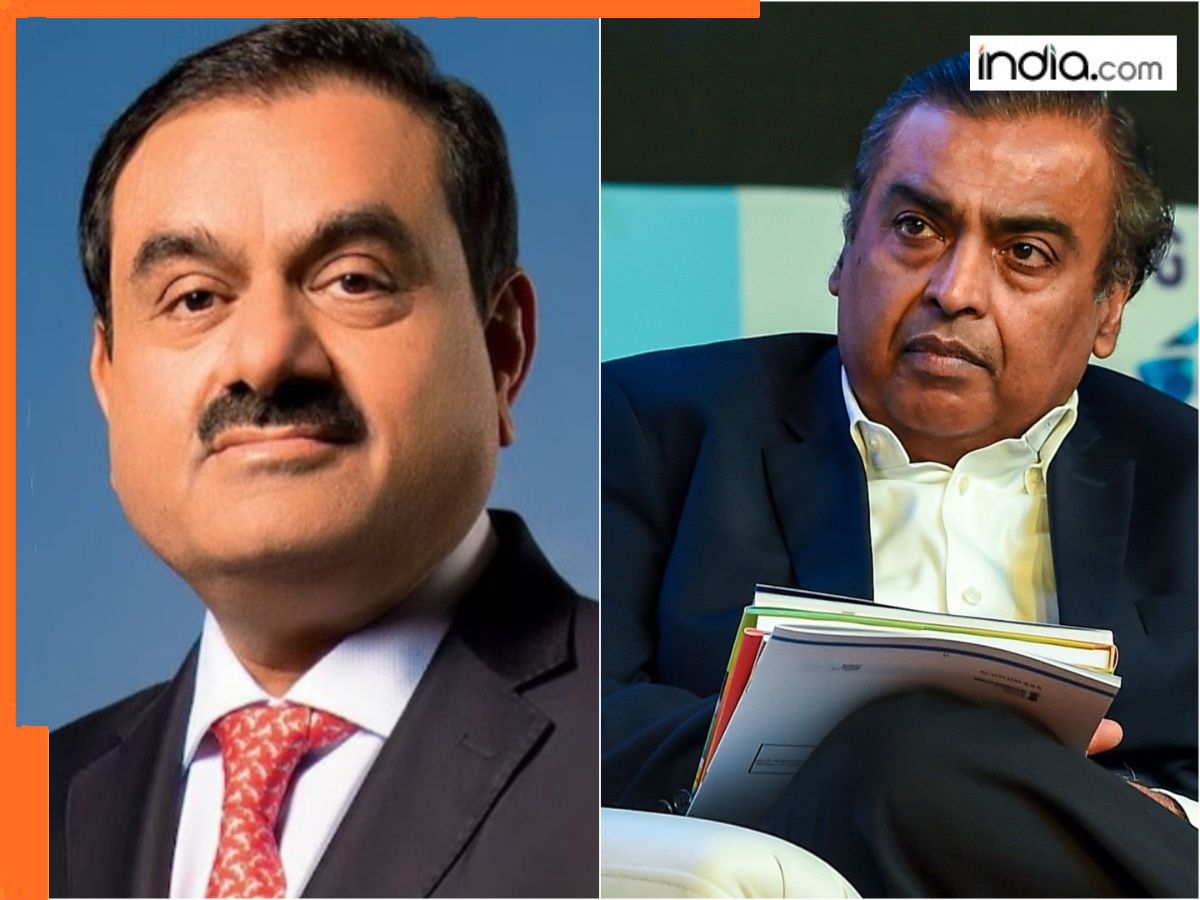
As of early 2026, Mukesh Ambani and Gautam Adani continue to dominate the Asian wealth rankings, with net worths typically ranging between $95 billion and $115 billion each. Their fortunes are inextricably linked to the performance of their respective conglomerates—Reliance Industries and the Adani Group—which serve as proxies for India’s broader economic trajectory in energy, technology, and infrastructure.
The rivalry between the two wealthiest men in India has evolved from a race for the top spot on global rich lists into a strategic competition for dominance in the future of the Indian economy. While both men share a focus on green energy and digital transformation, their paths to wealth accumulation, business philosophies, and asset compositions differ significantly. This profile examines their financial standing, the core drivers of their wealth, and the organizational structures that support their multi-billion-dollar empires in the current year.
The Wealth Profile of Mukesh Ambani
Mukesh Ambani, the Chairman and Managing Director of Reliance Industries Limited (RIL), has long been the face of Indian corporate power. By 2026, his wealth profile has shifted from a heavy reliance on traditional petrochemicals toward a diversified portfolio centered on digital services, retail, and sustainable energy.
Reliance Industries: The Core Engine
Reliance Industries remains the bedrock of Ambani’s net worth. In 2026, the company’s "Oil-to-Chemicals" (O2C) segment continues to provide massive cash flows, but it no longer represents the majority of the firm's valuation. Instead, the market has rerated RIL as a consumer and technology giant. Ambani’s strategy of creating "independent" giants under the RIL umbrella—such as Jio Platforms and Reliance Retail—has unlocked significant shareholder value.
Jio Platforms and the Digital Revolution
A massive portion of Ambani's net worth is derived from his stake in Jio Platforms. By 2026, Jio has moved beyond being a simple telecommunications provider. It is now a comprehensive digital ecosystem offering cloud computing, high-speed 5G (and nascent 6G research) connectivity, and a suite of software-as-a-service (SaaS) products for small businesses. The integration of artificial intelligence into the Jio ecosystem has been a primary driver of valuation growth over the past two years, attracting sustained interest from global private equity and technology investors.
The Expansion of Reliance Retail
Reliance Retail is currently the largest retailer in India by a wide margin. In 2026, its contribution to Ambani’s net worth is substantial due to its aggressive expansion into e-commerce through JioMart and its dominance in the physical retail space, spanning electronics, fashion, and groceries. The successful acquisition and integration of several international luxury brands into the Indian market have also improved margins, contributing to a more robust balance sheet for the retail arm.
The New Energy Pivot
In 2026, Ambani’s $10 billion commitment to green energy, announced years prior, has begun to bear fruit. The Dhirubhai Ambani Green Energy Giga Complex in Jamnagar is now operational, producing solar modules, hydrogen electrolyzers, and fuel cells. This transition is not just an environmental move; it is a calculated financial strategy to de-risk the RIL portfolio from the volatility of global crude oil prices and to position the group at the center of the global decarbonization movement.
The Wealth Profile of Gautam Adani
Gautam Adani, the founder and Chairman of the Adani Group, represents a different facet of Indian wealth—one built on the "bricks and mortar" of national infrastructure. Despite the volatility seen in previous years, Adani’s net worth in 2026 has stabilized and grown, driven by a portfolio of essential services that are difficult for competitors to replicate.
Adani Enterprises: The Incubator
Adani Enterprises serves as the flagship "incubator" for the group’s new ventures. Much of Gautam Adani’s net worth is tied to this entity, which successfully spins off matured businesses into independent, listed companies. In 2026, the incubator is focused on data centers, defense manufacturing, and water management, ensuring a constant pipeline of new assets to bolster the Chairman's valuation.
Dominance in Infrastructure: Ports and Airports
The "moat" around Gautam Adani’s wealth is largely constructed from his control over critical infrastructure. Adani Ports and Special Economic Zone (APSEZ) is the largest commercial port operator in India. By 2026, the group’s expansion into international ports (including strategic locations in Israel, Sri Lanka, and Africa) has diversified Adani’s revenue streams away from purely domestic risks. Similarly, Adani Airports Holdings now manages a significant percentage of India’s passenger traffic, providing a steady, inflation-indexed source of cash flow.
Adani Green Energy and Sustainability
Gautam Adani has positioned himself as one of the world’s largest producers of renewable energy. In 2026, Adani Green Energy Limited (AGEL) is a primary contributor to his net worth. The group’s focus on massive-scale solar and wind farms, coupled with their "Green Hydrogen" ambitions, has attracted significant capital from sovereign wealth funds. Adani’s ability to secure long-term power purchase agreements (PPAs) makes this segment of his wealth particularly stable compared to more consumer-discretionary sectors.
The Cement and Materials Vertical
The 2022 acquisition of Holcim’s Indian assets (ACC and Ambuja Cements) has matured by 2026. This move turned Adani into the second-largest cement producer in the country. This vertical is directly tied to the Indian government’s infrastructure spending, ensuring that as the country builds roads, bridges, and housing, Adani’s net worth continues to climb.
Comparative Net Worth and Asset Structure (2026)
To understand the "Ambani Adani net worth profile," it is essential to compare the composition of their wealth. While their total valuations often hover near each other, the underlying assets behave differently in various market conditions.
| Feature | Mukesh Ambani (Reliance Industries) | Gautam Adani (Adani Group) |
|---|---|---|
| Primary Wealth Source | Public Equity (RIL Stake) | Public Equity (Adani Enterprises, Ports, Green Energy) |
| Dominant Industry | Telecom, Retail, Energy | Infrastructure, Ports, Power |
| Key Growth Driver (2026) | AI-driven Digital Services & Retail | Green Hydrogen & Logistics Hubs |
| Succession Status | Structured (Isha, Akash, Anant) | Multi-generational (Karan, Jeet, Pranav) |
| Geographic Focus | Primarily Indian Domestic Market | Rapidly Expanding International Footprint |
| Risk Profile | High exposure to consumer spending | High exposure to regulatory/govt. policy |
| Asset Liquidity | High (diversified, cash-rich RIL) | Moderate (capital-intensive infrastructure) |
Key Factors Influencing Their Net Worth in 2026
The net worth of these two individuals is not static; it is influenced by a complex interplay of domestic and global factors. Investors and analysts tracking their profiles in 2026 must consider several variables that dictate whether their fortunes rise or fall.
1. The Value of the Indian Rupee
Since both Ambani and Adani have significant US dollar-denominated debt (specifically in the Adani Group’s case) and their wealth is measured in USD by global publications like Forbes and Bloomberg, the strength of the Rupee is vital. A depreciating Rupee can cause their global rankings to drop even if their domestic business performance is strong.
2. Global Energy Transition
Both billionaires have staked their future on green energy. The global price of green hydrogen, the efficiency of solar photovoltaic technology, and the cost of lithium-ion batteries are now direct determinants of their net worth. By 2026, the market is no longer pricing these ventures on "potential" but on actual output and EBITDA margins.
3. Institutional Investor Sentiment
The "Adani-Ambani" profiles are heavily influenced by Foreign Institutional Investors (FIIs). For Ambani, sentiment is tied to the successful IPOs of his retail and telecom wings (widely expected or finalized by 2026). For Adani, the focus remains on transparency, debt-to-equity ratios, and the ability to service long-term infrastructure loans.
4. Domestic Policy and Infrastructure Spending
The Indian government’s "Gati Shakti" program and other infrastructure initiatives are tailwinds for Gautam Adani. Conversely, digital privacy laws and e-commerce regulations directly impact Mukesh Ambani’s Jio and Retail sectors. The regulatory environment in 2026 remains a double-edged sword for both conglomerates.
Succession Planning and Long-term Stability
A critical component of any high-net-worth profile is the "key man risk." In 2026, both families have made significant strides in addressing this.
The Ambani Succession: Mukesh Ambani has executed a clear transition plan. Akash Ambani leads the telecom business (Jio), Isha Ambani oversees the retail empire, and Anant Ambani manages the new energy vertical. This compartmentalization has reduced market anxiety regarding the future of Reliance, contributing to a more stable valuation for Mukesh Ambani’s stake.
The Adani Succession: The Adani Group remains more centralized, but the next generation—led by Karan Adani (CEO of Adani Ports)—has taken on high-profile roles. The family’s involvement across various boards ensures that the "Adani" brand remains cohesive, though the market continues to monitor the transition of leadership from Gautam to his heirs.
Financial Advisory Note
Tracking the net worth of high-profile individuals involves analyzing public stock market data, which is subject to high volatility. The figures provided reflect estimated valuations based on current 2026 market trends. Individual investors should not base investment decisions solely on the net worth of company founders but should look at the fundamental health, debt levels, and cash flow of the underlying corporations.
Frequently Asked Questions
Who is currently richer, Ambani or Adani?
In 2026, the title of "India’s Richest" often swaps between the two depending on the daily closing prices of Reliance Industries versus the various Adani listed entities. Generally, they are within 5% to 10% of each other, making the distinction largely symbolic. Mukesh Ambani often holds a more stable position due to the cash-rich nature of his consumer businesses, while Gautam Adani sees higher volatility due to the capital-intensive nature of infrastructure.
How do they calculate the "net worth" of Ambani and Adani?
The net worth profiles are calculated by multiplying the number of shares they own in their public companies by the current market price of those shares. Added to this are estimated private assets, such as real estate (e.g., Ambani’s Antilia), private investments, and cash holdings. However, because the vast majority of their wealth is in stock, their "paper wealth" can change by billions of dollars in a single trading session.
Does the Hindenburg report from 2023 still affect Adani’s net worth in 2026?
By 2026, the immediate market shock of the 2023 Hindenburg report has largely been processed. The Adani Group spent 2024 and 2025 deleveraging and improving corporate governance transparency. While some institutional investors remain cautious, the group’s ability to secure major international projects and refinance debt has restored much of the valuation lost during that period.
What are the biggest risks to their wealth in 2026?
For Mukesh Ambani, the biggest risk is a slowdown in Indian consumer spending or a disruptive technological shift that renders current 5G investments obsolete. For Gautam Adani, the risks are primarily "geopolitical and regulatory," given his group’s deep involvement in sensitive sectors like ports and energy, which are often subject to government scrutiny and international relations.
Why is green energy so important for their 2026 profiles?
Green energy is the primary "growth" narrative for both groups. With the Indian government’s goal of reaching Net Zero, massive subsidies and market opportunities are available for those who control the supply chain of renewable energy. Investors are currently giving higher valuation multiples to "green" businesses than to "brown" (fossil fuel) businesses, making this sector essential for maintaining their billionaire status.
Next Actions for Tracking Wealth Profiles
To stay updated on the "Ambani Adani net worth profile" throughout 2026, it is recommended to monitor real-time billionaire indices such as the Bloomberg Billionaires Index and the Forbes Real-Time Billionaires List. Additionally, reviewing the quarterly earnings reports of Reliance Industries, Adani Enterprises, and Adani Ports provides the most accurate picture of the underlying business health that drives these massive fortunes.