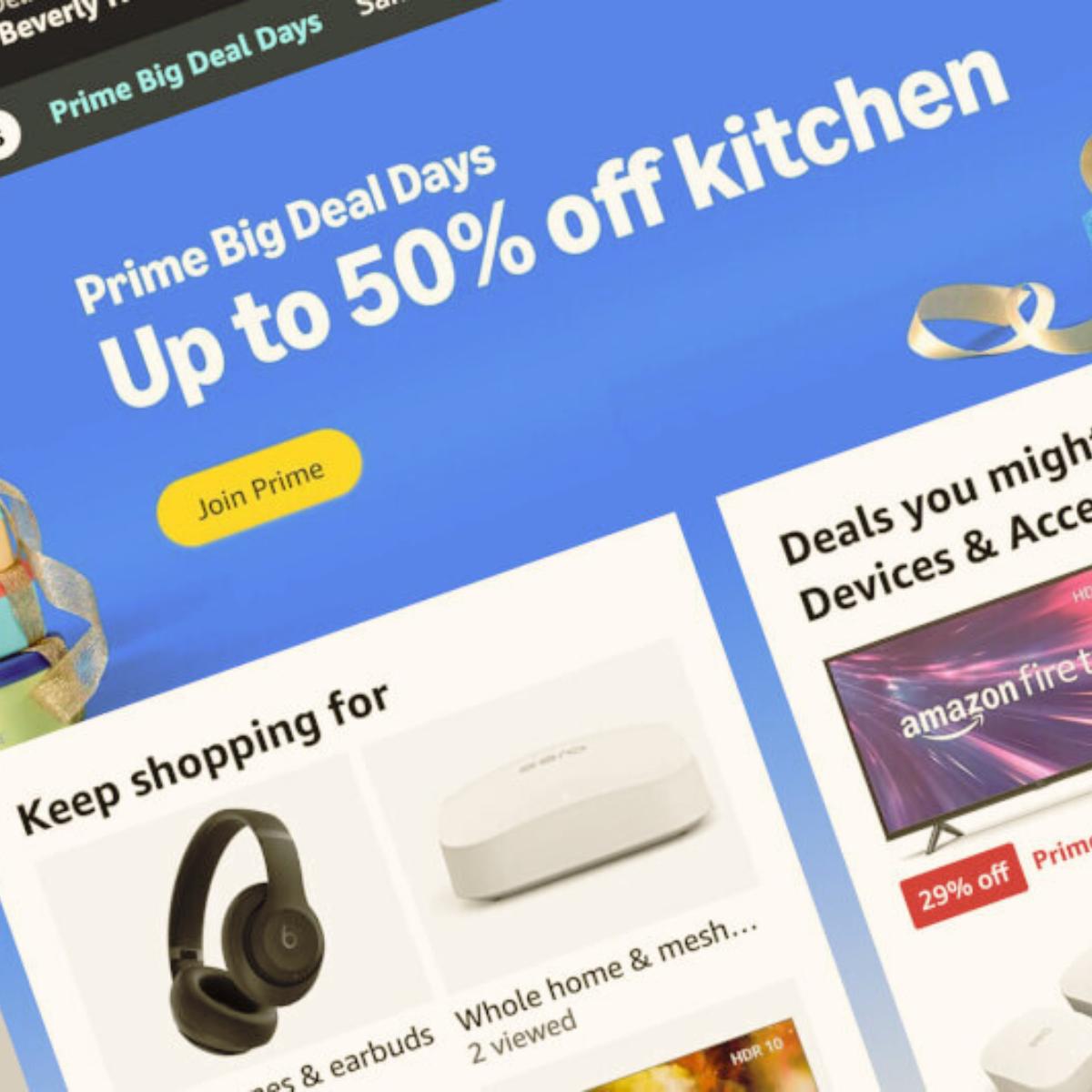
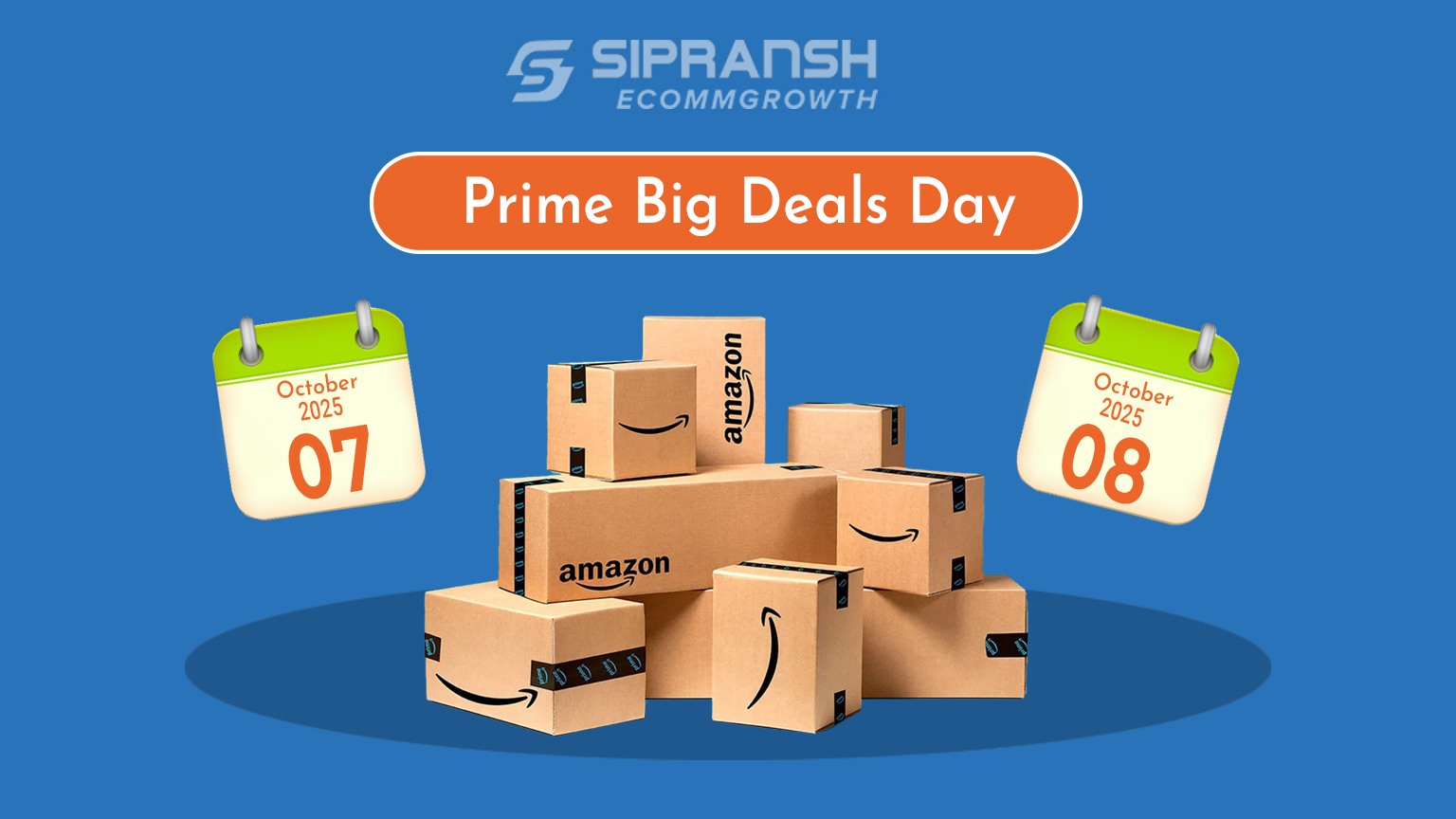
Amazon Prime Big Deal Days took place on October 7 and 8, 2025, serving as the official kickoff for the 2025 holiday shopping season. Exclusive to Prime members, the 48-hour event featured deep discounts across electronics, home goods, and apparel, significantly outpacing the previous year's performance in both volume and average order value.
The Strategic Importance of the October 2025 Event
As we look back from the vantage point of 2026, the October 2025 Prime Big Deal Days marked a pivotal shift in how Amazon approaches the "fourth quarter" of the retail year. This event was not merely a sequel to the summer Prime Day; it was a strategically timed intervention designed to capture consumer spending before the traditional Black Friday and Cyber Monday rush. By 2025, the retail landscape had become increasingly fragmented, with competitors like TikTok Shop and Temu vying for market share. Amazon responded by doubling down on its "Prime" ecosystem, ensuring that the best value was reserved exclusively for its subscribers.
The 2025 event was characterized by a heavy emphasis on AI-integrated hardware and sustainable consumer goods. Unlike the 2024 event, which focused heavily on recovering from supply chain fluctuations, the 2025 sale benefited from a more stable global logistics network. This allowed for better inventory levels on high-demand items, particularly in the semiconductor-heavy categories like gaming consoles and high-end laptops. For many shoppers, this event served as the primary window to secure holiday gifts, avoiding the shipping delays that often plague late November and December.
Eligibility and Participation Requirements
To participate in the October 2025 Big Deal Days, shoppers were required to have an active Amazon Prime membership. By October 2025, the cost of Prime remained at the levels established in previous years: $14.99 per month or $139 per year. However, Amazon introduced more robust "Try Before You Buy" features and integrated Prime Video perks specifically for this window to entice new sign-ups.
Verification of Membership Status
During the event, Amazon utilized a "Prime-only" badge system that filtered search results. Users who were not members could see the items but were greeted with "Join Prime to see deal price" prompts. This gatekeeping mechanism was essential for maintaining the exclusivity of the discounts. Furthermore, the 2025 event saw an expansion of the Invite-Only Deals program. This system required users to request an invitation days in advance for high-demand products—such as the latest Sony OLED TVs or limited-edition kitchen appliances—to prevent "scalper bots" from depleting stock instantly.
Regional Availability
The October 2025 event was truly global, spanning 19 countries including the U.S., UK, Canada, Germany, Japan, and Australia. In North America, the deals went live at 12:01 a.m. PDT on October 7. Each region had localized deals tailored to seasonal needs; for instance, European markets saw a higher concentration of energy-efficient heating solutions, while the Australian market focused on outdoor and summer-prep equipment.
Deep Dive into Top Product Categories
The 2025 event was defined by several standout categories that saw the most significant price drops. Analyzing these categories provides insight into the consumer technology trends that dominated the mid-2020s.
Amazon Devices and Echo Ecosystem
Amazon traditionally offers its steepest discounts on its own hardware, and 2025 was no exception. The Echo Show 10 (4th Gen) and the Fire TV Stick 4K Max saw discounts of up to 55%. A major highlight was the integration of the "Matter" smart home standard, which by 2025 had become the industry norm. Every Amazon device sold during the October event was fully Matter-compatible, allowing for seamless integration with Apple Home and Google Nest products.
The Rise of Wi-Fi 7 and Networking
By late 2025, Wi-Fi 7 had moved from a niche enthusiast technology to a mainstream requirement for high-bandwidth households. The October event featured the first significant price cuts on the Eero Max 7 mesh systems. Shoppers looking to future-proof their homes for 8K streaming and low-latency cloud gaming found these deals particularly compelling, with savings reaching nearly 30% off MSRP.
Sustainable Home and Kitchen
Continuing the trend from the early 2020s, air fryers and multi-cookers remained top sellers. However, the 2025 shift was toward "Smart Appliances" that could be controlled via mobile apps to optimize energy usage during off-peak hours. Brands like Ninja and Shark dominated the kitchen category, while Dyson's older cordless vacuum models reached their lowest historical price points as the company cleared inventory for its 2026 flagship releases.
Comparative Performance: 2025 vs. Previous Years
To understand the scale of the 2025 event, it is helpful to compare the discount depths across major categories relative to the 2023 and 2024 iterations of the fall sale.
| Category | 2024 Avg. Discount | 2025 Avg. Discount | Primary Growth Factor |
|---|---|---|---|
| Amazon Devices | 45% | 52% | Clearing stock for AI-Gen hardware |
| Laptops & PCs | 15% | 22% | Increased competition in OLED space |
| Smart Home | 20% | 35% | Standardization of Matter protocol |
| Apparel/Fashion | 30% | 40% | Expansion of "Luxury Stores" on Amazon |
| Kitchen Appliances | 25% | 28% | Saturated market leading to price wars |
The data reveals that 2025 was a significantly more aggressive year for discounting. This was largely attributed to Amazon’s desire to maintain dominance in an environment where consumers were becoming more selective with their discretionary spending. The 35% average discount in the Smart Home sector was particularly notable, reflecting the aggressive push to get every household onto a unified smart ecosystem.
Consumer Strategy and Logistics Performance
For shoppers in October 2025, the strategy revolved around the Amazon Shopping App. Features like "Deal Alerts" allowed users to track specific items and receive push notifications the moment a price dropped. By 2025, Amazon’s predictive AI had become sophisticated enough to suggest deals based not just on past purchases, but on "cross-category interests"—for example, suggesting a specialized camera lens to a user who had recently purchased a hiking backpack.
Delivery and Fulfillment
One of the major successes of the 2025 event was the speed of fulfillment. Despite the massive surge in orders, Amazon’s localized "Sub-Same-Day" delivery hubs were able to process millions of items. In major metropolitan areas, Prime members often received their "Big Deal Day" purchases within 4 to 6 hours of clicking "Buy Now." This logistical feat was supported by an expanded fleet of electric delivery vehicles and more efficient autonomous sorting centers.
The Impact of "Buy with Prime"
The 2025 event also saw the broadest implementation of Buy with Prime on third-party websites. This allowed shoppers to get Prime-level discounts and shipping speeds even when shopping directly on a brand’s own site (such as Wyze or Peloton). This helped Amazon extend its influence beyond its own domain, making the "Big Deal Days" feel like a universal internet holiday rather than a single-site event.
Navigating the Technical Landscape of 2025 Deals
Understanding the technical specifications of what was sold in 2025 is vital for evaluating the longevity of those products today in 2026. The 2025 event was the first where Generative AI features were baked into the marketing of almost every electronic device.
- AI-Enhanced Laptops: Deals on MacBook Airs (M3 chips) and Windows CoPilot+ PCs were at an all-time high. Consumers were looking for NPU (Neural Processing Unit) performance to handle local AI tasks.
- Wearable Health Tech: Devices from Oura and Garmin saw record-low prices. By late 2025, the focus had shifted from mere step-counting to advanced metabolic tracking and recovery scores.
- Home Entertainment: The transition to HDMI 2.1 as a baseline for all TVs sold during the event meant that even "budget" 4K TVs offered 120Hz refresh rates, a significant jump from the entry-level specs of 2023.
For the technical editor, it is clear that 2025 was the year "specs caught up with software." The hardware sold during the October event was specifically designed to handle the software updates we are seeing now in 2026, making those purchases particularly high-value in retrospect.
Troubleshooting Common Issues from the 2025 Event
While the event was largely successful, certain recurring issues surfaced that are worth noting for anyone reviewing historical shopping data or preparing for future events.
- Lightning Deal Expiration: Many users reported that high-value items in their carts reverted to original prices before they could checkout. This was due to the "15-minute reservation" rule, which became strictly enforced in 2025 to manage high traffic.
- Price Tracking Transparency: Some critics pointed out that third-party sellers occasionally raised prices in September only to "discount" them back to MSRP in October. Users who utilized tools like CamelCamelCamel or Keepa were able to identify these "false deals."
- Regional Lockout: Certain deals, particularly in the digital gaming space, were region-locked. A user in the US could not easily purchase a digital code discounted on the UK site, leading to some consumer frustration in the global community.
Frequently Asked Questions
What were the exact dates for the October 2025 Big Deal Days?
The event took place from midnight on Tuesday, October 7, through the end of Wednesday, October 8, 2025. This followed the established pattern of Tuesday-Wednesday scheduling for Amazon’s 48-hour "Prime Day" style events.
Did you need a special invitation for the 2025 deals?
While most deals were open to all Prime members, "Invite-Only Deals" were used for high-demand, low-stock items. Members had to click "Request Invite" on the product page prior to the event. If selected, they received a unique link via email to purchase the item at the discounted price during the 48-hour window.
How did the 2025 discounts compare to Black Friday 2025?
In many cases, the October 2025 Prime Big Deal Days offered prices identical to or better than Black Friday, especially on Amazon-branded electronics and subscription services. However, Black Friday remained superior for doorbuster deals on legacy television models and older-generation toys.
Was Prime Student eligible for the October 2025 event?
Yes, all Prime membership tiers, including Prime Student and Prime Access (discounted for EBT/Medicaid recipients), were fully eligible for all deals and shipping benefits during the October 7-8 event.
What was the most sold item during the 2025 event?
Based on internal reporting and retail analysis, the top-selling items were the Fire TV Stick 4K Max (2nd Gen) and the COSRX Snail Mucin Essence, continuing a multi-year trend where low-cost tech and viral beauty products dominate high-volume sales.
Final Recommendation for Post-Event Analysis
As we evaluate the impact of the October 2025 Prime Big Deal Days from our current position in 2026, the primary takeaway is the importance of membership timing. For those looking at historical data to plan their 2026 shopping, it is evident that the October event is the optimal time for tech upgrades, while Black Friday remains the better choice for soft goods and general "stocking stuffers."
If you are holding a product purchased during that 2025 window, ensure its firmware is updated to the latest 2026 standards, particularly for Matter-enabled smart home devices, to maintain the interoperability that was a hallmark of that sales cycle. The 2025 event proved that the "holiday season" now effectively begins in early October, and consumers who wait until late November often find themselves paying more for less availability.