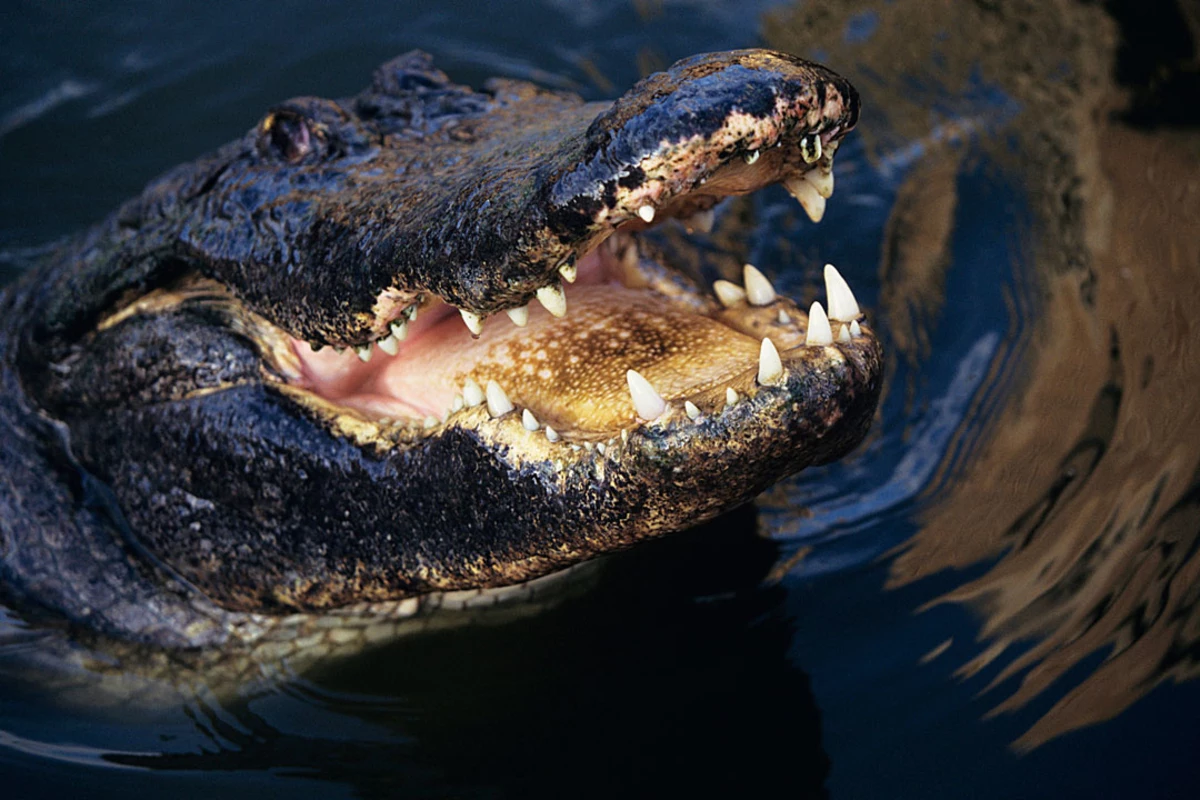
In September 2023, the community of Largo, Florida, was stunned when a 13-foot, 8.5-inch alligator was discovered in a canal with the remains of 41-year-old Sabrina Peckham in its mouth. This tragic encounter, occurring in a residential area near McKay Creek, remains one of the most harrowing examples of human-wildlife conflict in Florida's history.
The incident began on a Friday afternoon when a passerby, Jamarcus Bullard, noticed an alligator in a canal along 134th Avenue North. To his horror, he realized the animal was clutching a human torso. The discovery immediately triggered a massive response from the Pinellas County Sheriff's Office and the Florida Fish and Wildlife Conservation Commission (FWC). As we look back from the perspective of 2026, the Largo incident serves as a definitive case study in the complexities of managing apex predators within urbanized environments and the critical importance of public safety awareness.
Chronology of the September 2023 Largo Discovery
The timeline of the event is essential to understanding the gravity of the situation. At approximately 1:50 p.m. on September 22, 2023, Jamarcus Bullard was walking to a job interview when he spotted the massive reptile. In subsequent interviews, Bullard described seeing the alligator with a body in its mouth, initially thinking it was a mannequin before realizing the grim reality. He immediately notified emergency services.
Upon arrival, deputies and FWC officers confirmed the sighting. The alligator was located in a waterway near Ridgecrest Park, a popular local recreational area. To recover the remains and ensure public safety, the FWC determined that the alligator had to be "humanely killed." This process involved snaring the animal and removing it from the water using heavy machinery. Once the alligator was euthanized, recovery teams were able to retrieve the victim's remains from the canal.
The visual of a nearly 14-foot alligator on a residential sidewalk, surrounded by forensic investigators, became a viral image that resonated globally. It highlighted not just the sheer size of Florida’s alligator population, but the proximity of these predators to everyday human activity.
Identifying the Victim and the Circumstances
The victim was identified as Sabrina Peckham, a 41-year-old woman who had been living in a transient camp in the woods near the canal. Understanding the victim's circumstances provides necessary context for why she was in such close proximity to a known alligator habitat.
Peckham was part of a vulnerable population often forced to reside in undeveloped pockets of land that overlap with wildlife corridors. Just months prior to the incident, she had been cited for trespassing on county property near the same location. Her family later clarified that she was likely sleeping in her tent or walking near the water’s edge when the attack occurred.
The Pinellas County Medical Examiner’s Office eventually ruled the cause of death as a result of the alligator attack. While it is rare for alligators to actively hunt humans, the size of this specific specimen—exceeding 13 feet—made it an exceptionally dangerous predator capable of overpowering an adult with ease.
Analyzing the 13-Foot Alligator: Biology and Behavior
The alligator involved in the Largo incident was a male measuring 13 feet, 8.5 inches. To put this into perspective, male alligators typically reach their maximum size at around 13 to 14 feet, making this individual an apex specimen of the species Alligator mississippiensis.
Bite Force and Physical Power
An alligator of this size possesses immense physical power. Research from the University of Florida's IFAS program indicates that large alligators can exert a bite force of over 2,000 pounds per square inch (psi). This force is designed to crush the shells of turtles and the bones of large mammals. Once an alligator of this size latches onto a target, the "death roll" maneuver—a rapid spinning motion used to disorient and dismember prey—becomes nearly impossible for a human to escape.
Why Do Alligators Enter Residential Areas?
Alligators are ectothermic (cold-blooded) and rely on their environment to regulate body temperature. They move between water bodies to find food, mates, or more suitable temperatures. In Florida, urban sprawl has led to the fragmentation of natural habitats. McKay Creek and the surrounding drainage canals in Largo provide a "highway" system for alligators to move through suburban neighborhoods. During the late summer and early fall, alligators are often more active as they prepare for the cooler months, which may have contributed to the timing of this encounter.
The Response from the Florida Fish and Wildlife Conservation Commission (FWC)
The FWC manages alligator populations through the Statewide Nuisance Alligator Program (SNAP). This program is designed to address complaints regarding alligators that are at least four feet long and pose a threat to people, pets, or property.
The Euthanization Protocol
In the Largo case, the FWC did not attempt to relocate the alligator. There are several reasons for this policy:
- Homing Instinct: Alligators have a strong homing instinct. Relocated alligators often attempt to return to their original capture site, crossing roads and entering yards in the process.
- Overpopulation: Florida has an estimated 1.3 million alligators. Relocating a large, dominant male into another alligator's territory creates social instability and often results in fatal fights between the animals.
- Safety: Once an alligator has lost its fear of humans or has been involved in a fatal encounter, it is considered too high a risk to remain in the wild.
The FWC utilizes contracted nuisance alligator trappers who are skilled in the safe removal of these animals. In 2026, these protocols remain the standard for ensuring that high-risk predators are removed from the population permanently.
Living Near Florida's Waterways: Essential Safety Protocols
The Largo tragedy serves as a stark reminder of the safety measures required for anyone living in or visiting Florida. While fatal attacks are statistically rare—averaging fewer than one per year in the state—the risk is never zero when near fresh or brackish water.
Distance and Awareness
Experts recommend maintaining a distance of at least 60 feet from any alligator. If an alligator hisses or lunges, you are too close. It is a common misconception that alligators are slow on land; they can burst into high speeds over short distances.
Time of Day and Activity
Alligators are most active between dusk and dawn. Avoid swimming, wading, or approaching the water's edge during these hours. The victim in the Largo case was in a high-risk area during a period where visibility was likely limited and the animal was in its peak hunting window.
Feeding and Legal Consequences
Feeding alligators is a third-degree misdemeanor under Florida Statute 372.667. Feeding causes alligators to associate humans with food, leading them to approach people rather than flee. This "loss of fear" is the primary reason alligators become nuisance animals.
Florida’s Alligator Management Program and Risk Assessment
To help residents understand the risks, the FWC and local municipalities provide data on alligator distributions. While every county in Florida has alligators, certain regions with high concentrations of wetlands, like Pinellas, Hillsborough, and Orange counties, see more frequent interactions.
| Factor | Low Risk | High Risk | Explanation |
|---|---|---|---|
| Time of Day | Mid-day (Sunny) | Dusk to Dawn | Alligators are crepuscular hunters. |
| Water Type | Clear, shallow pools | Dark, murky canals | Murky water provides camouflage for ambush. |
| Alligator Size | Under 4 feet | Over 8 feet | Larger gators view larger mammals as prey. |
| Human Activity | Staying 60ft away | Feeding or wading | Feeding removes the animal's natural fear. |
| Pet Presence | On short leash, away from water | Roaming near bank | Pets resemble natural prey like raccoons. |
Legal and Environmental Impacts of Human-Wildlife Encroachment
The 2023 Largo incident prompted significant discussion regarding the management of homeless encampments near wildlife zones. When humans occupy "buffer zones"—areas intended to separate urban development from natural habitats—the likelihood of a fatal encounter increases.
Habitat Displacement
As of 2026, Florida continues to grapple with the loss of wetlands. When wetlands are paved over, alligators are forced into retention ponds and drainage ditches. These man-made structures are often located in the heart of residential complexes, bringing 1,000-pound predators into the same space as children and pets.
Public Safety Regulations
Following the Peckham tragedy, local authorities in Pinellas County increased patrols in wooded areas near McKay Creek to discourage illegal camping in high-risk zones. Additionally, there has been a push for better signage in multiple languages to warn residents of the presence of large alligators in local canals.
Historical Context: Are Attacks Increasing?
Statistically, alligator attacks in Florida have seen a slight upward trend over the last several decades, primarily due to the state's massive human population growth. However, the number of fatal attacks remains very low relative to the millions of interactions that occur daily.
According to FWC records, from 1948 through 2022, there were 453 unprovoked bite incidents in Florida, 26 of which were fatal. The Largo incident in 2023 was a significant addition to these statistics due to the size of the animal and the public nature of the body's discovery. It underscored that while Florida is a paradise for many, it is also a wild environment that demands respect.
Frequently Asked Questions
Is it common for alligators to carry bodies in their mouths?
No, this behavior is extremely rare in a public or residential setting. Alligators are opportunistic scavengers and predators. If they kill a large prey item, they may hold onto it or "cache" it submerged under a log or bank to consume later. The fact that this was seen in broad daylight in a canal was what made the Largo incident so shocking to the public.
How can I tell if an alligator is a "nuisance" alligator?
According to the FWC, an alligator is considered a nuisance if it is at least four feet long and is believed to pose a threat to people, pets, or property. If you see an alligator in a swimming pool, on a porch, or showing no fear of humans, you should contact the Nuisance Alligator Hotline at 866-FWC-GATOR.
What should I do if an alligator bites me?
The best strategy is to fight back immediately. Strike the animal's sensitive nose or poke its eyes. If the alligator tries to perform a "death roll," you must roll with it to reduce the chance of bone fractures or limb loss. Most importantly, seek immediate medical attention, as alligator mouths contain high levels of bacteria that cause severe infections.
Why aren't alligators relocated instead of killed?
Relocation is largely ineffective. Alligators are territorial and have an incredible ability to navigate back to their home range. Moving a large alligator to a new area often results in the death of the relocated animal or the displacement of another, while the original problem area remains attractive to other alligators.
Are alligators more aggressive during mating season?
Yes. Mating season in Florida typically occurs in May and June, with nesting in July and August. During these times, males are more mobile and territorial, and females are highly protective of their nests. While the Largo incident occurred in September, the animal's size meant it was a dominant force in that waterway regardless of the season.
Final Recommendations for Residents and Visitors
The tragedy in Largo serves as a definitive warning. To coexist safely with Florida’s wildlife in 2026, follow these three practical steps:
- Assume every body of water contains an alligator. In Florida, if it’s fresh or brackish water, there is a high probability of a resident alligator, regardless of whether you see it.
- Educate your community. Ensure that neighbors, especially those new to Florida, understand the dangers of feeding wildlife and the importance of keeping pets away from the water’s edge.
- Report high-risk animals. Do not wait for a close encounter. If a large alligator is frequenting a residential area or showing aggressive behavior, contact the FWC immediately.
By respecting the natural boundaries of these ancient predators, we can prevent future tragedies and maintain the delicate balance between Florida’s growing population and its unique environment.