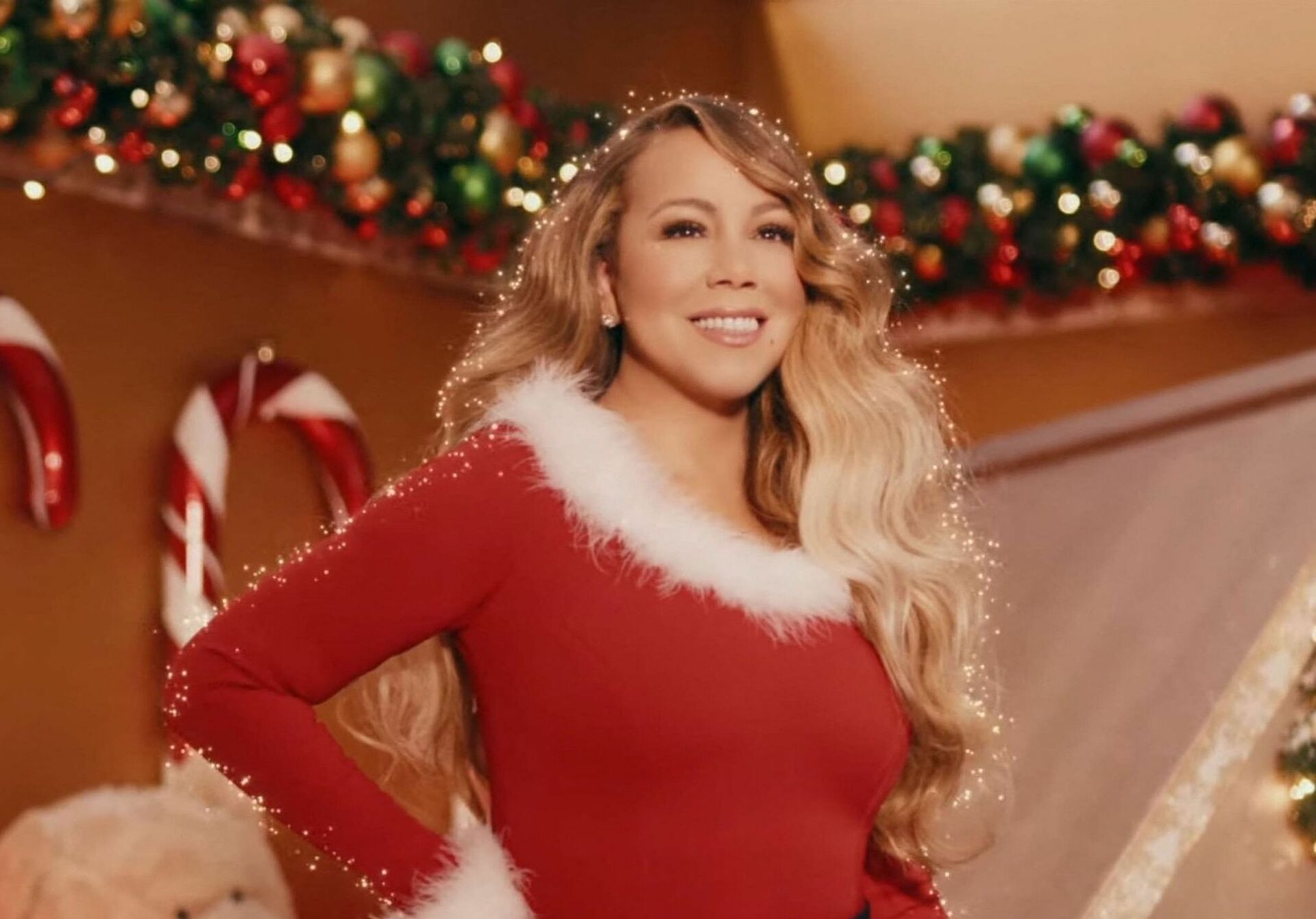
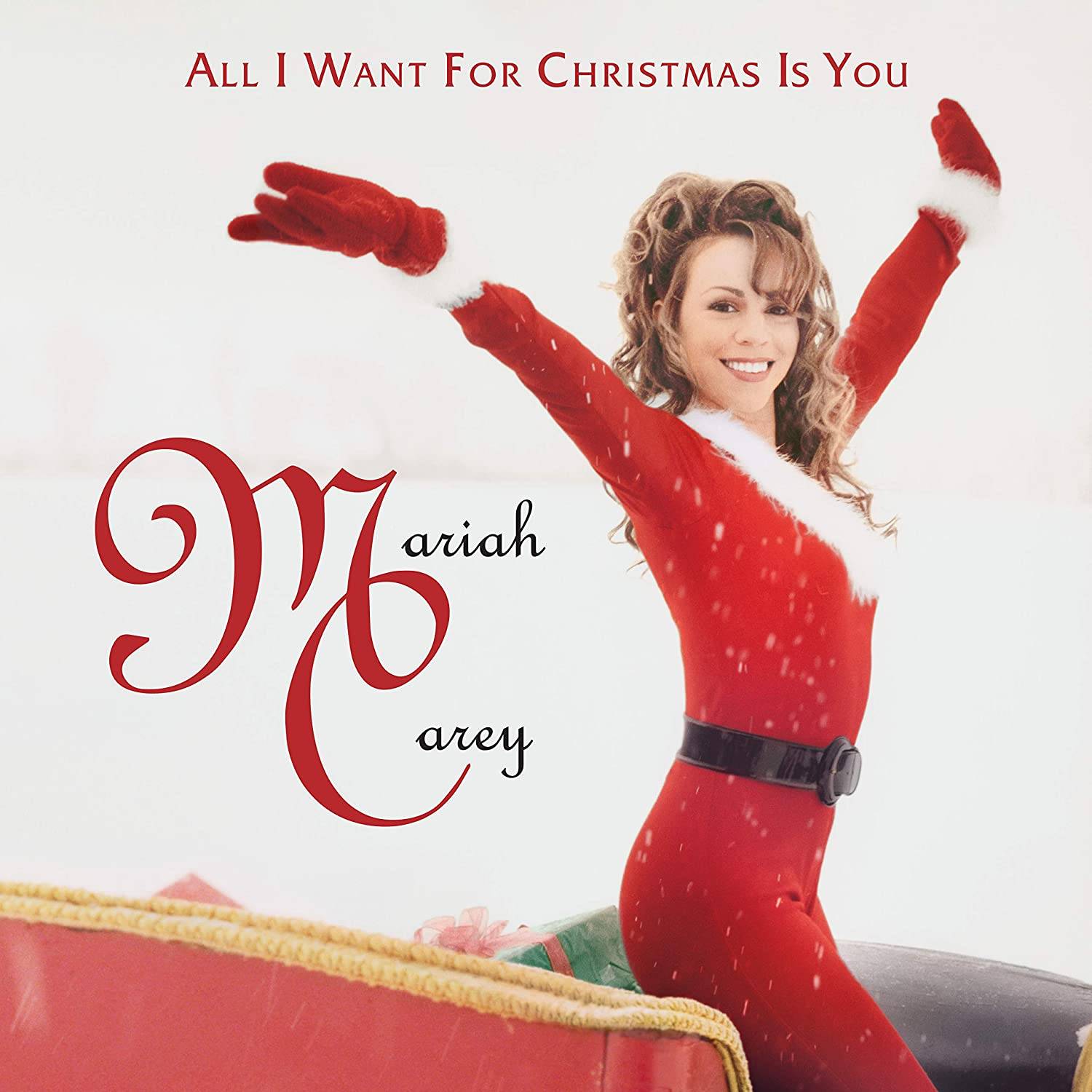
As of 2026, Mariah Carey earns an estimated $2.5 million to $4.5 million annually in royalties from "All I Want for Christmas Is You." This revenue is generated through a combination of streaming mechanicals, public performance royalties, and synchronization licenses for film and television. Total lifetime earnings for the song now exceed $85 million.
The enduring success of "All I Want for Christmas Is You," originally released in 1994, has transformed the track from a simple holiday single into one of the most valuable assets in the history of the music industry. By 2026, the song has maintained its position as a seasonal juggernaut, consistently returning to the top of the global charts every November. To understand the scale of these royalties, one must look at the complex web of intellectual property rights, the evolution of digital consumption, and the specific contractual splits between the artist, her co-writer, and the record label.
The Architecture of Music Royalties
To calculate the earnings from a song of this magnitude, we must first distinguish between the two primary types of music copyrights. Every recorded song carries two distinct protections: the composition (the lyrics and underlying melody) and the master recording (the specific audio file or performance).
The Composition (Publishing) Rights
The publishing rights for "All I Want for Christmas Is You" are credited to Mariah Carey and her former collaborator, Walter Afanasieff. In the music industry, publishing royalties are typically split 50/50 between the songwriters, though the specific administrative deals with publishing houses can alter the final take-home pay. Because Carey wrote the lyrics and contributed significantly to the melody, she retains a massive share of the "writer's side" of the royalties. These are collected by Performance Rights Organizations (PROs) like ASCAP or BMI and paid out whenever the song is broadcast or performed in public.
The Master Recording Rights
The master rights belong to the entity that financed and organized the recording session—in this case, Sony Music (under the Columbia Records label). Mariah Carey, as the featured performer, receives a percentage of the revenue generated by this master recording. Traditionally, for an artist of Carey's stature, this royalty rate can range from 20% to 50% of the net receipts, depending on her contract renewals over the last three decades. In 2026, with the shift toward artist-centric models, these percentages remain the backbone of her annual holiday "bonus."
Breaking Down Revenue Streams in 2026
The "All I Want for Christmas Is You" economy is not a monolithic block of cash; it is a diversified portfolio of income streams that activate every holiday season.
Streaming Royalties: The Digital Powerhouse
Streaming is currently the dominant source of income for the track. On platforms like Spotify and Apple Music, the song regularly surpasses one billion cumulative streams during the fourth quarter of the year. While the "per-stream" rate remains low—averaging between $0.003 and $0.005—the sheer volume of plays creates a massive payout.
If the song generates 1.2 billion streams globally during the 2025–2026 holiday window, the gross revenue from streaming alone would be approximately $4.8 million. After the label takes its share of the master recording revenue and the publishers take their cut of the mechanical royalties, Carey’s personal share from streaming typically lands between $1.2 million and $1.8 million annually.
Synchronization (Sync) Licensing
Sync licensing refers to the fee paid by movie studios, television networks, and advertising agencies to use the song in their visual media. This is often the most lucrative single-event payout. "All I Want for Christmas Is You" has been featured in major films like Love Actually and countless seasonal commercials for brands ranging from Walkers Crisps to Amazon.
A single high-profile global ad campaign can command a sync fee of $250,000 to $500,000. Because this requires permission for both the composition and the master, Carey (as a writer) and Sony (as the label) must both sign off, resulting in a significant payday for all involved.
Public Performance and Terrestrial Radio
Despite the rise of digital media, traditional radio remains a staple of the holiday season. In the United States, radio stations pay performance royalties to songwriters and publishers (but notably not to performers for terrestrial broadcast). Because Carey is a co-writer, she receives a check every time a station in New York, London, or Tokyo plays the track. In 2026, it is estimated that the song receives over 30,000 spins on U.S. radio alone during December, contributing hundreds of thousands of dollars to the publishing pool.
The Authorship Split: Carey vs. Afanasieff
A common point of industry discussion is the split between Mariah Carey and Walter Afanasieff. While the two co-wrote the song in 1994, their professional relationship ended years ago. Afanasieff has stated in interviews that the royalties are split 50/50 on the publishing side.
However, Carey’s total earnings significantly outpace Afanasieff’s for two reasons:
- Artist Royalties: As the performer of the track, Carey earns the artist's share of the master recording revenue, which Afanasieff does not receive.
- Brand Value: Carey has successfully trademarked her association with Christmas (even if specific legal titles like "Queen of Christmas" faced trademark office hurdles), allowing her to earn from merchandise, TV specials, and live "Christmas Clinic" residencies that leverage the song's popularity.
Historical Revenue Growth and Projections
To understand where the "All I Want for Christmas" royalties are headed, it is helpful to compare the estimated earnings over the last decade. As streaming penetration has increased globally, the song's earning potential has scaled linearly.
| Year Period | Estimated Annual Revenue (Gross) | Primary Driver |
|---|---|---|
| 1994–2005 | $500,000 – $750,000 | Physical Singles & Radio |
| 2006–2015 | $1.0M – $1.5M | Digital Downloads (iTunes) & Sync |
| 2016–2022 | $2.0M – $3.5M | Early Streaming Dominance |
| 2023–2026 | $4.0M – $6.5M | Global Streaming & Social Media (TikTok/Reels) |
Note: Figures represent gross industry revenue before distribution to labels, publishers, and writers.
The "TikTok Effect" and Social Media Royalties
By 2026, social media platforms have become essential to the song’s royalty ecosystem. Short-form video platforms like TikTok and Instagram Reels use "All I Want for Christmas Is You" as a standard audio backdrop for holiday content. While these platforms pay a different, often lower, royalty rate than dedicated streaming services, the "viral" nature of the song ensures it remains in the public consciousness.
These platforms operate on "micro-licensing" agreements. Every time a user creates a video with the song, a small fraction of a cent is generated. When multiplied by millions of user-generated videos, this creates a supplemental revenue stream that didn't exist when the song was first released. Furthermore, social media virality drives users back to Spotify and Apple Music, creating a "feedback loop" that inflates the primary streaming numbers.
Comparison with Other Holiday Classics
While many holiday songs generate significant income, Carey’s hit is unique because it is a "modern" standard. Unlike older songs like "White Christmas" (Irving Berlin), which have been covered by hundreds of artists, Carey's version is the definitive version.
- "Last Christmas" (Wham!): This is the closest competitor in terms of annual streaming. However, because George Michael was the sole writer, the publishing royalties are not split with a co-writer, though they now go to his estate.
- "White Christmas": While it has sold more "units" historically, the revenue is spread across thousands of different recordings (Bing Crosby, Michael Bublé, etc.). Carey’s revenue is concentrated because her specific recording is the one consumers demand.
Legal and Administrative Costs
It is important to note that the "take-home" pay for Mariah Carey is less than the gross royalty figures reported in the media. From her earnings, several deductions are made:
- Management Fees: Typically 15–20% of gross earnings.
- Legal Fees: Ongoing costs for protecting the copyright and managing sync licenses.
- Administration Fees: Music publishers usually take 10–25% of the publishing share to handle the global collection of royalties.
- Taxes: As a high-income earner, Carey is subject to top-tier federal and state tax rates on her royalty income.
Even after these deductions, the song remains one of the most profitable individual assets in entertainment history, often referred to in the industry as a "perpetual annuity."
Frequently Asked Questions
Does Mariah Carey own the masters to "All I Want for Christmas Is You"?
As of 2026, the master recordings are owned by Sony Music. While many veteran artists have attempted to buy back their masters or have benefited from "reversion" clauses in the Copyright Act, Sony continues to hold the rights to the 1994 Merry Christmas album. Carey receives a significant percentage of the revenue as the featured artist, but she does not own the recording outright.
How much does Walter Afanasieff make from the song?
Walter Afanasieff, the song’s co-writer and co-producer, is estimated to earn between $600,000 and $1 million annually. His income is derived primarily from the publishing side (the composition) rather than the artist's share of the master recording. Despite the public rift between him and Carey, he remains a beneficiary of the song's massive success.
Why does the song make more money now than in the 90s?
The shift from a "purchase" model (buying a CD once) to an "access" model (streaming the song every time you want to hear it) has fundamentally changed the math. In the 90s, a fan might buy the single once for $5. Now, that same fan might stream the song 50 times every December for decades, generating micro-payments that eventually exceed the original purchase price.
Does the song earn money if someone performs a cover of it?
Yes. Whenever another artist (such as Michael Bublé or Ariana Grande) records a cover of "All I Want for Christmas Is You," Mariah Carey and Walter Afanasieff earn mechanical royalties as the songwriters. Additionally, if those covers are played on the radio or in public spaces, the original writers earn performance royalties.
How many times has "All I Want for Christmas Is You" hit Number 1?
The song has reached Number 1 on the Billboard Hot 100 every year since 2019. This unprecedented run is a primary driver of its royalty growth, as the "Number 1" status increases its visibility in curated playlists and radio programming, further boosting its earning potential.
Strategic Recommendation for Rights Holders
For those analyzing the financial trajectory of "All I Want for Christmas Is You" in 2026, the primary focus should be on territorial expansion. While the song is a dominant force in North America and Europe, the growth of streaming in markets like Southeast Asia and Latin America provides a new frontier for royalty accumulation. Maintaining the "prestige" of the track by being selective with sync licensing—ensuring it isn't overexposed to the point of "listener fatigue"—will be essential for preserving its multi-million dollar annual yield for the next several decades.