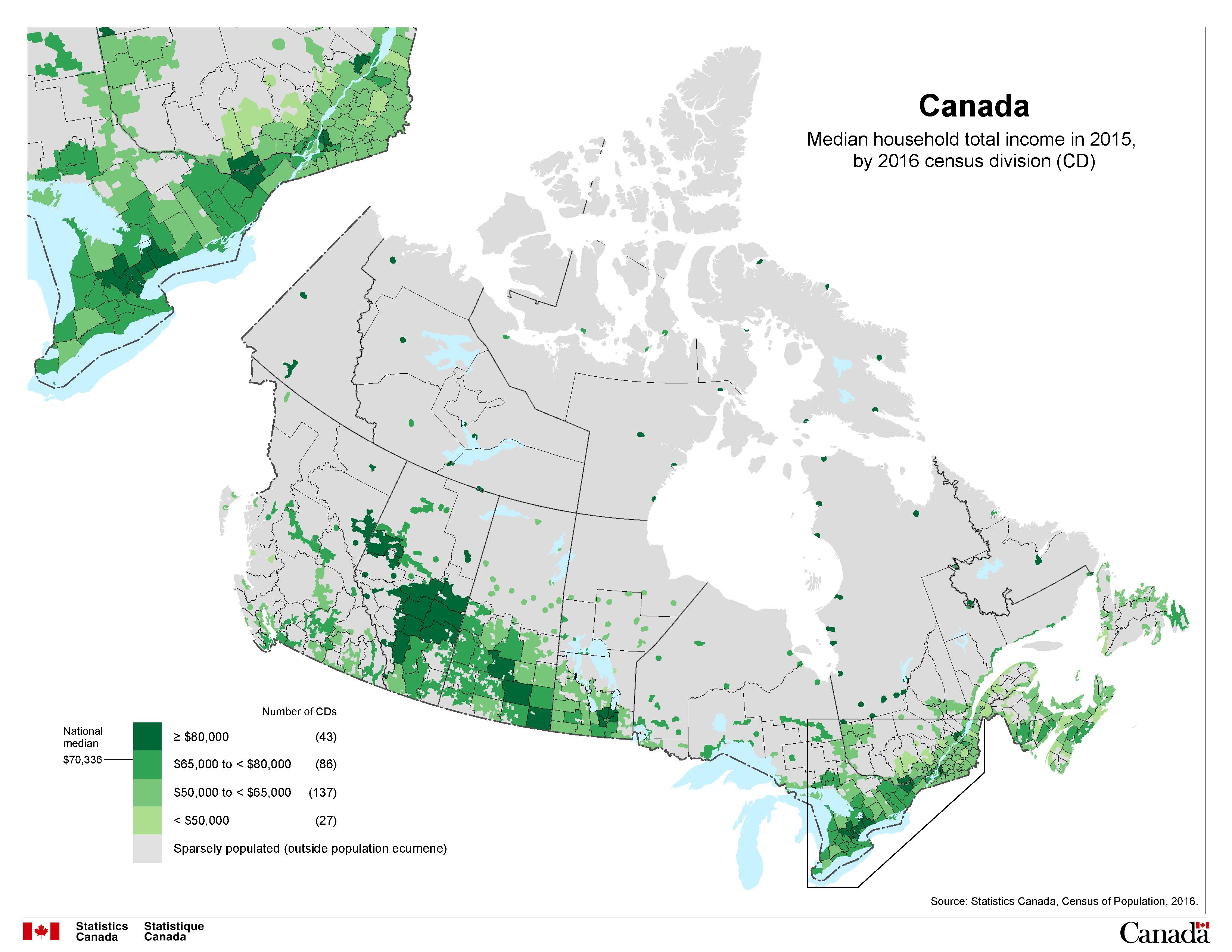
Alberta remains Canada’s wealthiest province when measured by primary economic indicators such as Gross Domestic Product (GDP) per capita, median household income, and investment per person. This status is anchored by its intensive natural resource sector, a highly skilled workforce, and a unique tax structure that excludes a provincial sales tax, boosting internal purchasing power.
Defining Economic Wealth in the Canadian Context
To determine if Alberta is the "richest" province, one must first establish the metrics of wealth. In macroeconomic terms, wealth is often conflated with income and production. While "wealth" technically refers to the total value of assets held by residents (net worth), most public discourse regarding the richest province focuses on GDP per capita—the total economic output divided by the population—and median household income.
As of 2026, Alberta continues to lead the ten provinces in these categories. While the Canadian territories (specifically the Northwest Territories) often boast higher GDP per capita due to massive diamond and mineral extraction relative to a tiny population, Alberta maintains the highest standard among the provinces. The distinction is important because provincial infrastructure, tax bases, and diversified industries offer a different scale of economic stability than the territory-based extraction models.
The "richness" of Alberta is not merely a reflection of the money flowing through the province but also the fiscal capacity of the government. Alberta’s ability to generate revenue without a provincial sales tax (PST) while maintaining competitive public services is a hallmark of its economic standing. However, this wealth is often subject to the volatility of global commodity prices, leading to "boom and bust" cycles that define the provincial experience.
The Role of GDP per Capita and Industrial Productivity
GDP per capita is the most common yardstick for regional wealth. It measures the value of all goods and services produced within a region's borders. Alberta’s GDP per capita has historically been significantly higher than the Canadian average, often exceeding the national figure by 30% to 50%.
Natural Resource Dominance
The primary driver of this high productivity is the energy sector. Alberta sits atop the world's third-largest proven oil reserves, primarily located in the oil sands. The capital-intensive nature of oil and gas extraction means that for every hour worked, an Alberta employee generates more market value than an employee in service-based or manufacturing-based economies like those in Ontario or Quebec. In 2026, even as the global economy transitions toward greener energy, Alberta's role in providing reliable transition fuels and the development of carbon capture and storage (CCS) technology has maintained high levels of capital investment.
Agriculture and Innovation
Beyond oil, Alberta is a powerhouse in the Canadian agricultural sector. The province manages approximately one-third of Canada’s total farm area. In recent years leading up to 2026, the integration of ag-tech—autonomous farming equipment and precision data analytics—has further increased the "wealth" produced per acre. This diversification into high-tech agriculture and renewable energy projects (wind and solar) has begun to buffer the province against the traditional volatility of crude oil prices.
Household Income and the "Alberta Advantage"
For the average citizen, provincial wealth is felt through the paycheck. Statistics Canada data consistently shows that Albertans have the highest median after-tax household incomes in the country. This is the result of a combination of high-paying industrial jobs and a competitive labor market across all sectors, including healthcare, education, and construction.
Higher Wages Across the Board
The high wages in the energy sector create a "lift" effect for other industries. To compete for labor, retail, hospitality, and professional services must offer higher base wages than their counterparts in Atlantic Canada or Quebec. This results in a higher "floor" for earners. Even in 2026, after years of national inflation, the purchasing power of an Albertan salary remains higher than in Toronto or Vancouver when adjusted for the local cost of living.
The Tax Factor
Alberta’s tax regime is a critical component of its wealth profile. It remains the only province without a Provincial Sales Tax (PST). For a household spending $50,000 a year on taxable goods and services, the absence of a 7% or 8% PST (common in other provinces) results in thousands of dollars in annual savings. Furthermore, while the province moved away from a "flat tax" years ago to a progressive system, its top marginal rates and personal exemptions remain among the most competitive in North America.
| Economic Metric (Est. 2026) | Alberta | Ontario | British Columbia | Quebec |
|---|---|---|---|---|
| GDP Per Capita | ~$92,000 | ~$67,000 | ~$64,000 | ~$58,000 |
| Provincial Sales Tax | 0% | 8% (Part of HST) | 7% | 9.975% |
| Median After-Tax Income | Highest | Second | Third | Fourth |
| Housing Affordability Index | Moderate | Low | Very Low | Moderate |
| Debt-to-GDP Ratio | Lowest | High | Moderate | High |
Cost of Living vs. Nominal Wealth
A province can be "rich" in terms of production, but if the cost of living consumes all income, the residents may not feel wealthy. This is the primary challenge facing provinces like British Columbia and Ontario. In Alberta, the relationship between income and housing has historically been more favorable.
The Housing Market in 2026
While Calgary and Edmonton saw significant price appreciation between 2021 and 2025 due to interprovincial migration, they remain substantially more affordable than the Greater Toronto Area (GTA) or the Lower Mainland of BC. In 2026, a median household income in Calgary can still realistically afford a detached home—a feat that has become nearly impossible for the median earner in Vancouver. This "disposable income" gap is what truly solidifies Alberta's status as the richest province for the individual.
Hidden Costs: Insurance and Utilities
It is important to note that Alberta is not the cheapest province in every category. The province has some of the highest electricity and natural gas delivery rates in Canada due to its deregulated market. Additionally, high rates of natural disasters (hail, wildfires, and floods) have led to elevated home and auto insurance premiums. When analyzing whether Alberta is the richest, these "leakages" of household wealth must be accounted for against the lack of PST.
The Fiscal Health of the Provincial Government
A province’s wealth is also measured by its balance sheet. Alberta’s fiscal position in 2026 is characterized by a low debt-to-GDP ratio compared to its peers. For decades, the province was debt-free, though it began borrowing during the mid-2010s downturn.
The Heritage Savings Trust Fund
The Alberta Heritage Savings Trust Fund is a key indicator of provincial wealth. Established in the 1970s to save a portion of non-renewable resource revenue, the fund serves as a "rainy day" reserve and an investment vehicle for future generations. While it has not grown as aggressively as sovereign wealth funds in places like Norway, its existence provides a fiscal cushion that other provinces lack. In 2026, debates continue regarding how much oil royalty revenue should be funneled back into this fund versus being spent on current infrastructure.
Equalization and Federal Contributions
Alberta’s wealth often puts it at the center of the Equalization Program debate in Canada. Because the province has a high "fiscal capacity" (the ability to raise revenue), it does not receive equalization payments. Instead, the federal taxes paid by Albertans contribute significantly to the payments sent to "have-not" provinces. This net contribution to the Canadian federation is a clear sign of Alberta's position as the economic engine of the country.
Challenges to Alberta’s Wealth Status
No economic lead is permanent. Several factors could challenge Alberta’s position as the richest province as we move toward the 2030s.
- Global Energy Transition: As the world moves toward net-zero emissions, the demand for heavy crude—Alberta’s primary export—could face long-term declines. The province’s wealth is heavily tied to the ability of the oil sands to decarbonize production.
- Labor Shortages: Despite high wages, Alberta faces a shortage of skilled trades and healthcare professionals. An aging population means the province must continue to attract young, productive workers from other provinces and abroad to maintain its GDP growth.
- Climate Risk: The economic cost of environmental disasters is rising. Wildfires and droughts impact both the energy and agricultural sectors, requiring significant provincial spending on mitigation and disaster relief.
Frequently Asked Questions
Is Alberta's wealth only based on oil?
While oil and gas are the largest contributors to the province's GDP, Alberta has a significant agricultural sector, a growing technology hub in Calgary, and a robust manufacturing base in Edmonton. In 2026, diversification into renewable energy and aviation has further broadened the economic base, though energy remains the most influential factor in its "richest" status.
How does Alberta’s cost of living compare to Ontario?
Generally, Alberta offers a higher standard of living when income is weighed against expenses. While utilities and insurance can be higher in Alberta, the lack of a provincial sales tax and significantly lower housing costs compared to the GTA make Alberta more "affordable" for the average family.
Does Alberta have the highest taxes in Canada?
No, Alberta has the lowest overall tax burden in Canada. It has no provincial sales tax, no payroll tax, and no health premium. Its personal income tax system is highly competitive, particularly for middle and high-income earners.
Why is the GDP per capita so high in Alberta?
The GDP per capita is high because the industries that dominate Alberta’s economy—specifically energy and mining—are "capital intensive." This means they use a lot of machinery and technology to produce a high value of output with relatively few workers compared to the service industry.
What is the "Alberta Advantage"?
The "Alberta Advantage" is a term used to describe the combination of high wages, low taxes, and a high quality of life that makes the province an attractive place for businesses and individuals to relocate. In 2026, this is increasingly defined by housing affordability relative to the rest of Canada.
Strategic Recommendations for Residents and Investors
For those looking to capitalize on Alberta’s status as the richest province, a focus on sector-specific investment is key. The province is currently in a transition phase; while traditional energy remains a bedrock, the 2026 economy is heavily rewarding those in the clean-tech and logistics sectors.
For individuals considering a move to Alberta, it is vital to look beyond the "sticker price" of high wages. Evaluate the specific costs of utilities and insurance in your target city (Calgary, Edmonton, or Red Deer) and compare them against the PST savings you would gain. For most, the "Alberta Advantage" remains a mathematical reality in 2026, offering a higher net-wealth accumulation over time than any other Canadian province.