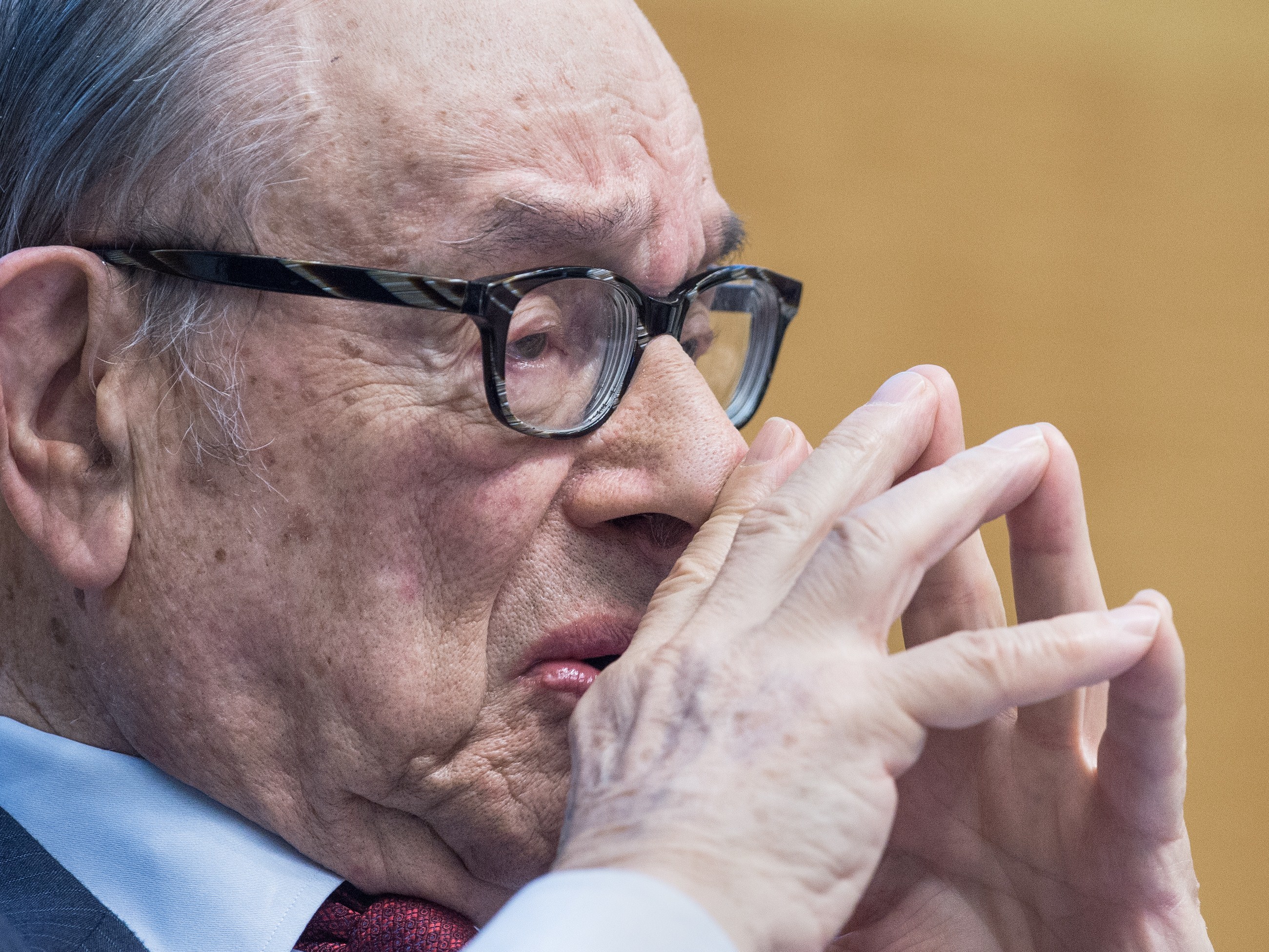
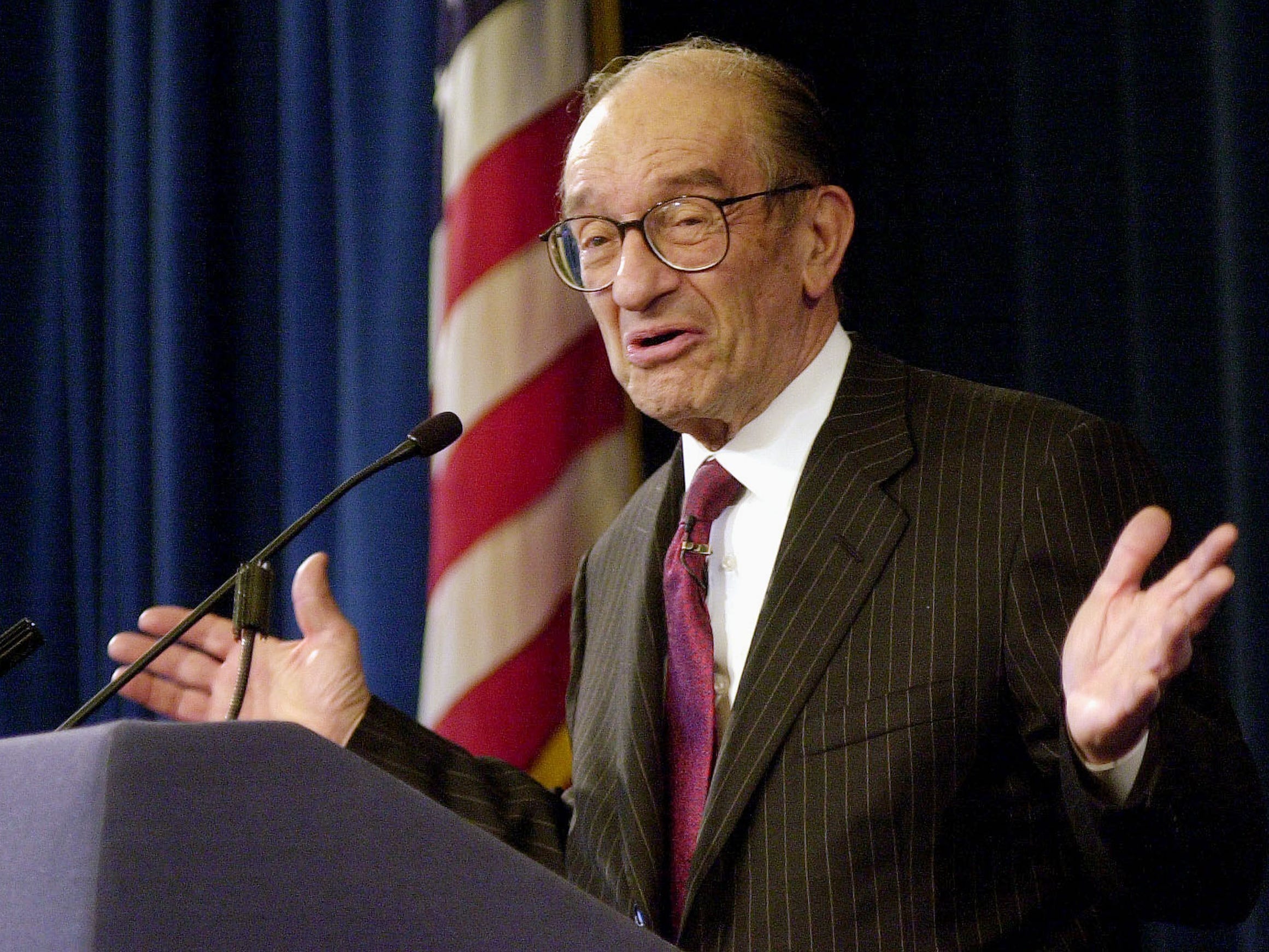
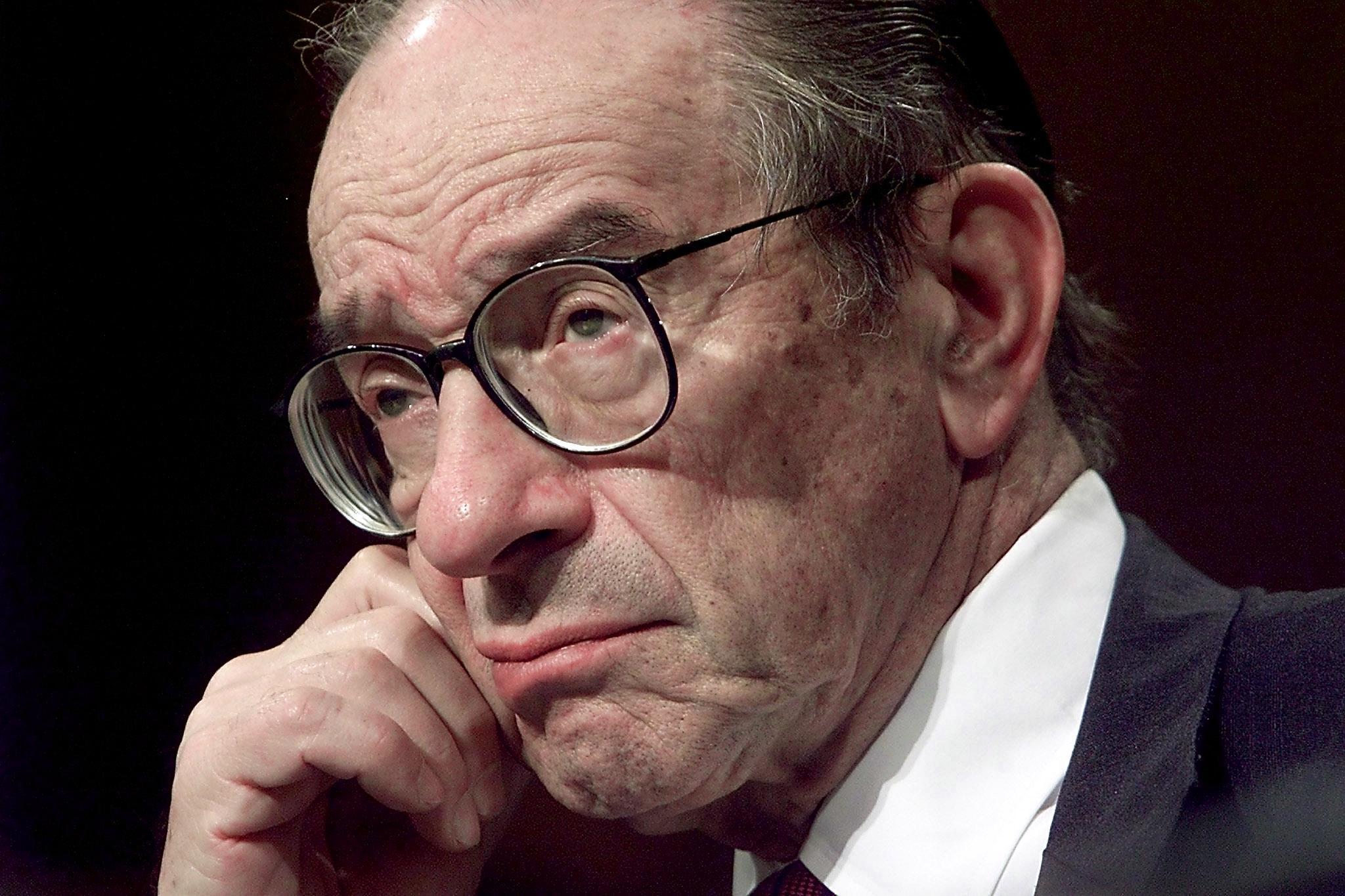
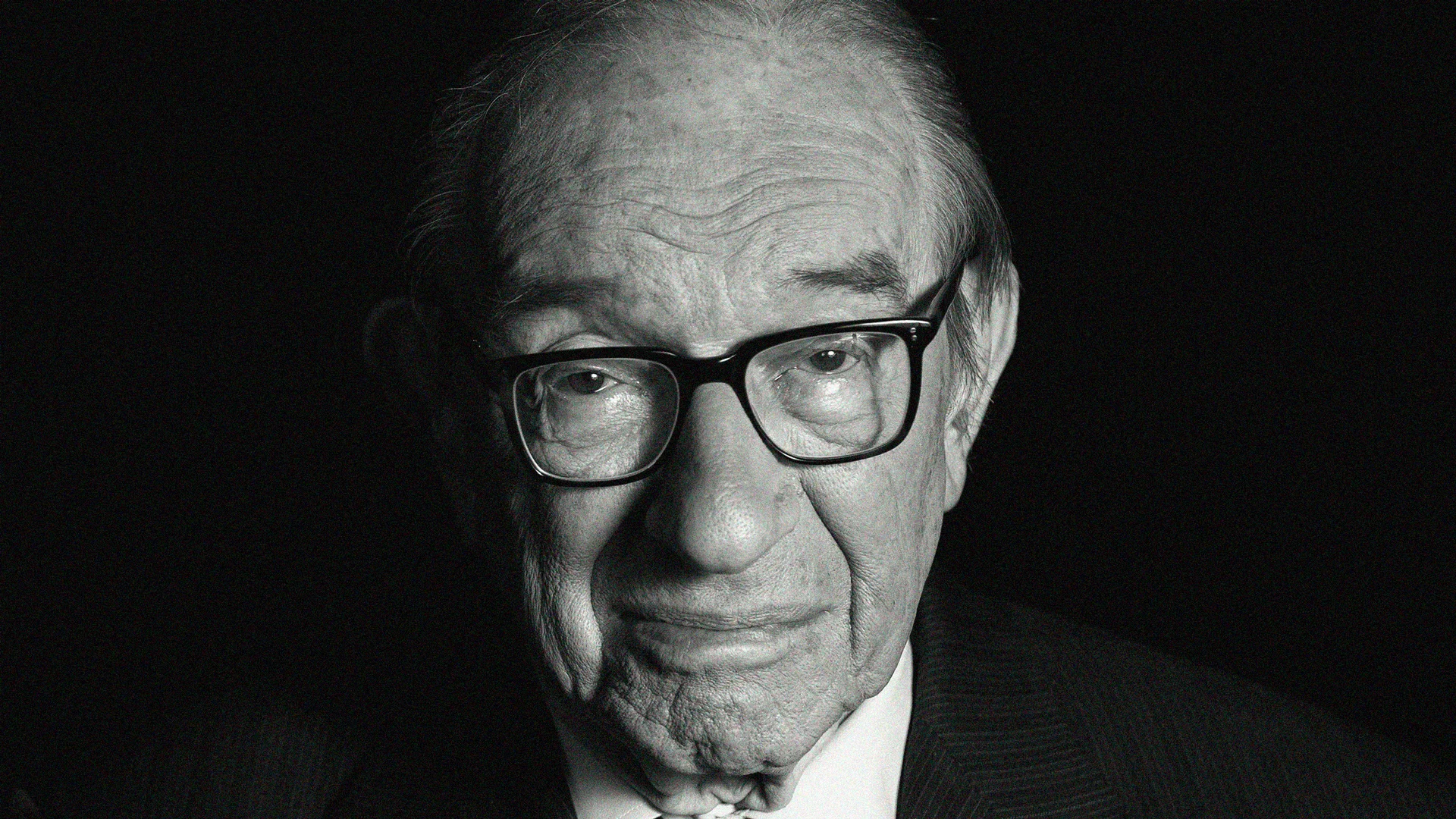
As of 2026, Alan Greenspan is 100 years old. Born on March 6, 1926, in New York City, Greenspan reached this rare centenarian milestone in the spring of this year. His life spans a full century of American history, during which he became one of the most influential economic architects of the modern era, most notably serving as the Chairman of the Federal Reserve for over 18 years.
The Early Years and Formative Influences
To understand the longevity and impact of Alan Greenspan, one must look back to his origins in the Washington Heights neighborhood of Manhattan. Born to Herbert Greenspan and Rose Goldsmith, Alan grew up in a household that valued intellectual pursuit, though his early interests were divided between numbers and notes.
Musical Foundations and the Shift to Economics
Before he was an economist, Greenspan was a talented musician. He attended the Juilliard School, where he studied clarinet and saxophone. During the mid-1940s, he even toured as a professional musician with the Henry Jerome orchestra. It was during these tours that he reportedly spent his downtime reading economic textbooks, a harbinger of the career shift that would follow.
Eventually, Greenspan realized that while he was a competent musician, his true "comparative advantage" lay in mathematics and data analysis. He enrolled at New York University (NYU), earning a B.S. in economics in 1948 and an M.A. in 1950. He later completed his Ph.D. at NYU in 1977, though by that time, his practical experience in the field already surpassed that of most academics.
The Influence of Ayn Rand and Objectivism
In the 1950s, Greenspan’s intellectual trajectory was profoundly altered by his introduction to the philosopher and novelist Ayn Rand. He became a member of her inner circle, often referred to as "The Collective." This period was instrumental in shaping his lifelong advocacy for free-market capitalism, the gold standard (in his early writings), and a skepticism of government intervention. These philosophical roots remained a constant thread throughout his career, even as he navigated the pragmatic world of central banking.
The Private Sector and the Move to Washington
Before his tenure at the Federal Reserve, Greenspan built a reputation as a formidable private-sector economist. In 1953, he co-founded the economic consulting firm Townsend-Greenspan & Co. He served as its president for decades, providing high-level analysis to major corporations and institutional investors.
Entering the Political Sphere
Greenspan’s first significant foray into government occurred during the Nixon administration, but his most prominent early role was under President Gerald Ford. From 1944 to 1977, he served as the Chairman of the Council of Economic Advisers (CEA). During this time, he was tasked with combating the "stagflation" (high inflation paired with stagnant growth) that plagued the 1970s. His performance in this role established him as a serious, data-driven policymaker who could navigate the political pressures of Washington.
The Federal Reserve Era (1987–2006)
In August 1987, President Ronald Reagan appointed Alan Greenspan as the Chairman of the Federal Reserve, succeeding Paul Volcker. Little did the public know that this would begin a nearly two-decade-long era that would redefine the role of the central bank.
Crisis Management: Black Monday
Only two months into his tenure, Greenspan faced his first major test: the stock market crash of October 19, 1987, known as Black Monday. The Dow Jones Industrial Average plummeted by over 22% in a single day. Greenspan’s immediate response—asserting the Fed’s readiness to provide liquidity to the financial system—was credited with preventing a full-scale depression and established his reputation as a "crisis manager."
The "Maestro" and the Great Moderation
The 1990s were the height of Greenspan’s influence. Under his guidance, the U.S. experienced one of its longest periods of economic expansion. He was often referred to as "The Maestro" for his perceived ability to fine-tune the economy by making incremental adjustments to the federal funds rate.
Key hallmarks of this era included:
- Technological Optimism: Greenspan was one of the first major economists to recognize that the surge in productivity in the late 1990s was driven by information technology, allowing the economy to grow faster without triggering inflation.
- The "Greenspan Put": This term was coined by investors who believed that the Fed would always lower interest rates to support the markets in the event of a significant decline, effectively providing a "safety net" for equity investors.
- Irrational Exuberance: In a famous 1996 speech, Greenspan questioned whether the stock market was experiencing "irrational exuberance," a warning that proved prescient when the dot-com bubble eventually burst in 2000.
Analyzing the Greenspan Legacy at 100
Reaching age 100 in 2026 provides a unique vantage point from which to evaluate Greenspan's long-term impact. While he was celebrated during his tenure, the years following his retirement in 2006 brought significant scrutiny, particularly following the 2008 Global Financial Crisis.
The Deregulation Debate
One of the primary criticisms of Greenspan’s career centers on his stance on financial deregulation. He consistently argued that financial institutions were capable of self-regulation and that complex derivatives did not pose a systemic risk. In 2008, during testimony before the House Oversight Committee, Greenspan admitted he had found a "flaw" in his free-market ideology, stating that he had over-estimated the ability of self-interest to protect the integrity of the banking system.
Longevity in Office vs. Longevity in Life
Greenspan served under four different U.S. Presidents: Reagan, George H.W. Bush, Clinton, and George W. Bush. His ability to maintain bipartisan support for nearly 19 years is a feat rarely seen in modern politics. Even at 100, his era remains the benchmark against which modern Fed Chairs, such as Jerome Powell, are often measured.
Comparative Overview: Federal Reserve Chair Tenures
The following table contextualizes Alan Greenspan's tenure and age relative to other prominent leaders of the Federal Reserve.
| Federal Reserve Chair | Tenure Years | Total Duration | Age at Retirement |
|---|---|---|---|
| Alan Greenspan | 1987–2006 | 18 Years, 5 Months | 79 |
| William McChesney Martin Jr. | 1951–1970 | 18 Years, 9 Months | 63 |
| Paul Volcker | 1979–1987 | 8 Years | 59 |
| Ben Bernanke | 2006–2014 | 8 Years | 60 |
| Janet Yellen | 2014–2018 | 4 Years | 71 |
| Jerome Powell | 2018–Present | N/A | N/A |
Note: Alan Greenspan remains the second-longest-serving Chair in the history of the Federal Reserve, narrowly trailing William McChesney Martin Jr.
Life After the Federal Reserve
Since stepping down in 2006 at the age of 79, Greenspan has remained active in the public eye, continuing to write and consult well into his 90s and 100th year.
Publications and Thought Leadership
Greenspan authored several significant books post-retirement, including:
- The Age of Turbulence (2007): A memoir and an exploration of the global economic landscape.
- The Map and the Territory (2013): An attempt to update his economic models following the 2008 crisis, incorporating elements of behavioral economics.
- Capitalism in America: A History (2018): Co-authored with Adrian Wooldridge, this work provides a sweeping narrative of the U.S. economy's evolution.
Personal Life and Health
Greenspan has been married to Andrea Mitchell, the veteran NBC News Chief Foreign Affairs Correspondent, since 1997. Their marriage has long been considered a "power couple" pairing in Washington D.C. His longevity is often attributed by those close to him to a lifelong habit of intellectual rigor, a disciplined diet, and an enduring passion for data analysis that kept his mind sharp long after leaving public office.
Frequently Asked Questions
When was Alan Greenspan born?
Alan Greenspan was born on March 6, 1926. He was born in New York City and spent his formative years in Manhattan, which shaped his early interest in both the arts and the financial world.
Who is Alan Greenspan’s wife?
Alan Greenspan is married to Andrea Mitchell. They were married in 1997 in a ceremony officiated by Supreme Court Justice Ruth Bader Ginsburg. Mitchell is a highly respected journalist who has covered the State Department and the White House for decades.
How long did Alan Greenspan serve as Fed Chair?
He served for 18 years and approximately 173 days. His tenure began on August 11, 1987, and concluded on January 31, 2006. He is one of only two people to serve more than 18 years in that capacity.
What is Alan Greenspan’s net worth?
While exact figures are private, various financial disclosures over the years and his career as a high-level consultant and author suggest a net worth in the range of $10 million to $20 million. His primary wealth was generated through his successful consulting firm, Townsend-Greenspan & Co., prior to entering public service, as well as significant book advances post-retirement.
Did Alan Greenspan play an instrument?
Yes, Greenspan was a professional-level clarinet and saxophone player. He attended the Juilliard School and toured with a big band before deciding to pursue a career in economics. He has occasionally commented that the improvisational nature of jazz helped him understand the complexities of economic markets.
What was the "flaw" Alan Greenspan famously mentioned?
In 2008, Greenspan testified that he had found a "flaw" in his model of how the world works. He specifically referred to his belief that free markets and the self-interest of lending institutions would automatically protect shareholders' equity. The subprime mortgage crisis proved that this self-correcting mechanism was not as robust as he had previously theorized.
Final Perspective: A Century of Economic History
Reaching the age of 100 is a significant personal milestone, but for Alan Greenspan, it also serves as a symbol of an era. To look at "Alan Greenspan's age" is to look at the history of the 20th and early 21st centuries. He lived through the Great Depression as a child, the post-WWII boom as a young man, the stagflation of the 70s as a rising advisor, and the dawn of the digital age as the most powerful central banker in the world.
Whether one views his policies as the foundation of modern prosperity or the seed of future volatility, his influence is undeniable. For students of history and finance, studying Greenspan's century of life provides a comprehensive masterclass in the evolution of the American Dream and the global financial systems that support it.
Next Action for Readers: To gain a deeper understanding of the specific policies mentioned, readers are encouraged to visit the Federal Reserve's historical archives or explore Greenspan's own writings, such as The Map and the Territory, for his late-career reflections on economic forecasting.