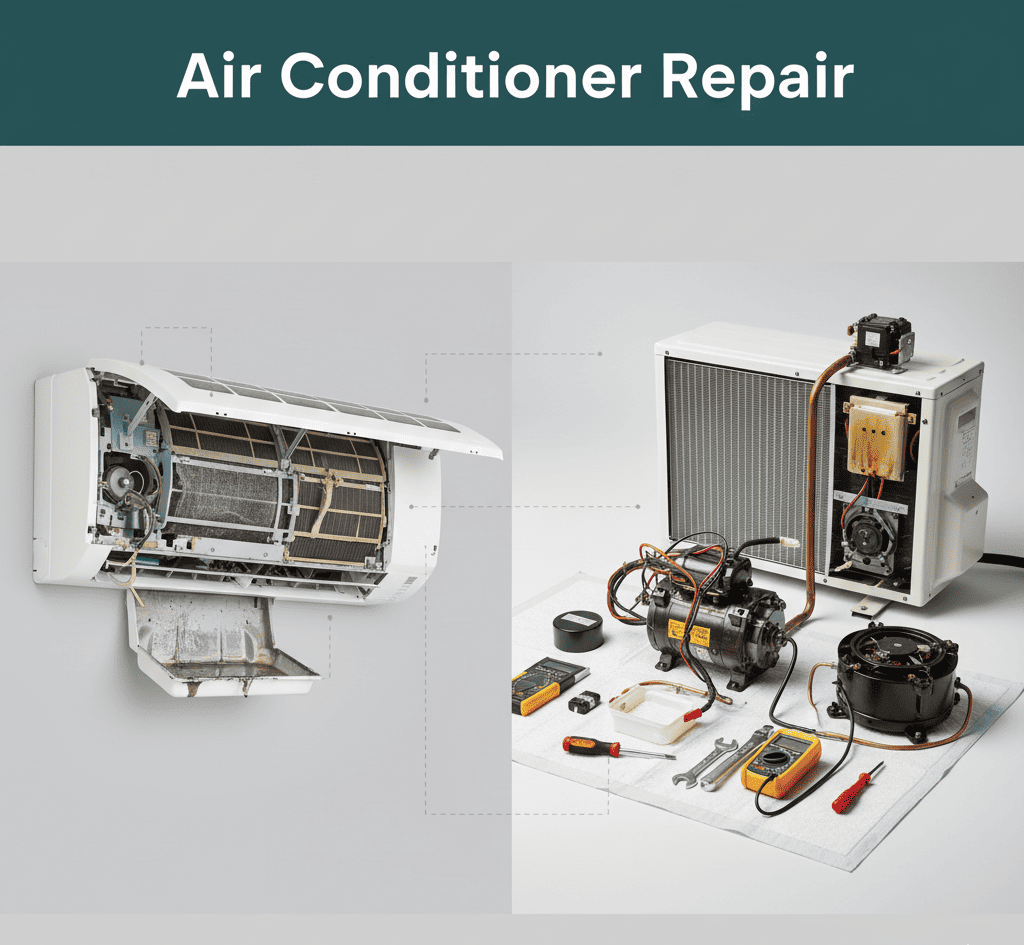
Professional air conditioning repair in Atlanta involves a diagnostic assessment by a licensed HVAC technician, typically costing between $85 and $160. Total repair expenses in 2026 range from $200 for minor electrical components to over $2,500 for major system failures. Prompt repairs are vital in Georgia’s humid climate to prevent mold growth and ensure efficient cooling performance.
In the sweltering heat of an Atlanta summer, a functional air conditioning system is not a luxury; it is a necessity for health and safety. The metropolitan area experiences high humidity levels and peak temperatures that frequently exceed 90°F from June through September. This intense environmental pressure places a significant workload on residential and commercial HVAC systems, leading to wear and tear that can cause sudden failures. Understanding the nuances of local repair services, current technical standards, and the economic landscape of home maintenance in 2026 is essential for every property owner.
Common Causes of AC Failure in the Atlanta Metro Area
Atlanta’s specific geography and climate contribute to several recurring HVAC issues. Because the city is known as the "City in a Forest," high pollen counts and debris from local foliage often clog outdoor condenser units. When the condenser coils are coated in pine straw, dust, or pollen, the system cannot effectively release heat, causing it to run longer cycles and eventually overheat the compressor.
Beyond debris, the most frequent repair calls in the Atlanta area involve:
- Clogged Condensate Drain Lines: In high-humidity environments, air conditioners pull gallons of water from the air daily. If the drain line becomes blocked by algae or "slime" buildup, the water can back up, triggering a float switch that shuts down the entire system to prevent water damage.
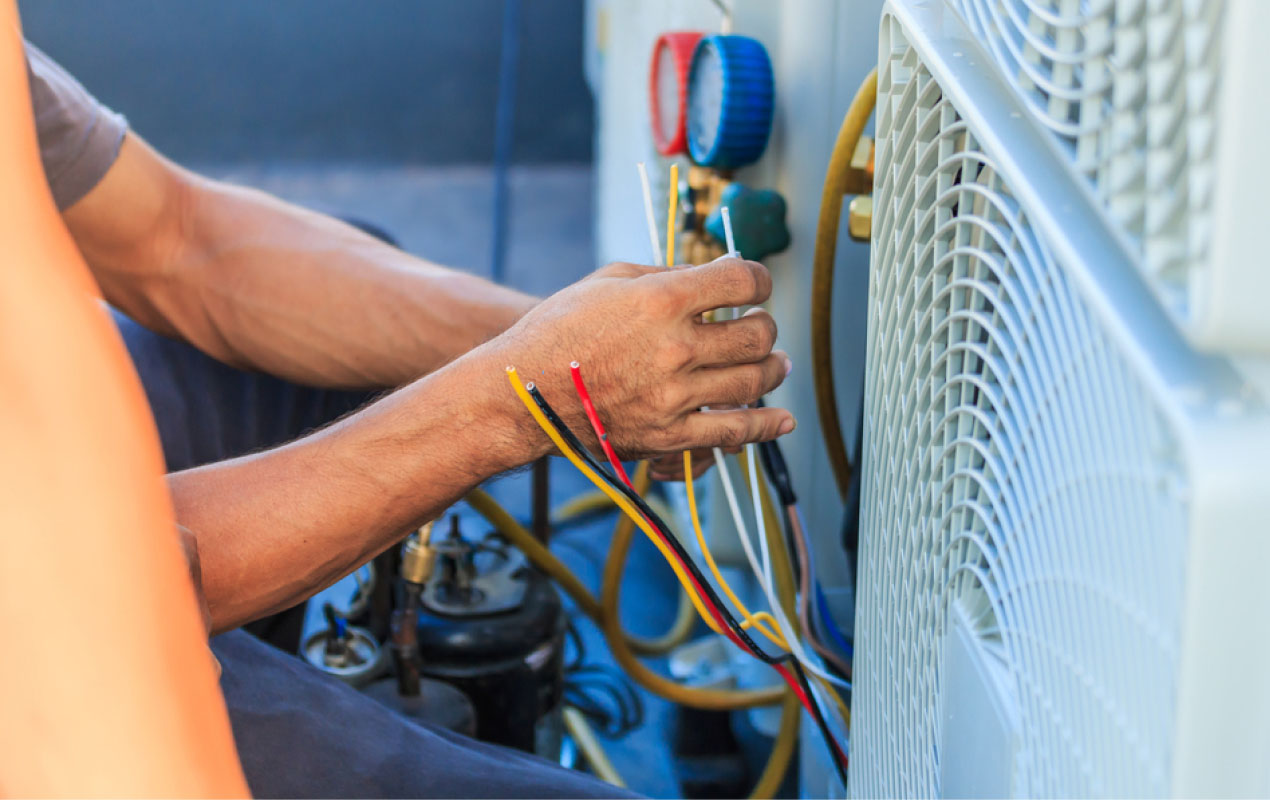
- Failed Capacitors: The extreme heat causes electrical components to degrade. A "run capacitor" provides the necessary torque to keep motors spinning; if it fails, your fans or compressor will stop working, often accompanied by a humming sound.
- Refrigerant Leaks: Older systems, particularly those installed before the 2023 efficiency mandates, may develop pinhole leaks in the evaporator coils. Low refrigerant leads to frozen coils and poor cooling.
- Electrical Surges from Summer Storms: Atlanta is prone to sudden, violent afternoon thunderstorms. Power surges can fry control boards or damage the sensitive electronics found in modern, high-efficiency variable-speed systems.
The 2026 Refrigerant Transition and Its Impact on Repairs
As of 2026, the HVAC industry has significantly transitioned away from R-410A (Puron) toward newer, low-Global Warming Potential (GWP) refrigerants such as R-454B and R-32. This shift, mandated by the EPA’s AIM Act, has direct implications for homeowners seeking repairs.
If you own an older system that uses R-22, parts are nearly non-existent, and the refrigerant itself is prohibitively expensive. For systems using R-410A, which was the standard for over a decade, repair costs have begun to rise as the supply of virgin R-410A is phased down. Technicians in 2026 must use specialized recovery equipment and follow stricter handling protocols for the newer A2L (mildly flammable) refrigerants. If your system was installed after 2024, ensure your technician is specifically certified to handle A2L refrigerants to maintain the manufacturer's warranty and ensure safety during the repair process.
Estimated Costs for AC Repair in Atlanta (2026)
Pricing for HVAC services in Atlanta reflects the regional cost of living and the specialized labor required for modern systems. While emergency "after-hours" calls will command a premium, standard repair rates have stabilized following the supply chain fluctuations of previous years.
| Repair Service | Estimated Cost Range (Parts & Labor) | Typical Time to Complete |
|---|---|---|
| Service Call / Diagnostic Fee | $85 – $160 | 30 – 60 Minutes |
| Capacitor Replacement | $180 – $350 | 1 Hour |
| Condensate Pump Replacement | $250 – $450 | 1 – 2 Hours |
| Contactor Replacement | $150 – $300 | 1 Hour |
| Evaporator Coil Repair/Clean | $600 – $1,200 | 2 – 4 Hours |
| Fan Motor Replacement | $450 – $850 | 2 – 3 Hours |
| Refrigerant Recharge (R-410A) | $200 – $600 (variable) | 1 – 2 Hours |
| Thermostat Replacement (Smart) | $250 – $550 | 1 Hour |
| Compressor Replacement | $1,800 – $3,500 | 4 – 8 Hours |
Note: Prices can vary based on your specific location within the metro area (e.g., Buckhead vs. Douglasville) and the brand of the equipment (Carrier, Trane, Lennox, etc.).
The Repair vs. Replace Decision: The "5,000 Rule"
One of the most difficult questions for an Atlanta homeowner is whether to invest in a major repair or replace the entire unit. In 2026, the SEER2 (Seasonal Energy Efficiency Ratio 2) standards are the baseline for all new equipment. If your current unit is over 10 years old, it likely operates at a much lower efficiency than modern systems.
A common industry benchmark is the $5,000 Rule: multiply the age of the unit by the cost of the repair. If the result exceeds $5,000, replacement is generally the more economical long-term choice. For example, if a 12-year-old unit requires an $800 repair (12 x 800 = 9,600), the investment is likely unwise, especially considering the potential for future component failures and the lower efficiency of the aging system.
Furthermore, Georgia offers various energy efficiency rebates and federal tax credits under the Inflation Reduction Act for high-efficiency heat pump installations, which may significantly offset the cost of a new system compared to an expensive repair.
How to Choose a Licensed HVAC Contractor in Georgia
In the state of Georgia, HVAC contractors must be licensed by the Georgia Board of Conditioned Air Contractors. This licensure ensures that the individual or company has met the minimum competency requirements to work on pressurized systems and electrical components safely.
When vetting an air conditioning repair service in Atlanta, verify the following credentials:
- State License: Request the "Conditioned Air" license number and verify it through the Georgia Secretary of State’s website.
- NATE Certification: North American Technician Excellence (NATE) is the gold standard for individual technician proficiency.
- Insurance: The company should carry both General Liability and Workers' Compensation insurance to protect you from liability during the repair.
- Local Reputation: Look for companies with established roots in communities like Alpharetta, Decatur, or Marietta. Local companies are more familiar with the specific soil conditions (impacting ground-level condensers) and neighborhood-specific power grid issues.
Troubleshooting Before You Call a Professional
Before committing to a service call fee, there are several basic checks a homeowner can perform. These simple steps often resolve "no-cool" situations without the need for a technician.
- Check the Thermostat: Ensure the batteries are fresh and the setting is on "Cool" and "Auto" rather than "Fan On." Sometimes a simple reset of the smart thermostat's software can resolve communication errors.
- Inspect the Air Filter: A heavily clogged filter restricts airflow to the point that the evaporator coil may freeze over. If you see ice on the copper lines leading to the unit, turn the system off, change the filter, and let the ice melt for several hours before trying again.
- Examine the Circuit Breaker: Check your home's main electrical panel. If the AC breaker has tripped, flip it fully to "Off" and then back to "On." If it trips again immediately, do not attempt a third time, as this indicates a serious electrical short.
- Clear the Outdoor Unit: Ensure there are at least two feet of clear space around the outdoor condenser. Remove any overgrown shrubs, weeds, or debris that might be choking the airflow.
Maintenance Strategies for the Georgia Climate
Preventative maintenance is the most effective way to avoid emergency repairs during a July heatwave. In Atlanta, a "bi-annual" maintenance schedule is recommended: once in the spring for the cooling system and once in the autumn for the heating system.
A professional maintenance visit should include cleaning the condensate drain line with an anti-algae treatment, checking refrigerant levels, tightening electrical connections, and measuring the "temperature split"—the difference between the air entering the return and the air exiting the vents. A healthy system should maintain a split of 16 to 20 degrees Fahrenheit. If the split is lower, it indicates the system is struggling and requires a more in-depth diagnostic.
Frequently Asked Questions
How often should I change my air filter in Atlanta?
Due to high pollen counts and humidity, it is recommended to change standard 1-inch pleated filters every 30 to 60 days. If you have pets or suffer from severe allergies, monthly changes are better. High-efficiency 4-inch media filters can typically last 6 to 12 months, but they should still be inspected quarterly.
My AC is making a loud screeching noise; should I turn it off?
Yes. A screeching or squealing noise usually indicates a failing blower motor bearing or a damaged fan belt (in older units). Continuing to run the system can cause the motor to seize or the fan blade to break, leading to significantly more expensive repairs. Turn the system off at the thermostat and call for service.
Why is my AC running but the house isn't getting cooler?
This is often caused by a "frozen" evaporator coil or a refrigerant leak. When the coil freezes, air cannot pass through the fins, and the cooling process stops. Other causes include a failing compressor or a severely clogged outdoor condenser. Turn the system off to prevent compressor damage while waiting for a technician.
Are "smart" thermostats worth the investment for Atlanta homes?
Generally, yes. In 2026, smart thermostats are highly effective at managing Atlanta’s humidity. Many models feature "optimal start" logic that learns how long it takes to cool your home and "dehumidification modes" that slow down the fan speed to pull more moisture from the air without over-cooling the space.
Is it normal for my AC to run constantly when it's over 95°F outside?
Most residential systems are sized to maintain a 20-degree difference between the outdoor and indoor temperatures. If it is 98°F in Atlanta, your system may run continuously to keep the interior at 72°F. However, if the temperature inside is rising despite the system running, there is likely a mechanical issue or an insulation deficiency.
Final Recommendation
If your air conditioning system is blowing warm air or making unusual noises, the first step is to check your air filter and circuit breaker. If those are not the culprits, shut the system down immediately to prevent a minor electrical issue from cascading into a major mechanical failure, such as a burnt-out compressor. Contact a NATE-certified, Georgia-licensed HVAC contractor to perform a full diagnostic. For residents in the Atlanta metro area, prioritizing a technician who offers a written warranty on both parts and labor will provide the best protection for your home investment in 2026.