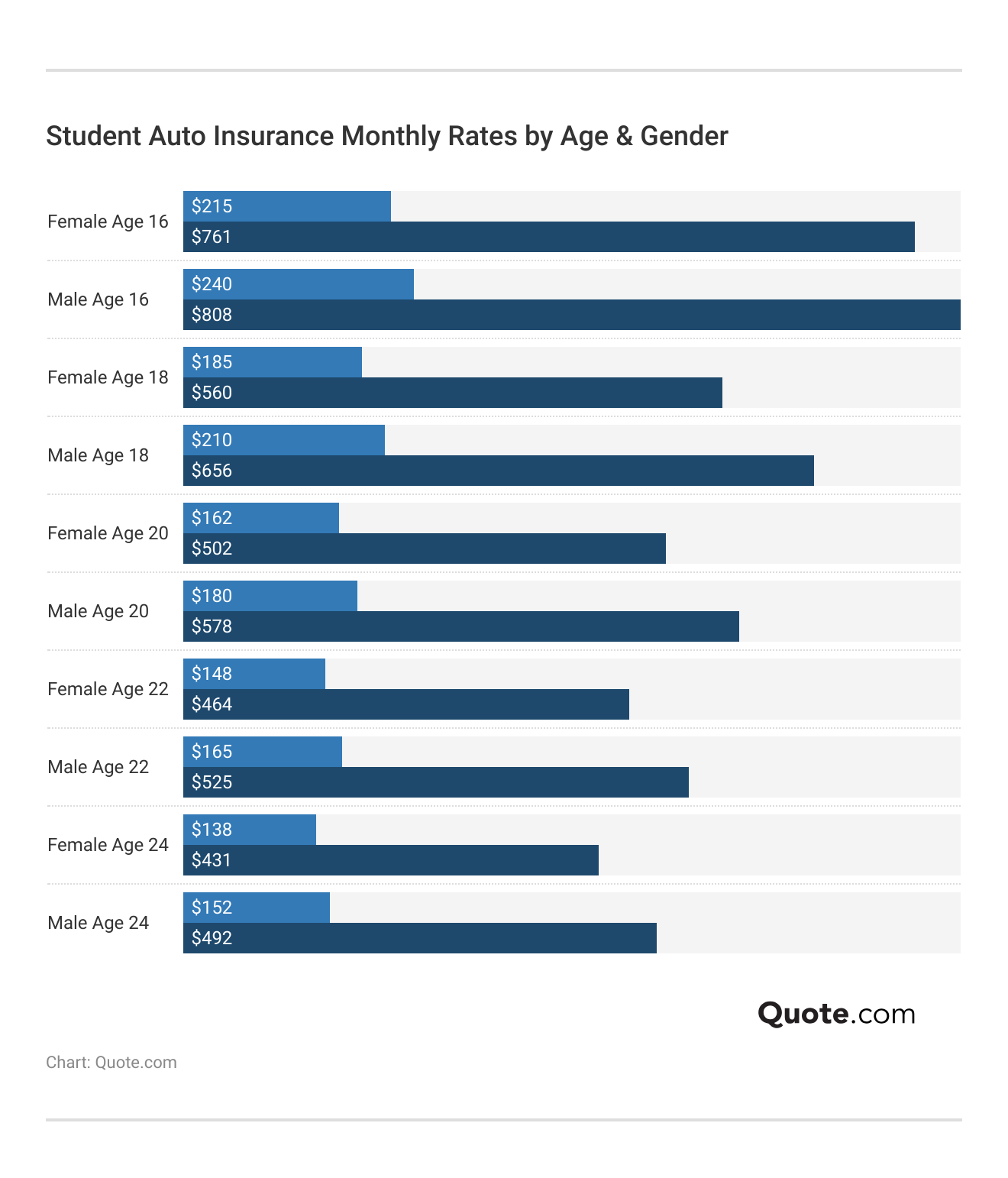
Age is one of the most significant variables insurance companies use to determine the risk profile of a driver and, by extension, the cost of their premiums. Younger drivers, specifically those under the age of 25, typically face the highest rates due to a statistical correlation between age, experience, and the frequency of traffic accidents, while drivers between the ages of 35 and 70 often enjoy the most stable and affordable insurance pricing.
The Correlation Between Age and Risk Assessment
Insurance providers operate on actuarial science—the mathematical study of risk. When setting premiums, companies do not merely look at an individual’s personal driving history; they aggregate data across millions of policyholders to identify patterns. Age serves as a primary proxy for driving experience, maturity, and cognitive reaction times.
Statistically, the "high-risk" age range begins as soon as a driver obtains their license. Insurance companies have identified that the first few years of driving are the most dangerous. During this period, a novice driver is learning to interpret road conditions, manage vehicle dynamics, and navigate unpredictable traffic patterns. Because the brain’s development regarding impulse control and risk assessment—specifically the prefrontal cortex—continues into the mid-twenties, underwriters categorize drivers in this demographic as significantly more likely to file a claim.
As a driver moves out of the "teen driver" category and into their late twenties and thirties, the actuarial data shows a consistent decline in accident frequency. This transition period often correlates with lifestyle changes, such as full-time employment, longer periods of accident-free driving, and the purchase of safer, more reliable vehicles, all of which contribute to lower risk scores.
Segmenting the Driver Life Cycle
To understand how your age influences your auto insurance costs, it is helpful to categorize the driver life cycle into specific brackets. Each bracket carries different assumptions regarding risk, vehicle usage, and financial stability.
1. The Novice Years (Ages 16–19)
This is the most expensive age range for auto insurance. Drivers in this bracket are typically added to a parent’s policy or, if insured independently, face exorbitant premiums. The primary reason is a lack of experience. Data from organizations like the Insurance Institute for Highway Safety (IIHS) consistently show that fatal crash rates per mile driven are higher for 16-to-19-year-olds than for any other age group.
2. The Young Adult Transition (Ages 20–25)
Premiums typically begin to decrease as a driver enters their twenties. However, this is still considered a "young driver" category. Until a driver reaches the age of 25, most insurers maintain a surcharge. By age 25, many individuals reach a "threshold of maturity" in the eyes of insurance providers, and many policyholders see their first significant rate reduction, provided they maintain a clean driving record.
3. The Peak Stability Years (Ages 30–60)
This age range represents the "sweet spot" for auto insurance pricing. By age 30, most drivers have at least a decade of experience. Insurance companies view this demographic as the most predictable. Statistically, drivers in this range are less likely to engage in high-risk behaviors like speeding or distracted driving, and they are more likely to have established a long-term relationship with their insurance carrier.
4. The Senior Driver Phase (Ages 70+)
While the middle years are the most affordable, a shift occurs as drivers reach their seventies and eighties. Unlike the risk associated with inexperience, the risk for senior drivers is often related to physical changes—slower reaction times, vision impairment, or health conditions that may affect vehicle operation. While premiums for seniors do not typically reach the high levels of a teen driver, they often begin to creep upward as the driver ages beyond 75 or 80.
Factors Beyond Just Age
While age is a critical multiplier, it is rarely the only factor. A driver’s age interacts with several other variables to create an individual "risk score." If you are in a high-risk age bracket, you may mitigate some of the costs by focusing on these supplementary factors:
- Driving History: A 20-year-old with a clean record will almost always pay less than a 40-year-old with multiple citations or at-fault accidents.
- Vehicle Type: Insurance companies factor in the cost of parts, safety ratings, and theft frequency. A young driver operating an older, high-safety-rated sedan will pay less than one driving a high-performance sports car.
- Credit-Based Insurance Scores: In most jurisdictions in the United States, insurance companies use credit information to predict the likelihood of a claim. A higher credit score often correlates with a more responsible lifestyle, leading to lower premiums.
- Location: Living in a densely populated urban area increases the likelihood of accidents and theft compared to living in a rural area, regardless of the driver's age.
- Policy Bundling: Younger drivers can often reduce the impact of their age-related surcharges by remaining on their parents’ policies or bundling their auto insurance with renters or life insurance products.
Comparative Cost Expectation Table
The following table illustrates the typical progression of premium costs based on age brackets. These figures are generalized estimates of how risk perception shifts over a lifetime.
| Age Bracket | Risk Profile | Relative Premium Impact |
|---|---|---|
| 16–19 | Very High | Extremely High |
| 20–24 | High | High (Gradual Decrease) |
| 25–29 | Moderate | Noticeable Decline |
| 30–55 | Low | Baseline (Lowest) |
| 56–69 | Very Low | Stable |
| 70+ | Increasing | Gradual Increase |
Note: Relative premium impacts are estimates. Individual results vary based on location, vehicle, and specific carrier underwriting guidelines.
Mitigating High Costs for Young Drivers
If you are a parent of a teen driver or a young adult looking to keep insurance costs manageable, there are several proven strategies to soften the financial blow.
Academic Excellence Discounts: Many insurance providers offer "Good Student" discounts for drivers under 25 who maintain a B-average (or 3.0 GPA) or higher. Statistically, insurers believe that students who prioritize academics exhibit the same level of discipline and caution behind the wheel.
Telematics and Usage-Based Insurance: Modern insurance technology allows companies to track driving behavior using mobile apps or plug-in devices. If a young driver agrees to have their speed, braking patterns, and time of day monitored, they can prove they are "safer than their age suggests." This is often the most effective way for a teen to bypass the standard high-risk pricing associated with their demographic.
Defensive Driving Courses: Completing a state-certified defensive driving course can sometimes trigger a premium discount. These courses provide formal training that goes beyond basic license requirements and demonstrates a proactive approach to safety.
Addressing the Senior Driver Experience
For drivers entering their seventies, the challenge is different. The primary goal is to maintain coverage that is both comprehensive and affordable as aging affects driving capability.
Senior drivers should prioritize:
- Annual Coverage Reviews: Ensure that you are not paying for coverage you no longer need, such as high-limit collision on a vehicle with low resale value.
- Safety Technology: Modern vehicles with advanced driver-assistance systems (ADAS), such as blind-spot monitoring and automatic emergency braking, can significantly reduce the risk profile of older drivers.
- Communication: Many insurers offer specific programs for senior drivers that focus on safe-driving maintenance. Maintaining open communication with your agent about any changes in your driving habits—such as driving fewer miles per year due to retirement—can result in lower rates.
Common Misconceptions About Age and Insurance
A common myth is that insurance rates drop automatically on your 25th birthday. While many carriers do adjust rates at this age, it is not a universal rule written into law. It is merely a threshold where many insurers find that risk levels settle.
Another misconception is that it is always cheaper to get your own policy as soon as possible. In reality, young drivers often find that remaining on a parent’s multi-car policy is significantly more cost-effective than attempting to purchase their own policy as a "new" driver with no tenure, as they can benefit from multi-car discounts and the parent’s established "loyalty" to the carrier.
Practical Steps for Every Age
Regardless of your current age, take these actions to ensure you are not overpaying for your auto insurance:
- Shop Every Two Years: Even if you are happy with your current provider, market conditions change. Obtaining quotes from at least three different carriers every two years ensures your rates remain competitive.
- Verify Your Driving Record: Request your motor vehicle record (MVR) from your state’s Department of Motor Vehicles (DMV) periodically. Errors can occur, and if an incorrectly reported accident remains on your record, your age-based premiums will be unfairly inflated.
- Adjust Deductibles: If you have an emergency fund, consider raising your deductible. By agreeing to pay more out-of-pocket in the event of an accident, you can often significantly reduce your monthly premium, a strategy that works well for drivers of all ages.
- Inquire About Occupation/Industry Discounts: Some insurers offer discounts for specific professions (e.g., teachers, nurses, or engineers), which can sometimes offset the higher costs associated with younger age brackets.
Conclusion: Taking Control of Your Insurance Costs
Understanding how your age range affects your auto insurance is the first step toward managing your financial health. While you cannot change your age, you can control the other variables that determine your risk profile. Whether you are a young driver navigating your first policy or a senior driver looking to optimize coverage for the long term, the key is to stay informed, maintain a clean driving record, and engage in regular, proactive shopping for better rates.
Insurance is a long-term commitment. By viewing the relationship between your age and your premiums as a dynamic factor rather than a static expense, you can make informed decisions that save thousands of dollars over the course of your driving life. Always remember to check with your local state regulators if you believe your premium adjustments are not in line with your risk profile or recent driving performance.