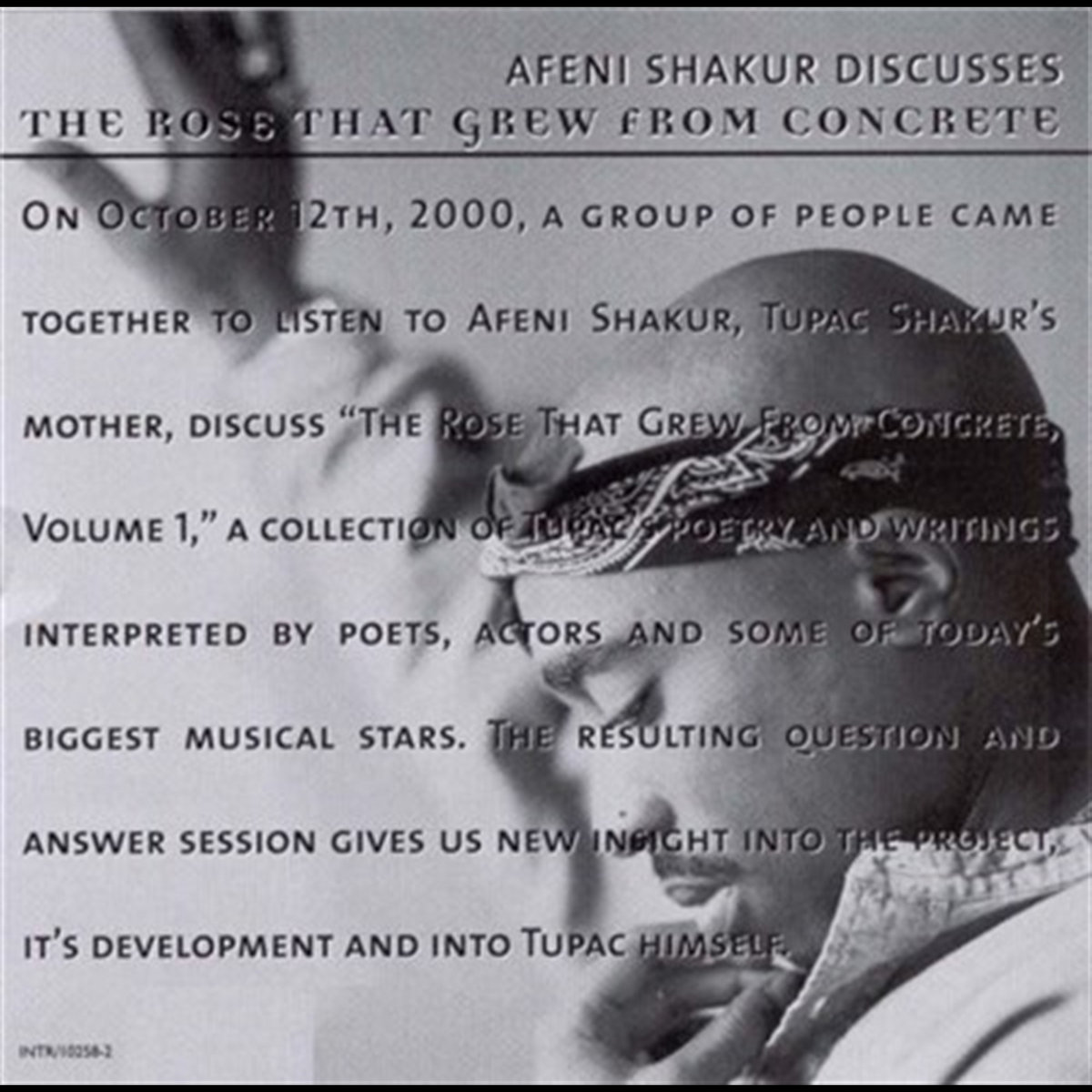
Afeni Shakur does not have a traditional public grave or headstone. Following her death in May 2016, she was cremated, and her remains were reportedly scattered at her private residence, the Peace River Ranch in Saulsbury, Tennessee. This site serves as her final resting place alongside the ashes of her son, Tupac Shakur.
The Final Resting Place of a Revolutionary Matriarch
To understand the location of Afeni Shakur’s "grave," one must look beyond the marble and granite of a conventional cemetery. Afeni Shakur, born Alice Faye Williams, was a woman who spent her life challenging systems and seeking autonomy. It is fitting, then, that her final resting place remains outside the confines of a public memorial park.
When Afeni passed away on May 2, 2016, at the age of 69, the world mourned the loss of a Black Panther Party leader, a philanthropist, and the primary gatekeeper of Tupac Shakur’s immense cultural estate. While fans often seek a physical site to pay their respects—much like the gravesites of other cultural icons—Afeni chose privacy and peace. Her cremation and the subsequent scattering of her ashes at her 50-acre ranch in Saulsbury, Tennessee, mirrored the ceremony she held for her son two decades earlier.
The Peace River Ranch in Hardeman County became her sanctuary in her later years. It was here that she sought refuge from the litigious and high-pressure environment of the music industry. Because this is private property, it is not open to the public for tours or pilgrimages. The "grave" of Afeni Shakur is the very earth of the land she owned, symbolizing a return to the roots she fought so hard to protect.
The Significance of Saulsbury, Tennessee
The choice of Saulsbury as a final resting place is deeply symbolic. For many, the Shakur name is synonymous with the urban landscapes of Harlem, Baltimore, or Oakland. However, Afeni’s move to Tennessee represented a deliberate shift toward tranquility and legacy-building.
The Peace River Ranch served as more than just a home; it was the headquarters for her mission to preserve Tupac’s work. In the years following 1996, Afeni transformed her grief into a productive force, managing the Tupac Amaru Shakur Foundation from this rural vantage point. By choosing to have her ashes scattered here, she ensured that her physical presence would remain permanently intertwined with the land that housed her son’s spirit and her life’s work.
For those searching for "where the legacy lies," the answer is found in the soil of this private estate. While it lacks a GPS-trackable headstone, the ranch remains the spiritual epicenter of the Shakur family legacy. As of 2026, the property continues to be a point of interest for historians and biographers, though it remains strictly off-limits to casual tourism to respect the family’s privacy.
The Enduring Legacy of Afeni Shakur
Afeni Shakur’s legacy is multifaceted, spanning political activism, legal triumphs, and the curation of one of the most significant musical catalogs in history. To visit her "grave" is to engage with the institutions and movements she left behind.
The Panther 21 and Political Activism
Afeni’s most significant individual contribution to American history occurred before her son was even born. As a member of the Black Panther Party, she was one of the "Panther 21" arrested in 1969 on charges of conspiracy to bomb police stations and other public places in New York.
Despite having no formal legal training, Afeni chose to represent herself in court while pregnant with Tupac. Her eloquence and logical dismantling of the prosecution’s case led to her acquittal on all 156 counts. This victory is a cornerstone of her legacy—a testament to her brilliance and resilience. It serves as a reminder that her "resting place" is also in the legal precedents and civil rights progress she helped forge.
Guardian of the Tupac Estate
Following the tragic death of Tupac in 1996, Afeni became the sole executor of his estate. She spent the next twenty years in a series of legal battles to regain control of his master recordings and intellectual property from Death Row Records and other entities.
Her success in these battles ensured that Tupac’s voice remained authentic and that the proceeds from his work funded charitable endeavors. She founded the Tupac Amaru Shakur Foundation (TASF), which initially provided arts programs for young people—a cause she believed was vital for the survival of inner-city youth.
Comparing the Physical and Symbolic Sites of Remembrance
Because there is no headstone for Afeni Shakur, fans often gravitate toward other locations to honor her memory. The following table highlights the primary sites associated with her legacy and the life of her son.
| Site Name | Location | Significance | Access Level |
|---|---|---|---|
| Peace River Ranch | Saulsbury, TN | Final resting place (ashes scattered). | Private; No Public Access |
| Tupac Amaru Shakur Center | Stone Mountain, GA | Former site of the Peace Garden and statue. | Closed/Repurposed |
| "Wake Me When I'm Free" Exhibit | Various (Touring) | Immersive museum experience curated with estate archives. | Public (Ticketed) |
| Harlem, New York | New York, NY | Birthplace of Afeni's activism and the Black Panther 21 trial. | Public City Landmarks |
| Clinton Correctional Facility | Dannemora, NY | Where Afeni famously visited Tupac; site of growth and letters. | Restricted |
The Role of the Tupac Amaru Shakur Foundation in 2026
As we look at the landscape in 2026, a decade after Afeni’s passing, the Tupac Amaru Shakur Foundation remains the most visible manifestation of her legacy. The foundation has transitioned over the years, focusing heavily on mental health awareness, addiction recovery, and trauma-informed care—issues that Afeni dealt with personally and advocated for throughout her life.
The foundation serves as the "living memorial" that Afeni preferred over a static grave. By funding scholarships and supporting community centers, the TASF ensures that the name "Shakur" remains synonymous with community upliftment rather than just entertainment. For those who wish to "visit" Afeni, contributing to or participating in the foundation's programs is considered the most appropriate way to honor her spirit.
Legal and Estate Management After Afeni
The management of the Shakur legacy underwent significant changes after Afeni's death. She had set up a trust to ensure the continued protection of the estate, which passed to her daughter, Sekyiwa Shakur, and other designated trustees.
The technical depth of this estate management is substantial. It involves the oversight of:
- Unreleased Recordings: Tens of thousands of hours of audio that must be preserved and occasionally released with historical context.
- Image Rights: Protecting Tupac and Afeni’s likenesses from unauthorized commercial use.
- Literary Assets: Managing the rights to Tupac’s poetry (e.g., The Rose That Grew from Concrete) and Afeni’s biographical materials.
In 2026, the estate remains one of the most valuable and culturally relevant entities in the music world, a direct result of the ironclad legal protections Afeni put in place before her death. Her "grave" is, in many ways, the vault of history she successfully defended.
Why There is No Public Monument
The absence of a public monument or traditional grave for Afeni Shakur is a frequent point of discussion among fans. Several factors contribute to this:
- Privacy Concerns: The Shakur family has historically been targeted by law enforcement and media. A private resting place prevents the desecration or commercialization of the site.
- Cultural Philosophy: Afeni’s worldviews were heavily influenced by her revolutionary background, which often de-emphasized individual monuments in favor of collective movement and "the work."
- Unity with Her Son: Since Tupac does not have a public grave, Afeni’s choice to be scattered in the same manner creates a sense of eternal unity between mother and son.
Frequently Asked Questions
Where exactly is Afeni Shakur buried?
Afeni Shakur was not buried in a traditional sense. She was cremated shortly after her death in 2016. Her ashes were scattered at her private property, the Peace River Ranch in Saulsbury, Tennessee. There is no public cemetery location or headstone to visit.
Can fans visit the Peace River Ranch in Tennessee?
No, the Peace River Ranch is private property. The family has requested privacy and there are no public tours or access points to the area where the ashes were scattered. Fans are encouraged to honor her memory through the Tupac Amaru Shakur Foundation instead.
Is there a memorial statue for Afeni Shakur?
While there is no prominent standalone statue of Afeni Shakur, she is featured heavily in the "Wake Me When I'm Free" museum exhibit, which serves as a traveling memorial. This exhibit uses her voice, writings, and personal artifacts to tell the story of her life and her influence on her son.
Who manages her legacy and the Tupac estate now?
Following Afeni's death, the management of the estate transitioned to a trust. Her daughter, Sekyiwa Shakur, has been a vocal leader in ensuring the estate is managed according to Afeni’s wishes, occasionally engaging in legal oversight to ensure the trust's executors are acting in the best interest of the family legacy.
Did Afeni Shakur have a funeral?
A private memorial service was held for Afeni Shakur in May 2016. It was attended by close friends, family, and former members of the Black Panther Party. Unlike many celebrity funerals, it was not televised or opened to the general public, keeping with her desire for a private transition.
Honoring the Legacy: Next Steps for Fans
If you are looking for a way to connect with the legacy of Afeni Shakur, the most impactful action is to support the causes she championed.
- Engage with the Arts: Visit authorized exhibits like "Wake Me When I'm Free" to understand the historical context of her activism.
- Support Social Justice: Afeni’s life was dedicated to the liberation of marginalized communities. Volunteering for or donating to organizations focused on legal reform or community housing honors her time with the Black Panthers.
- Mental Health Advocacy: Support the Tupac Amaru Shakur Foundation’s current initiatives regarding trauma and mental wellness.
Afeni Shakur’s "grave" may not be a location on a map, but her legacy is found in every person inspired by her strength, every student helped by her foundation, and every listener who finds hope in the music she fought to protect.