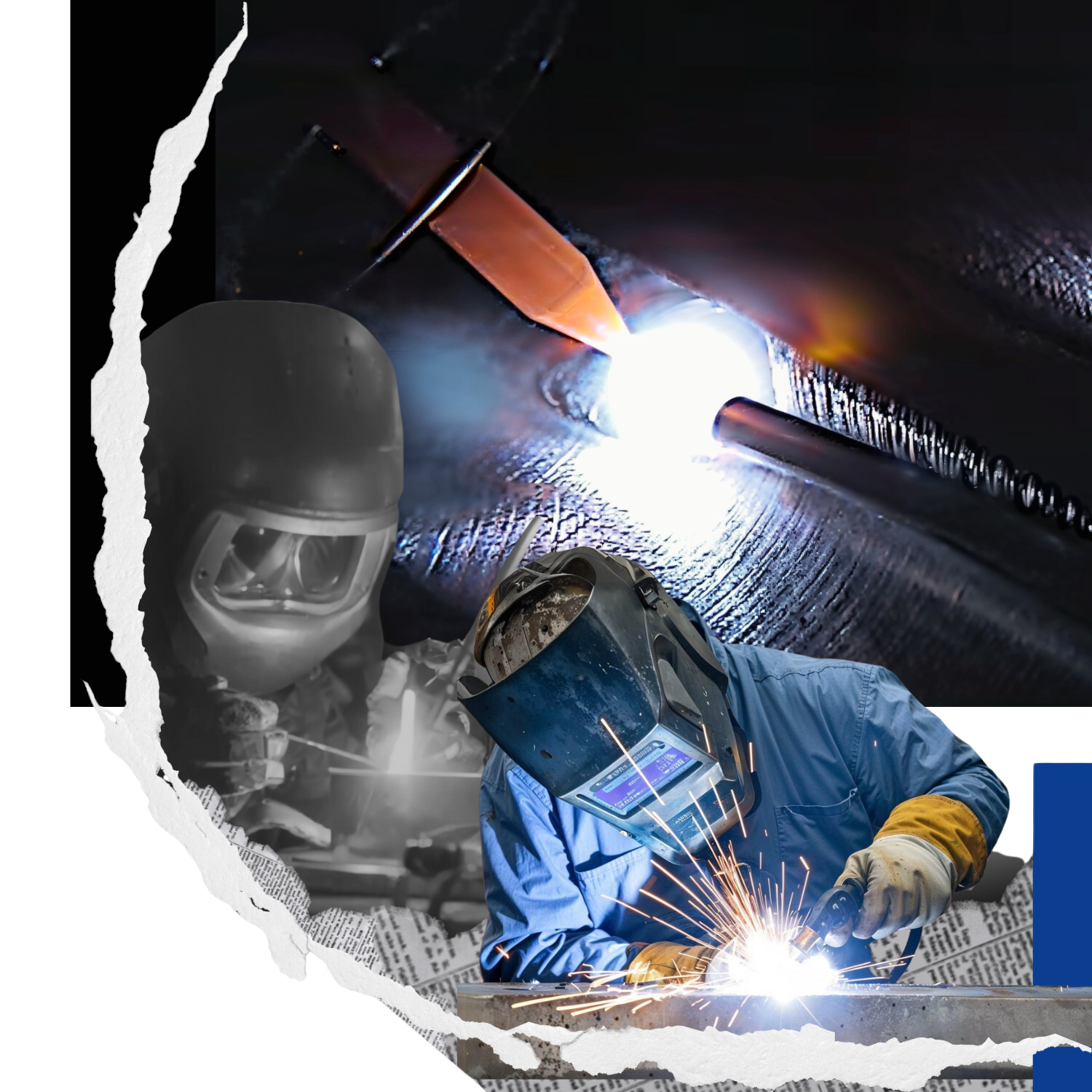
Aerospace welding in the Minneapolis, Minnesota area represents a critical specialized manufacturing sector dedicated to joining high-performance alloys for aviation, defense, space exploration, and commercial transport components. Operating under stringent regulatory frameworks set by the Federal Aviation Administration (FAA) and the Department of Defense, regional facilities utilize advanced fusion processes—such as Gas Tungsten Arc Welding and Electron Beam Welding—to fabricate components that must withstand extreme thermal, mechanical, and environmental stress.
The Role of Aerospace Welding in the Minneapolis Manufacturing Hub
Minneapolis and the broader Twin Cities metropolitan area host a robust industrial base encompassing precision machining, metallurgical testing, and specialized fabrication. Within this ecosystem, aerospace welding acts as a foundational service for tier-one and tier-two suppliers. These providers support major original equipment manufacturers (OEMs) by producing engine components, structural frames, exhaust systems, and fuel distribution lines.
Unlike commercial structural welding, aerospace applications allow zero margin for error. A minor metallurgical defect, such as porosity, micro-cracking, or incomplete fusion, can lead to catastrophic failure under operational flight loads. Consequently, local shops providing aerospace welding services typically operate under rigorous quality management systems to meet strict industry specifications.
Key Industrial Sectors Served
- Commercial Aviation: Repair, overhaul, and initial fabrication of structural airframe components and non-rotating engine parts.
- Defense and Military Systems: Production of tactical vehicle components, missile assemblies, and specialized ground-support hardware.
- Space Exploration: Manufacturing lightweight, high-integrity pressure vessels, fuel tanks, and propulsion system ducts.
Governing Specifications and Quality Standards
Quality assurance separates standard metal fabrication from certified aerospace welding. Facilities operating in this niche must comply with internationally recognized standards that dictate operator qualification, equipment calibration, and post-weld inspection protocols.
The primary governing bodies and standards include the American Welding Society (AWS), specifically AWS D17.1/D17.1M (Specification for Fusion Welding for Aerospace Applications), and the National Aerospace and Defense Contractors Accreditation Program (Nadcap). Nadcap accreditation serves as the gold standard for aerospace manufacturing, requiring facilities to undergo rigorous technical audits verifying their thermal processing, non-destructive testing, and welding procedures.
| Standard / Specification | Governing Body | Primary Focus |
|---|---|---|
| AWS D17.1 | American Welding Society | Fusion welding requirements for flight hardware, process controls, and quality criteria. |
| Nadcap (AC7110) | Performance Review Institute | Special process accreditation verifying stringent quality control and traceability. |
| AS9100 | International Aerospace Quality Group | Quality management system requirements specifically tailored for aviation, space, and defense. |
| ASME Section IX | American Society of Mechanical Engineers | Qualification standards for welders, welding operators, and procedures (frequently utilized alongside aerospace codes). |
Advanced Processes Used in Aerospace Fabrication
Achieving reliable joints in aerospace alloys requires specialized techniques designed to minimize thermal distortion, prevent atmospheric contamination, and maintain the mechanical properties of the base material. The most common processes utilized by high-end facilities include:
Gas Tungsten Arc Welding (GTAW / TIG)
GTAW is the most prevalent process in aerospace manufacturing. It utilizes a non-consumable tungsten electrode to produce the weld, protected by an inert shielding gas such as argon or helium. For critical aerospace applications, Automatic and Automated GTAW systems are frequently employed to ensure precise heat input, consistent bead profile, and repeatable results on thin-walled tubing and complex geometries.
Gas Metal Arc Welding (GMAW / MIG)
While less common for ultra-thin or highly stressed sections due to potential spatter and control limitations, pulsed-spray GMAW is utilized in certain structural applications where higher deposition rates are necessary without compromising penetration control.
Electron Beam Welding (EBW)
Electron beam welding is a specialized fusion process performed in a vacuum chamber. It utilizes a concentrated beam of high-velocity electrons to join metals. EBW offers an exceptionally high depth-to-width ratio, minimal thermal distortion, and a narrow heat-affected zone (HAZ), making it ideal for thick-section structural components and exotic high-temperature alloys.
Materials Common in Aerospace Applications
The selection of base materials dictates the specific welding parameters, filler metals, and post-weld heat treatment (PWHT) required. Minneapolis-based aerospace fabricators routinely work with a diverse spectrum of advanced engineering materials:
- Nickel-Based Superalloys: Alloys such as Inconel 625, Inconel 718, and Hastelloy are selected for their exceptional strength and oxidation resistance at elevated temperatures, particularly within turbine exhaust and combustion sections.
- Titanium Alloys: Grade 5 (Ti-6Al-4V) offers an outstanding strength-to-weight ratio and corrosion resistance. Because titanium reacts aggressively with oxygen at elevated temperatures, welding must take place under absolute inert gas shielding or within a purged chamber.
- Stainless Steels: Austenitic and precipitation-hardening stainless steels (such as 15-5PH and 17-4PH) are utilized for structural frames and hydraulic lines.
- Aluminum Alloys: High-strength structural aluminum (such as the 2000 and 7000 series, as well as weldable 6000 series alloys) requires specialized cleaning and precise heat control to prevent cracking during solidification.
Pre-Weld Preparation and Post-Weld Verification
The integrity of an aerospace weld depends as much on the steps taken before and after the arc is struck as on the welding process itself.
Pre-Weld Protocols
- Material Traceability: All incoming raw materials must be accompanied by certified mill test reports (CMTRs) verifying chemical composition and mechanical properties.
- Surface Preparation: Contaminants such as oils, grease, oxides, and moisture can cause severe porosity and cracking. Mechanical cleaning (using dedicated stainless steel wire brushes) and chemical degreasing are mandatory steps.
- Joint Fit-Up: Tight tolerances and precise edge preparation ensure proper root penetration and minimize residual stress.
Non-Destructive Examination (NDE)
Because internal defects cannot be identified by visual inspection alone, completed welds undergo rigorous non-destructive evaluation performed by certified inspectors (such as ASNT Level II or III personnel):
- Radiographic Testing (RT): Utilizes X-rays or gamma rays to detect internal volumetric flaws, lack of fusion, and porosity.
- Fluorescent Penetrant Inspection (FPI): A sensitive surface-inspection method used to reveal microscopic surface-breaking cracks and discontinuities.
- Eddy Current Testing: An electromagnetic method used to detect surface and near-surface defects in conductive materials.
Frequently Asked Questions
What certifications should I look for in an aerospace welding provider?
Look for facilities holding Nadcap accreditation for welding, compliance with AWS D17.1, and an AS9100 quality management certification. These credentials verify that the shop maintains strict traceability, calibrated equipment, and certified welding personnel.
Why is AWS D17.1 important for aerospace projects?
AWS D17.1 is the consensus standard specifically written for fusion welding of aerospace hardware. It establishes criteria for procedure qualification records (PQRs), welder performance qualifications (WPQs), and quality acceptance levels that general structural welding codes (such as AWS D1.1) do not cover.
How do shops prevent oxidation when welding titanium?
Titanium readily absorbs oxygen, nitrogen, and hydrogen at high temperatures, becoming brittle. To prevent contamination, fabricators use trailing shields, back-purge gas systems, and specialized vacuum or enclosed purge chambers to flood the weld zone with high-purity inert gas until the metal cools below reactive thresholds.
What is the difference between manual GTAW and automated GTAW in aerospace?
Manual GTAW relies entirely on the skill of the human operator to control torch angle, travel speed, and filler wire feed. Automated and mechanized GTAW utilize programmable motion controllers and automated wire feeders to ensure absolute repeatability, making them ideal for high-volume production or critical components requiring exact heat input parameters.
Next Steps and Selecting a Fabrication Partner
When sourcing or evaluating aerospace welding capabilities in the Minneapolis region, engineering and procurement teams should verify specific process approvals rather than relying on general manufacturing claims. Requesting current Nadcap audit summaries, reviewing welder qualification records mapped to AWS D17.1, and conducting on-site technical audits will ensure that the selected facility can meet the rigorous metallurgical and quality documentation demands required for flight-critical hardware.