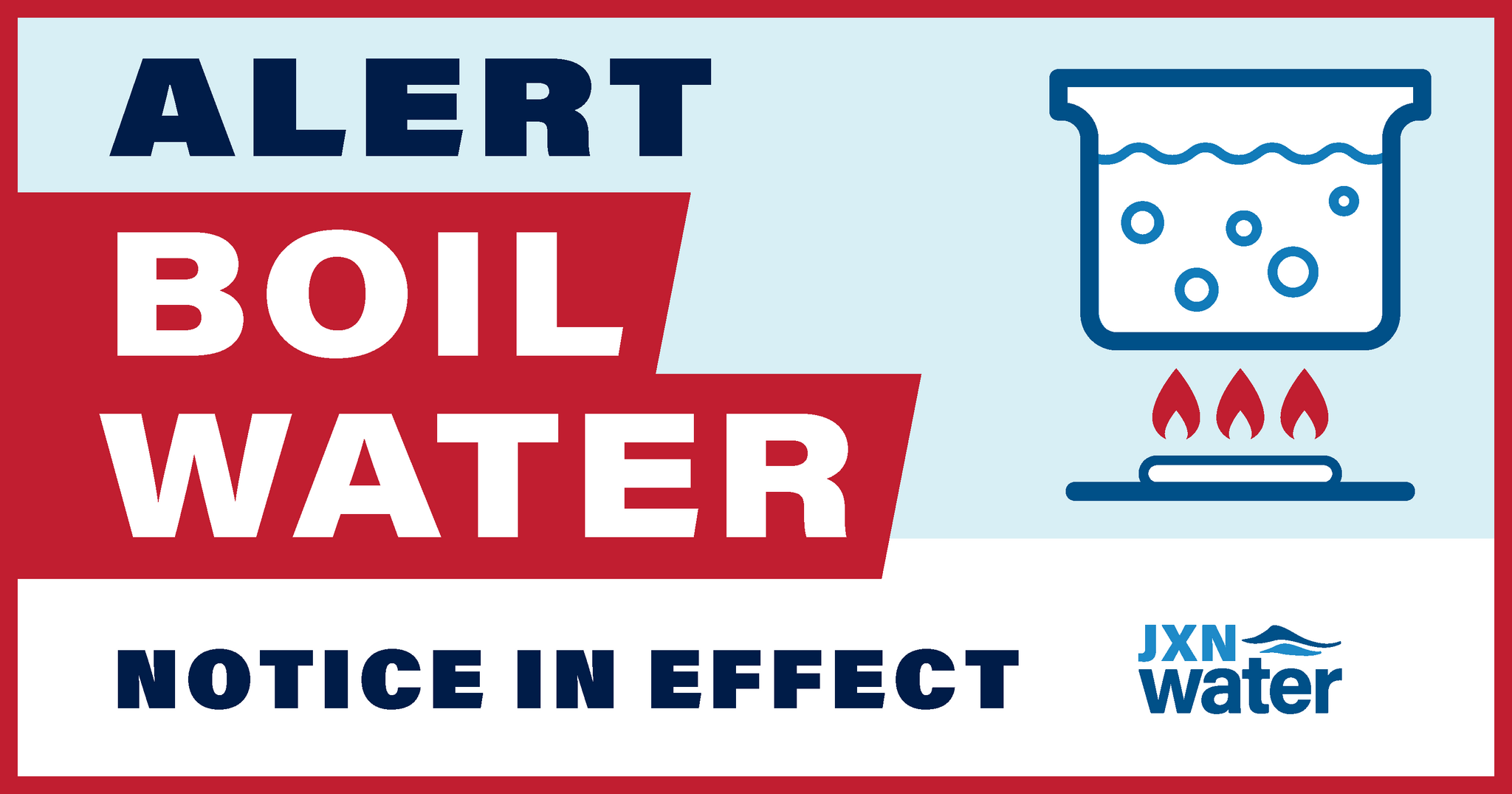
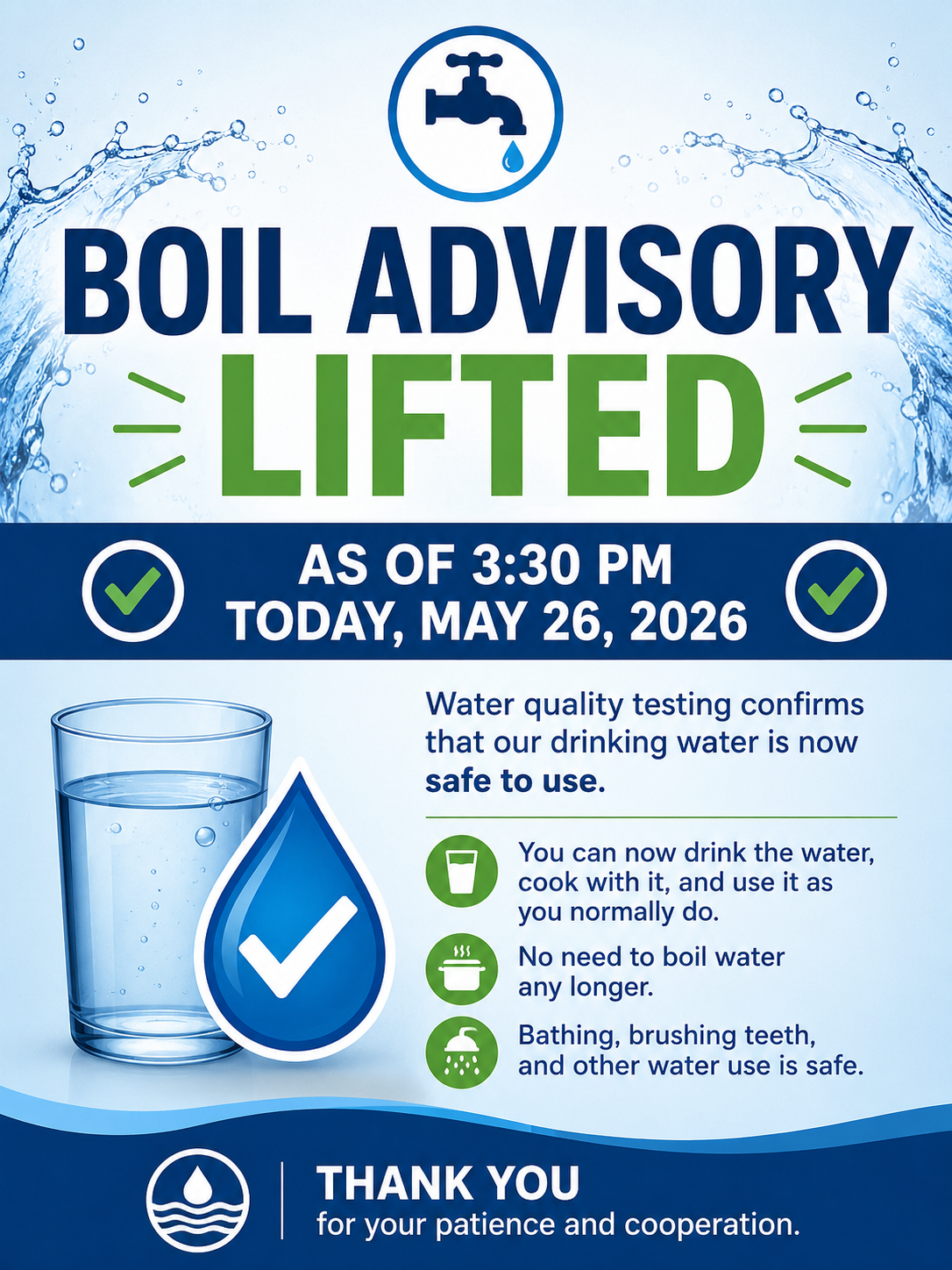
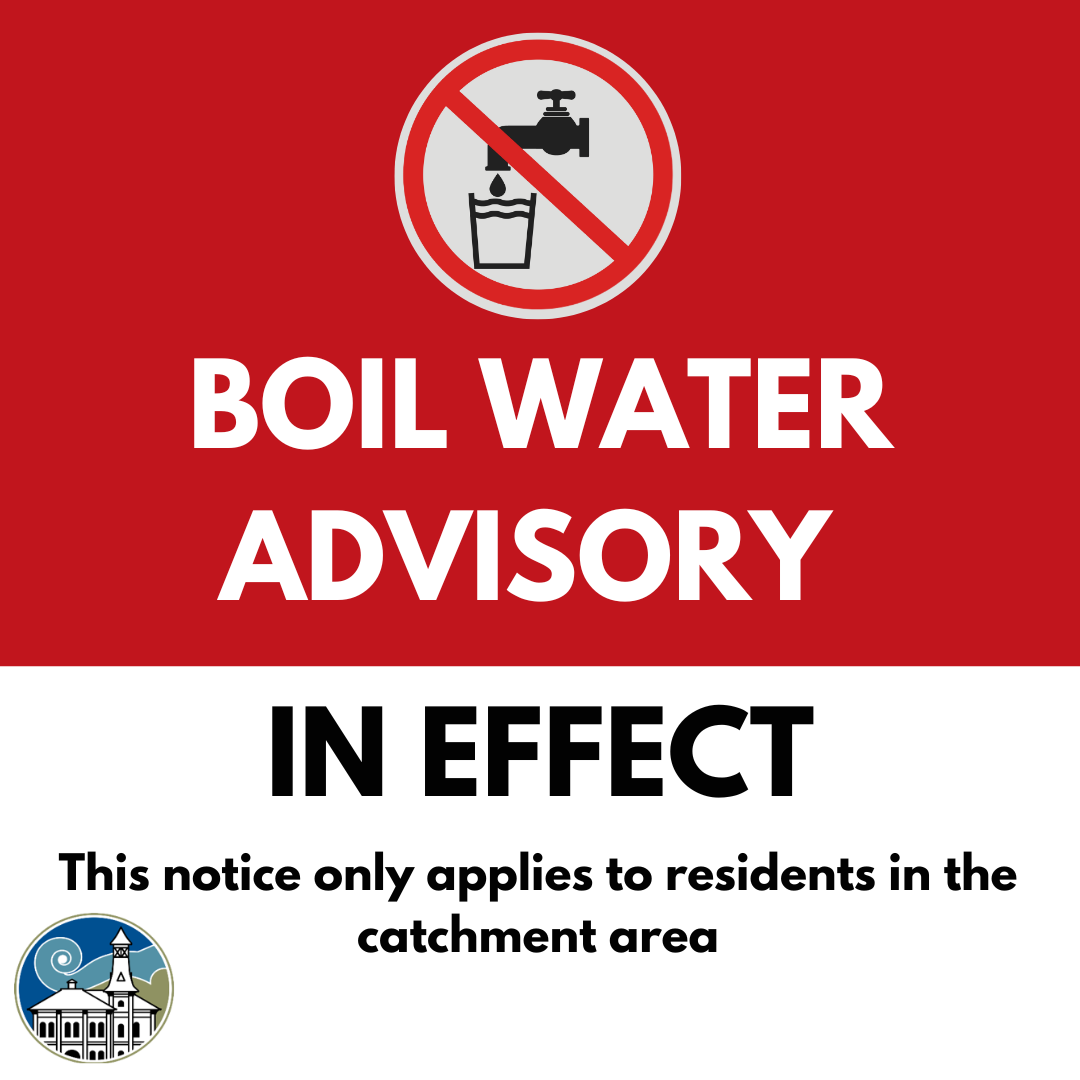
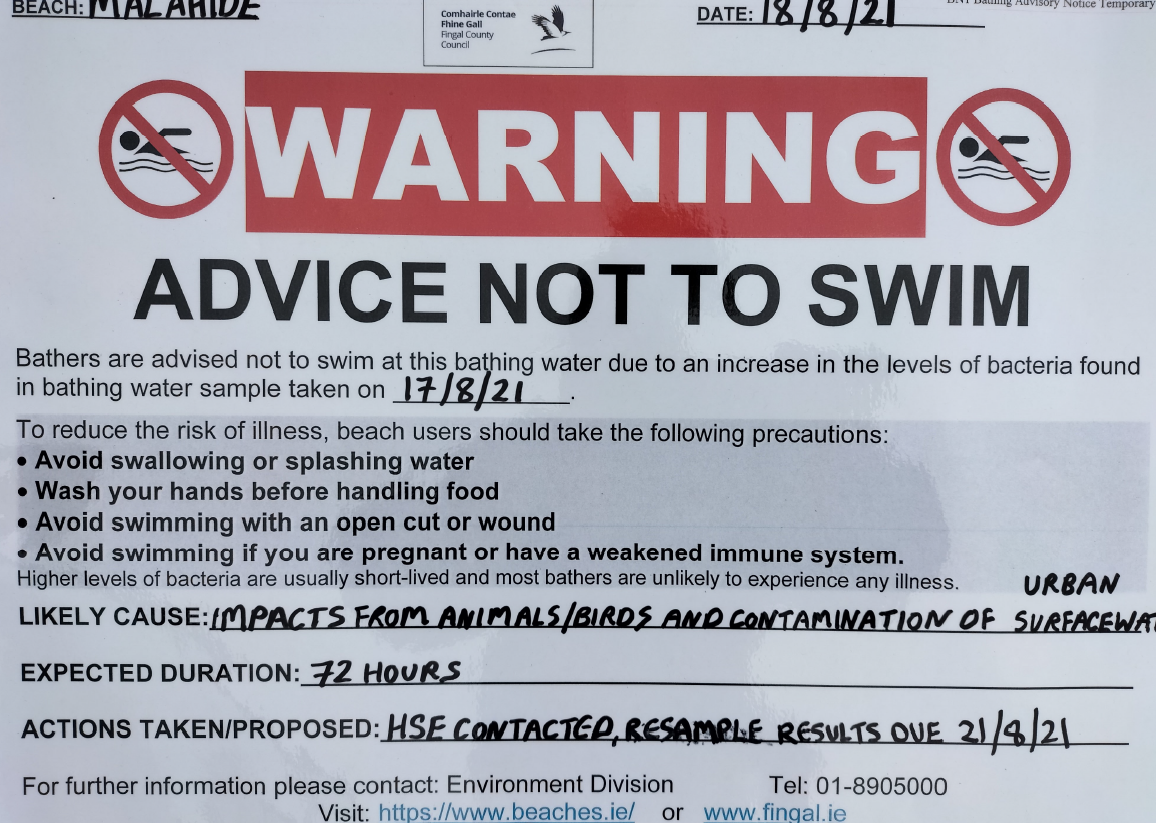
An advisory notice is an official communication issued by an organization, regulatory body, or manufacturer to inform stakeholders of a potential risk, a change in operational procedures, or a mandatory compliance update. Unlike a formal regulation or a mandatory product recall, these notices serve to provide guidance, highlight emerging threats, and recommend preventive actions to ensure safety and operational continuity.
The Purpose and Legal Standing of Advisory Notices
Advisory notices function as the bridge between theoretical risk management and practical, on-the-ground execution. In many professional, industrial, and digital sectors, these documents are the primary mechanism through which entities disseminate information that does not reach the threshold of a legislative mandate but remains critical for the health, safety, or legal protection of an organization.
From a legal perspective, an advisory notice—often referred to in various jurisdictions as a "Technical Advisory," "Safety Bulletin," or "Notice of Guidance"—can be used as evidence of a "duty of care." If an organization issues an advisory and an entity fails to act on it, that failure may be central to determining liability in the event of an incident. Conversely, for the issuer, issuing a notice demonstrates proactive oversight and the fulfillment of a standard of care.
Distinguishing Advisories from Directives
It is vital to distinguish an advisory notice from a mandatory directive:
- Mandatory Directive/Order: These are legally binding requirements where non-compliance can result in immediate fines, license revocation, or forced shutdown.
- Advisory Notice: These provide recommendations. While they are often treated as "soft law," they strongly influence industry standards. Ignoring an advisory notice without a documented risk-based justification can be considered professional negligence in many industries.
Categorizing Advisory Notices by Industry
The implications of an advisory notice vary significantly depending on the sector. Understanding the context of the notice is the first step toward determining how to respond.
Aviation and Aerospace
In the aviation industry, "Airworthiness Directives" (ADs) are mandatory, but "Service Bulletins" (SBs) or "Advisory Circulars" (ACs) are common. These documents provide guidance on the maintenance, inspection, and operation of aircraft. Pilots and maintenance crews use these to ensure that components are serviced according to the latest research and engineering findings.
Cybersecurity and Information Technology
Cybersecurity advisories are perhaps the most frequent notices encountered today. Organizations like the Cybersecurity and Infrastructure Security Agency (CISA) issue these to alert system administrators to specific vulnerabilities in hardware or software. These notices often contain technical indicators of compromise, patch levels, and remediation scripts. Failing to implement these can result in data breaches, regulatory non-compliance, and catastrophic system failure.
Financial and Regulatory Compliance
Financial regulators issue advisory notices to inform institutions of shifts in market conditions, money laundering typologies, or changes in how reporting requirements (such as Know Your Customer or Anti-Money Laundering protocols) are interpreted. For financial firms, these are not mere suggestions; they are the baseline for audit readiness.
Anatomy of a Professional Advisory Notice
A standard advisory notice is structured to ensure that the recipient can act quickly and decisively. Regardless of the industry, a well-crafted notice contains specific sections that you must analyze before taking action:
- Title and Reference Number: Used for cataloging and internal tracking.
- Executive Summary: A concise statement of the problem or the emerging trend.
- Scope and Applicability: Who does this affect? (e.g., "All users of Version 12.4 software").
- Risk Assessment: An explanation of the consequences of non-action (e.g., potential data loss, safety hazards).
- Recommended Actions: The step-by-step mitigation strategy.
- Effective Date and Deadline: While advisory, some notices have time-bound relevance for compliance audits.
- Contact Information: Where to direct inquiries regarding the interpretation of the notice.
Comparing Official Communications
The following table provides a breakdown of common types of communication and their standard operational weight.
| Communication Type | Primary Purpose | Compliance Nature |
|---|---|---|
| Advisory Notice | Guidance and risk mitigation | Recommended / Best Practice |
| Mandatory Directive | Ensuring immediate safety/law | Legally Binding |
| Safety Bulletin | Incident prevention/training | Operational Requirement |
| Industry Alert | General awareness of threats | Information Only |
| Policy Update | Change in internal governance | Binding for employees |
How to Handle an Advisory Notice: A Systematic Approach
When an organization receives an advisory notice, it should trigger a formal review process. Do not simply file the document. Follow this protocol to ensure your organization remains protected.
1. Verification and Triage
First, verify that the notice is legitimate. Attackers often use the guise of "security advisories" to distribute malware. Cross-reference the notice with the official portal of the issuing organization. Once verified, determine the level of risk to your specific operations. Is the vulnerability present in your current environment? Is the regulation applicable to your current product line?
2. Impact Assessment
Evaluate the cost and effort required to implement the recommendation. Does the advisory suggest a software patch that might break legacy integrations? Does a safety advisory require physical equipment downtime? Document your analysis. Even if you decide not to follow the recommendation, having a documented "risk acceptance" form is vital for auditors and legal counsel.
3. Execution of Remediation
If the notice requires action, assign a responsible party. Track the implementation through to completion. In technical settings, this often involves a "test-deploy-verify" cycle. Do not assume the fix was successful; audit the system after the changes are made to confirm that the risk has been mitigated.
4. Documentation and Archiving
Keep a copy of the advisory notice alongside your own internal response documentation. This record becomes crucial during third-party audits or if an incident occurs later that is related to the subject of the notice.
Common Mistakes to Avoid
- Ignoring Advisories Due to "Optional" Status: Many organizations believe that because a notice is not a "directive," it can be ignored. This is a primary cause of insurance claims being denied or audit failures occurring.
- Over-Reaction: Conversely, implementing every advisory without a proper impact assessment can lead to "patch fatigue," where unnecessary downtime is forced upon systems or staff.
- Lack of Centralization: Advisory notices often arrive via email, newsletters, or government portals. Without a central repository, these documents are easily lost, leaving the organization vulnerable to forgotten guidance.
- Misinterpreting Scope: Assuming a notice applies to you when it does not—or worse, assuming it does not apply when it actually does—can lead to significant operational errors.
Technical Considerations for 2026
As of 2026, the reliance on automated threat intelligence feeds has changed how IT departments receive advisory notices. Many companies now integrate API-based feeds directly into their Security Information and Event Management (SIEM) systems. However, this automation can lead to a false sense of security. Human oversight is still required to interpret the context of these alerts. Ensure that your team distinguishes between a generic industry trend and a specific advisory notice directed at your organization's infrastructure.
Frequently Asked Questions
What should I do if an advisory notice contradicts my existing internal policy?
You should conduct a formal gap analysis. Compare the risks described in the advisory with the protections provided by your existing policy. If the advisory offers a higher standard of safety or security, update your internal policy to align with the recommendation. If your policy is more stringent, document the variance.
Can I be sued for ignoring an advisory notice?
While an advisory is not a law, it can be used to establish a standard of care. If a court determines that a "reasonable professional" would have followed the guidance in the advisory to prevent an injury or loss, failure to act could be used as evidence of negligence.
How often should I check for new advisory notices?
This depends on your industry. In highly regulated sectors like finance, aviation, or critical infrastructure, organizations often employ dedicated compliance teams who check official bulletins daily. For less critical sectors, a weekly review is typically sufficient.
Where is the best place to find authoritative advisory notices?
Always rely on primary sources: government agency websites (such as the CISA, FAA, or FDA), official manufacturer support portals, and recognized industry standards bodies. Avoid third-party aggregators unless they provide direct links to the official documentation.
Does an advisory notice expire?
An advisory notice remains relevant as long as the underlying risk exists. Even if a notice is years old, the vulnerability or hazard it describes may still be present in outdated hardware or legacy processes. Always verify the status of a notice based on your current operational environment rather than its publication date.
Conclusion and Next Actions
Advisory notices are essential tools for maintaining the integrity and safety of modern operations. They are not merely suggestions to be filed away; they are actionable intelligence that allows you to stay ahead of risks.
Next Steps for Your Organization:
- Audit your current sources: List the official agencies and manufacturers that provide guidance for your industry.
- Appoint a Point of Contact (POC): Ensure one person or department is responsible for receiving and reviewing these notices.
- Formalize the response process: Create a standard operating procedure (SOP) for how an advisory is verified, assessed, and resolved.
- Create a central repository: Store these notices and your responses in a searchable, secure database for future audit references.
By treating advisory notices as a core component of your risk management strategy, you transform passive information into active, protective measures that safeguard your operations for the future.