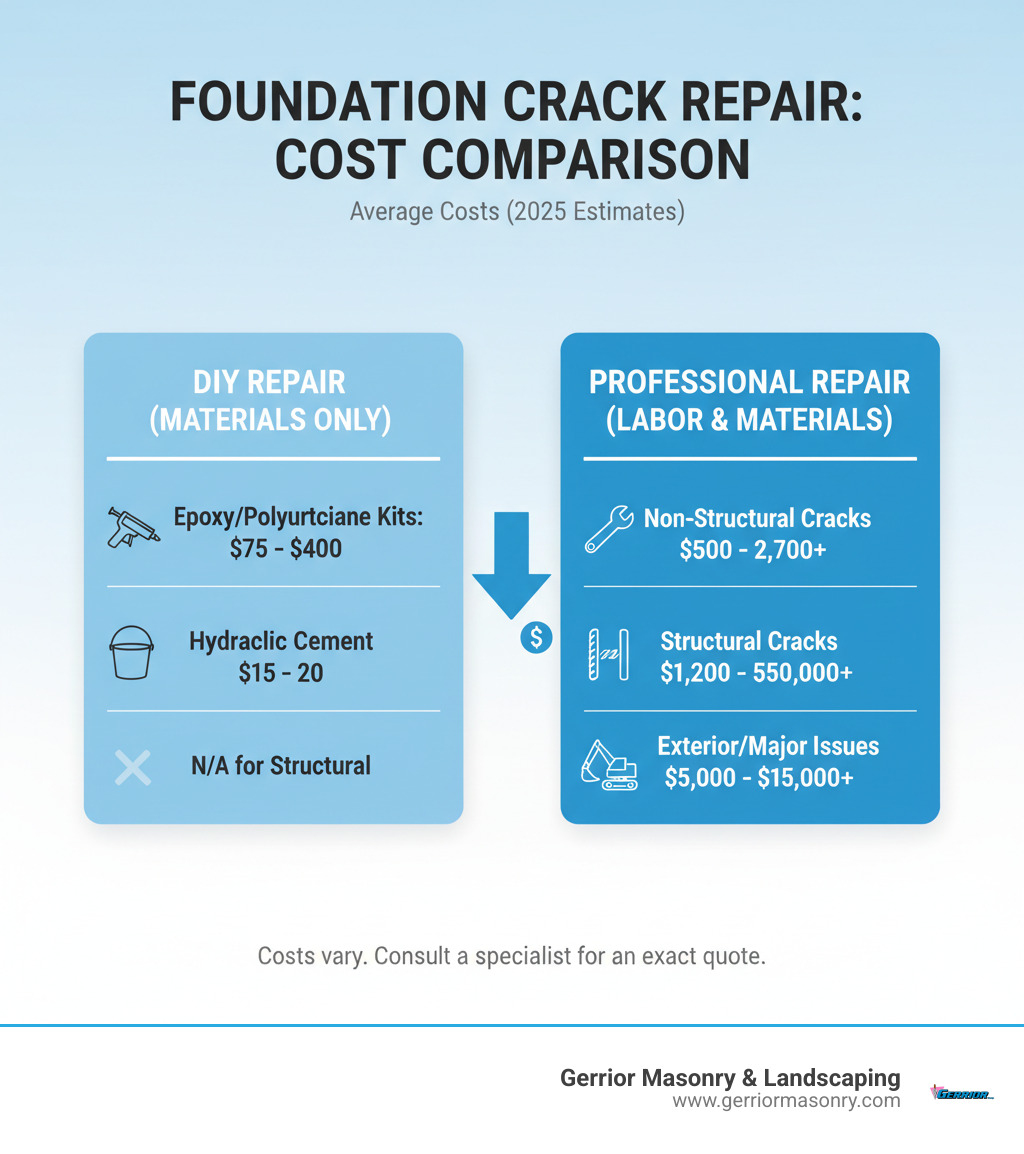
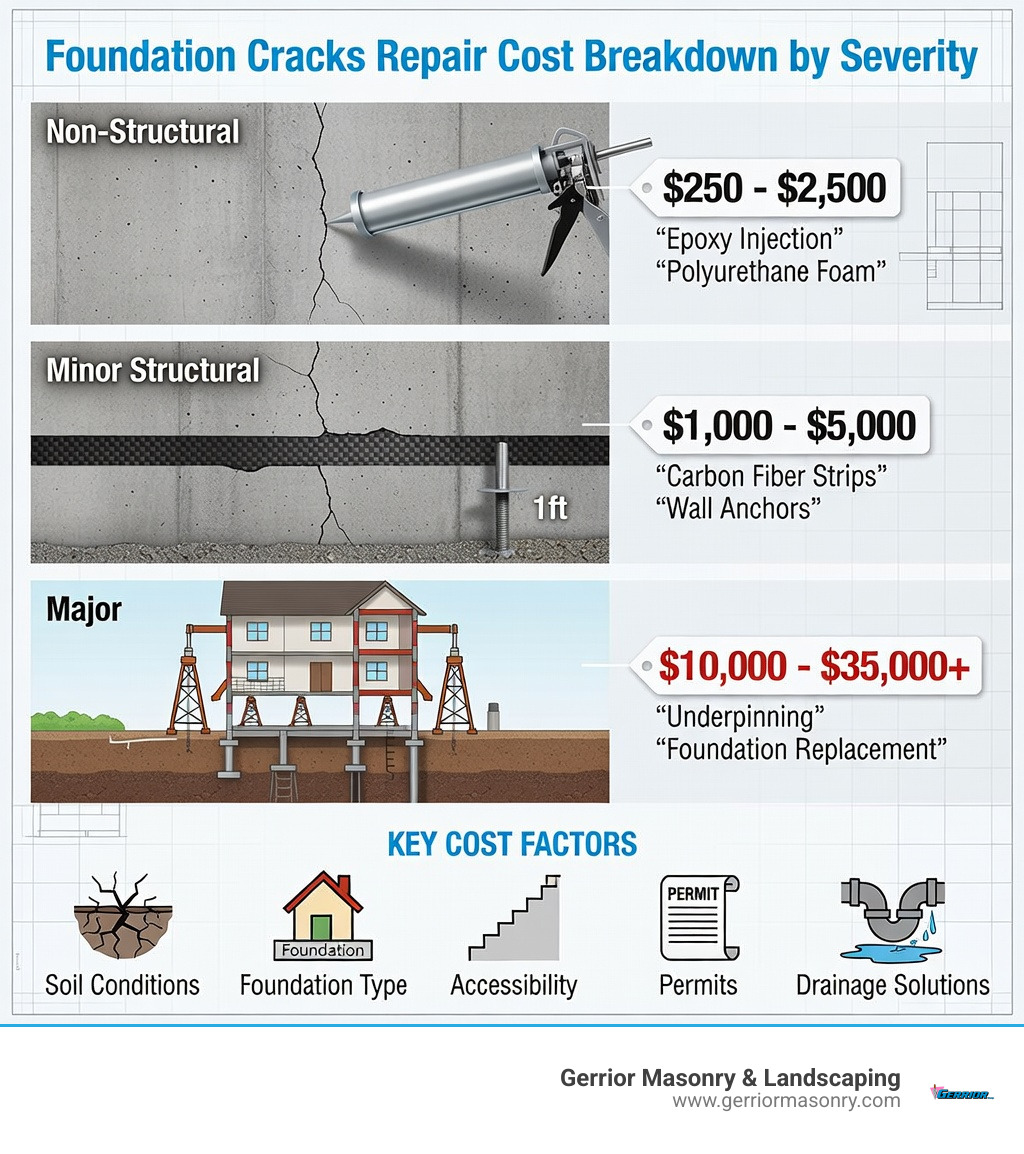
Advanced foundation crack repair and structural remediation services encompass specialized engineering and construction methodologies designed to diagnose, stabilize, and restore compromised building foundations. These comprehensive interventions move beyond simple cosmetic surface patching to address root geotechnical and structural failures, utilizing heavy-duty steel piers, carbon fiber reinforcement, structural epoxy injections, and comprehensive drainage systems to ensure long-term building stability.
Understanding Foundation Distress: The Anatomy of Structural Failure
Foundation distress rarely occurs in isolation; it is usually the macroscopic symptom of deeper subsurface geotechnical instability, environmental pressures, or construction flaws. To deploy advanced foundation crack repair and structural remediation services effectively, engineers and contractors must first categorize the types of cracks and structural deformations present in a building.
Differentiating Structural Cracks from Non-Structural Cracks
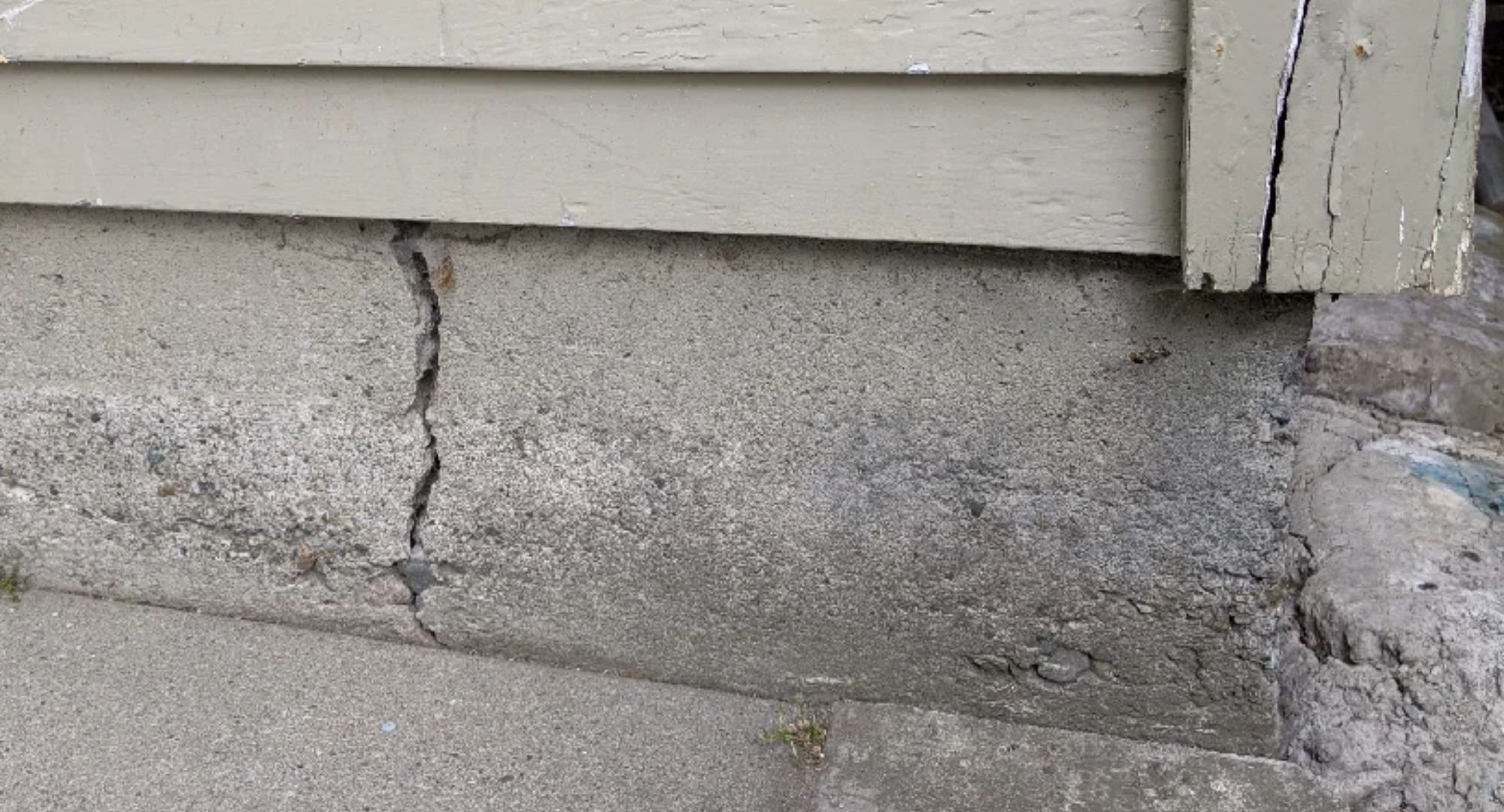
Not all cracks demand intensive structural remediation. Non-structural cracks typically arise from concrete curing, minor temperature fluctuations, or superficial shrinkage. These cracks are generally narrow (under 1/8 inch), do not propagate continuously, and display no vertical or horizontal displacement between the cracked edges.
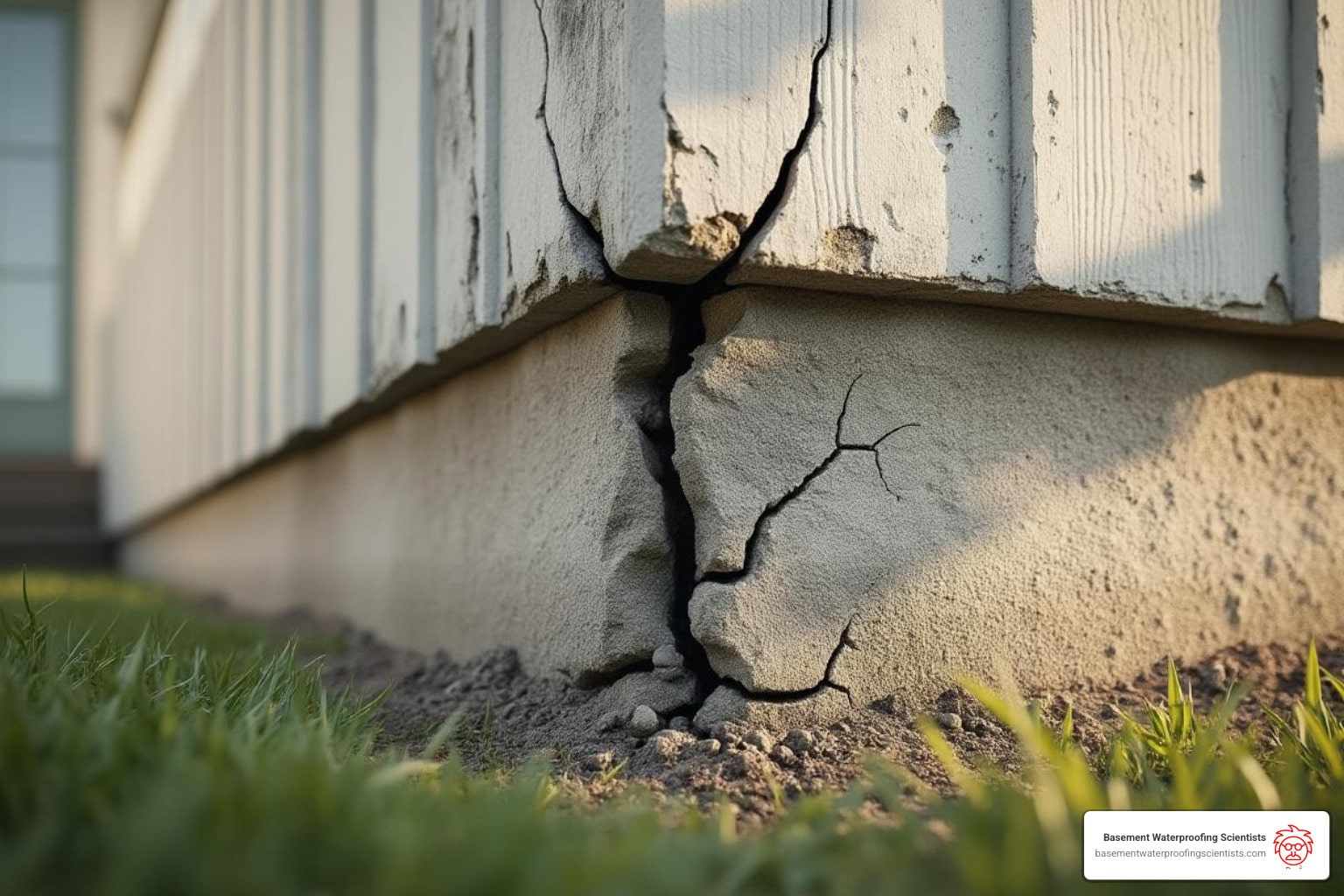
Conversely, structural cracks indicate that the foundation wall is enduring loads exceeding its design capacity. These are frequently wider, progressive, and indicative of significant differential settlement, lateral soil pressure, or hydrostatic pressure. Identifying the geometry of these fractures is vital:
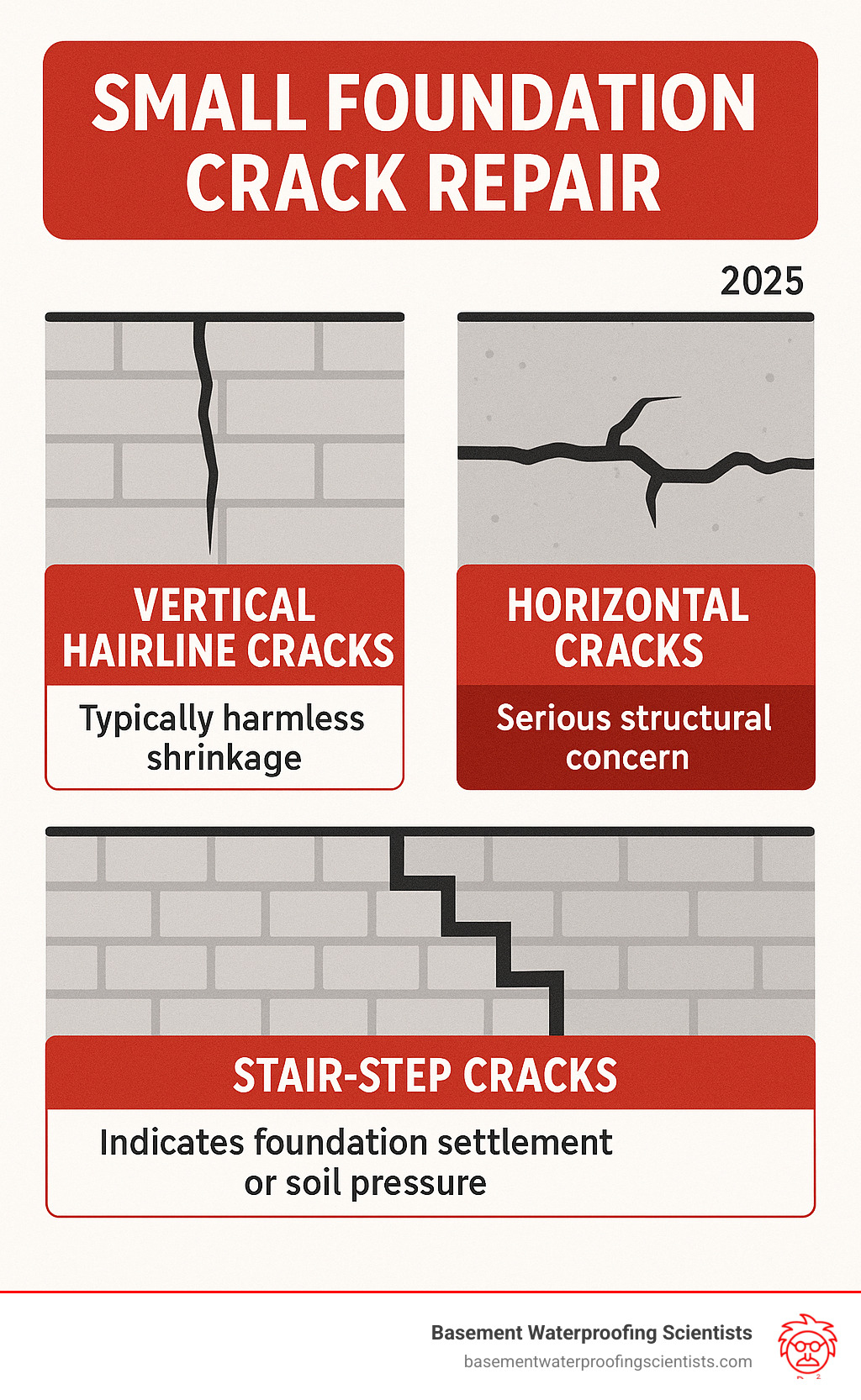
- Vertical and Diagonal Cracks: Often caused by uneven settlement or shrinkage, diagonal cracks that widen at the top usually indicate that the center of the foundation has settled into the subgrade, while diagonal cracks widening at the bottom point toward corner settlement.
- Horizontal Cracks: Universally recognized by structural engineers as a severe red flag, horizontal cracks accompanied by inward bowing of the wall signify immense lateral pressure from saturated exterior soils.
- Stair-Step Cracks: Commonly observed in brick, block, or stone masonry foundations, stair-step patterns follow mortar joints and reveal that a section of the wall is shifting independently of the rest of the structure.
Geotechnical Factors and Hydrostatic Pressure
The interaction between native soil and foundation walls dictates the longevity of any structure. Expansive soils—such as clay-heavy ground—absorb moisture aggressively during wet seasons, swelling significantly and exerting immense lateral force against basement and crawl space walls. Conversely, during dry spells, these soils shrink, leaving voids beneath footings and causing the foundation to drop or settle unevenly.
Simultaneously, groundwater accumulation creates hydrostatic pressure. As water table levels rise or surface drainage fails, hydrostatic pressure builds up against below-grade walls and beneath concrete slabs. Without a sophisticated drainage system and waterproof barriers, this pressure forces water through minute pores and existing fractures, exacerbating material degradation through freeze-thaw cycles and chemical leaching.
Diagnostic and Engineering Assessment Protocols
Before a single pier is driven or epoxy is injected, advanced structural remediation requires a rigorous engineering evaluation. Guesswork leads to catastrophic repair failures. Licensed structural engineers and certified foundation specialists employ a multi-step diagnostic framework to map the exact pathology of the failure.
- Visual Inspection & Mapping
- Elevation Survey & Laser Leveling
- Geotechnical Soil Boring & Analysis
- Engineering Remediation Plan Formulation
Elevation Surveys and Laser Leveling
An elevation survey establishes the exact topographical profile of a structure. Using high-precision laser levels, optical transits, or digital water levels, technicians record elevation data at consistent intervals along foundation walls and interior flooring. This mapping exposes the precise magnitude of differential settlement across different structural spans, distinguishing localized foundation sagging from global structural subsidence.
Load Path Analysis and Structural Engineering
Every building features a continuous load path that transfers gravity loads (dead loads from building materials and live loads from occupants and furnishings) down through the framing, walls, and columns into the foundation and supporting soil. Advanced remediation services analyze how a localized foundation failure disrupts this entire load path. Engineers calculate load distributions to determine whether temporary shoring is required during the repair process to prevent framing distortion or structural collapse.
Core Technologies in Advanced Foundation Crack Repair
Once the diagnosis is complete, specialists select from an array of engineered repair technologies. Choosing the correct methodology depends on wall material ( poured concrete versus concrete masonry units), the vector of stress, and the severity of the displacement.
Low-Pressure Epoxy and Polyurethane Injection
For non-moving structural cracks and stable poured concrete walls, structural epoxy injection provides a high-strength weld that restores the concrete to its original monolithic integrity.
- Surface Preparation: The crack is cleared of debris, loose concrete, and contaminants. Injection ports are spaced along the length of the crack.
- Surface Sealing: A high-viscosity surface paste is applied over the crack and around the ports to contain the injection material.
- Pressure Injection: A two-part structural epoxy (chosen for its high tensile and compressive strength) is injected under low pressure, starting from the bottom port and moving upward until epoxy flows freely from the adjacent port.
- Curing: Once cured, the epoxy-filled crack is often stronger than the surrounding concrete.
For active cracks where minor movement may continue, or where active water infiltration must be stopped immediately, hydrophobic or hydrophilic polyurethane foams are utilized. These urethanes react with water to expand into a flexible, elastomeric gasket that seals out moisture while accommodating minor structural shifts.
Carbon Fiber Reinforcement Systems
When foundation walls exhibit bowing, shearing, or minor inward displacement (typically between 1/2 inch and 2 inches), carbon fiber reinforcement offers a low-profile, immensely strong stabilization method.
- Mechanism: High-tensile carbon fiber strips or grids are saturated with structural epoxy and bonded directly to the prepared concrete or masonry wall surface, anchored at the top to the floor joists/sill plate and at the bottom to the concrete floor slab.
- Advantages: Unlike traditional steel I-beams, carbon fiber does not encroach upon usable basement living space, never rusts, and distributes lateral loads across the entire surface area of the wall rather than concentrating stress points.
Structural Remediation and Stabilization Services
When foundation walls or footings experience severe displacement, cracking, or sinking, surface repairs are insufficient. Full structural remediation requires systems that tie the building to stable load-bearing strata or restore plumb wall alignment.
| Remediation Technology | Primary Application | Load-Bearing Mechanism | Operational Disruption |
|---|---|---|---|
| Push Piers (Resistance Piers) | Sinking foundations, differential settlement | Driven hydraulically into deep, load-bearing bedrock or stable strata | Moderate exterior/interior excavation at pier locations |
| Helical Piers | Lighter structures, porches, chimneys, sinking walls | Screwed into the soil mechanically until torque indicates load capacity | Minimal footprint, can be installed in tight spaces |
| Steel Wall Anchors | Bowing, sliding, or shearing basement walls | Tieback rods connecting interior wall plates to exterior earth anchors | Moderate exterior yard disturbance and interior wall penetration |
| Helical Tiebacks | Deeply bowed or unstable masonry walls | Rotated through the wall into stable exterior soil to pull wall plumb | Exterior excavation and wall drilling required |
Piering Systems: Push Piers vs. Helical Piers
Piering is the gold standard for lifting and stabilizing settling foundations.
- Push Piers: Consist of heavy-walled steel tubing driven deep into the ground using the weight of the structure as resistance. Once competent load-bearing strata are reached, specialized hydraulic jacks lift the structure back toward its original elevation before securing it to heavy-duty steel foundation brackets.
- Helical Piers: Feature welded steel flights (blades) that allow the shaft to be screwed into the soil like a giant screw. They are ideal for applications where soil depths vary unpredictably or for lighter structural loads where immediate torque-to-capacity verification is required.
Wall Anchors and Tiebacks
Bowed walls resulting from lateral soil pressure require stabilization that counters inward forces. Steel wall anchors utilize heavy-duty interior steel channels bolted to the compromised wall, connected via a galvanized steel rod to a heavy-duty earth anchor buried deep in the stable, undisturbed soil outside the excavation zone. Over time, these anchors can be incrementally tightened to straighten the wall back toward its original vertical plane.
Water Management and Sub-Surface Drainage Integration
No foundation repair is complete without addressing the water management ecosystem surrounding the structure. Because hydrostatic pressure and soil saturation are primary catalysts for foundation failure, advanced remediation services routinely integrate comprehensive sub-surface drainage upgrades.
Interior and Exterior French Drains
Interior perimeter drainage systems involve cutting a trench along the basement floor perimeter, installing perforated PVC pipe embedded in washed gravel, and connecting the system to a heavy-duty sump pump equipped with battery backups. This system intercepts water before it rises through the slab or breaches wall joints.
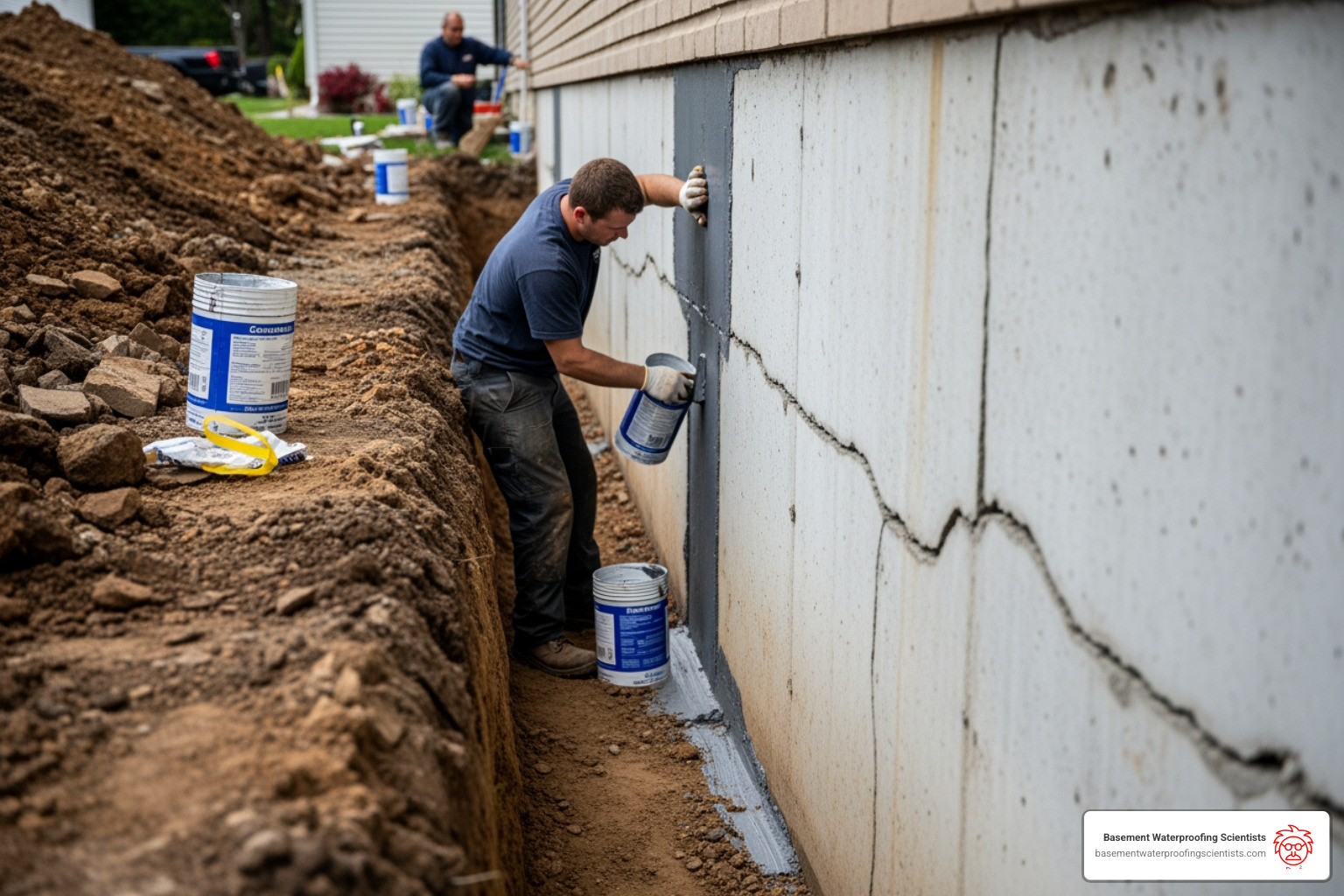
Exterior drainage remediation involves excavating down to the footing, repairing or applying elastomeric waterproofing membranes and drainage mats, installing exterior weeping tile, and grading surface soil away from the foundation perimeter to ensure positive drainage.
Evaluation of Foundation Repair Contractors
Selecting the right remediation partner is critical. Homeowners and property managers should evaluate providers against rigorous industry benchmarks:
- Engineering Oversight: Reputable firms employ or partner with licensed professional structural engineers who sign off on design plans.
- Warranty Transferability: Look for comprehensive, non-prorated warranties that explicitly transfer to subsequent property owners if the home is sold.
- Certifications and Insurance: Verify that technicians hold specialized manufacturer certifications and that the company carries extensive general liability and workers' compensation insurance tailored specifically to structural work.
Frequently Asked Questions
How do I know if a foundation crack is structurally significant?
A foundation crack is typically structurally significant if it is wider than 1/8 inch, runs horizontally, exhibits stair-step patterns in masonry, or shows displacement where one side of the wall is pushed inward relative to the other. Consulting a licensed structural engineer is the only definitive way to confirm significance.
Can foundation repairs lift my house back to its original position?
Yes, using hydraulic push piers or helical piers, contractors can frequently lift settled foundations back toward their original elevation. However, complete recovery depends on the age of the structure, framing rigidity, and the degree of distortion in connected finishes like drywall and masonry.
What causes basement walls to bow inward?
Basement walls bow inward primarily due to extreme lateral hydrostatic pressure caused by saturated, expansive clay soils freezing and thawing against the exterior foundation wall without adequate exterior drainage or wall reinforcement.
Are foundation repairs covered by standard homeowners insurance?
Generally, standard homeowners insurance policies exclude foundation damage resulting from earth movement, settling, shifting, expanding soils, or normal wear and tear. Coverage may occasionally apply if the foundation failure is a direct result of a sudden, covered peril, such as a plumbing leak.
How long do advanced foundation repair systems last?
Engineered systems such as galvanized steel push piers, helical piers, and carbon fiber reinforcement are engineered for long-term durability, often backed by lifetime transferable warranties that last for the structural life of the building.
Conclusion and Next Actions
Addressing foundation distress requires a decisive shift from temporary cosmetic fixes to rigorous structural engineering and geotechnical intervention. Homeowners observing progressive cracking, sticking doors, or bowing walls should immediately commission a professional evaluation from a certified structural remediation specialist. Establishing the precise root cause through elevation surveys and load analysis ensures that the deployed solution—whether epoxy injection, carbon fiber reinforcement, or deep-pier stabilization—restores the safety, integrity, and value of the property for decades to come.