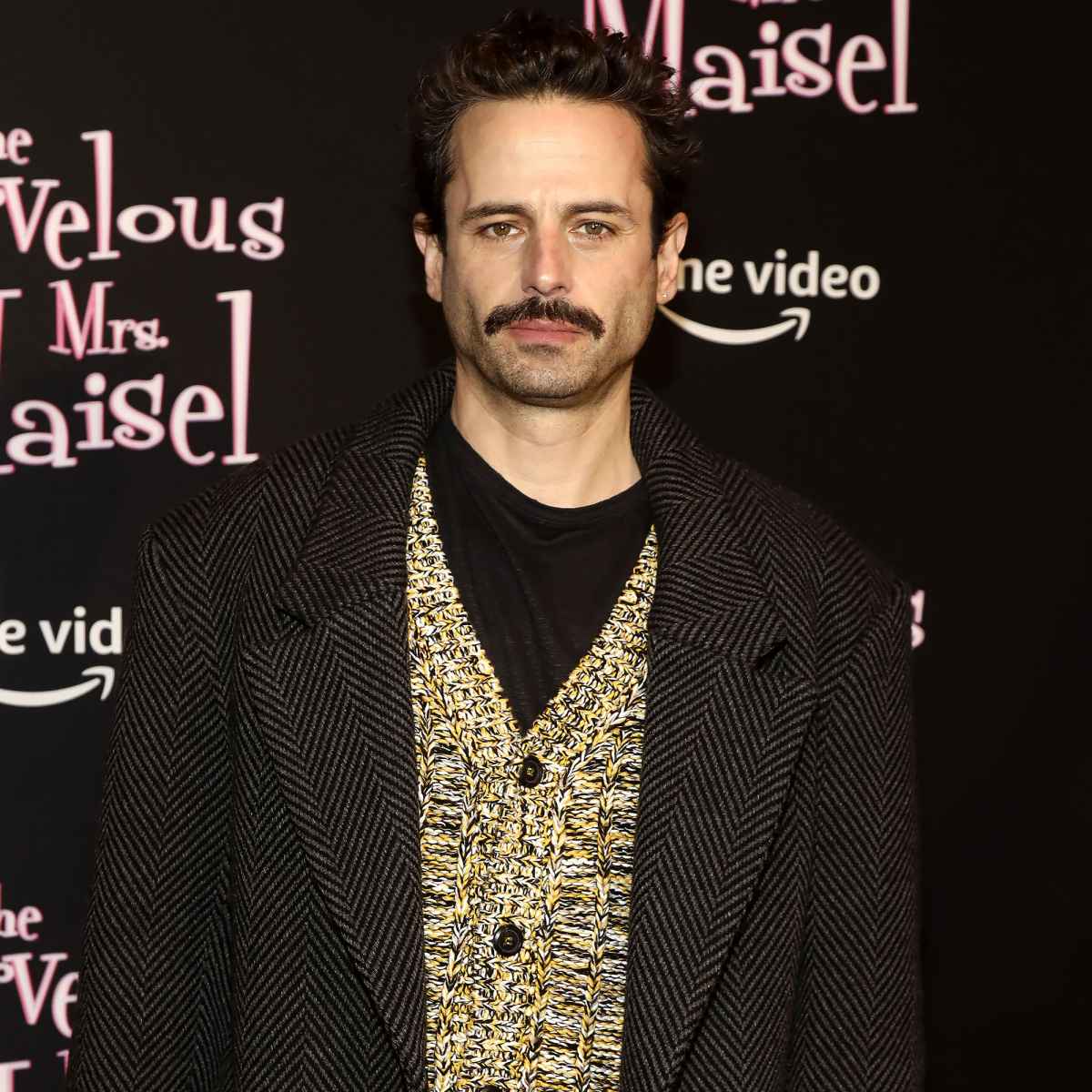
Bruce Kirby was a prolific American character actor whose career spanned over six decades, leaving an indelible mark on television and cinema. Known for his versatility and ability to inhabit blue-collar, authoritative, or comedic roles with equal authenticity, Kirby appeared in dozens of iconic series and films. His work remains a definitive study in the craft of the working actor, demonstrating how a consistent presence can anchor complex narratives across generations of entertainment history.
The Foundations of a Prolific Career
Born Bruno Giovanni Quidaciolu in 1925, Bruce Kirby grew up in an era where the television landscape was in its infancy. His journey into acting was marked by a steady climb through the ranks of mid-century theater and early broadcast television. Unlike stars who relied on singular, transformative roles, Kirby’s success was built on his reliability—the ability to walk onto any set, understand the requirements of the script, and provide a grounded performance that served the production's broader goals.
In the 1950s and 60s, Kirby transitioned from regional theater to the burgeoning television industry. This period was characterized by anthology series and live dramas, which required actors to possess immense focus and technical precision. By the time he reached his peak popularity in the 1970s, he had already spent twenty years refining his ability to disappear into the "everyman" archetype.
Mastery of the Television Procedural
The genre that most defined Bruce Kirby’s public presence was the police procedural and legal drama. His face became synonymous with the "beat cop," "sergeant," or "investigator" roles that populated the background of legendary crime dramas. He possessed a natural, authoritative yet approachable screen presence that made him the ideal casting choice for law enforcement officials.
Perhaps most recognizable to audiences of the 1970s and 80s was his recurring role as Sergeant Kramer on Columbo. In this series, his interactions with Peter Falk’s titular character provided a necessary tether to procedural realism, balancing the eccentricities of the lead detective. Beyond Columbo, Kirby’s resume reads like a history of American television:
- The Odd Couple: Often appearing in various guest roles.
- LA Law: Providing the professional, sometimes exasperated administrative weight the show required.
- Night Court: Showcasing his ability to pivot between straight-faced authority and lighthearted comedic timing.
- Matlock: Appearing in multiple episodes, demonstrating his comfort with the legal drama pacing.
Notable Film Contributions
While his television work was prolific, Kirby also maintained a significant presence in feature films. Directors appreciated his ability to deliver character-driven performances that required little exposition to justify their presence. Whether in gritty dramas or broad comedies, his work was consistently professional and technically proficient.
His involvement in Stand by Me (1986), directed by Rob Reiner, showcased his ability to inhabit a role that felt lived-in and authentic. In films of this caliber, Kirby was often the catalyst for the audience's emotional connection to the scene, providing the grounded reality against which the main characters could react. His filmography reflects an era where character actors were the essential glue of Hollywood, bridging the gap between the audience and the narrative.
Comparative Look at Key Roles
The following table outlines the diversity of projects in which Bruce Kirby left a lasting impression, illustrating his range across different genres and decades.
| Project Title | Role Type | Decade | Genre |
|---|---|---|---|
| Columbo | Sergeant Kramer | 1970s-80s | Crime/Mystery |
| Stand by Me | Mr. Quidaciolu | 1980s | Drama |
| LA Law | Various | 1980s-90s | Legal Drama |
| The Odd Couple | Recurring Guest | 1970s | Sitcom |
| Throw Momma from the Train | Detective | 1980s | Dark Comedy |
The Craft of the Character Actor
To understand Bruce Kirby’s longevity, one must look at the specific requirements of character acting during the 20th century. Unlike leading actors, whose persona often remains consistent regardless of the role, the character actor must be a chameleon. For Kirby, this meant mastering the "subtext of the scene."
He rarely played the hero or the villain; he played the people who lived in the worlds those heroes and villains inhabited. This required a deep understanding of human behavior—how a store owner would react to a robbery, how a precinct desk sergeant would handle a persistent detective, or how a blue-collar father would interact with his children. His preparation was rarely about the grand gesture; it was about the small, authentic details that made his characters feel like genuine people rather than plot devices.
Legacy and Family Influence
Bruce Kirby’s legacy extends to the next generation of performers. His son, Bruno Kirby, followed in his footsteps, establishing a highly successful career of his own in films such as City Slickers and When Harry Met Sally. The shared professional pedigree speaks to the value placed on craftsmanship and work ethic within the Kirby family. Bruce Kirby’s influence was not merely genetic but rooted in the practical lessons of the industry—the importance of punctuality, script analysis, and the ability to listen and react within a scene.
Frequently Asked Questions
What made Bruce Kirby a standout actor? Bruce Kirby stood out due to his extreme versatility and reliability. He possessed a "chameleon" quality that allowed him to play a wide variety of authority figures, comedic foils, and background characters, always grounding the performance in reality.
Is Bruce Kirby related to the actor Bruno Kirby? Yes, Bruce Kirby was the father of the late actor Bruno Kirby. Both men were well-respected figures in the entertainment industry, known for their ability to bring depth to supporting roles.
In which famous mystery series was Bruce Kirby a recurring face? Bruce Kirby is perhaps best known for his recurring role as Sergeant Kramer on the classic television series Columbo, where he frequently worked alongside Peter Falk.
What was the nature of Bruce Kirby's acting style? Kirby was a classic character actor. His style was marked by naturalism, avoiding performative excess in favor of authentic, steady reactions that helped the audience orient themselves within the story.
How many decades did Bruce Kirby’s career span? His career spanned more than 60 years, beginning in the early 1950s and continuing well into the 21st century, making him one of the most consistent working actors in television history.
The Enduring Value of Character Work
The career of Bruce Kirby serves as a vital reminder of the mechanics of storytelling. Modern viewers looking to understand the history of television should view Kirby's work as a roadmap for effective performance. He reminds us that the success of a narrative depends as much on the background characters as it does on the leads.
For those interested in exploring his body of work, a retrospective of his television appearances—particularly his interactions with the eccentric leads of the 70s—provides an excellent masterclass in the art of reacting. Next time you revisit a procedural classic, notice the way Kirby utilizes silence and posture to tell the story when the lines are being delivered by someone else. That is the hallmark of a master craftsman, and it is why his contributions remain relevant in 2026.