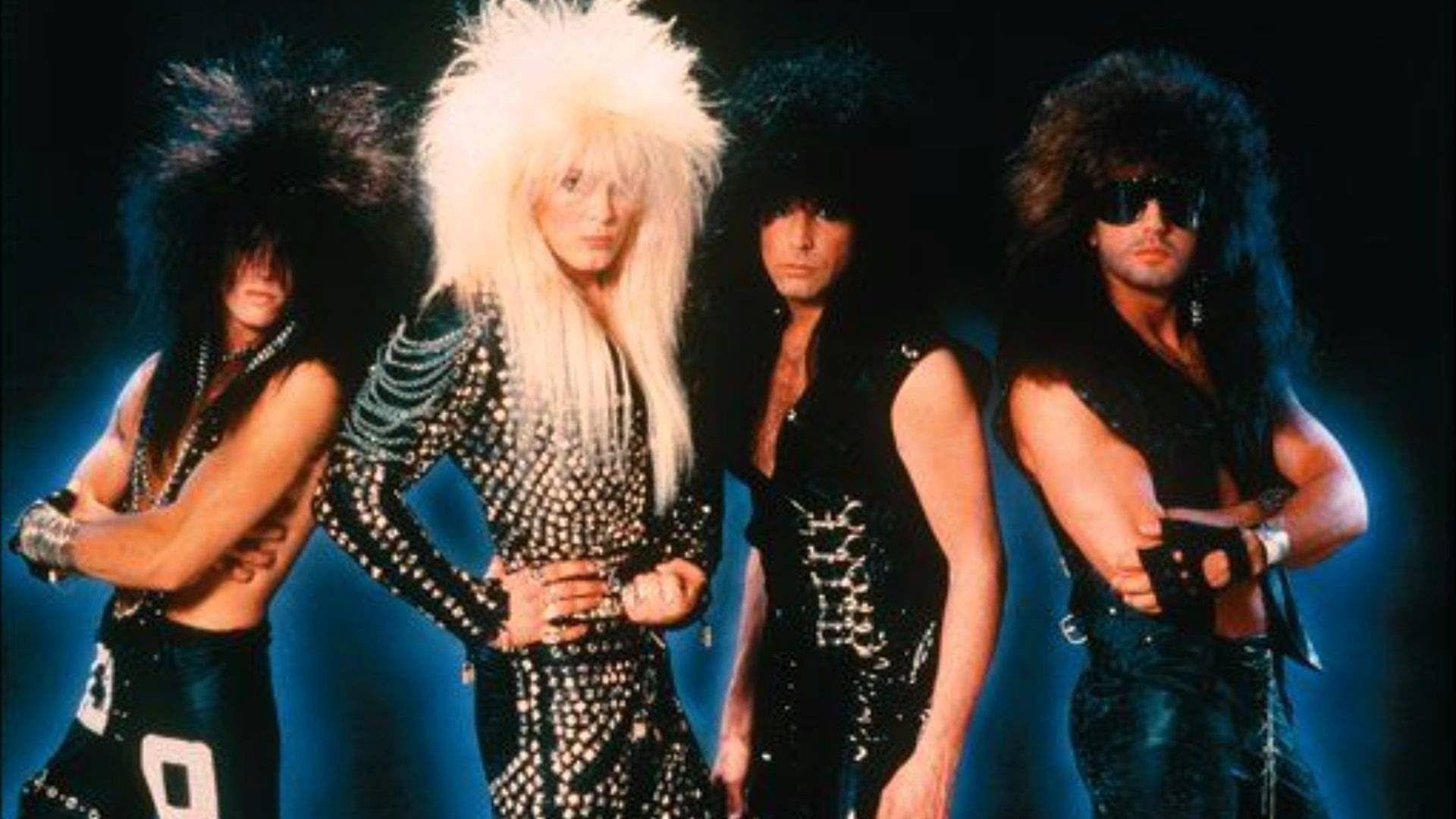
The 80s rockers of the classic rock era defined a decade of sonic excess, visual spectacle, and technological innovation. This period saw the transition from the raw, blues-based aesthetics of the 1970s to a more polished, stadium-ready sound driven by the rise of MTV and digital recording. From the anthemic choruses of hair metal to the grounded narratives of heartland rock, 80s rockers expanded the boundaries of the genre, cementing their place in the permanent classic rock canon.
As we look back from 2026, the 1980s are no longer just a decade of nostalgia; they represent a fundamental shift in how music is consumed and performed. The era proved that rock could be both a commercial powerhouse and a diverse medium for social commentary and artistic exploration.
The Cultural Landscape: How MTV Redefined the Rock Star
The early 1980s introduced a catalyst that would forever change the trajectory of rock music: Music Television (MTV). Launched in 1981, the network shifted the focus from how a band sounded to how they looked. For 80s rockers, the visual component became as vital as the guitar solo.
Before MTV, rock stars were often distant, mysterious figures. The 1980s brought them into the living rooms of millions. This led to the "Video Era," where bands like Duran Duran, The Police, and ZZ Top (with their iconic Eliminator-era videos) utilized high-budget cinematography to craft larger-than-life personas. The "classic rock" identity began to absorb these visual elements, blending traditional instrumentation with a flashy, neon-soaked aesthetic.
This visual revolution also democratized fame. A band from Los Angeles or London could become a global sensation overnight if their video received "Heavy Rotation." However, this pressure also led to the "image-first" criticism that dogged many hair metal bands later in the decade. Regardless of the critique, the synergy between the lens and the amplifier defined the 80s rocker's experience.
The Rise of Glam and Hair Metal
Perhaps the most recognizable segment of 80s rockers belongs to the glam metal movement, often colloquially known as "hair metal." Centered largely on the Sunset Strip in West Hollywood, this subgenre emphasized decadence, shredding guitar virtuosity, and massive, hook-driven choruses.
The Pioneers of the Sunset Strip
Bands like Mötley Crüe, Ratt, and Quiet Riot paved the way for a movement that prioritized the party. Mötley Crüe’s Shout at the Devil (1983) served as a blueprint, blending heavy riffs with a theatrical, almost operatic sense of rebellion. These musicians weren't just players; they were icons of a lifestyle characterized by leather, spandex, and hairspray.
The Commercial Peak: Bon Jovi and Def Leppard
By the mid-80s, the sound became more melodic and commercially viable. Bon Jovi’s Slippery When Wet (1986) and Def Leppard’s Hysteria (1987) are quintessential examples of this era. Def Leppard, in particular, utilized revolutionary production techniques. Working with producer Mutt Lange, they layered vocals and guitars to create a "wall of sound" that remains a benchmark for audio engineering in 2026. These albums weren't just rock records; they were pop-rock masterpieces that dominated the Billboard charts.
Heartland Rock: The Grounded Alternative
While glam metal reached for the stars, heartland rock kept its feet firmly planted in the soil of the American working class. This movement, led by figures like Bruce Springsteen, Tom Petty, and John Mellencamp, focused on the struggles and triumphs of the "everyman."
Bruce Springsteen and the 'Born in the U.S.A.' Phenomenon
In 1984, Springsteen released Born in the U.S.A., an album that captured the zeitgeist of the decade. While its title track was often misinterpreted as a jingoistic anthem, it was actually a gritty look at the plight of Vietnam veterans. Springsteen’s ability to fill stadiums while singing about closed factories and broken dreams provided a necessary balance to the escapism of glam metal.
Tom Petty and the Heartbreakers
Tom Petty occupied a unique space in the 80s rocker pantheon. With a sound rooted in 1960s jangle-pop and classic rock-and-roll, Petty survived the transition into the video age with grace. His 1989 solo effort, Full Moon Fever, produced hits like "Free Fallin'" and "I Won't Back Down," proving that classic songwriting principles could still thrive amidst the synthesizers of the late 80s.
The Technological Shift: Synthesizers and Digital Production
The 1980s marked a technical turning point for classic rock. The introduction of the Yamaha DX7 synthesizer and the Fairlight CMI sampler allowed rockers to experiment with textures that were previously impossible.
Bands that originated in the progressive rock era of the 70s, such as Genesis and Yes, reinvented themselves for the 80s. Genesis, led by Phil Collins, moved from complex time signatures to tight, synth-driven pop-rock hits like "Invisible Touch." Similarly, Yes scored a massive hit with "Owner of a Lonely Heart," featuring a digital "orchestra hit" sample that became one of the most recognizable sounds of the decade.
The drum sound of the 80s is also a defining technical characteristic. The "gated reverb" effect—discovered by accident during a recording session with Phil Collins and Peter Gabriel—created a massive, punchy snare sound that dominated the airwaves. This sonic signature is why 80s rockers sound distinct from their 70s predecessors.
| Subgenre | Key Characteristics | Representative Artists |
|---|---|---|
| Glam Metal | High-pitched vocals, heavy distortion, theatrical image | Mötley Crüe, Poison, Warrant |
| Heartland Rock | Socially conscious lyrics, roots-rock influence | Bruce Springsteen, Bob Seger |
| Arena Rock | Anthemic choruses, high production value | Journey, REO Speedwagon, Foreigner |
| New Wave Rock | Synthesizer integration, rhythmic experimentation | The Cars, The Police, U2 |
| Hard Rock | Blues-based riffs, aggressive delivery | Guns N' Roses, AC/DC, Van Halen |
The Guitar Heroes of the Decade
Despite the rise of the synthesizer, the 80s was arguably the "golden age" of the guitar hero. Building on the foundation laid by Jimi Hendrix and Jimmy Page, 80s rockers took technical proficiency to new heights.
Eddie Van Halen and the "Brown Sound"
While Van Halen debuted in the late 70s, their impact peaked in the 80s with the album 1984. Eddie Van Halen’s "two-handed tapping" technique revolutionized the instrument. Every aspiring 80s rocker wanted to emulate his "Brown Sound"—a warm, saturated distortion that became the industry standard for hard rock.
The Return of the Blues: Slash and Stevie Ray Vaughan
Toward the end of the decade, a shift occurred. Stevie Ray Vaughan brought the blues back into the mainstream with his virtuosic playing, reminding audiences of rock’s roots. Simultaneously, in 1987, Guns N' Roses released Appetite for Destruction. Lead guitarist Slash, with his low-slung Gibson Les Paul and bluesy, melodic solos, provided a gritty antithesis to the polished "shredders" of the era. This album is often cited as the bridge between 80s excess and the 90s grunge movement.
Women Who Rocked the 80s
The 1980s saw female artists breaking through the "boys' club" of classic rock with unprecedented force. These women weren't just vocalists; they were bandleaders, songwriters, and instrumentalists.
- Pat Benatar: A four-time Grammy winner, Benatar’s powerful mezzo-soprano voice and tough-as-nails persona made her a staple of the MTV era with hits like "Hit Me with Your Best Shot."
- Heart: After a successful 70s run, sisters Ann and Nancy Wilson reinvented themselves in 1985 with a self-titled album that embraced the big-hair aesthetic and power ballads, resulting in multiple number-one hits.
- Joan Jett: As the leader of the Blackhearts, Jett brought a punk-rock ethos to the classic rock format. "I Love Rock 'n' Roll" remains one of the definitive anthems of the decade.
- Tina Turner: Her 1984 comeback album, Private Dancer, proved that rock and soul could merge into a stadium-sized juggernaut, cementing her status as the Queen of Rock 'n' Roll.
The End of an Era and the Legacy of the 80s
By the early 1990s, the dominance of 80s rockers began to wane. The arrival of Nirvana’s Nevermind in 1991 signaled a shift toward "Grunge," which rejected the artifice and production of the 80s. Many glam metal bands found themselves suddenly out of fashion, as the "Seattle Sound" favored flannel over spandex.
However, the legacy of 80s rockers is undeniable. The "Classic Rock" radio format, which solidified in the late 90s and early 2000s, relies heavily on the output of this decade. The songs of Journey, Queen (who had a massive 80s resurgence), and Bon Jovi are ubiquitous in 2026, serving as the soundtrack for sporting events, movies, and digital media.
The 80s taught the music industry that rock could be a multi-sensory experience. It proved that technology, when used correctly, could enhance the emotional impact of a four-chord song. Most importantly, it produced a catalog of music that has proven remarkably durable, continuing to inspire new generations of musicians who pick up a guitar and dream of playing to a packed stadium.
Frequently Asked Questions
What defines "80s Rockers" compared to 70s rock?
The primary difference lies in production and technology. 80s rock typically features more prominent use of synthesizers, gated reverb on drums, and a higher level of studio polish. While 70s rock was often rooted in blues and folk, 80s rock leaned into pop-sensibilities, anthemic choruses, and the visual demands of the music video era.
Is Guns N' Roses considered an 80s rocker band?
Yes, Guns N' Roses is one of the most influential bands of the late 80s. Their 1987 debut, Appetite for Destruction, is the best-selling debut album of all time in the United States. They are often credited with bringing a raw, dangerous edge back to rock at a time when the genre was becoming overly "pop-oriented."
Why were power ballads so popular in the 80s?
Power ballads allowed hard rock and metal bands to gain airplay on Top 40 radio stations and reach a broader audience, particularly female listeners who might not have been interested in "heavy" tracks. Songs like "Every Rose Has Its Thorn" by Poison or "Home Sweet Home" by Mötley Crüe became massive commercial successes that helped sustain the bands' careers.
Who is the most influential guitar player of the 1980s?
While subjective, most music historians and players cite Eddie Van Halen as the most influential. His "tapping" technique and innovative equipment modifications (like the "Frankenstrat") changed the technical language of the electric guitar. Other highly influential players include Stevie Ray Vaughan, Slash, and The Edge of U2.
How did MTV change the career of 80s rockers?
MTV made the "look" of a band as important as their sound. It provided a platform for 24-hour promotion, allowing bands to reach global audiences without constant touring. However, it also made it difficult for bands that didn't have a "telegenic" appeal to compete in the mainstream market.
Final Recommendation
For those looking to explore the depth of 80s rockers, the best approach is to look beyond the greatest hits. While the anthems are essential, the "deep cuts" on albums like U2’s The Joshua Tree, Peter Gabriel’s So, or Dire Straits’ Brothers in Arms reveal the true technical and lyrical sophistication of the era. Whether you are a musician or a listener, the 80s classic rock era offers a masterclass in how to blend commercial appeal with genuine artistic ambition.