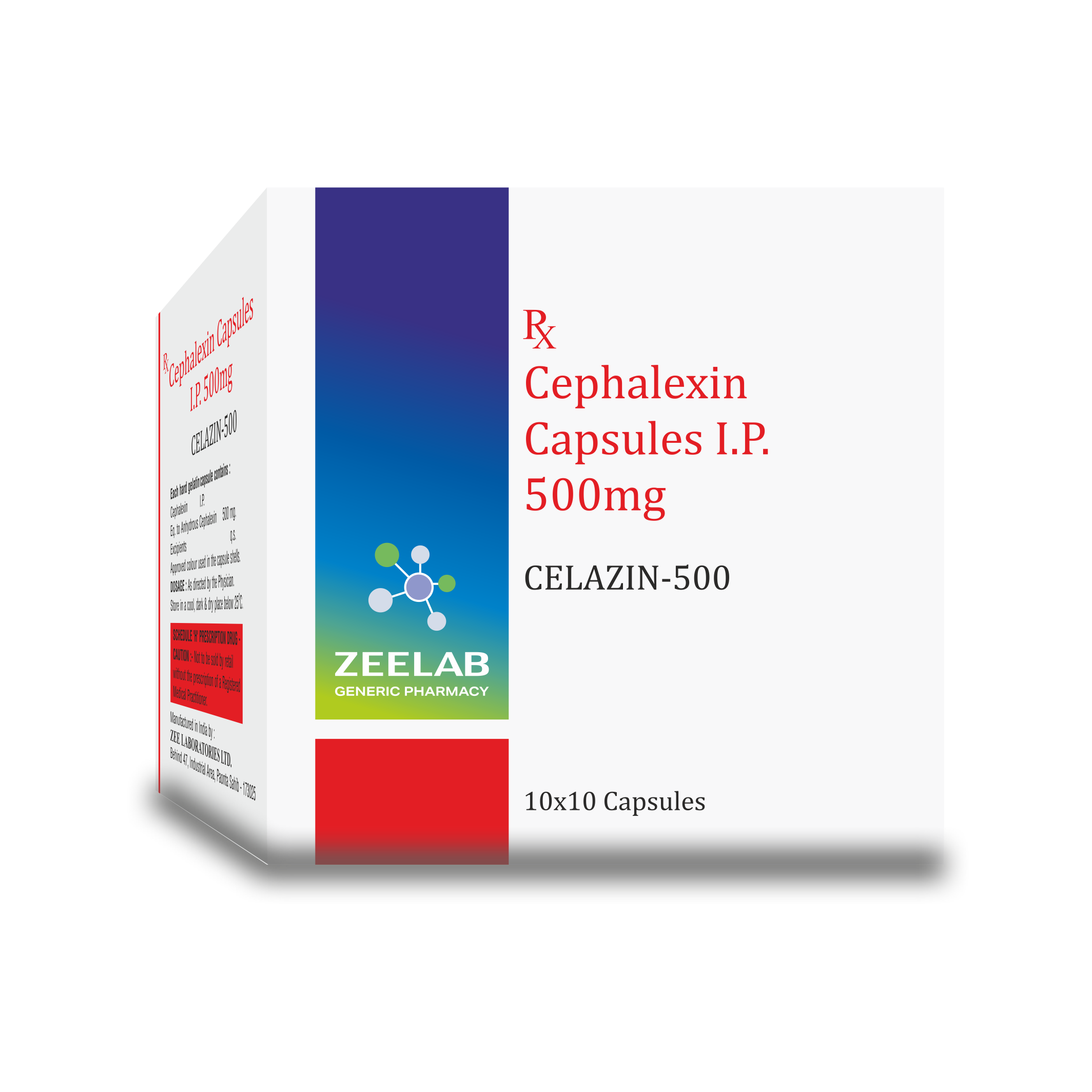
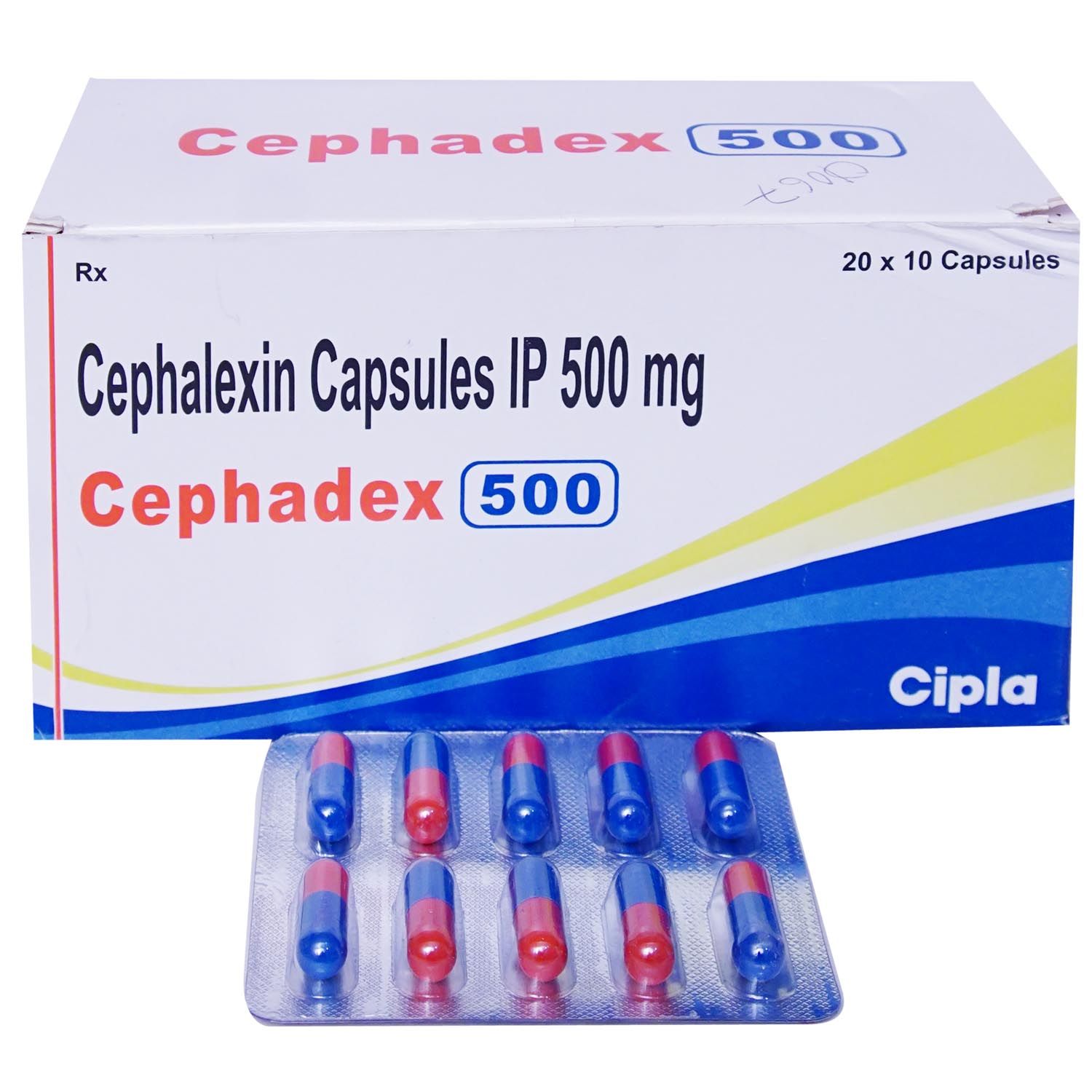
A 500 mg cephalexin capsule is a prescription first-generation cephalosporin antibiotic commonly prescribed by veterinarians to treat various bacterial infections in dogs, such as skin, soft tissue, bone, and urinary tract infections. Safe administration requires precise weight-based dosing, strict adherence to veterinary schedules, and close monitoring for potential gastrointestinal or allergic side effects.
Introduction to Cephalexin in Veterinary Medicine
Cephalexin is a broad-spectrum, beta-lactam antibiotic belonging to the cephalosporin class. In veterinary practice, it is frequently utilized because of its proven efficacy against a wide range of gram-positive bacteria (such as Staphylococcus species) and several gram-negative strains. The 500 mg capsule format is typically formulated for medium-to-large-breed dogs, where higher milligram requirements make larger capsule sizes both practical and economical.
Because antibiotics target bacterial cell wall synthesis, they are ineffective against viral or fungal pathogens. Misusing cephalexin—such as splitting a 500 mg capsule improperly or sharing medication between pets—can lead to treatment failure or contribute to antimicrobial resistance. Therefore, understanding the pharmacological profile, proper administration techniques, and safety guardrails of this medication is essential for pet owners.
Primary Indications and Approved Uses
Veterinarians prescribe cephalexin 500 mg capsules for several specific bacterial pathologies. The most common indication is canine pyoderma, a superficial or deep bacterial skin infection often secondary to underlying allergies, parasites, or endocrine disorders.
Beyond dermatological conditions, cephalexin is frequently deployed for:
- Urinary Tract Infections (UTIs): Targeting susceptible pathogens colonizing the bladder or urethra.
- Soft Tissue Infections: Treating wounds, bite abscesses, and post-surgical site infections.
- Bone and Respiratory Infections: Used in specific, culture-confirmed cases where susceptibility testing confirms the sensitivity of the bacteria to cephalosporins.
A veterinarian will generally recommend a bacterial culture and sensitivity test if an infection fails to respond to initial treatment, ensuring that cephalexin remains the correct pharmacological choice.
Understanding Dosage and Administration Protocols
Dosing for cephalexin is strictly calculated based on the dog's body weight. The standard therapeutic dosage typically ranges from 10 mg to 15 mg per pound (22 mg to 30 mg per kg) of body weight, administered every 8 to 12 hours, depending on the severity of the infection and the specific instructions provided by the prescribing veterinarian.
| Dog Weight Range (Approximate) | Standard Calculated Dose (15 mg/lb) | Common Clinical Form Presentation |
|---|---|---|
| 15 to 25 lbs | 225 mg – 375 mg | Often requires oral suspension or lower-dose capsules (e.g., 250 mg) |
| 33 to 50 lbs | 500 mg | Typically one 500 mg capsule every 12 hours |
| 66 to 100 lbs | 1,000 mg | Typically two 500 mg capsules (or one 1,000 mg formulation) |
| Over 100 lbs | Weight-adjusted | Requires precise veterinarian calculation to avoid underdosing |
Note: Never attempt to open, empty, or split a 500 mg capsule to adjust the dose unless explicitly instructed by a licensed veterinarian or veterinary compounding specialist, as altering the capsule matrix can affect drug absorption.
Food and Administration Tips
Cephalexin can be administered with or without food. However, giving the capsule with a small meal or a pill-pouch treat is frequently recommended to mitigate potential gastrointestinal upset, such as mild nausea or vomiting, which some dogs experience when taking antibiotics on an empty stomach.
Potential Side Effects and Adverse Reactions
While cephalexin is generally well-tolerated by most canines, adverse effects can occur. Pet owners should monitor their dogs closely throughout the course of antibiotic therapy.
Common, Mild Side Effects
- Gastrointestinal Distress: Vomiting, decreased appetite, or mild diarrhea are the most frequently reported side effects.
- Salivation: Excessive drooling immediately following administration can occur if the capsule dissolves partially in the mouth or tastes unpleasant to the dog.
Serious Adverse Reactions Requiring Veterinary Attention
Though rare, hypersensitivity reactions can develop. Owners must contact a veterinarian or emergency veterinary hospital immediately if they observe:
- Facial swelling, hives, or skin rashes.
- Difficulty breathing, wheezing, or sudden lethargy.
- Severe, watery diarrhea or bloody stools, which may indicate secondary colitis or Clostridium difficile overgrowth.
Safety Precautions, Contraindications, and Drug Interactions
Certain physiological conditions and concurrent medications require cautious evaluation before starting a regimen of 500 mg cephalexin capsules.
Pre-Existing Health Conditions
Dogs with a known history of hypersensitivity or severe allergic reactions to penicillins or other cephalosporins must not take cephalexin, as cross-reactivity is common within the beta-lactam antibiotic class. Additionally, because cephalexin is primarily eliminated through the kidneys, dogs with pre-existing renal impairment require adjusted dosing schedules and careful monitoring by a veterinarian.
Drug Interactions
Cephalexin can interact with other pharmaceuticals, altering efficacy or increasing toxicity risks. Key classes of medications to discuss with a veterinarian include:
- Other Nephrotoxic Drugs: Combining cephalexin with certain potent diuretics or aminoglycoside antibiotics may increase stress on the kidneys.
- Bacteriostatic Antibiotics: Drugs such as tetracyclines or erythromycin can sometimes interfere with the bactericidal activity of cell-wall synthesis inhibitors like cephalexin when administered concurrently.
Managing the Treatment Course: Completing the Prescription
One of the most critical aspects of antibiotic therapy is completing the entire prescribed course, even if the dog's symptoms disappear within a few days. Premature cessation of cephalexin therapy often leaves hardier bacterial subpopulations alive, which can lead to a rapid recurrence of the infection and contribute significantly to drug-resistant bacterial strains.
If a dose is missed, administer it as soon as remembered. However, if it is nearly time for the next scheduled dose, skip the missed dose and resume the normal dosing schedule. Never double up on capsules to make up for a missed administration.
Frequently Asked Questions
Can I give my dog human cephalexin?
While the chemical structure of cephalexin prescribed for humans is identical to veterinary formulations, human medications often contain inactive ingredients, binders, or coatings that may not be suitable for dogs. Furthermore, human dosages rarely match the specific weight-based requirements of a canine. Always obtain prescriptions directly through a veterinarian or a verified veterinary pharmacy.
What should I do if my dog accidentally ingests extra 500 mg capsules?
Accidental overdosage can lead to acute gastrointestinal distress, vomiting, diarrhea, and potential neurological signs in extreme cases. Contact your veterinarian, your local emergency veterinary clinic, or an animal poison control center immediately with the dog's weight and the estimated amount ingested.
Can cephalexin be given to pregnant or nursing dogs?
Cephalexin is generally considered relatively safe for use in pregnant or breeding dogs when medically necessary, but it should only be administered under direct veterinary supervision to weigh the benefits against potential fetal impacts.
How should unused 500 mg cephalexin capsules be stored?
Store cephalexin capsules at room temperature, away from excessive moisture, heat, and direct sunlight. Keep the medication bottle tightly closed and entirely out of reach of children and other pets. Do not flush leftover medication down the toilet or sink; consult a local pharmacy or veterinary clinic regarding proper pharmaceutical disposal guidelines.
Why is my dog vomiting after taking the capsule?
Mild gastric irritation is a known side effect of oral antibiotics. Administering the 500 mg capsule wrapped in a small piece of meat, cheese, or specialized pill-pocket treat often resolves this issue. If vomiting persists or is accompanied by lethargy, contact your veterinarian.